Introduction
Derlotuximab Biosimilar is a monoclonal antibody (mAb) that targets the H1 complex of DNA, making it a promising therapeutic option for various diseases. This research grade antibody has been extensively studied and has shown potential for use in the treatment of several conditions. In this article, we will discuss the structure, activity, and potential applications of Derlotuximab Biosimilar.
Structure of Derlotuximab Biosimilar
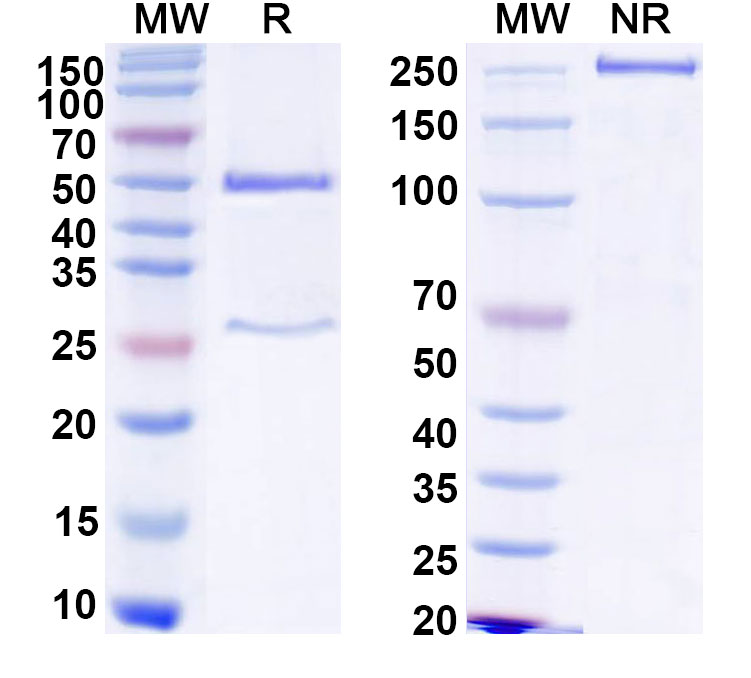
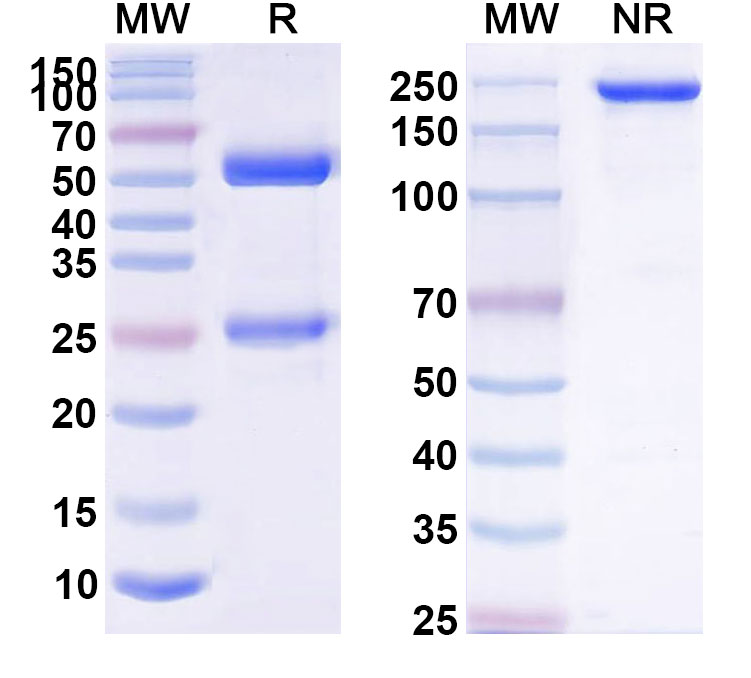
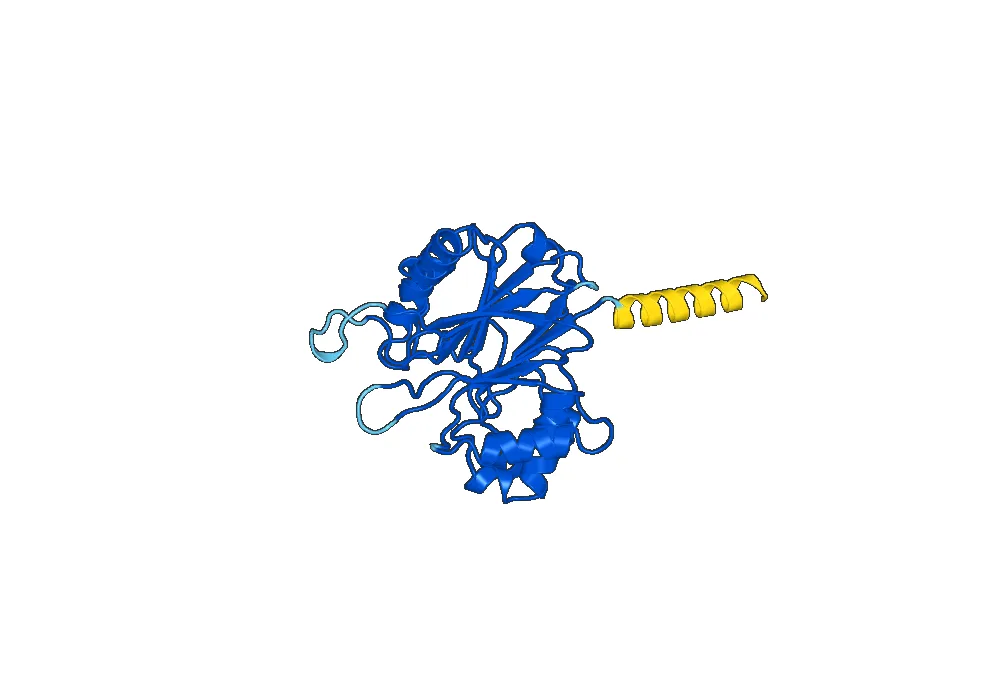
Derlotuximab Biosimilar is a recombinant humanized IgG1 monoclonal antibody. It is composed of two heavy chains and two light chains, each containing a variable region and a constant region. The variable region is responsible for binding to the H1 complex of DNA, while the constant region determines the effector functions of the antibody.
The H1 complex is a histone protein-DNA complex that plays a crucial role in regulating gene expression. Derlotuximab Biosimilar binds to the H1 complex with high specificity and affinity, making it an ideal therapeutic agent for targeting this complex.
Activity of Derlotuximab Biosimilar
Derlotuximab Biosimilar exerts its activity by binding to the H1 complex of DNA and blocking its function. This prevents the complex from regulating gene expression, leading to the inhibition of cell proliferation and survival. Additionally, Derlotuximab Biosimilar also induces antibody-dependent cell-mediated cytotoxicity (ADCC) and complement-dependent cytotoxicity (CDC), which further enhance its therapeutic effects.
Studies have shown that Derlotuximab Biosimilar has potent anti-tumor activity against various types of cancer cells, including breast, lung, and colon cancer. It has also been found to be effective in autoimmune diseases such as systemic lupus erythematosus (SLE) and rheumatoid arthritis (RA).
Applications of Derlotuximab Biosimilar
Due to its specific targeting of the H1 complex of DNA, Derlotuximab Biosimilar has shown potential for use in various diseases. Its ability to inhibit cell proliferation and induce ADCC and CDC make it a promising therapeutic option for cancer treatment. It can be used alone or in combination with other anti- cancer agents to enhance its efficacy.
In addition to cancer, Derlotuximab Biosimilar has also shown promising results in the treatment of autoimmune diseases. By blocking the function of the H1 complex, it can help regulate the overactive immune response in conditions like SLE and RA. This makes it a potential alternative to current treatments that often have significant side effects.
Conclusion
In summary, Derlotuximab Biosimilar is a monoclonal antibody that targets the H1 complex of DNA. Its unique structure and mechanism of action make it a promising therapeutic option for various diseases, particularly cancer and autoimmune diseases. Further research and clinical trials are needed to fully understand the potential of this antibody, but it holds great promise for improving patient outcomes in the future.



There are no reviews yet.