Etaracizumab Biosimilar: A Promising Antibody for Targeting ITGAV and ITGB3
Etaracizumab Biosimilar, also known as Anti-ITGAV_ITGB3 mAb, is a research grade monoclonal antibody that has shown great potential for targeting ITGAV and ITGB3, two key integrin subunits involved in various cellular processes. This biosimilar is a highly specific and potent therapeutic agent that holds promise for the treatment of a wide range of diseases.
Structure of Etaracizumab Biosimilar
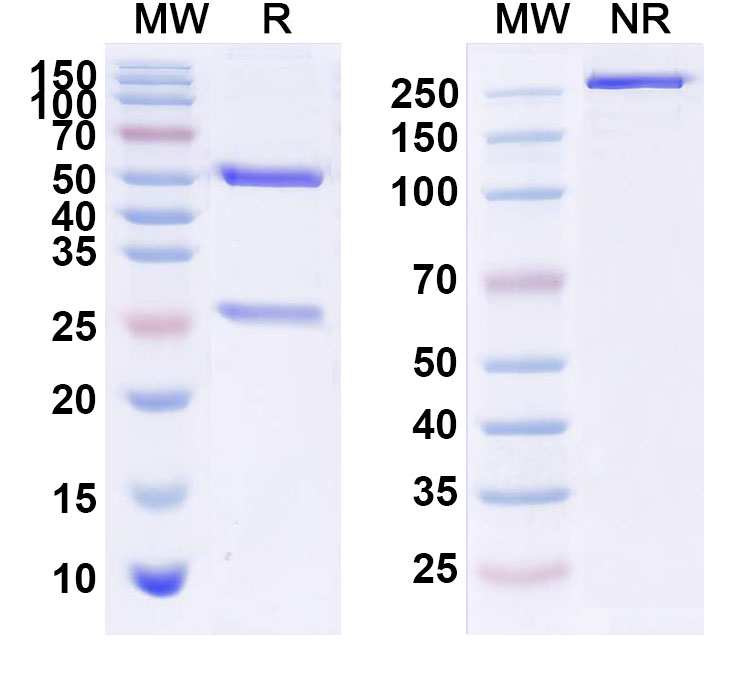
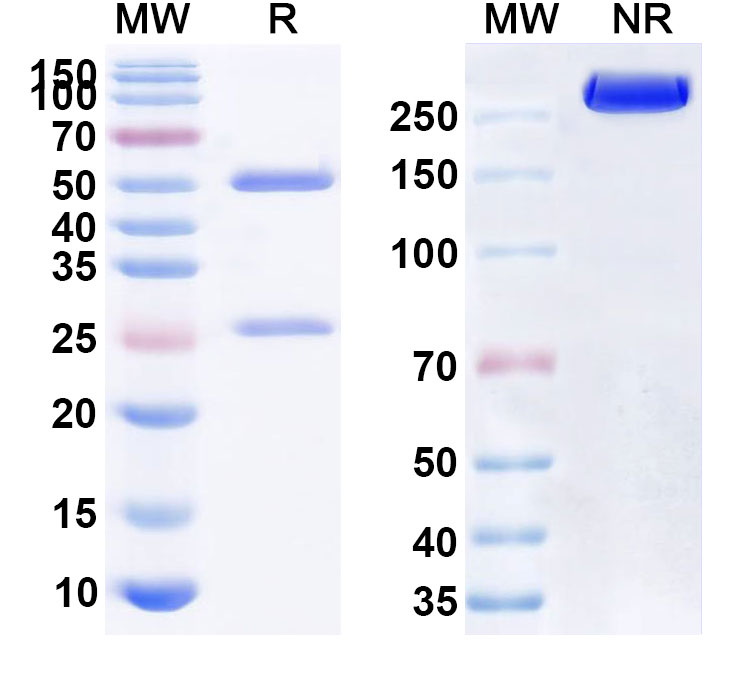
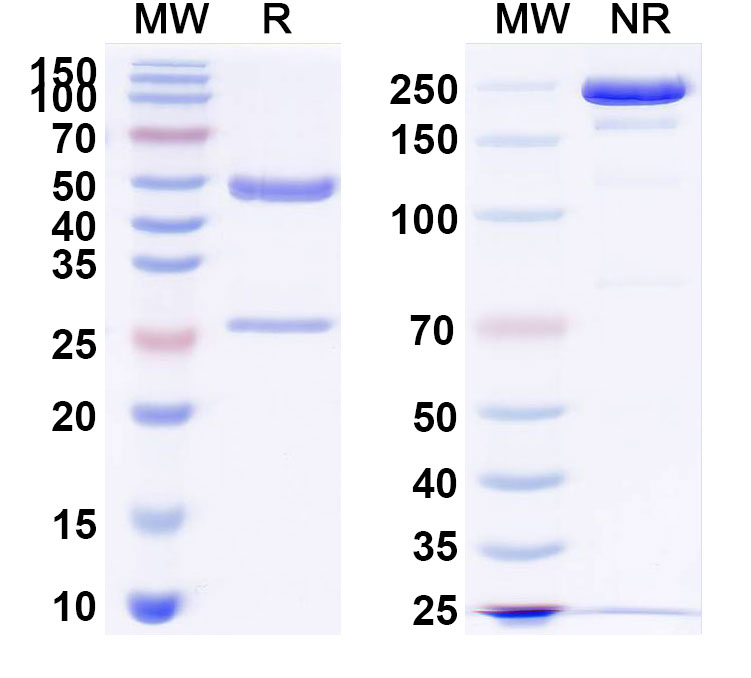
Etaracizumab Biosimilar is a recombinant humanized monoclonal antibody that is produced in Chinese hamster ovary (CHO) cells. It is composed of two heavy chains and two light chains, with a total molecular weight of approximately 150 kDa. The antibody has a typical Y-shaped structure, with two antigen-binding fragments (Fab) and one crystallizable fragment (Fc). The Fab region is responsible for binding to its target, while the Fc region mediates effector functions such as antibody-dependent cellular cytotoxicity (ADCC) and complement-dependent cytotoxicity (CDC).
Activity of Etaracizumab Biosimilar
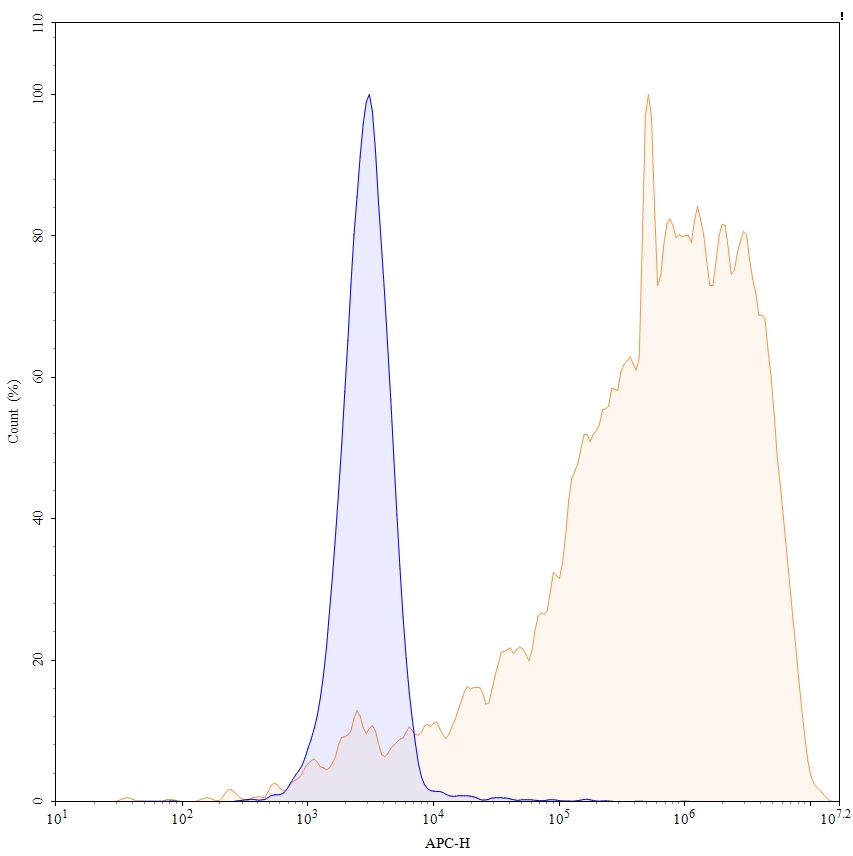
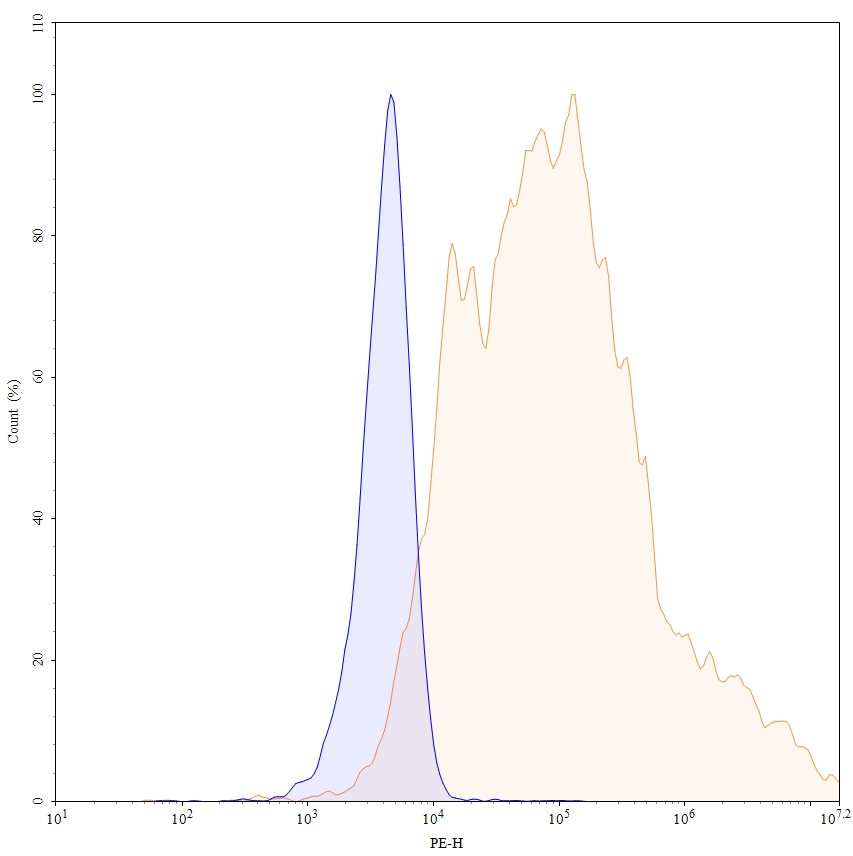
The primary target of Etaracizumab Biosimilar is the integrin heterodimer composed of ITGAV and ITGB3 subunits. These integrins are cell surface receptors that play a crucial role in cell adhesion, migration, and signaling. They are involved in a variety of physiological and pathological processes, including angiogenesis, inflammation, and tumor progression. Etaracizumab Biosimilar binds to the αvβ3 integrin with high affinity, thereby inhibiting its function and disrupting downstream signaling pathways.
In addition to its anti-integrin activity, Etaracizumab Biosimilar has also been shown to have anti-angiogenic properties. It can block the binding of vascular endothelial growth factor (VEGF) to its receptor, leading to the inhibition of VEGF-induced angiogenesis. This dual mechanism of action makes Etaracizumab Biosimilar a potent inhibitor of tumor growth and metastasis.
Application of Etaracizumab Biosimilar
Etaracizumab Biosimilar has a wide range of potential applications in the field of oncology. It has been studied for the treatment of various types of cancer, including breast, lung, prostate, and ovarian cancer. Preclinical studies have shown promising results, with Etaracizumab Biosimilar demonstrating potent anti-tumor activity and synergistic effects when combined with other anti- cancer therapies.
In addition to cancer, Etaracizumab Biosimilar has also shown potential for the treatment of other diseases such as rheumatoid arthritis, psoriasis, and age-related macular degeneration. Its anti-angiogenic properties make it a promising candidate for the treatment of these diseases, which are characterized by abnormal blood vessel growth.
Conclusion
Etaracizumab Biosimilar is a highly specific and potent monoclonal antibody that targets the integrin heterodimer ITGAV/ITGB3. Its unique mechanism of action, as well as its potential for combination therapy, makes it a promising therapeutic agent for a variety of diseases. As research on this biosimilar continues, it is expected to play an important role in the development of new and improved treatments for cancer and other diseases.


There are no reviews yet.