Title: Understanding Lemalesomab Biosimilar – An Anti-NCA-90 mAb for Targeted Therapy
Introduction
Lemalesomab Biosimilar, also known as anti-NCA-90 monoclonal antibody (mAb), is a promising therapeutic agent that has shown potential in the treatment of various diseases. This biosimilar is designed to target NCA-90, a cell surface glycoprotein that is overexpressed in certain cancers and inflammatory conditions. In this article, we will explore the structure, activity, and potential applications of Lemalesomab Biosimilar in detail.
Structure of Lemalesomab Biosimilar
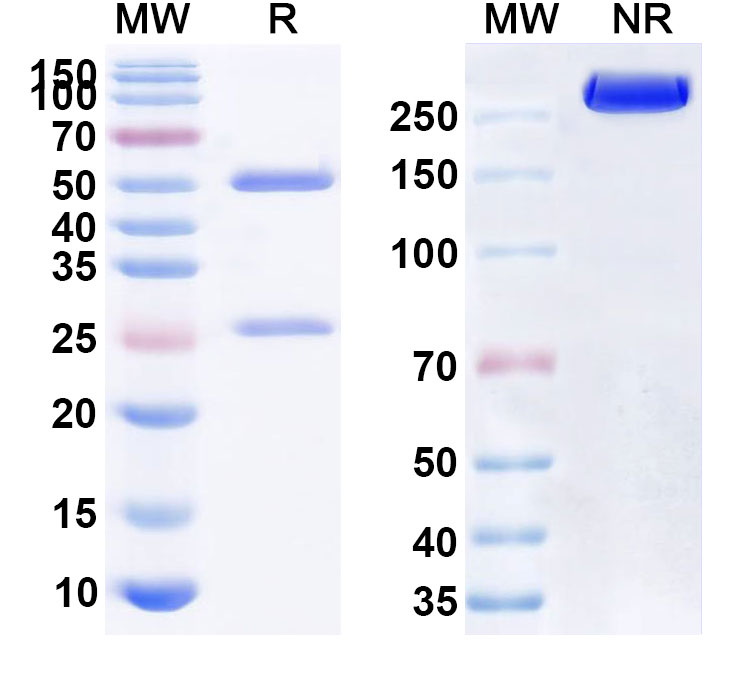
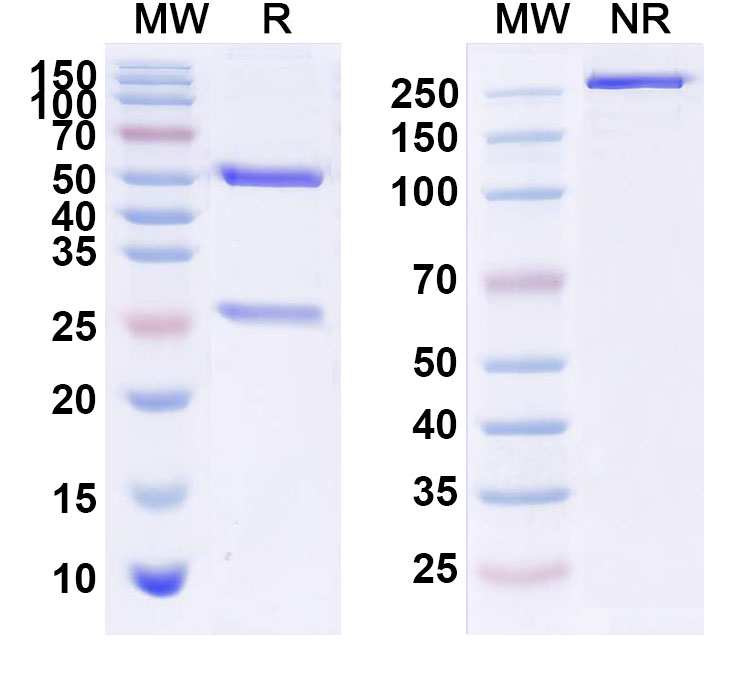
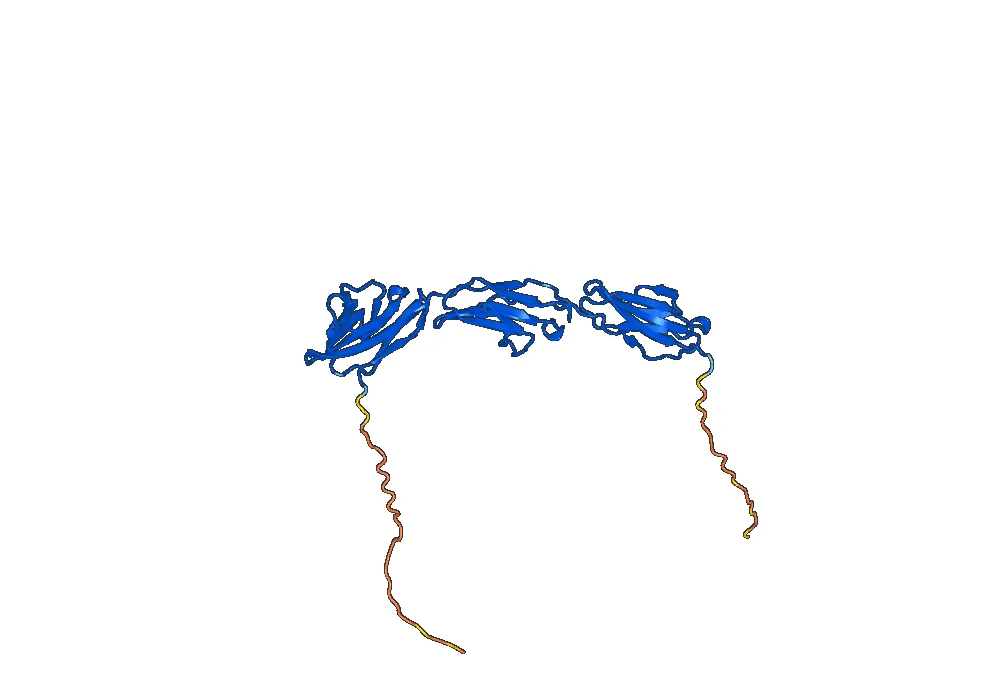
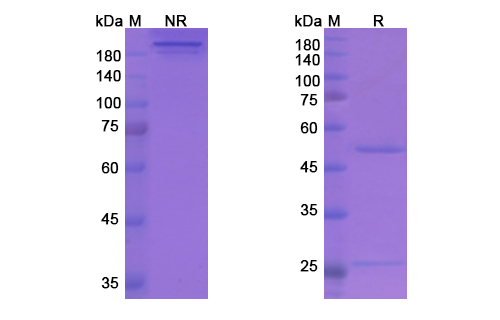
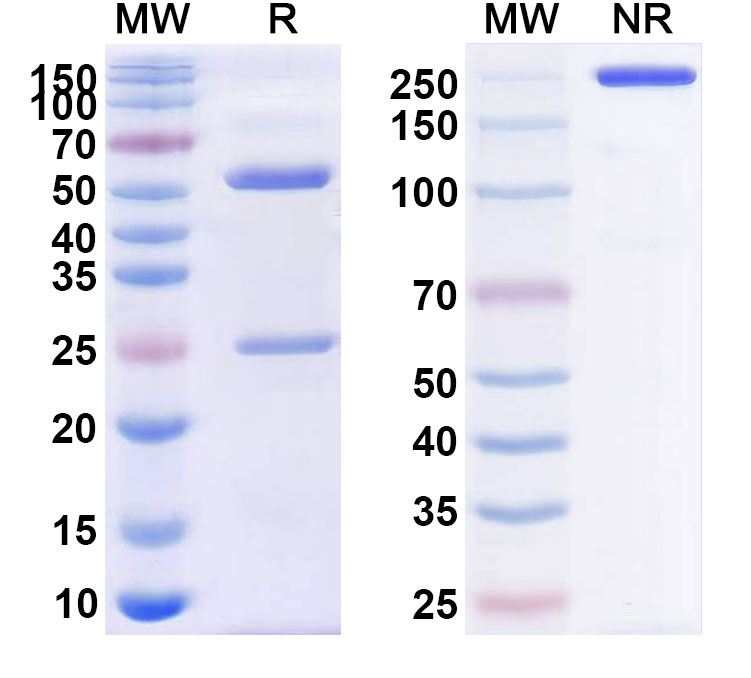
Lemalesomab Biosimilar is a recombinant humanized IgG1 monoclonal antibody, which means it is produced using genetic engineering techniques in a laboratory. It is derived from a mouse mAb, which has been modified to reduce its immunogenicity in humans. The antibody has a molecular weight of approximately 150 kDa and consists of two heavy chains and two light chains. It has a Y-shaped structure with two antigen binding sites at the ends of the arms, allowing it to bind to NCA-90 with high specificity and affinity.
Activity of Lemalesomab Biosimilar
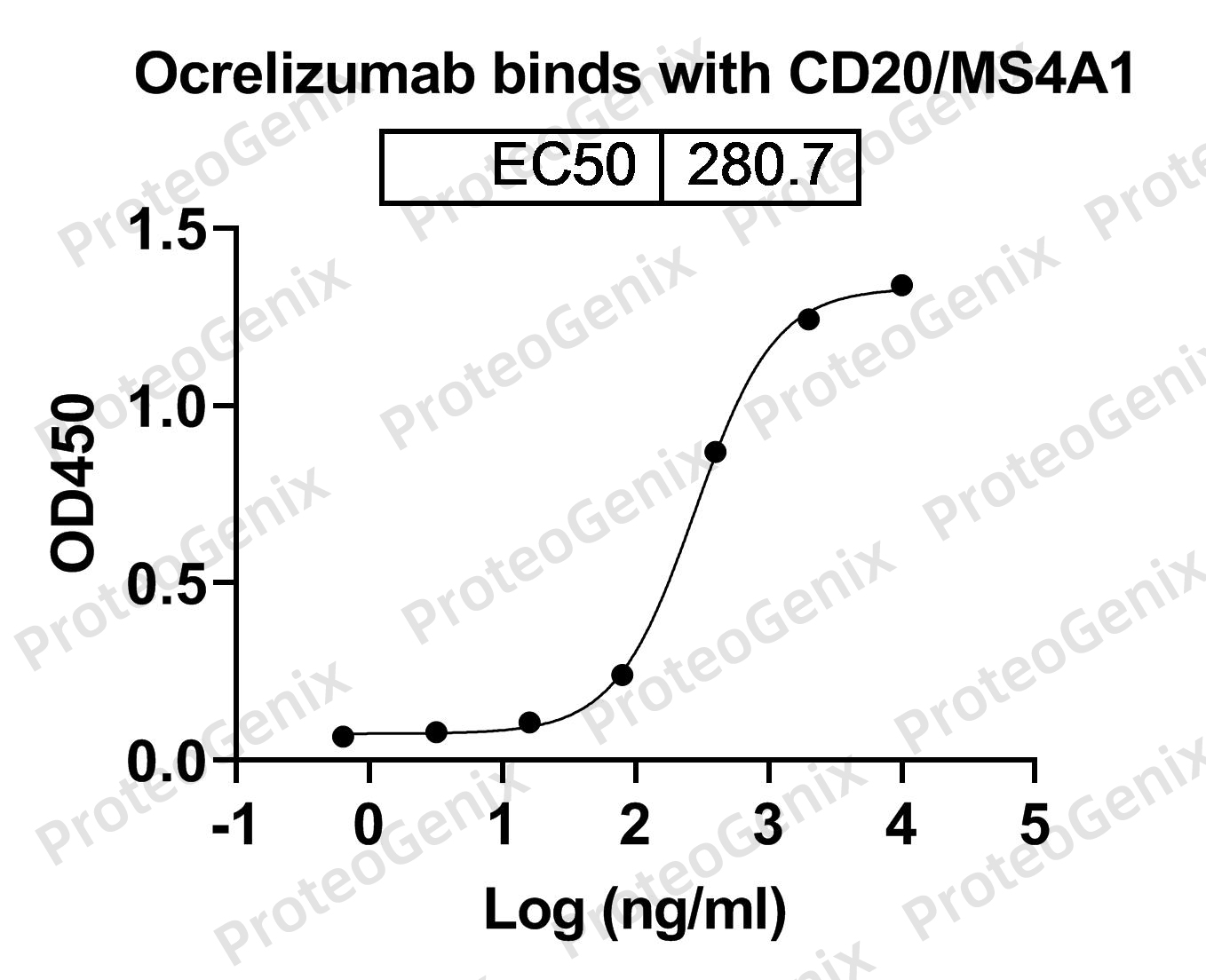
The primary activity of Lemalesomab Biosimilar is its ability to bind to NCA-90, a glycoprotein that is expressed on the surface of certain cells. NCA-90 is involved in cell adhesion and signaling pathways, and its overexpression has been linked to cancer progression and inflammation. By binding to NCA-90, Lemalesomab Biosimilar can block its activity and inhibit the growth and survival of cancer cells. It can also modulate the immune response by targeting inflammatory cells that express NCA-90.
Applications of Lemalesomab Biosimilar
The potential applications of Lemalesomab Biosimilar are vast, thanks to its ability to target NCA-90, which is implicated in various diseases. One of the most promising applications of this biosimilar is in the treatment of cancer. NCA-90 is overexpressed in several types of cancer, including colorectal, breast, and lung cancer. By targeting NCA-90, Lemalesomab Biosimilar can potentially inhibit tumor growth and improve patient outcomes.
In addition to cancer, Lemalesomab Biosimilar may also have applications in inflammatory conditions such as rheumatoid arthritis and inflammatory bowel disease. NCA-90 is involved in the activation of immune cells, and its inhibition by Lemalesomab Biosimilar can help reduce inflammation and alleviate symptoms in these diseases.
Research Grade Lemalesomab Biosimilar
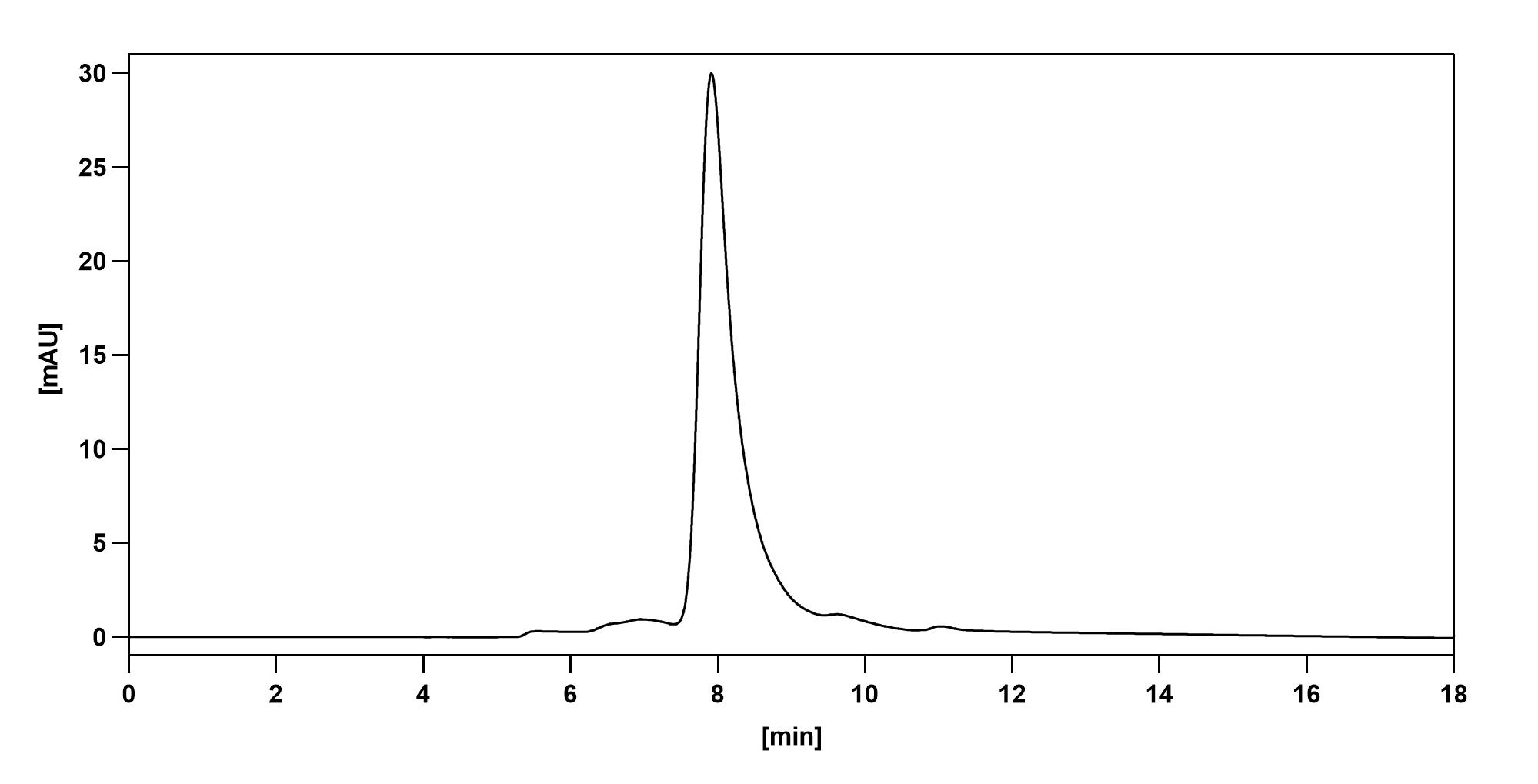
Lemalesomab Biosimilar is currently available as a research grade product, which means it is intended for use in laboratory research and not for clinical use. This allows scientists to study the mechanism of action and potential therapeutic applications of this biosimilar in various disease models. Research grade Lemalesomab Biosimilar is produced under strict quality control measures to ensure its purity and activity, making it a valuable tool for scientific research.
Conclusion
In conclusion, Lemalesomab Biosimilar is a promising therapeutic agent that targets NCA-90, a cell surface glycoprotein implicated in cancer and inflammatory conditions. Its unique structure and mechanism of action make it a potential candidate for targeted therapy in various diseases. As research on this biosimilar continues, we can expect to see more applications and potential clinical use in the future.

There are no reviews yet.