Introduction
Gilvetmab Biosimilar is a monoclonal antibody (mAb) that targets programmed cell death protein 1 (PD-1), also known as CD279. This novel biosimilar is designed to mimic the structure and function of the original anti-PD-1 mAb, making it a promising therapeutic option for various diseases. In this article, we will provide a scientific description of Gilvetmab Biosimilar, including its structure, activity, and potential applications.
Structure of Gilvetmab Biosimilar
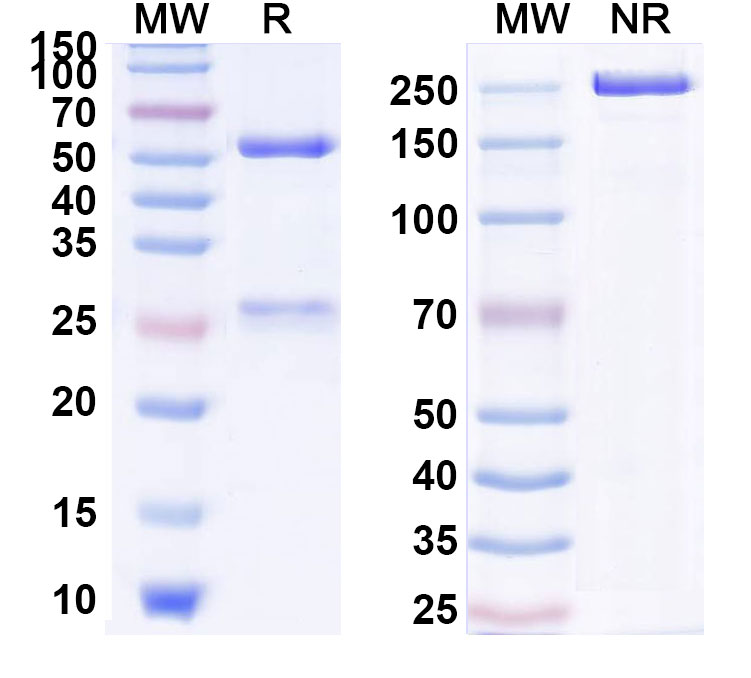
Gilvetmab Biosimilar is a recombinant humanized IgG4 monoclonal antibody. It is composed of two heavy chains and two light chains, with a molecular weight of approximately 150 kDa. The antibody has a unique amino acid sequence that specifically targets PD-1, a cell surface receptor expressed on activated T cells and B cells.
Activity of Gilvetmab Biosimilar
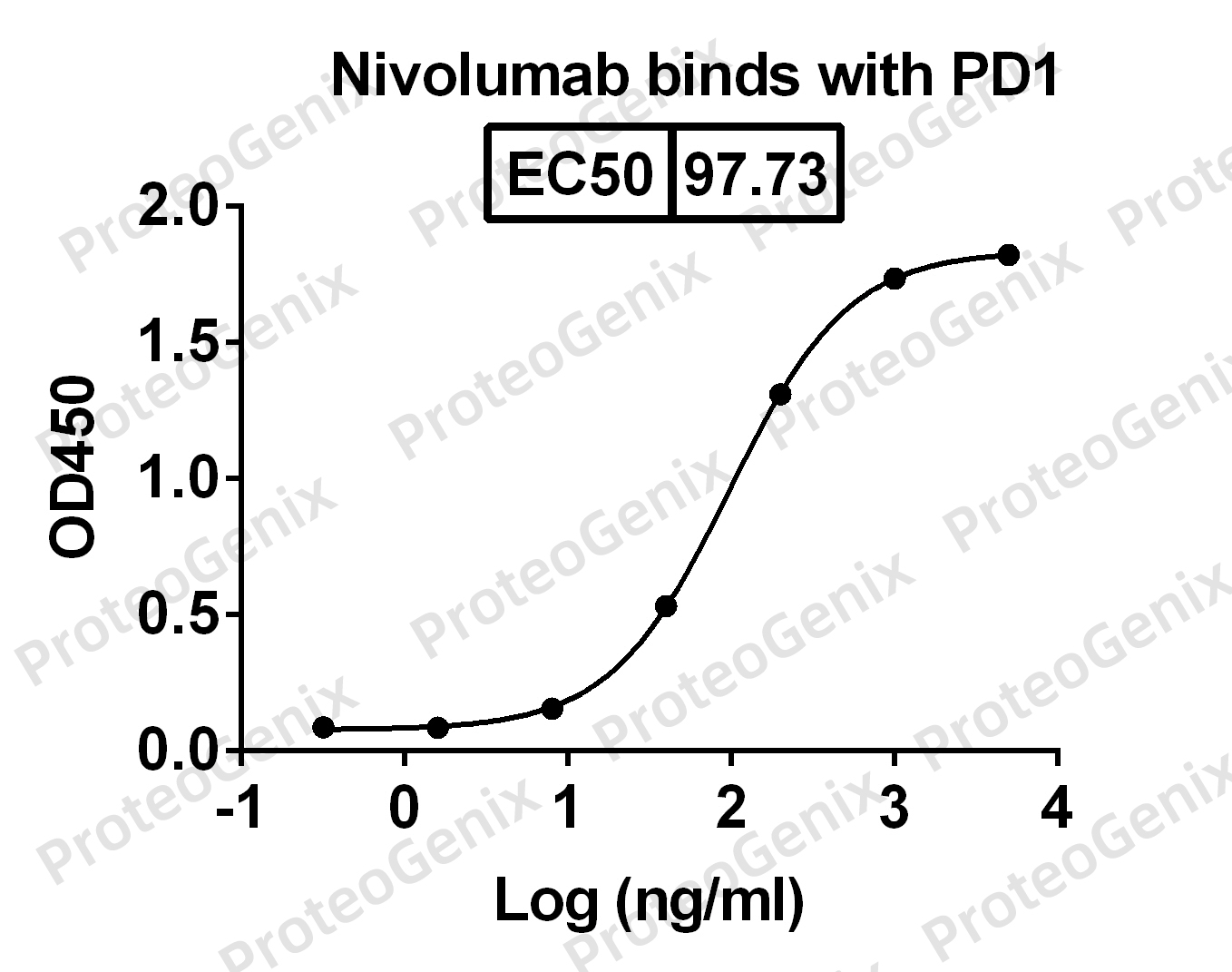
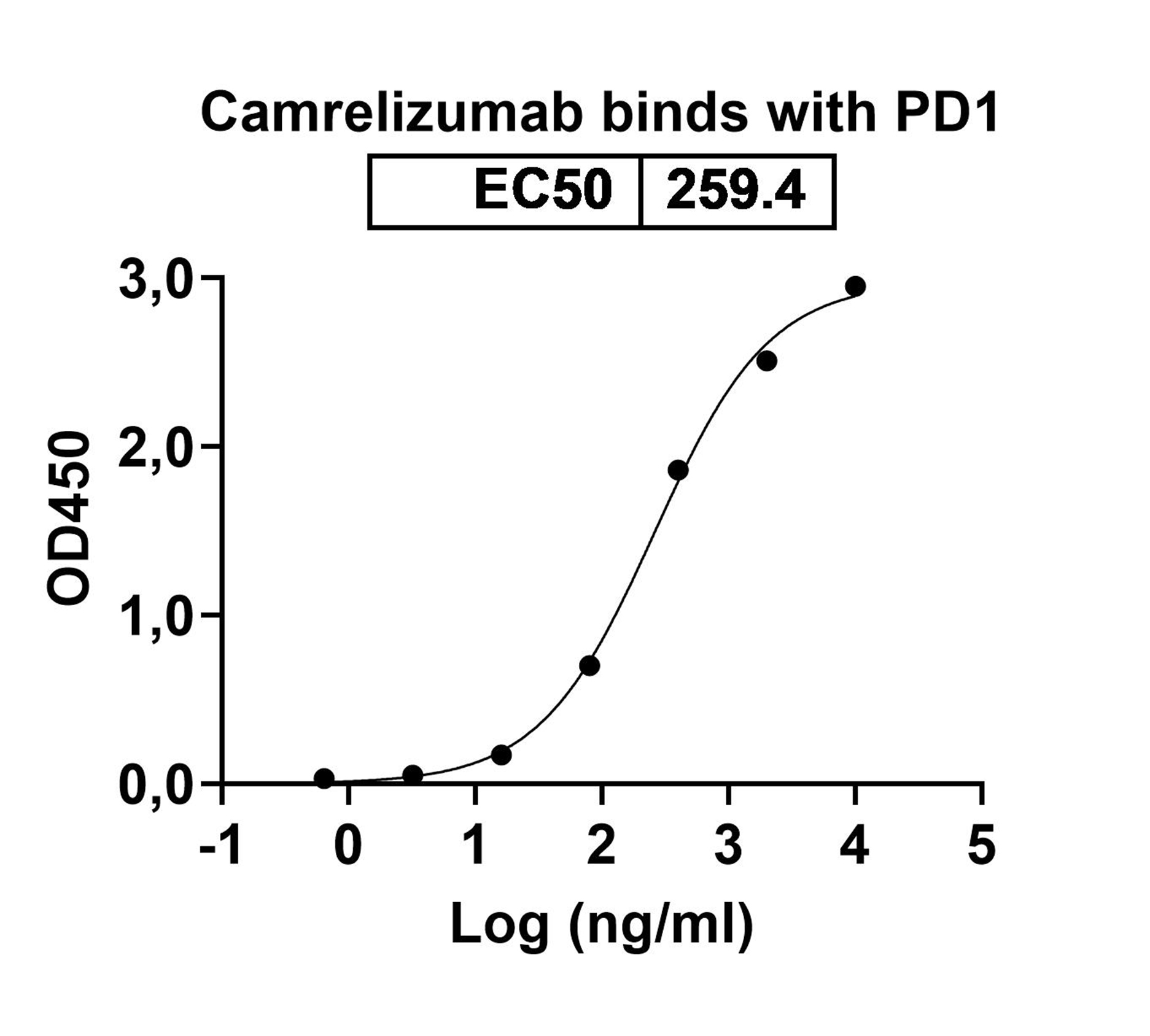
Gilvetmab Biosimilar binds to PD-1 with high affinity, blocking its interaction with its ligands, PD-L1 and PD-L2. This leads to the inhibition of the PD-1 pathway, resulting in the activation of T cells and enhancement of their anti-tumor activity. The antibody also promotes the proliferation and survival of T cells, as well as the production of cytokines, such as interferon-gamma, which further enhances the immune response against cancer cells.
Applications of Gilvetmab Biosimilar
Gilvetmab Biosimilar has shown promising results in preclinical and clinical studies for the treatment of various cancers, including melanoma, non-small cell lung cancer, and renal cell carcinoma. It has also been investigated for its potential in treating autoimmune diseases, such as rheumatoid arthritis and multiple sclerosis.
In cancer treatment, Gilvetmab Biosimilar is primarily used as a monotherapy or in combination with other anti- cancer therapies, such as chemotherapy and targeted therapies. It has shown significant efficacy in patients with advanced or metastatic tumors, especially in those with high PD-L1 expression. The antibody has also demonstrated a favorable safety profile, with minimal side effects reported.
In autoimmune diseases, Gilvetmab Biosimilar has shown promising results in reducing disease activity and improving symptoms in patients who have failed to respond to conventional therapies. Its mechanism of action in these diseases is through the inhibition of the PD-1 pathway, which plays a crucial role in regulating the immune response.
Conclusion
In summary, Gilvetmab Biosimilar is a novel monoclonal antibody that targets PD-1 and has shown promising results in preclinical and clinical studies for the treatment of cancer and autoimmune diseases. Its unique structure and mechanism of action make it a potential therapeutic option for a wide range of diseases. Further research and clinical trials are needed to fully understand the potential of this biosimilar and its role in improving patient outcomes.


There are no reviews yet.