Introduction
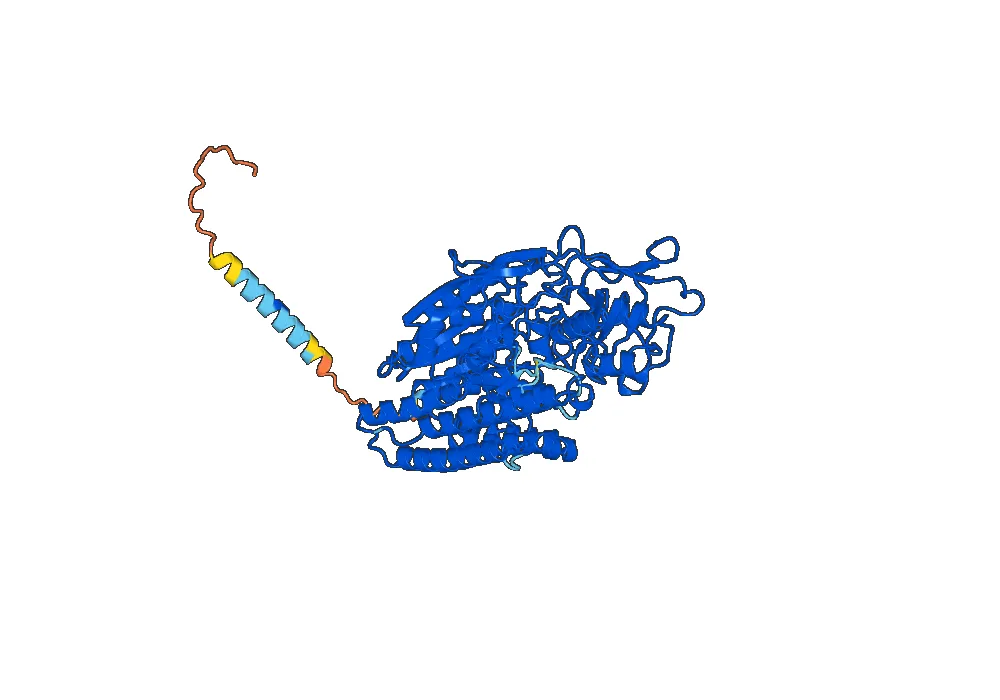
Huj591-Gsmab Biosimilar, also known as Anti-FOLH1, PSMA mAb, is a research grade antibody that has shown promising results in targeting and treating prostate cancer. This biosimilar is a monoclonal antibody, meaning it is produced from a single clone of immune cells and specifically targets a protein called folate hydrolase 1 (FOLH1) or prostate-specific membrane antigen (PSMA). In this article, we will discuss the structure, activity, and potential applications of Huj591-Gsmab Biosimilar in the field of cancer research.
Structure of Huj591-Gsmab Biosimilar
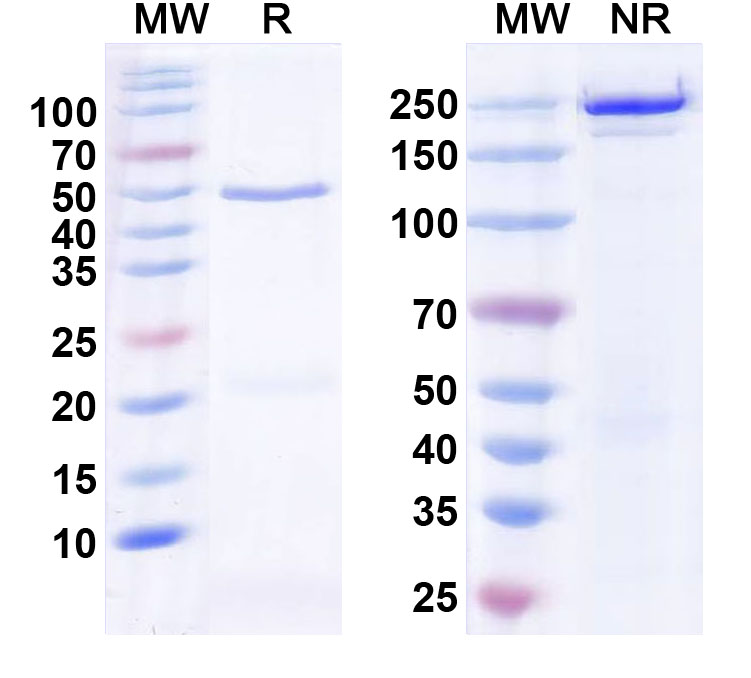
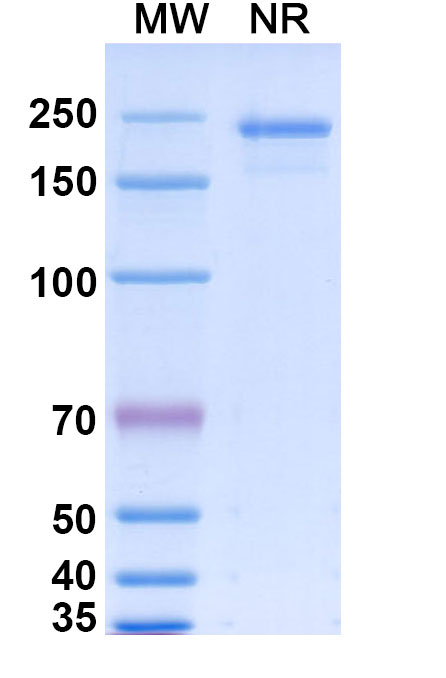
Huj591-Gsmab Biosimilar is a fully humanized monoclonal antibody, meaning it is derived from human genetic material and has a high affinity for its target. It belongs to the IgG1 subclass of antibodies, which is the most abundant in the human body and is known for its long half-life and ability to activate the immune system. The antibody has a molecular weight of approximately 150 kDa and consists of two heavy chains and two light chains, connected by disulfide bonds. The variable regions of the antibody, which determine its specificity for FOLH1/PSMA, are located at the tips of the heavy and light chains.
Activity of Huj591-Gsmab Biosimilar
The main function of Huj591-Gsmab Biosimilar is to bind to FOLH1/PSMA, a protein that is overexpressed in prostate cancer cells. This binding can occur in two ways – either by directly blocking the activity of FOLH1/PSMA or by delivering a toxic payload to the cancer cells. In the first mechanism, the antibody blocks the enzymatic activity of FOLH1/PSMA, which is responsible for the uptake of folate and other nutrients by cancer cells. This leads to a decrease in cell proliferation and survival. In the second mechanism, the antibody is conjugated to a cytotoxic drug or radioactive molecule, which is then delivered specifically to the cancer cells, resulting in their death.
Potential Applications of Huj591-Gsmab Biosimilar
As a research grade antibody, Huj591-Gsmab Biosimilar has shown promising results in preclinical studies for the treatment of prostate cancer. It has been found to be highly specific for FOLH1/PSMA, with minimal off-target effects. Additionally, its long half-life and ability to activate the immune system make it an attractive candidate for therapeutic use. Some potential applications of this biosimilar include:
- Targeted therapy for prostate cancer: Huj591-Gsmab Biosimilar has the potential to be used as a targeted therapy for prostate cancer, either as a monotherapy or in combination with other treatments. Its ability to specifically target cancer cells while sparing healthy cells can lead to better treatment outcomes and fewer side effects.
- Imaging agent for prostate cancer: The high specificity of Huj591-Gsmab Biosimilar for FOLH1/PSMA also makes it a promising imaging agent for prostate cancer. When labeled with a radioactive molecule, the antibody can be used for positron emission tomography (PET) imaging to detect and monitor the progression of prostate cancer.
- Research tool for studying FOLH1/PSMA: Huj591-Gsmab Biosimilar can also be used as a research tool for studying the role of FOLH1/PSMA in prostate cancer. Its high specificity and affinity for this protein make it a valuable tool for understanding the underlying mechanisms of the disease and developing new treatments.
Conclusion
Huj591-Gsmab Biosimilar is a promising research grade antibody that specifically targets FOLH1/PSMA, a protein that is overexpressed in prostate cancer cells. Its fully human

There are no reviews yet.