Introduction
The Human CD16a/FCGR3A HEK293T Stable Cell Line is a valuable tool for studying the structure, activity and application of the CD16a/FCGR3A receptor in various cellular processes. This cell line is derived from the HEK293T cell line, which is a human embryonic kidney cell line that has been widely used in research due to its high transfection efficiency and stable growth characteristics. The stable expression of CD16a/FCGR3A in this cell line allows for the investigation of the receptor’s role in immune responses and its potential as a therapeutic target.
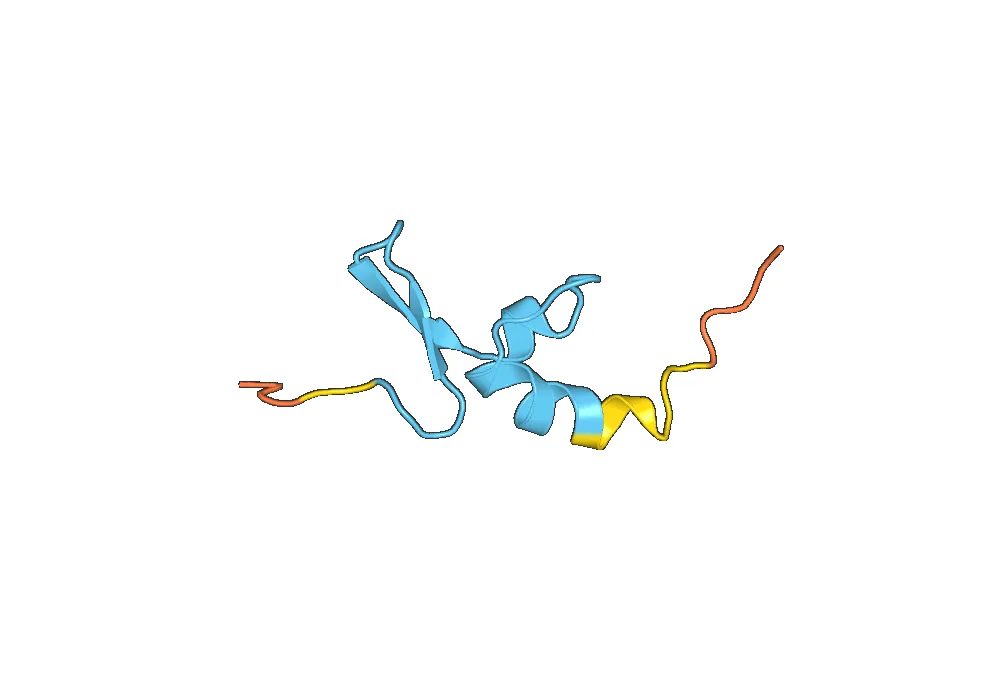
Structure of CD16a/FCGR3A
CD16a/FCGR3A is a type I transmembrane protein that belongs to the immunoglobulin superfamily. It is expressed primarily on the surface of natural killer (NK) cells, macrophages, and neutrophils, and plays a crucial role in the recognition and elimination of target cells through antibody-dependent cell-mediated cytotoxicity (ADCC). The receptor consists of two extracellular immunoglobulin-like domains, a transmembrane domain, and a short cytoplasmic tail. The extracellular domains are responsible for binding to the Fc portion of immunoglobulin G (IgG) antibodies, while the cytoplasmic tail contains signaling motifs that mediate downstream signaling events.
Activity of CD16a/FCGR3A
The primary function of CD16a/FCGR3A is to bind to the Fc portion of IgG antibodies and trigger ADCC. This process involves the recognition of target cells that are coated with IgG antibodies by the CD16a/FCGR3A receptor on effector cells. This binding leads to the activation of effector cells, which then release cytotoxic granules containing perforin and granzymes, causing the death of the target cell. In addition to ADCC, CD16a/FCGR3A has also been implicated in other cellular processes such as phagocytosis, cytokine production, and antibody-dependent cellular phagocytosis.
Application of CD16a/FCGR3A HEK293T Stable Cell Line
The CD16a/FCGR3A HEK293T Stable Cell Line has a wide range of applications in the field of immunology and cancer research. One of its primary uses is in the study of ADCC and its role in cancer immunotherapy. The stable expression of CD16a/FCGR3A in this cell line allows for the investigation of the receptor’s function in ADCC, as well as the screening of potential therapeutic antibodies that can enhance this process.
In addition, this cell line can also be used to study the signaling pathways activated by CD16a/FCGR3A, as well as its interactions with other immune receptors. This can provide valuable insights into the mechanisms underlying immune responses and help identify potential targets for immunomodulatory therapies.
Furthermore, the CD16a/FCGR3A HEK293T Stable Cell Line can be used in flow cytometry experiments to analyze the expression of the receptor on the surface of different immune cell populations. This can aid in the characterization of immune cell subsets and their functional properties.
Conclusion
The Human CD16a/FCGR3A HEK293T Stable Cell Line is a valuable tool for studying the structure, activity, and application of the CD16a/FCGR3A receptor. Its stable expression in this cell line allows for the investigation of the receptor’s role in immune responses and its potential as a therapeutic target. With its wide range of applications, this cell line is an essential resource for researchers in the fields of immunology and cancer research.


There are no reviews yet.