Introduction
Human CD66c, also known as carcinoembryonic antigen-related cell adhesion molecule 6 (CEACAM6), is a glycoprotein that belongs to the carcinoembryonic antigen (CEA) family. It is expressed on the surface of epithelial cells and plays a role in cell adhesion and signaling. The overexpression of CD66c has been associated with various types of cancer, making it a potential therapeutic target. In this article, we will discuss the structure, activity, and application of the Human CD66c/CEACAM6 HEK293T Stable Cell Line.
Structure of Human CD66c/CEACAM6
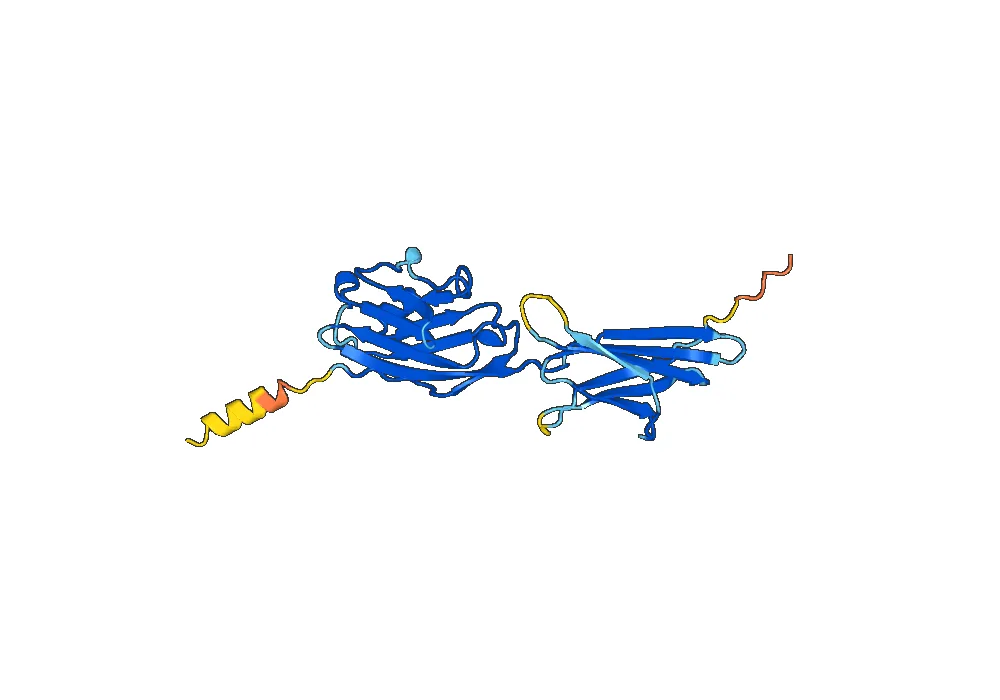
The Human CD66c/CEACAM6 protein is encoded by the CEACAM6 gene located on chromosome 19. It is a transmembrane protein with a molecular weight of approximately 80 kDa. The protein consists of an extracellular domain, a transmembrane domain, and a cytoplasmic domain. The extracellular domain contains multiple immunoglobulin-like domains, which are responsible for cell adhesion and signaling. The cytoplasmic domain contains tyrosine residues that can be phosphorylated and play a role in downstream signaling pathways.
Activity of Human CD66c/CEACAM6
Human CD66c/CEACAM6 is a cell adhesion molecule that mediates homotypic and heterotypic interactions between cells. It is involved in various cellular processes, including cell adhesion, migration, proliferation, and differentiation. The overexpression of CD66c has been linked to increased cell proliferation and invasion in cancer cells. It has also been shown to promote angiogenesis, which is essential for tumor growth and metastasis.
Apart from its role in cell adhesion, CD66c also plays a role in immune regulation. It is expressed on the surface of immune cells, including neutrophils, monocytes, and natural killer cells. CD66c has been shown to regulate the activation and function of these immune cells, making it an important player in the immune response.
Application of Human CD66c/CEACAM6 HEK293T Stable Cell Line
The Human CD66c/CEACAM6 HEK293T Stable Cell Line is a cell line that has been genetically modified to stably express CD66c. This cell line can be used for various applications, including flow cytometry and drug discovery.
Flow cytometry is a technique used to analyze and sort cells based on their physical and chemical properties. The Human CD66c/CEACAM6 HEK293T Stable Cell Line can be used in flow cytometry experiments to study the expression and function of CD66c on the surface of cells. This can help in understanding the role of CD66c in different cellular processes and disease states.
The overexpression of CD66c in various types of cancer makes it a potential therapeutic target. The Human CD66c/CEACAM6 HEK293T Stable Cell Line can be used in drug discovery to screen for potential drugs that can target and inhibit CD66c. This can lead to the development of new treatments for cancer.
In addition to drug discovery, the Human CD66c/CEACAM6 HEK293T Stable Cell Line can also be used in the development of immunotherapies. By understanding the role of CD66c in immune regulation, this cell line can be used to study the effects of targeting CD66c on immune cells. This can help in the development of new immunotherapies that can modulate the immune response in cancer and other diseases.
Conclusion
In conclusion, the Human CD66c/CEACAM6 HEK293T Stable Cell Line is a valuable tool for studying the structure, activity, and application of CD66c. Its use in flow cytometry and drug discovery can provide insights into the role of CD66c in different cellular processes and disease states.

There are no reviews yet.