Introduction
Human FOLR1 HEK293T Stable Cell Line is a valuable tool for studying the structure, activity and application of the human Folate Receptor 1 (FOLR1) protein. This stable cell line is derived from HEK293T cells, which are commonly used in research due to their high transfection efficiency and ability to express high levels of recombinant proteins. The FOLR1 protein is a membrane-bound receptor that plays a critical role in folate uptake and metabolism, making it an important therapeutic target for various diseases. In this article, we will discuss the structure, activity and application of Human FOLR1 HEK293T Stable Cell Line.
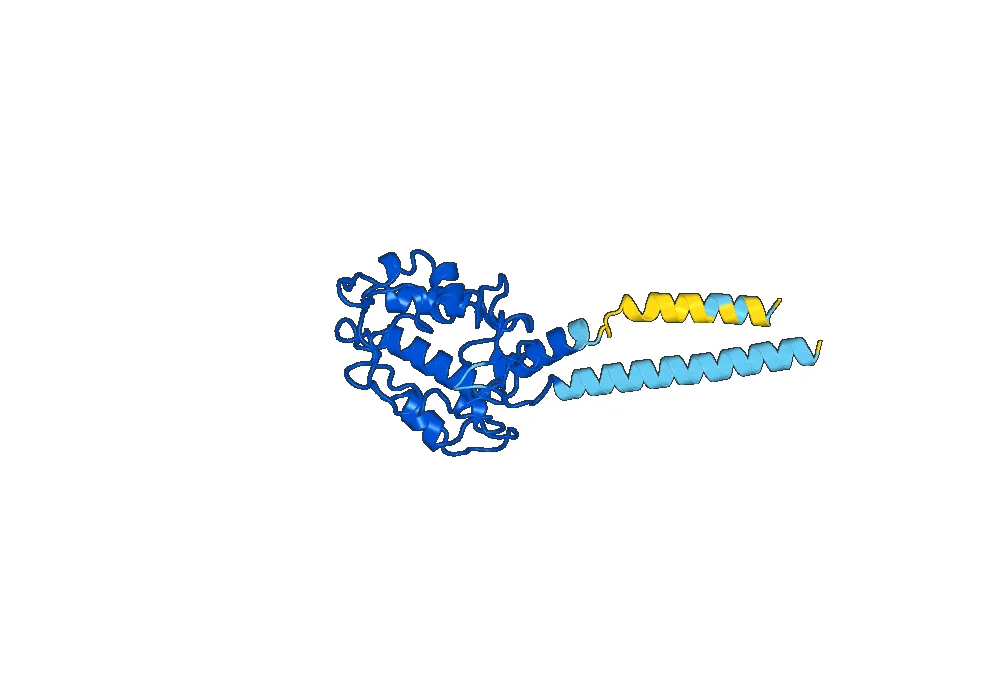
Structure of FOLR1 Protein
The FOLR1 protein is composed of 234 amino acids and has a molecular weight of approximately 26 kDa. It is a type I transmembrane protein, with an extracellular region containing a folate binding domain and a cytoplasmic tail. The folate binding domain is responsible for the high affinity binding of FOLR1 to folate, a vitamin essential for cell growth and division. The cytoplasmic tail of FOLR1 contains several tyrosine residues that can be phosphorylated, allowing for the activation of downstream signaling pathways.
Activity of FOLR1 Protein
FOLR1 is primarily expressed on the surface of epithelial cells, particularly in the lungs, kidneys, and placenta. It is also highly expressed in cancer cells, where it plays a crucial role in tumor growth and survival. FOLR1 is responsible for the internalization of folate into cells through receptor-mediated endocytosis. Once inside the cell, folate is metabolized and utilized for DNA synthesis and repair, making it essential for cell proliferation.
In addition to its role in folate uptake, FOLR1 has been shown to have other functions as well. It can act as a co-receptor for certain growth factors, such as epidermal growth factor (EGF), and can modulate the activity of these signaling pathways. FOLR1 has also been implicated in the regulation of immune responses, as it can interact with immune cells and modulate their activity.
Application of Human FOLR1 HEK293T Stable Cell Line
The Human FOLR1 HEK293T Stable Cell Line is a valuable tool for studying the structure and function of FOLR1. This cell line can be used to express recombinant FOLR1 protein, allowing for the study of its binding properties and downstream signaling pathways. It can also be used to investigate the role of FOLR1 in folate uptake and metabolism, as well as its involvement in other cellular processes.
One of the major applications of this stable cell line is in drug discovery and development. FOLR1 is an attractive therapeutic target for various diseases, including cancer and autoimmune disorders. The Human FOLR1 HEK293T Stable Cell Line can be used to screen potential drug candidates and evaluate their efficacy in targeting FOLR1. This can aid in the development of novel therapies for diseases where FOLR1 is implicated.
Another important application of this cell line is in flow cytometry. Flow cytometry is a powerful technique that allows for the analysis of individual cells based on their physical and chemical properties. The Human FOLR1 HEK293T Stable Cell Line can be used in flow cytometry experiments to study the expression and localization of FOLR1 on the surface of cells. This can provide valuable insights into the role of FOLR1 in various cellular processes and diseases.
Conclusion
In summary, Human FOLR1 HEK293T Stable Cell Line is a valuable tool for studying the structure, activity and application of FOLR1 protein. Its high expression of FOLR1 makes it an ideal model for investigating the role of this protein in various cellular processes and diseases.

There are no reviews yet.