Introduction to Imsidolimab Biosimilar – A Promising Anti-IL36R mAb for Research Use Imsidolimab Biosimilar, also known as Anti-IL36R mAb, is a novel monoclonal antibody that has shown great potential as a therapeutic agent. It is a biosimilar version of the FDA-approved drug, Imsidolimab, and is currently being developed for research purposes. In this article, we will explore the structure, activity, and potential applications of Imsidolimab Biosimilar, highlighting its role as an important tool for studying the IL36R signaling pathway.
Structure of Imsidolimab Biosimilar
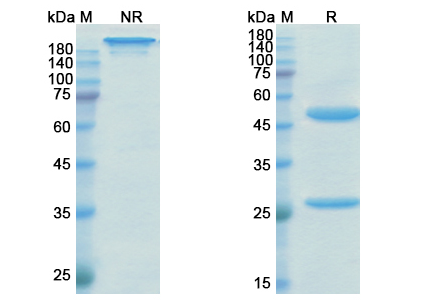
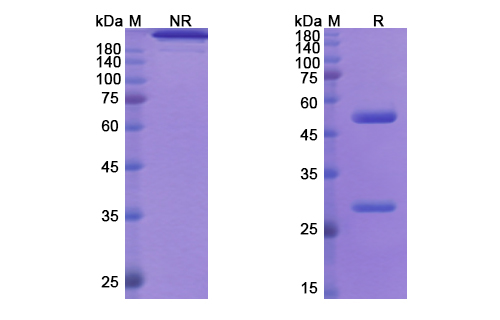
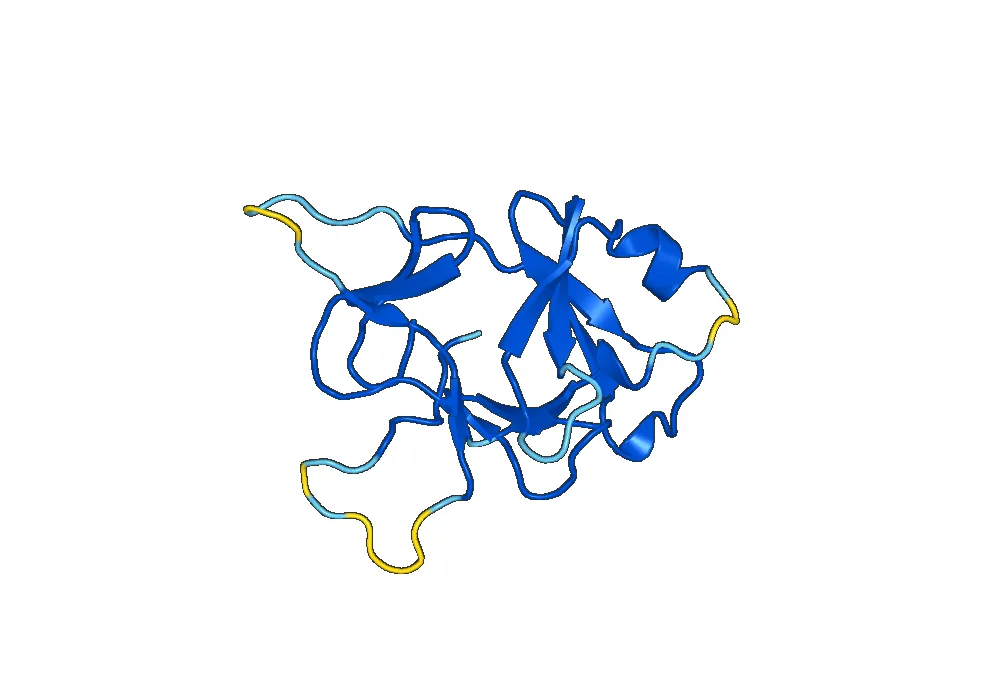
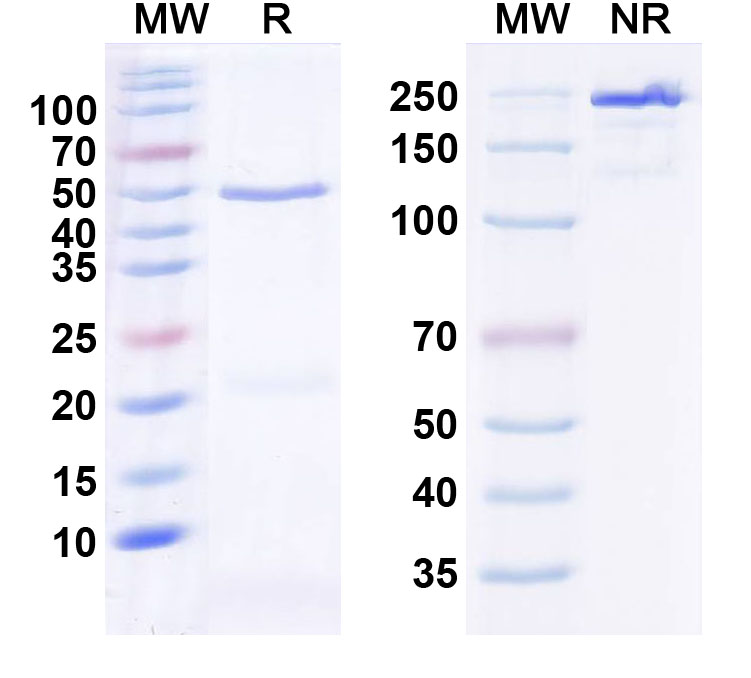
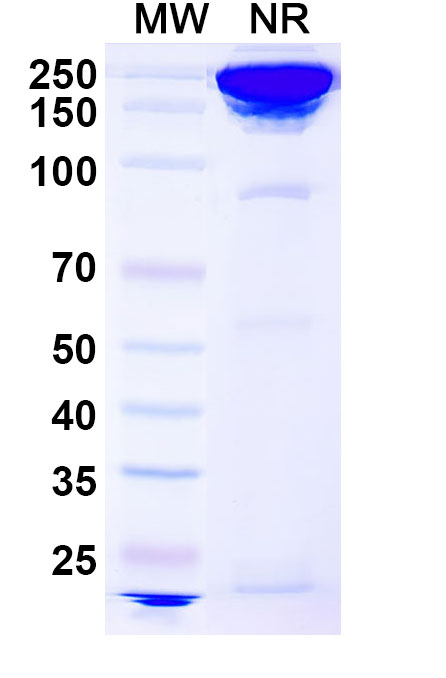
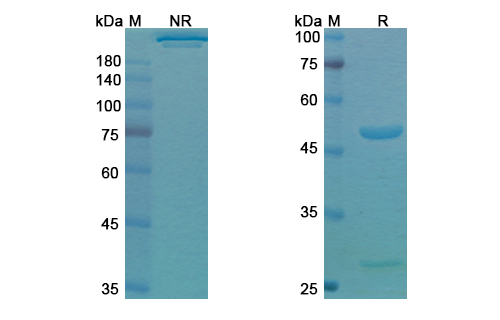
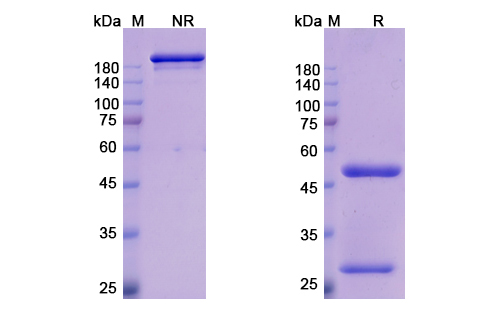
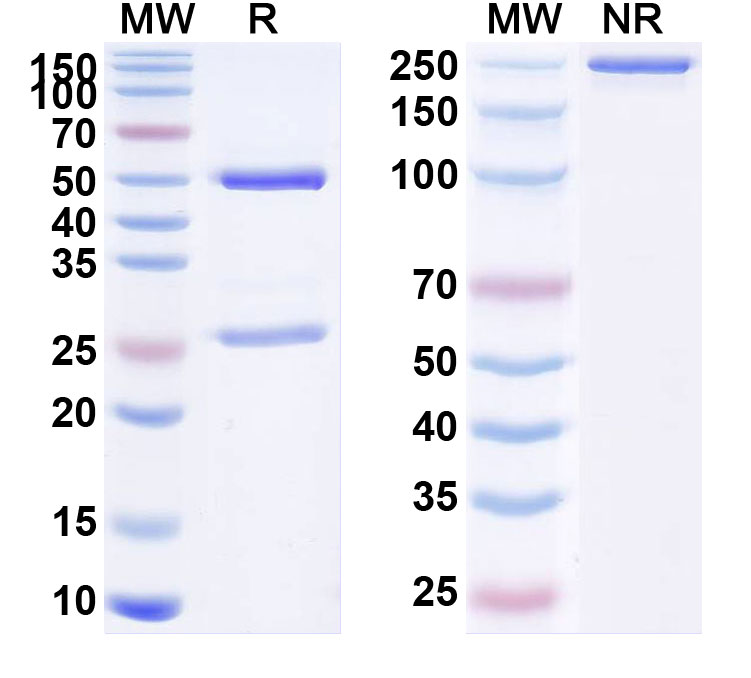
Imsidolimab Biosimilar is a recombinant humanized monoclonal antibody that specifically targets the IL36R receptor. It is composed of two heavy chains and two light chains, each containing variable and constant regions. The variable regions of the antibody are responsible for binding to the IL36R receptor, while the constant regions provide stability and effector functions.
Activity of Imsidolimab Biosimilar
The IL36R receptor is a member of the interleukin-1 receptor family and is involved in the activation of pro-inflammatory cytokines. It is predominantly expressed on the surface of immune cells, such as dendritic cells, macrophages, and T cells. Upon binding to its ligands, IL36R triggers a signaling cascade that leads to the production of pro-inflammatory cytokines, such as IL-1β, IL-6, and TNF-α.
Imsidolimab Biosimilar works by binding to the IL36R receptor and blocking its interaction with its ligands. This prevents the activation of the pro-inflammatory signaling pathway, thereby reducing the production of inflammatory cytokines. This mechanism of action makes Imsidolimab Biosimilar a potential therapeutic agent for various inflammatory diseases, such as psoriasis, rheumatoid arthritis, and inflammatory bowel disease.
Applications of Imsidolimab Biosimilar
As a biosimilar version of Imsidolimab, this antibody is primarily being developed for research use. It can be used as a tool to study the IL36R signaling pathway and its role in various inflammatory diseases. By blocking the interaction between IL36R and its ligands, Imsidolimab Biosimilar can help researchers better understand the downstream effects of this signaling pathway and identify potential therapeutic targets.
Moreover, Imsidolimab Biosimilar can also be used in preclinical studies to evaluate its efficacy and safety in various disease models. This will provide valuable insights into its potential as a therapeutic agent for inflammatory diseases. Additionally, Imsidolimab Biosimilar can be used as a positive control in experiments involving the IL36R receptor, ensuring reliable and reproducible results.
Conclusion
In conclusion, Imsidolimab Biosimilar is a promising anti-IL36R monoclonal antibody that has shown great potential as a research tool. Its unique mechanism of action, targeting the IL36R signaling pathway, makes it a valuable tool for studying inflammatory diseases. As a biosimilar version of the FDA-approved drug, Imsidolimab, it is expected to have similar efficacy and safety profiles, making it a reliable and cost-effective option for research use. With ongoing research and development, Imsidolimab Biosimilar holds promise for future therapeutic applications in the treatment of inflammatory diseases.

There are no reviews yet.