Introduction
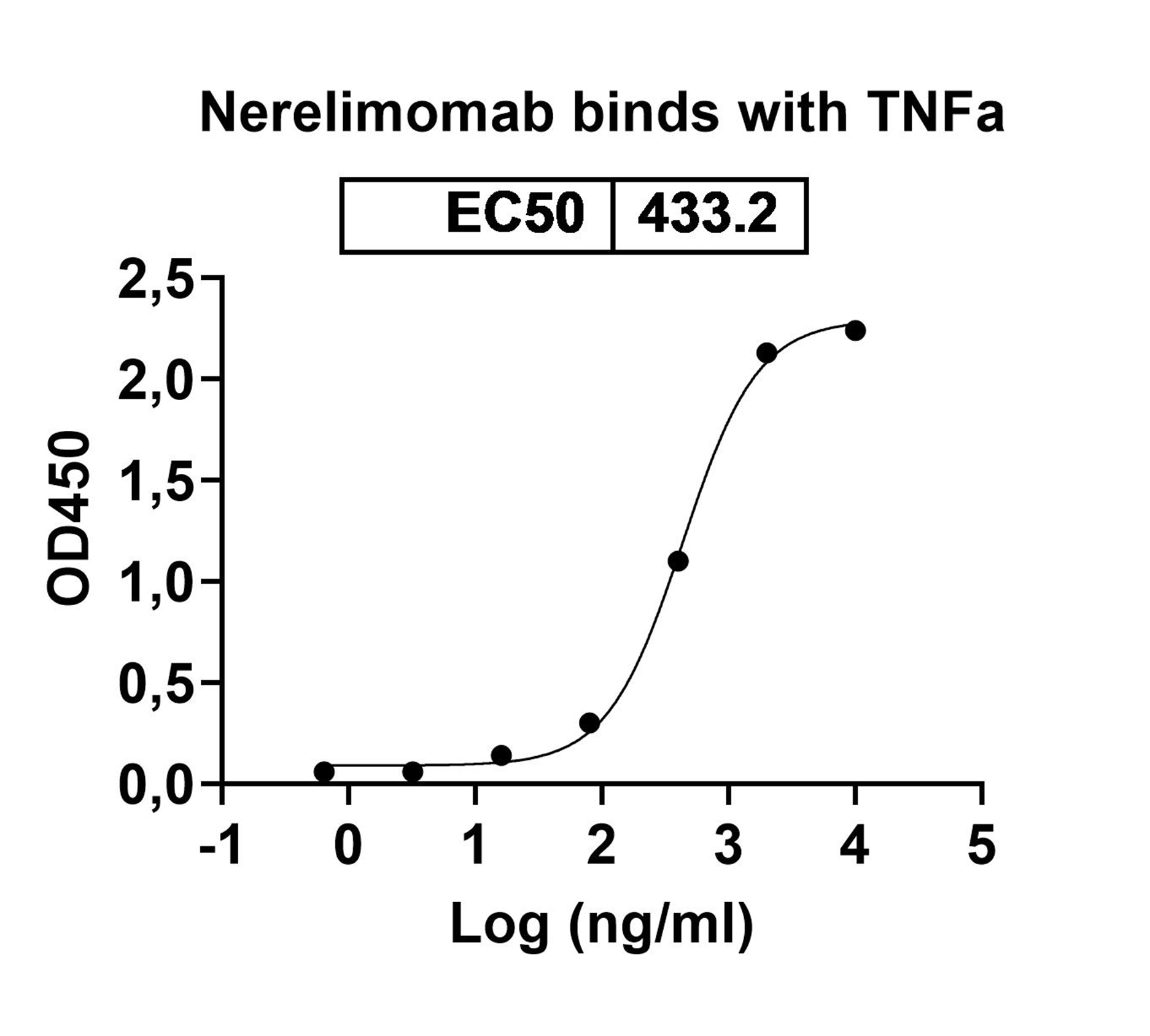
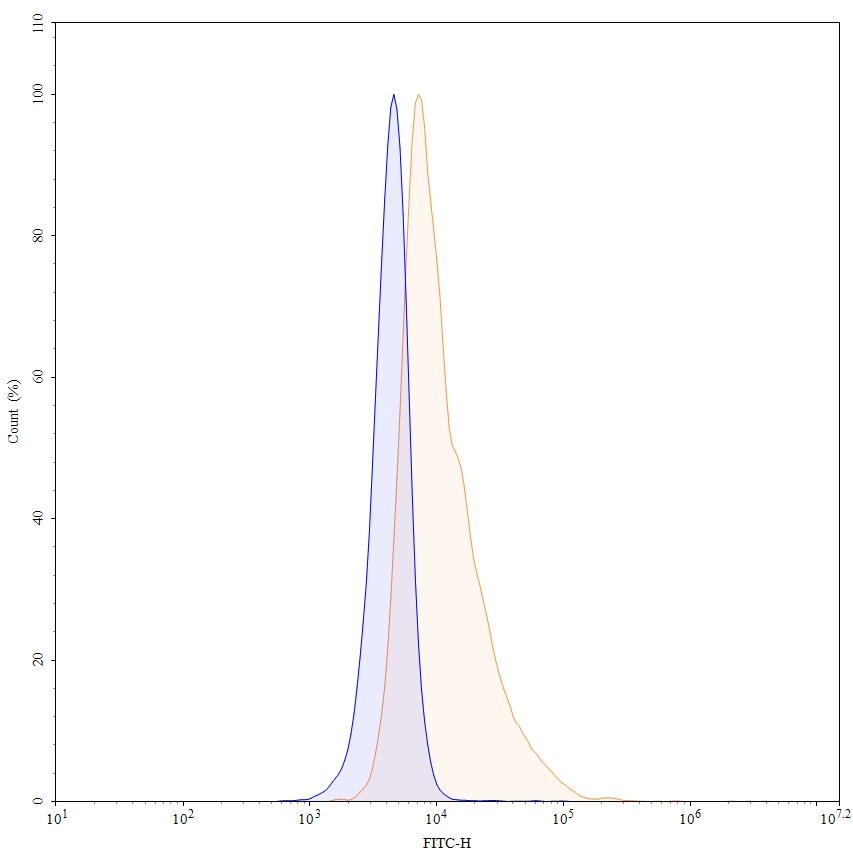
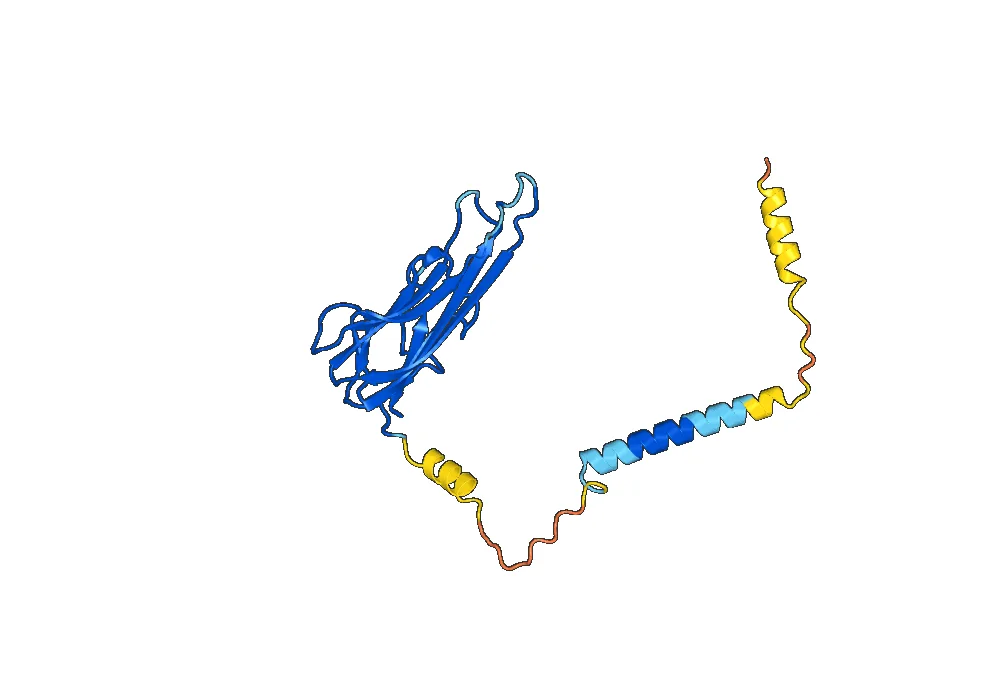
Nerelimomab Biosimilar, also known as Anti-TNFSF2, TNF-alpha, TNFA mAb – Research Grade, is a novel monoclonal antibody that targets the tumor necrosis factor superfamily member 2 (TNFSF2), also known as TNF-alpha. This biosimilar is a promising therapeutic option for various inflammatory and autoimmune diseases, as well as certain types of cancer. In this article, we will discuss the structure, activity and potential applications of Nerelimomab Biosimilar in detail.
Structure of Nerelimomab Biosimilar
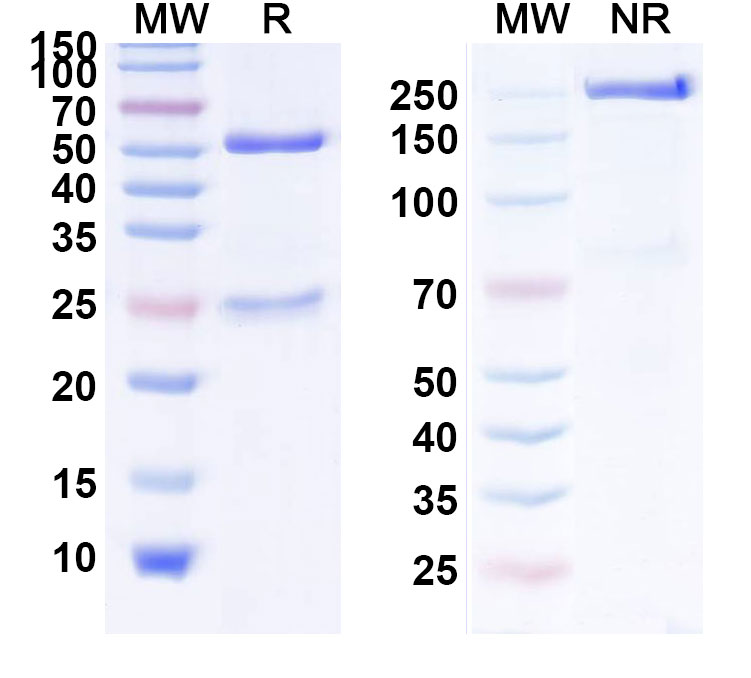
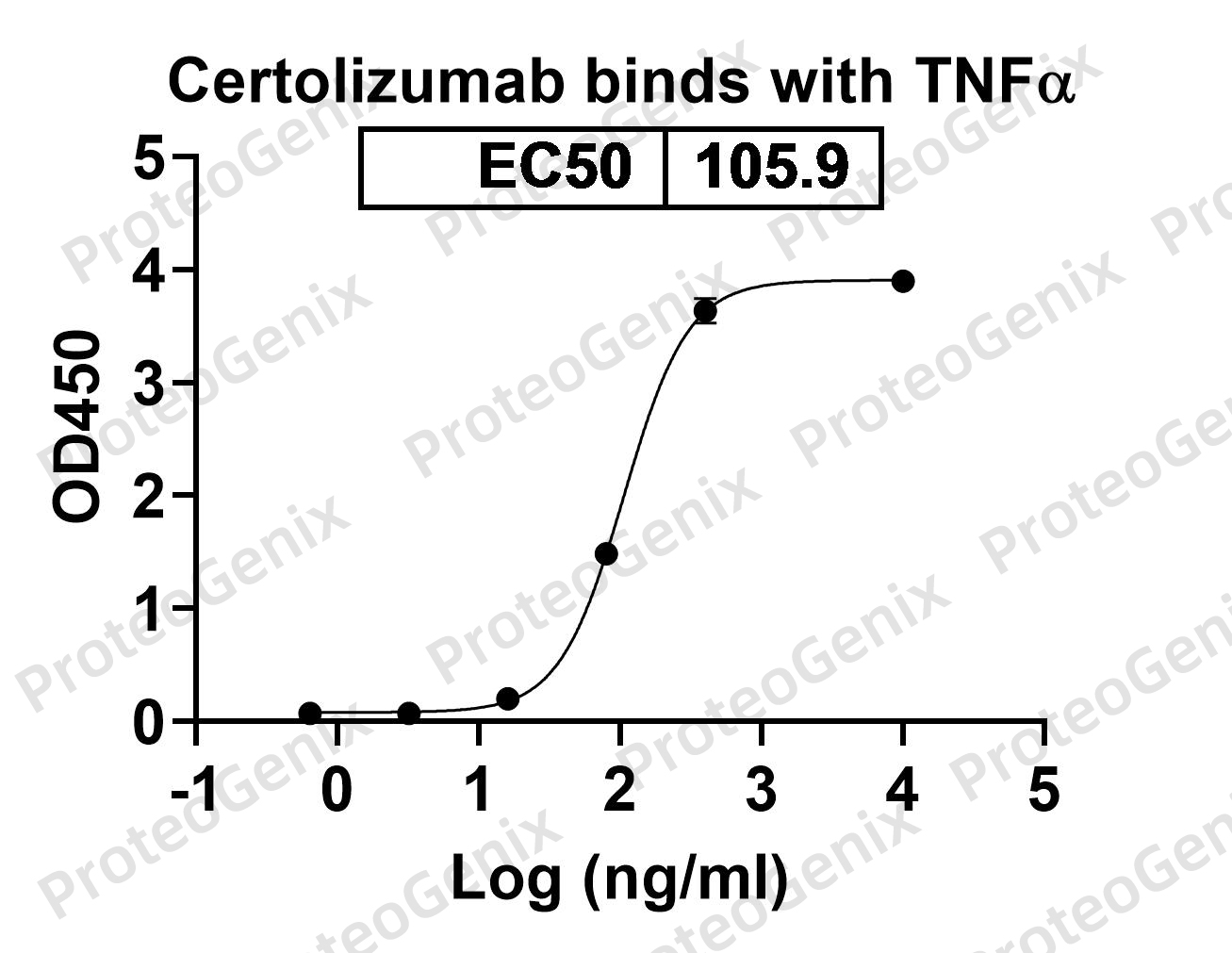
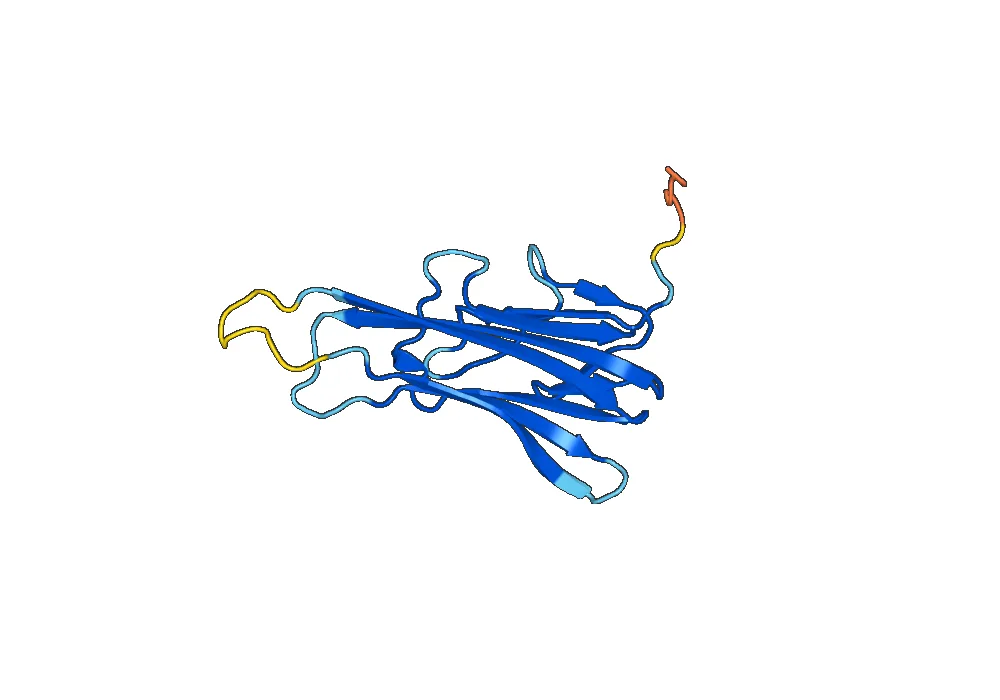
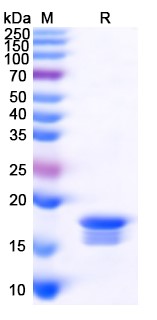
Nerelimomab Biosimilar is a recombinant humanized monoclonal antibody that is produced using advanced genetic engineering techniques. It is composed of two heavy chains and two light chains, each consisting of variable and constant regions. The variable regions of the antibody are responsible for binding to the target TNF-alpha, while the constant regions play a role in immune effector functions.
Activity of Nerelimomab Biosimilar
TNF-alpha is a pro-inflammatory cytokine that plays a crucial role in the pathogenesis of various diseases, including rheumatoid arthritis, psoriasis, Crohn’s disease, and multiple sclerosis. It is also involved in the progression of certain types of cancer. Nerelimomab Biosimilar works by binding to TNF-alpha and preventing its interaction with its receptors, thereby inhibiting its pro-inflammatory effects. This leads to a decrease in the production of other inflammatory mediators and a reduction in disease symptoms.
Applications of Nerelimomab Biosimilar
Nerelimomab Biosimilar has shown promising results in preclinical and clinical studies for the treatment of various inflammatory and autoimmune diseases. It has been evaluated in patients with rheumatoid arthritis, psoriasis, Crohn’s disease, and multiple sclerosis, and has demonstrated significant improvements in disease symptoms. Additionally, Nerelimomab Biosimilar has also shown potential as an adjuvant therapy for certain types of cancer, including breast cancer and lung cancer.
Anti-inflammatory effects
The anti-inflammatory effects of Nerelimomab Biosimilar make it a promising therapeutic option for various inflammatory diseases. By inhibiting TNF-alpha, it can reduce the production of other pro-inflammatory cytokines and chemokines, thereby decreasing inflammation and tissue damage. This can lead to a significant improvement in symptoms and disease progression.
Immunomodulatory effects
Apart from its anti-inflammatory effects, Nerelimomab Biosimilar also has immunomodulatory properties. It can regulate the activity of immune cells, such as T cells, B cells, and macrophages, which play a crucial role in the pathogenesis of autoimmune diseases. This can help in maintaining immune homeostasis and preventing the development of autoimmunity.
Potential as a combination therapy
Nerelimomab Biosimilar has also shown potential as a combination therapy with other anti-inflammatory drugs. In a clinical study, it was found to have a synergistic effect when used in combination with methotrexate, a commonly used drug for rheumatoid arthritis. This suggests that Nerelimomab Biosimilar can be used in combination with other therapies to enhance its efficacy and reduce the risk of adverse effects.
Conclusion
In conclusion, Nerelimomab Biosimilar – Anti-TNFSF2, TNF-alpha, TNFA mAb – Research Grade is a promising therapeutic option for various inflammatory and autoimmune diseases, as well as certain types of cancer. Its unique structure and mechanism of action make it a potent anti-inflammatory and immunomodulatory agent. With ongoing research and clinical trials, Nerelimomab Biosimilar has the potential to improve the treatment outcomes of patients suffering from these diseases.



There are no reviews yet.