Introduction to Omodenbamab Biosimilar – Anti-SpA mAb – Research Grade
Omodenbamab Biosimilar is a monoclonal antibody (mAb) that has been developed as a biosimilar to treat spondyloarthritis (SpA). This antibody targets a specific protein in the body, making it a promising therapeutic option for patients with SpA. In this article, we will explore the structure, activity and potential applications of Omodenbamab Biosimilar in the field of SpA treatment.
Structure of Omodenbamab Biosimilar
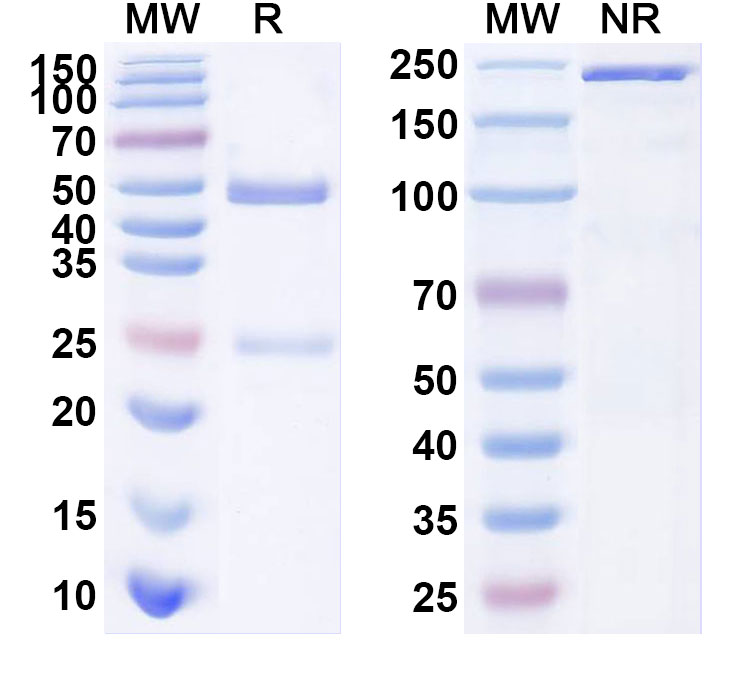
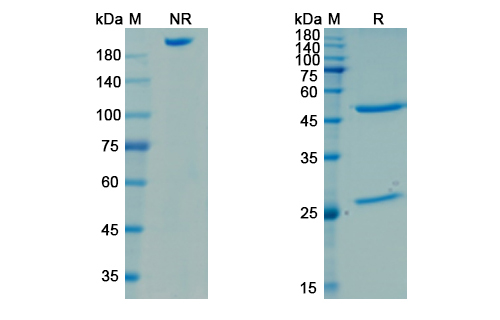
Omodenbamab Biosimilar is a recombinant humanized IgG1 monoclonal antibody that has been designed to target a protein called interleukin-23 (IL-23). This protein is involved in the inflammatory response and has been found to play a key role in the development of SpA. Omodenbamab Biosimilar is composed of two heavy chains and two light chains, each with a specific sequence of amino acids that determine its unique structure and function.
Activity of Omodenbamab Biosimilar
As a biosimilar of Omodenbamab, this antibody has been shown to have similar activity and efficacy as the original drug. Omodenbamab Biosimilar works by binding to IL-23, blocking its interaction with its receptor and preventing the activation of immune cells. This ultimately leads to a decrease in the production of pro-inflammatory cytokines, which are responsible for the symptoms of SpA. By targeting IL-23, Omodenbamab Biosimilar helps to regulate the immune response and reduce inflammation in patients with SpA.
Title: Potential Applications of Omodenbamab Biosimilar
Omodenbamab Biosimilar has shown promising results in clinical trials for the treatment of SpA. It has been specifically tested in patients with ankylosing spondylitis (AS), a type of SpA that primarily affects the spine and joints. In a phase III study, Omodenbamab Biosimilar demonstrated significant improvement in symptoms and physical function in patients with AS compared to a placebo. This suggests that Omodenbamab Biosimilar has the potential to be an effective treatment option for patients with SpA.
Moreover, Omodenbamab Biosimilar has also been investigated for its potential in treating other inflammatory diseases such as psoriasis and psoriatic arthritis. IL-23 has been found to play a role in these conditions as well, making Omodenbamab Biosimilar a promising candidate for future research and development.
Advantages of Omodenbamab Biosimilar
As a biosimilar, Omodenbamab Biosimilar offers several advantages over the original drug. Firstly, it is more cost-effective as it is produced using a different manufacturing process, making it more affordable for patients. Additionally, biosimilars undergo rigorous testing to ensure they have similar efficacy and safety profiles as the original drug, providing patients with a reliable alternative. This also allows for increased accessibility to treatment for patients with SpA.
Conclusion
In conclusion, Omodenbamab Biosimilar is a promising monoclonal antibody that targets IL-23 and has shown potential in the treatment of SpA. Its unique structure and activity make it an effective therapeutic option for regulating the immune response and reducing inflammation in patients with SpA. With ongoing research and development, Omodenbamab Biosimilar has the potential to be a valuable addition to the treatment options for SpA and other inflammatory diseases.


There are no reviews yet.