Polzastobart Biosimilar – Anti-ILT-4 mAb – Research Grade Introduction
Polzastobart Biosimilar – Anti-ILT-4 mAb is a research grade antibody that has been developed as a biosimilar to the therapeutic antibody targeting the immune checkpoint protein ILT-4. This biosimilar is designed to have similar structure, activity, and application as the original therapeutic antibody, but at a more affordable cost for research purposes.
Structure
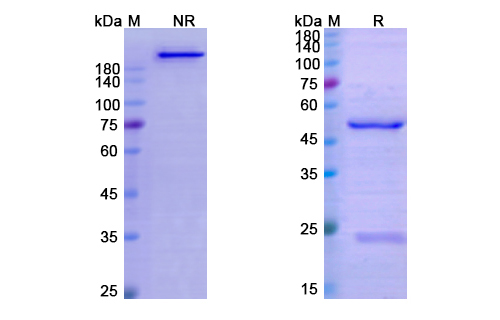
The Polzastobart Biosimilar – Anti-ILT-4 mAb is a monoclonal antibody, meaning it is produced by a single type of immune cell. It is composed of two identical heavy chains and two identical light chains, which are connected by disulfide bonds. The heavy chains contain the constant region, which determines the antibody’s class and function, and the variable region, which is responsible for binding to the target protein ILT-4. The light chains also have a variable region that contributes to the specificity of the antibody’s binding.
Activity
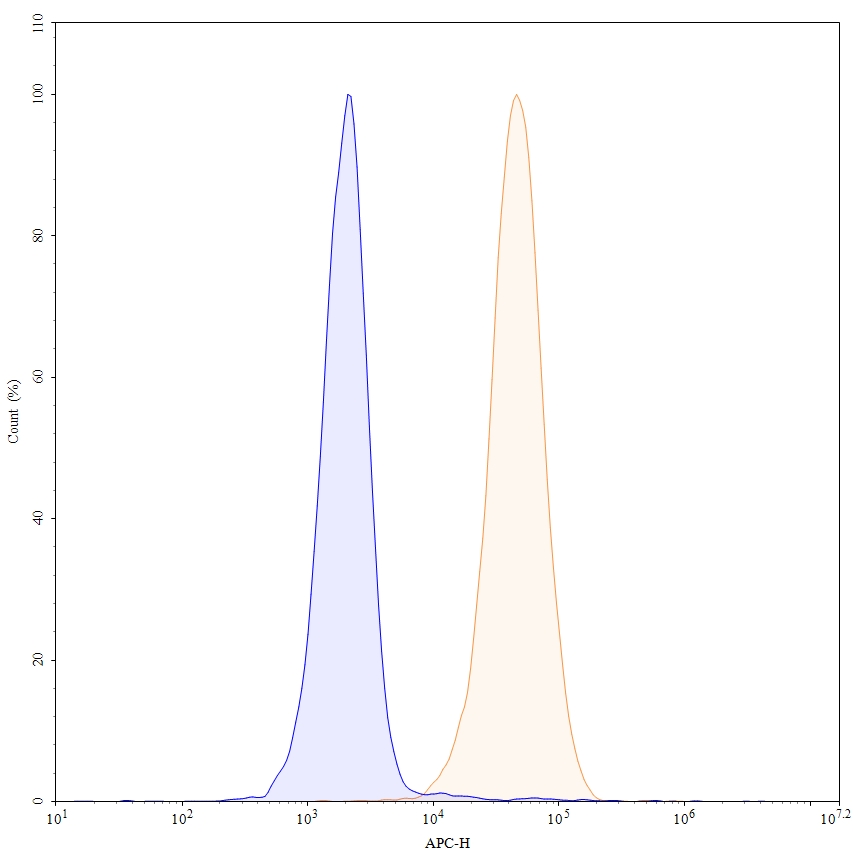
The main activity of Polzastobart Biosimilar – Anti-ILT-4 mAb is to bind to the immune checkpoint protein ILT-4. This protein is expressed on the surface of various immune cells, including T cells and dendritic cells, and plays a role in regulating immune responses. By binding to ILT-4, this biosimilar antibody can block its interaction with its ligands and prevent the inhibition of T cell activation and proliferation. This can ultimately enhance the anti-tumor immune response and potentially lead to improved cancer treatment outcomes.
In addition, Polzastobart Biosimilar – Anti-ILT-4 mAb may also have other activities, such as antibody-dependent cell-mediated cytotoxicity (ADCC) and complement-dependent cytotoxicity (CDC). These mechanisms involve the activation of immune cells to directly attack and kill cancer cells, further contributing to the potential therapeutic benefits of this biosimilar.
Application
The primary application of Polzastobart Biosimilar – Anti-ILT-4 mAb is in cancer research, particularly in the study of immune checkpoint inhibitors and their potential as cancer therapies. This biosimilar can be used in various in vitro and in vivo experiments to investigate the role of ILT-4 in cancer and the effects of blocking its activity with an antibody. It can also be used in combination with other antibodies or drugs to evaluate potential synergistic effects.
Furthermore, Polzastobart Biosimilar – Anti-ILT-4 mAb can also be used in the development and optimization of diagnostic assays for ILT-4 expression in cancer cells. This can aid in patient selection for potential ILT-4-targeted therapies and in monitoring treatment response.
Conclusion
In summary, Polzastobart Biosimilar – Anti-ILT-4 mAb is a research grade antibody with a similar structure, activity, and application as the original therapeutic antibody targeting ILT-4. It has the potential to enhance our understanding of ILT-4 and its role in cancer, as well as to aid in the development of novel cancer treatments. With its affordable cost, this biosimilar offers a valuable tool for researchers in the field of cancer immunotherapy.

There are no reviews yet.