Introduction to Bexmarilimab Biosimilar – Anti-STAB1 mAb
Bexmarilimab Biosimilar, also known as Anti-STAB1 mAb, is a monoclonal antibody that has been developed as a biosimilar version of the therapeutic antibody, Bexmarilimab. It is a promising therapeutic agent that targets the STAB1 protein, which is involved in the regulation of the immune response. In this article, we will provide a comprehensive scientific description of Bexmarilimab Biosimilar, including its structure, activity, and potential applications.
Structure of Bexmarilimab Biosimilar
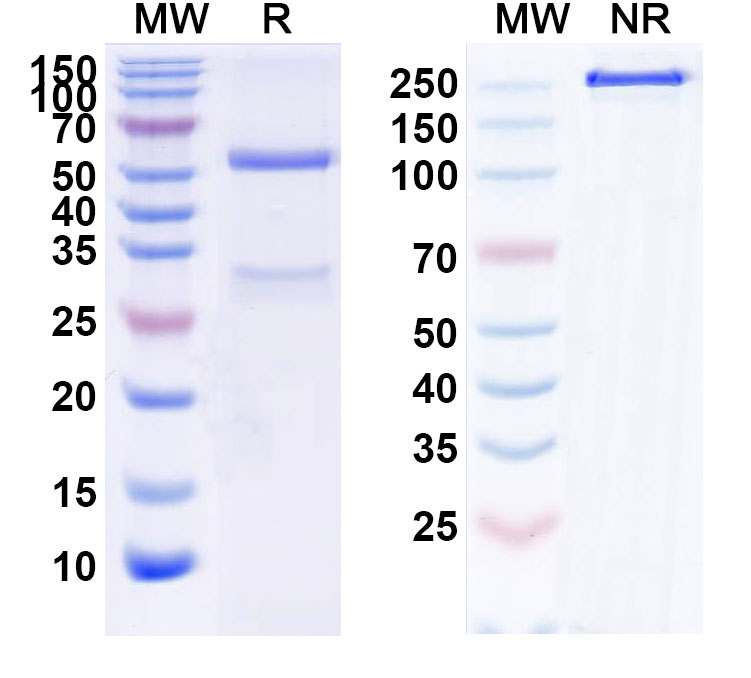
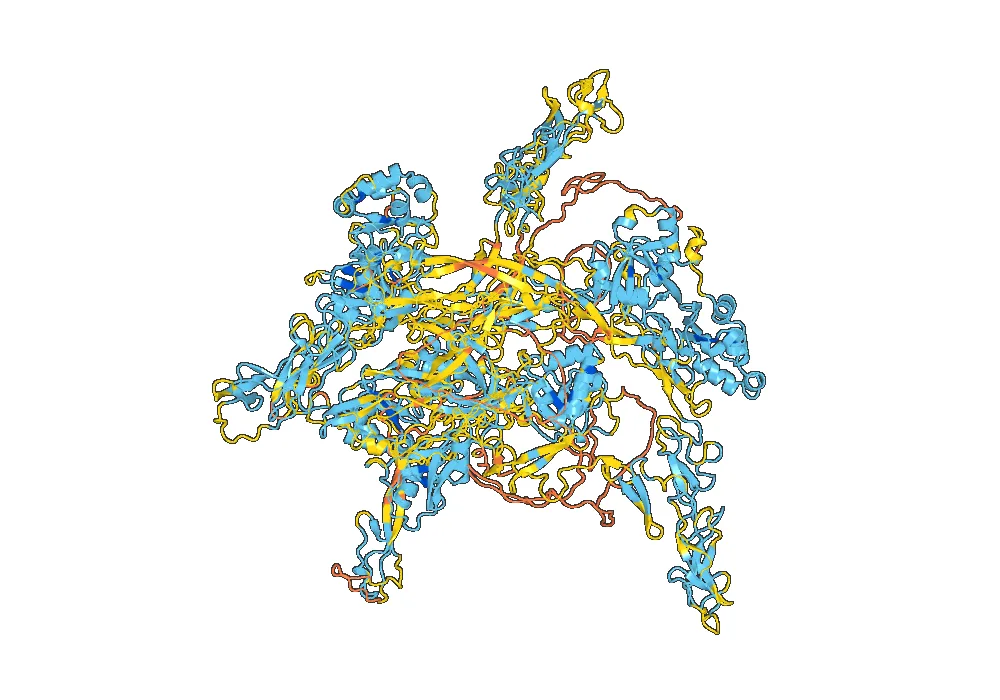
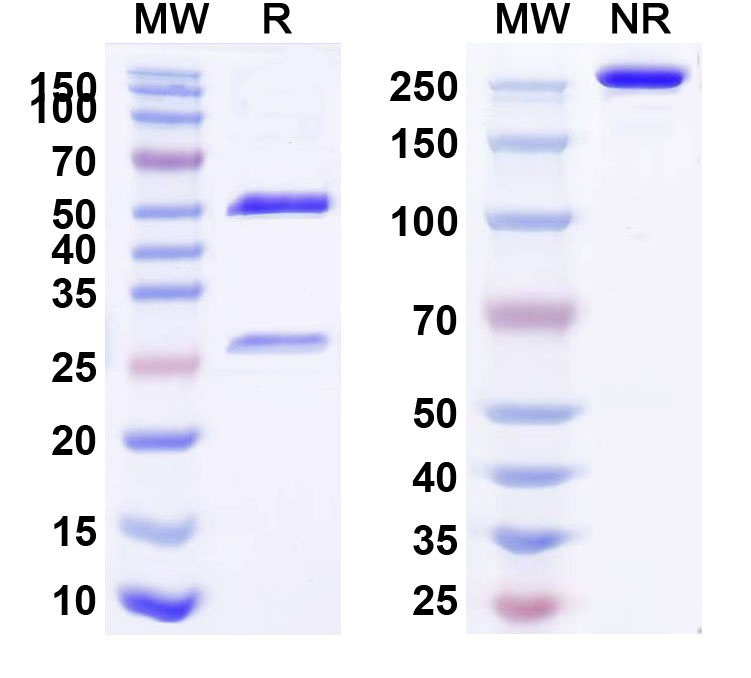
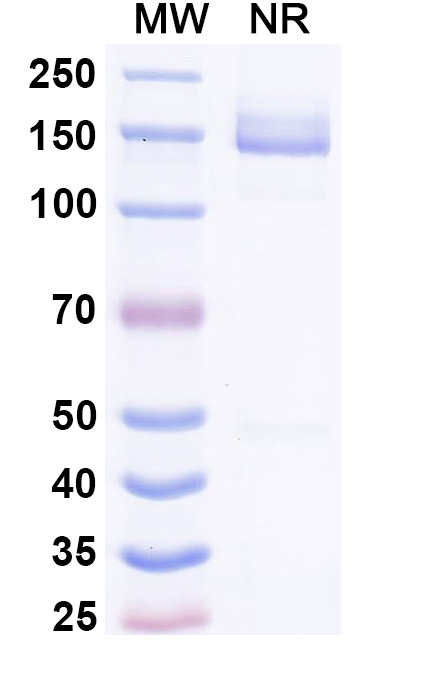
Bexmarilimab Biosimilar is a recombinant humanized monoclonal antibody that is produced using recombinant DNA technology. It is composed of two heavy chains and two light chains, each consisting of a constant and a variable region. The variable regions of the antibody are responsible for binding to the target protein, STAB1. The constant regions are responsible for the effector functions of the antibody, such as complement activation and antibody-dependent cellular cytotoxicity.
Activity of Bexmarilimab Biosimilar
Bexmarilimab Biosimilar specifically targets the STAB1 protein, which is a member of the stabilin family of receptors. STAB1 is expressed on the surface of immune cells, such as macrophages and dendritic cells, and plays a crucial role in the regulation of the immune response. It is involved in the clearance of apoptotic cells, as well as the uptake and presentation of antigens to T cells. By binding to STAB1, Bexmarilimab Biosimilar can modulate the immune response and potentially treat a variety of diseases.
Potential Applications of Bexmarilimab Biosimilar
Bexmarilimab Biosimilar has shown promising results in preclinical studies, indicating its potential for the treatment of various diseases. Here are some of the potential applications of Bexmarilimab Biosimilar:
1.
Cancer Immunotherapy: STAB1 is overexpressed on the surface of tumor-associated macrophages, which play a critical role in tumor progression. By targeting STAB1, Bexmarilimab Biosimilar can inhibit the growth and spread of cancer cells. It has shown promising results in preclinical studies for the treatment of solid tumors, such as breast cancer and lung cancer.
2. Autoimmune Diseases: STAB1 is involved in the regulation of the immune response, and its dysregulation has been linked to autoimmune diseases, such as rheumatoid arthritis and multiple sclerosis. Bexmarilimab Biosimilar has shown potential for the treatment of these diseases by modulating the immune response and reducing inflammation.
3.
Infectious Diseases: STAB1 is also involved in the recognition and clearance of pathogens by immune cells. By targeting STAB1, Bexmarilimab Biosimilar can enhance the immune response against infectious agents, such as viruses and bacteria. It has shown promising results in preclinical studies for the treatment of viral infections, such as HIV and hepatitis B.
4.
Transplant Rejection: STAB1 is involved in the recognition and clearance of transplanted organs by the immune system. By targeting STAB1, Bexmarilimab Biosimilar can potentially prevent organ rejection and improve the success rate of organ transplantation.
Conclusion
In summary, Bexmarilimab Biosimilar – Anti-STAB1 mAb is a promising therapeutic agent that targets the STAB1 protein. It has a unique structure and activity that allows it to modulate the immune response and potentially treat a variety of diseases. With further research and clinical trials, Bexmarilimab Biosimilar has the potential to become a valuable addition to the arsenal of therapeutic antibodies used in the treatment of various diseases.
There are no reviews yet.