Introduction
Recombinant Human ADSS2 Protein, also known as Adenylosuccinate synthase is a key enzyme involved in the purine biosynthesis pathway. This protein is encoded by the ADSS2 gene and is highly conserved among different species. Recombinant Human ADSS2 Protein is widely used in various research and diagnostic applications due to its essential role in cellular metabolism.
Structure of Recombinant Human ADSS2 Protein
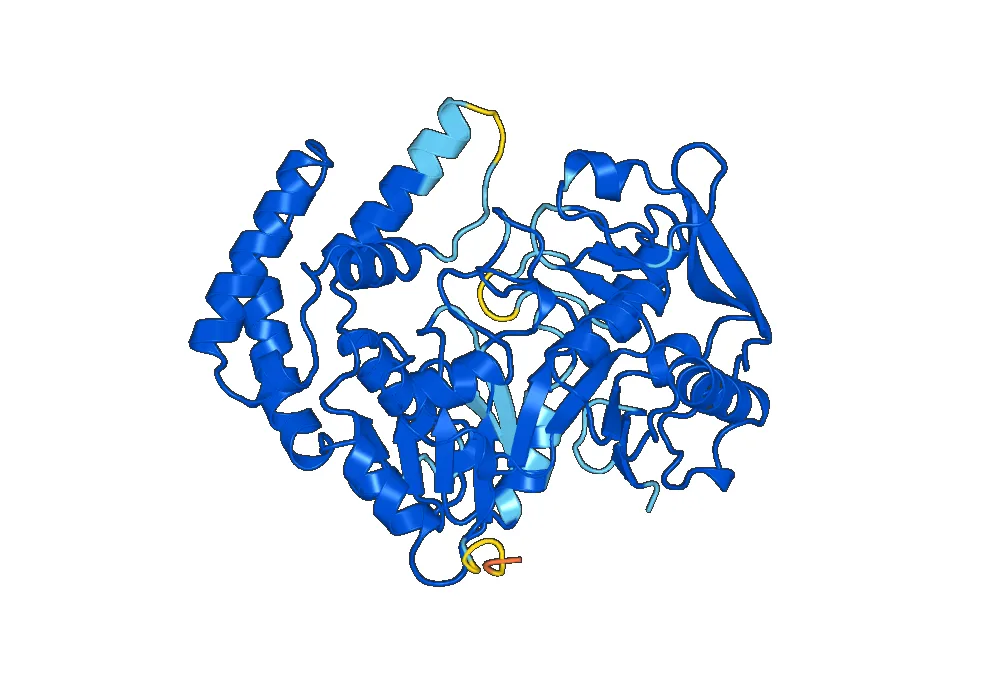
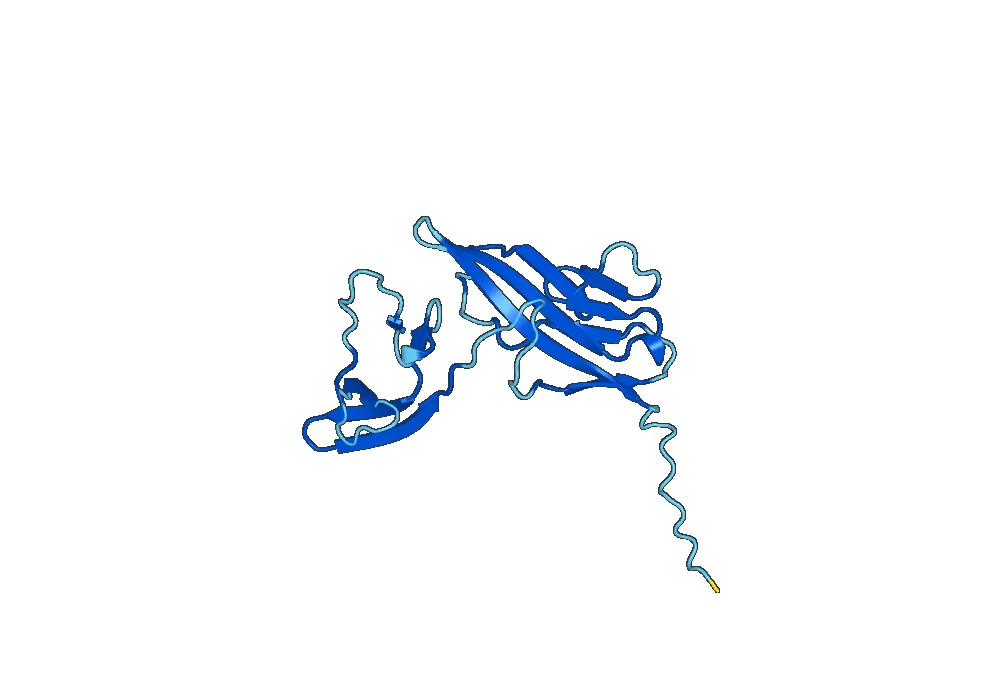
Recombinant Human ADSS2 Protein is a homodimeric enzyme, meaning it is composed of two identical subunits. Each subunit consists of 437 amino acids and has a molecular weight of approximately 49 kDa. The protein has a globular structure with a central active site that is responsible for its catalytic activity.
The primary structure of Recombinant Human ADSS2 Protein is highly conserved among different species, with a sequence identity of 98% between human and mouse. The protein also contains several conserved motifs and domains, including an ATP-binding site and a GTP-binding site, which are crucial for its enzymatic activity.
Activity of Recombinant Human ADSS2 Protein
Recombinant Human ADSS2 Protein is a key enzyme in the de novo purine biosynthesis pathway. It catalyzes the conversion of inosine monophosphate (IMP) to adenosine monophosphate (AMP) using GTP as a substrate. This reaction is essential for the production of purine nucleotides, which are crucial for cellular processes such as DNA and RNA synthesis, energy metabolism, and signal transduction.
The activity of Recombinant Human ADSS2 Protein is regulated by various factors, including the availability of substrates, feedback inhibition, and post-translational modifications. Mutations in the ADSS2 gene have been associated with various metabolic disorders, highlighting the crucial role of this protein in maintaining cellular homeostasis.
Applications of Recombinant Human ADSS2 Protein
Recombinant Human ADSS2 Protein has a wide range of applications in both research and diagnostic fields. Some of the key applications include:
1. Research
Recombinant Human ADSS2 Protein is widely used in biochemical and cellular studies to understand its role in purine biosynthesis and cellular metabolism. It is also used to investigate the effects of mutations or inhibitors on its activity, providing valuable insights into the regulation of this enzyme.
2. Diagnostic Tests
Deficiencies in purine biosynthesis enzymes, including ADSS2, can lead to various metabolic disorders such as Lesch-Nyhan syndrome. Recombinant Human ADSS2 Protein is used in diagnostic tests to measure the levels of this enzyme in patient samples, aiding in the diagnosis and monitoring of these disorders.
3. Drug Discovery
Recombinant Human ADSS2 Protein is a potential target for drug discovery in various diseases, including cancer and gout. Inhibitors of this enzyme have been shown to have anti-proliferative effects on cancer cells, making it a promising target for cancer therapy. Additionally, ADSS2 inhibitors have also been explored as potential treatments for gout, a disease caused by the accumulation of uric acid due to impaired purine metabolism.
4. Vaccine Development
Recombinant Human ADSS2 Protein has also been used as an antigen in vaccine development against various diseases. It has been shown to induce a strong immune response and is being studied as a potential vaccine candidate for infectious diseases such as malaria and trypanosomiasis.
Conclusion
In conclusion, Recombinant Human ADSS2 Protein is a crucial enzyme involved in the de novo purine biosynthesis pathway. Its essential role in cellular metabolism makes it a valuable tool in research and diagnostic applications. With its potential as a drug target and vaccine candidate, this protein continues to be an area of interest for further studies and developments in the field of biotechnology.


There are no reviews yet.