Introduction
Recombinant Human AFAP1L2 Protein, also known as AFAP1L2, is a protein that is encoded by the AFAP1L2 gene. This protein belongs to the AFAP family and is involved in cellular signaling pathways and cytoskeletal organization. Recombinant AFAP1L2 protein is produced through genetic engineering techniques and has various applications in the fields of molecular biology, biochemistry, and medicine.
Structure of Recombinant Human AFAP1L2 Protein
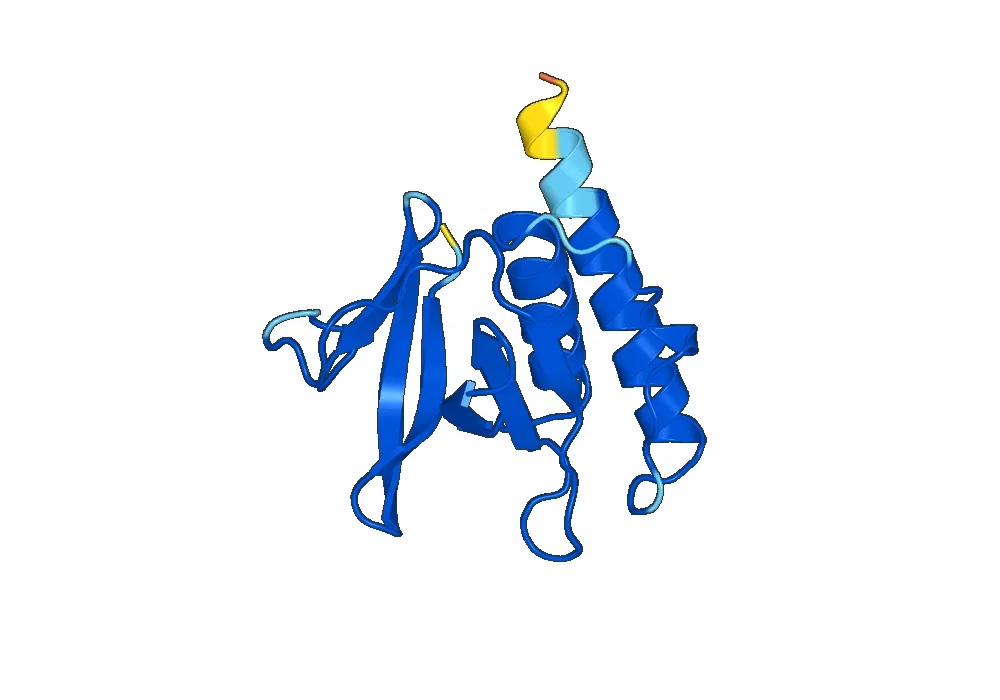
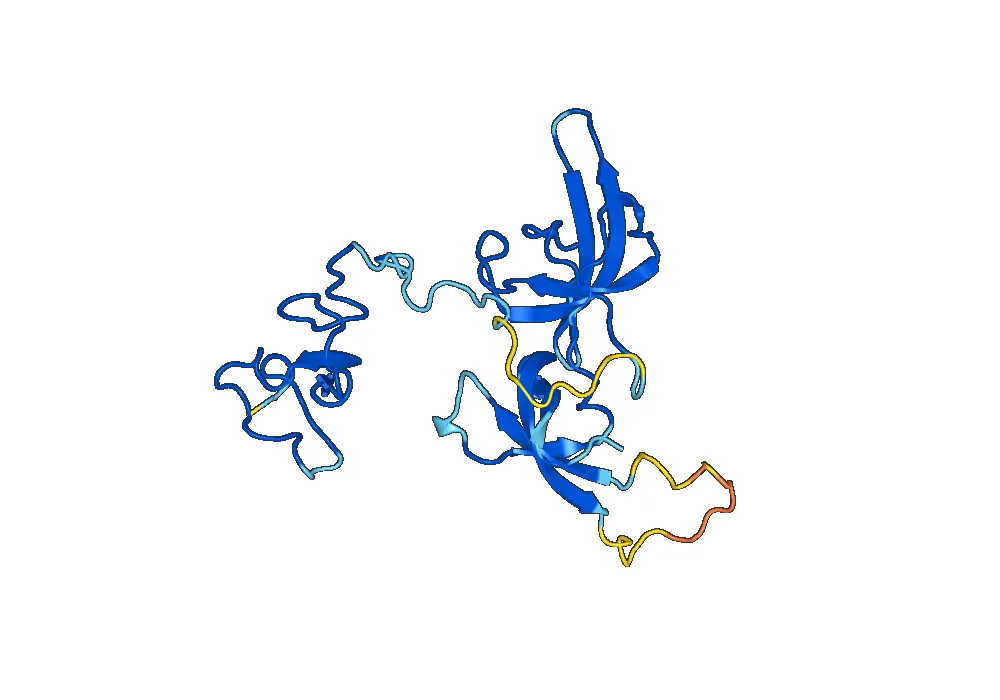
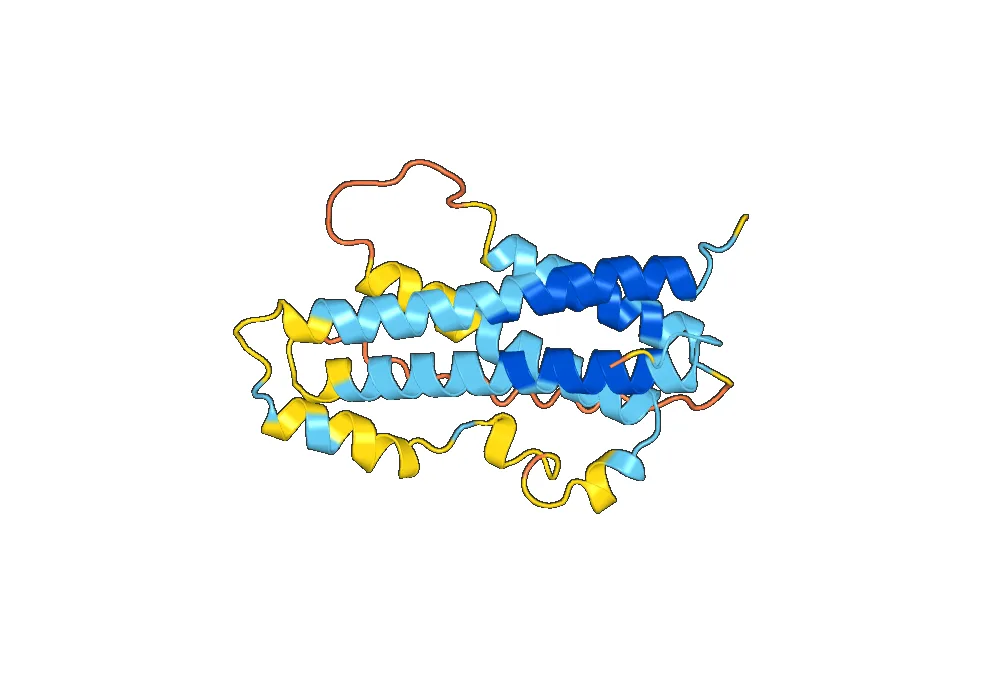
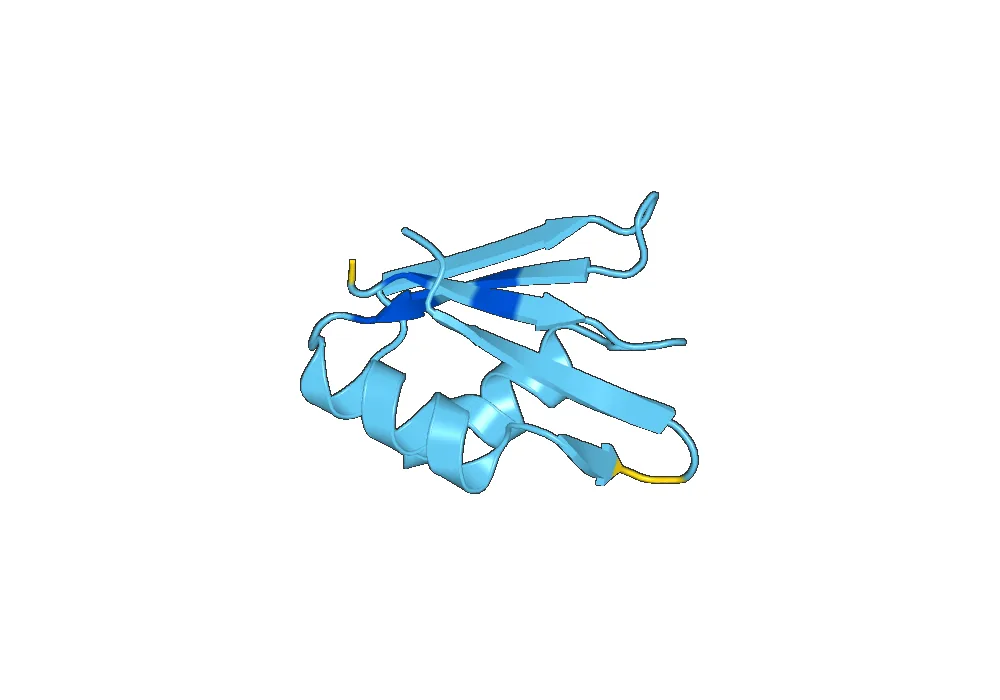
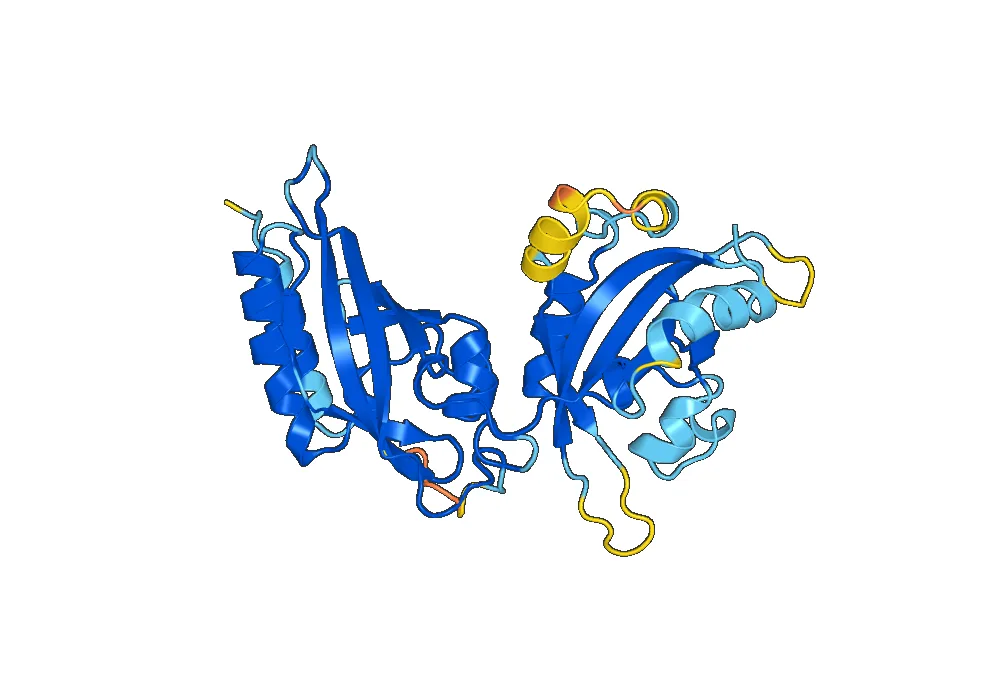
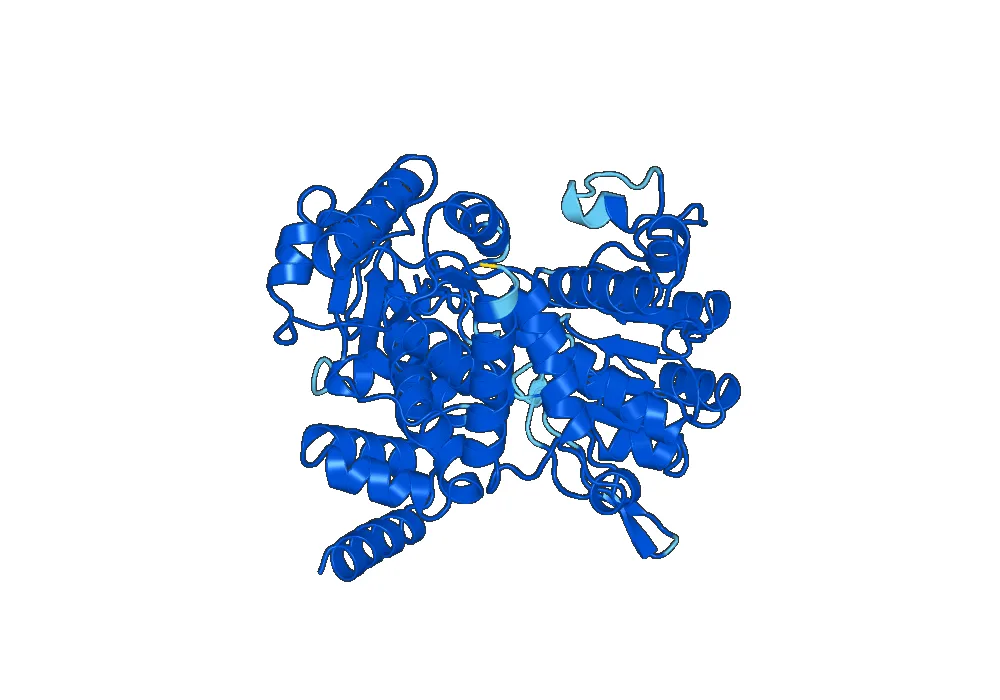
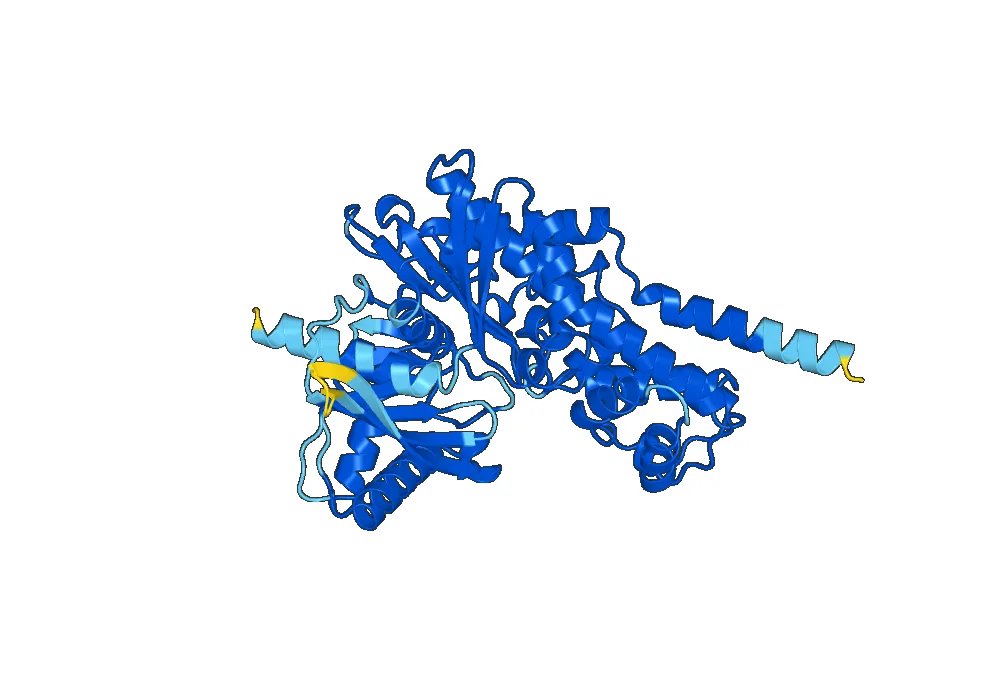
The AFAP1L2 protein is a member of the actin filament-associated protein (AFAP) family, which is involved in the regulation of actin cytoskeleton dynamics. The protein is composed of 676 amino acids and has a molecular weight of approximately 75 kDa. It contains multiple domains, including an N-terminal F-actin binding domain, a central proline-rich region, and a C-terminal Src homology 3 (SH3) domain. These domains are essential for the protein’s function in cytoskeletal organization and signaling pathways.
Activity of Recombinant Human AFAP1L2 Protein
The main function of AFAP1L2 protein is to regulate the assembly and disassembly of actin filaments, which are crucial for cellular processes such as cell migration, adhesion, and division. The F-actin binding domain of AFAP1L2 allows it to bind to actin filaments and regulate their dynamics. Additionally, the proline-rich region of the protein interacts with other proteins, including the tyrosine kinase c-Abl, to modulate signaling pathways involved in cell growth and survival.
Moreover, AFAP1L2 has been shown to play a role in the regulation of the Wnt/β-catenin signaling pathway, which is essential for embryonic development and tissue homeostasis. This suggests that the protein may have a role in cell differentiation and tissue regeneration.
Applications of Recombinant Human AFAP1L2 Protein
Recombinant AFAP1L2 protein has various applications in the fields of molecular biology, biochemistry, and medicine. It can be used in in vitro studies to investigate the protein’s function and interactions with other molecules. The F-actin binding domain of AFAP1L2 can be used to study the dynamics of actin filaments and their role in cellular processes.
Additionally, AFAP1L2 protein has been identified as a potential biomarker for certain cancers, including breast cancer and prostate cancer. It has also been shown to be overexpressed in certain types of leukemia, making it a potential therapeutic target for these diseases. Recombinant AFAP1L2 protein can be used in research to understand the mechanisms of cancer development and to develop targeted therapies.
Furthermore, AFAP1L2 has been linked to neurological disorders such as Alzheimer’s disease and schizophrenia. Recombinant AFAP1L2 protein can be used to study the protein’s role in these disorders and potentially develop new treatments.
Conclusion
In conclusion, Recombinant Human AFAP1L2 Protein is a multifunctional protein that plays a critical role in cytoskeletal organization and signaling pathways. Its structure and activity make it a valuable tool for studying cellular processes and diseases. With its potential applications in cancer research and neurological disorders, AFAP1L2 protein holds great promise for future scientific discoveries and medical advancements.


There are no reviews yet.