Introduction to Recombinant Human PER2 Protein
Recombinant Human PER2 Protein is a highly specialized and important protein that plays a crucial role in the regulation of circadian rhythms in humans. It is a synthetic version of the PER2 protein, which is naturally produced in the human body. This recombinant protein is widely used in scientific research and has various applications in the field of chronobiology and circadian rhythm disorders.
Structure of Recombinant Human PER2 Protein
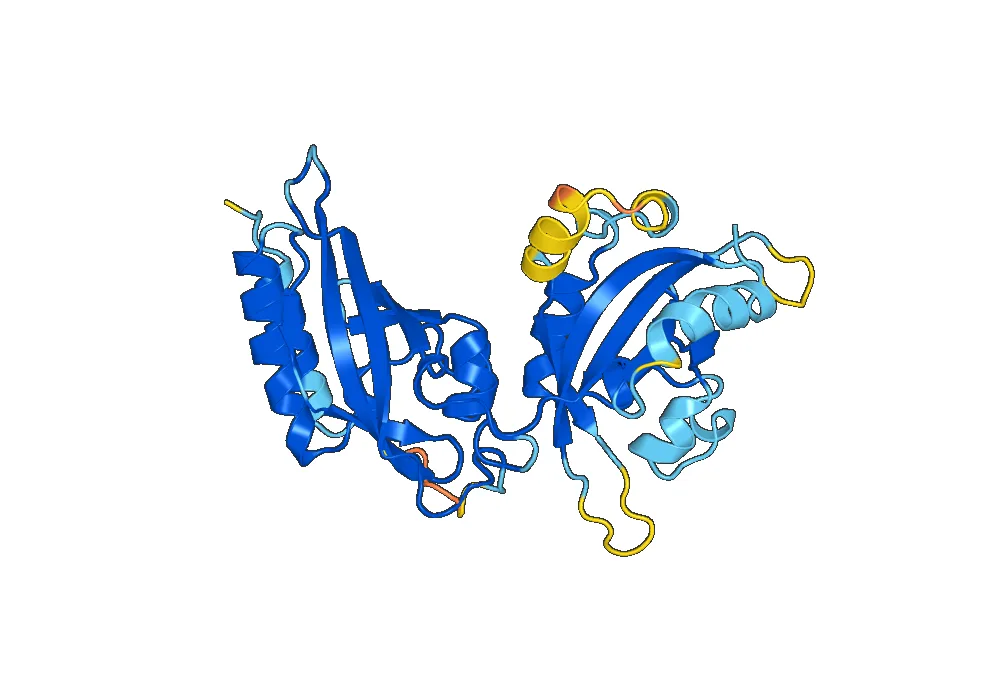
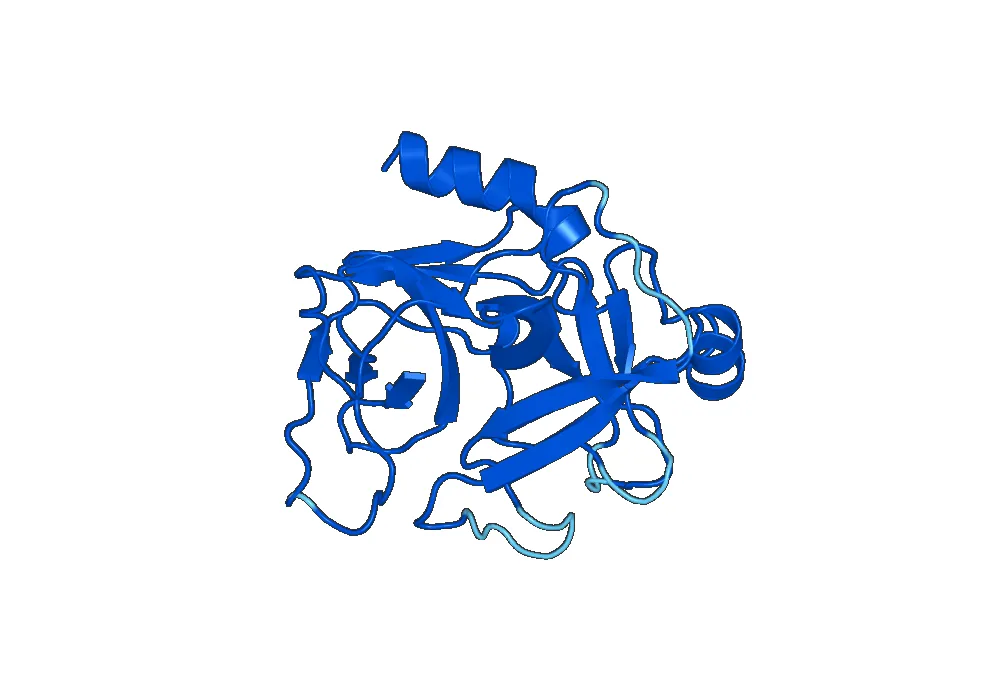
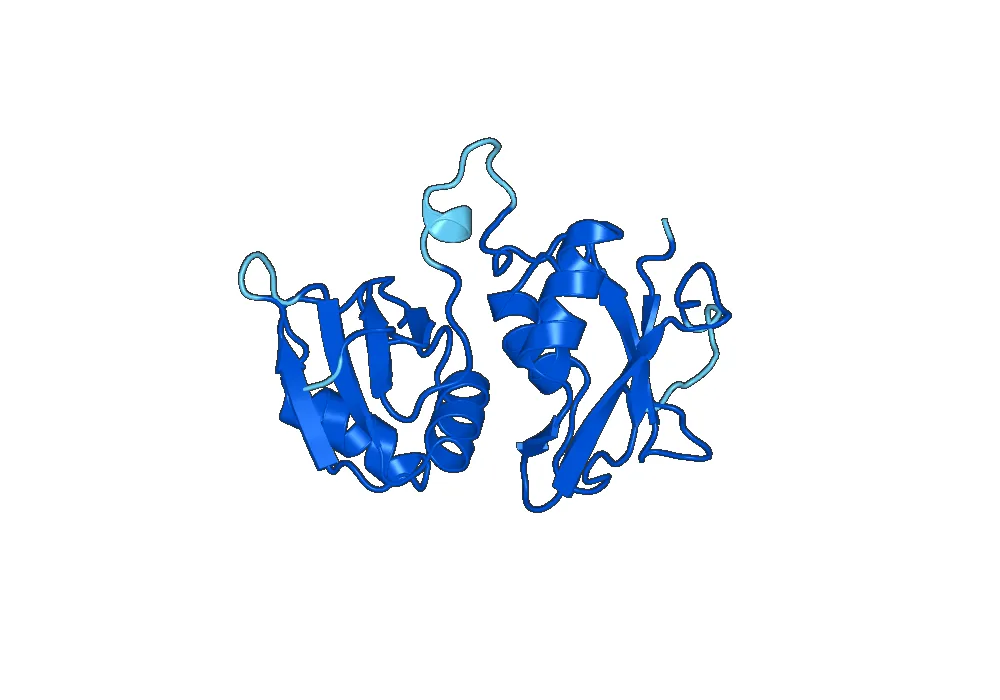
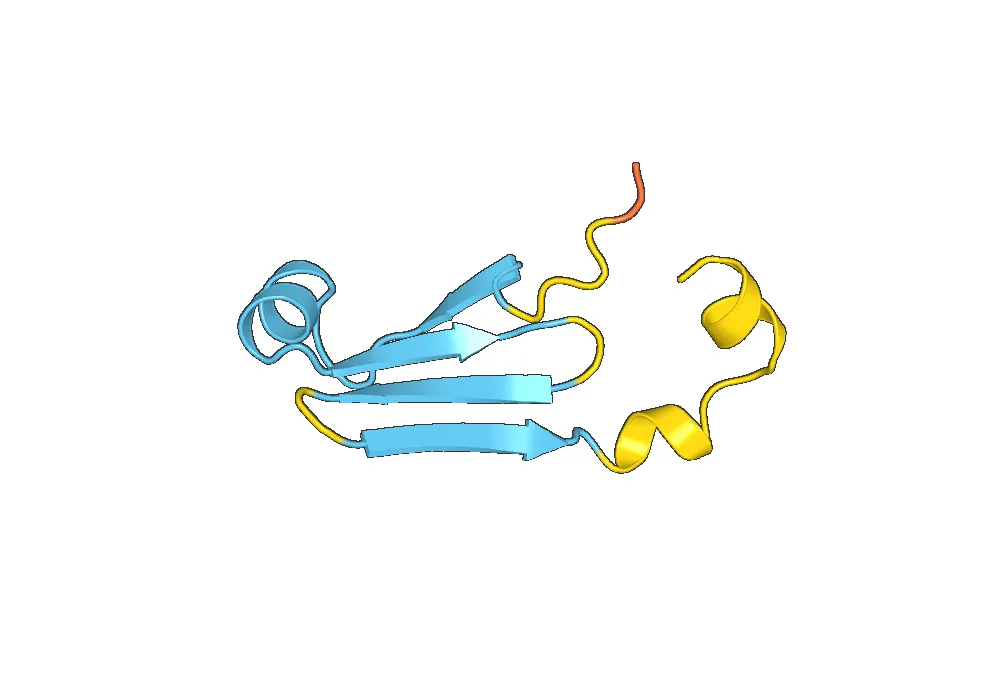
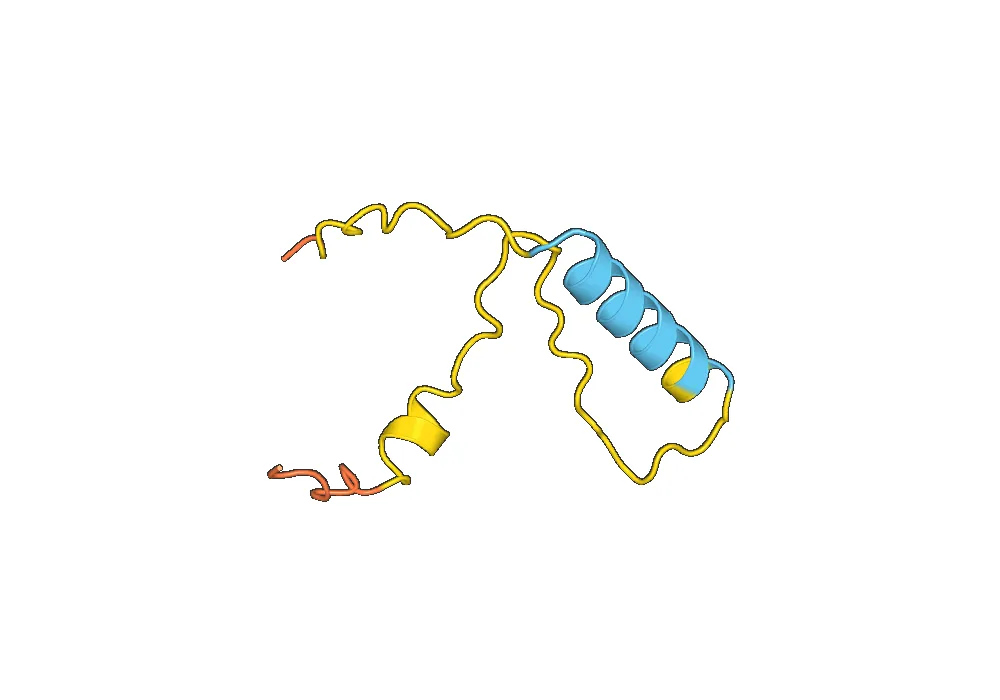
Recombinant Human PER2 Protein is a 130 kDa protein that consists of 1182 amino acids. It is composed of several functional domains, including the PAS domain, the PER-ARNT-SIM (PAS) domain, and the C-terminal domain. These domains are essential for the proper functioning of the protein and are responsible for its interactions with other proteins and molecules.
The PAS domain is responsible for sensing and responding to environmental cues, such as light and temperature, which are crucial for regulating circadian rhythms. The PER-ARNT-SIM domain is involved in protein-protein interactions and helps in the formation of protein complexes. The C-terminal domain is responsible for the stability and degradation of the protein.
Activity of Recombinant Human PER2 Protein
Recombinant Human PER2 Protein plays a crucial role in the regulation of circadian rhythms, which are the daily physiological and behavioral patterns that follow a 24-hour cycle. It is involved in the negative feedback loop of the circadian clock, which is responsible for maintaining the 24-hour rhythm of biological processes.
The activity of Recombinant Human PER2 Protein is regulated by post-translational modifications, such as phosphorylation and acetylation. These modifications affect the stability and function of the protein and play a crucial role in regulating its activity.
Applications of Recombinant Human PER2 Protein
Recombinant Human PER2 Protein has various applications in scientific research, particularly in the field of chronobiology and circadian rhythm disorders. Some of its key applications include:
1. Study of circadian rhythms
Recombinant Human PER2 Protein is widely used in the study of circadian rhythms and the molecular mechanisms that regulate them. Its ability to interact with other proteins and molecules makes it an essential tool for understanding the complex processes involved in maintaining the 24-hour biological clock.
2. Development of chronobiology-based therapies
The dysregulation of circadian rhythms has been linked to various health conditions, such as sleep disorders, metabolic disorders, and mental health disorders. Recombinant Human PER2 Protein is being studied for its potential in the development of chronobiology-based therapies for these conditions.
3. Diagnosis of circadian rhythm disorders
Recombinant Human PER2 Protein can also be used as an antigen in diagnostic tests for circadian rhythm disorders. Its specific interactions with other proteins and molecules make it a reliable marker for the dysregulation of circadian rhythms.
4. Drug development
Recombinant Human PER2 Protein is also being studied for its potential in drug development. Its involvement in the negative feedback loop of the circadian clock makes it a potential target for the development of drugs that can regulate circadian rhythms and treat related disorders.
5. Biotechnology applications
Recombinant Human PER2 Protein has also found applications in biotechnology, particularly in the development of genetically modified organisms (GMOs). Its ability to regulate circadian rhythms in plants has been studied for its potential in improving crop yield and plant growth.
Conclusion
In conclusion, Recombinant Human PER2 Protein is a highly specialized and important protein that plays a crucial role in regulating circadian rhythms in humans. Its structure, activity, and various applications make it a valuable tool in scientific research and have the potential to contribute to the development of therapies for circadian rhythm disorders.


There are no reviews yet.