Introduction to Recombinant Human SEMG1 Protein
Recombinant Human SEMG1 Protein, also known as Semenogelin-1, is a glycoprotein that is found in human semen. It is encoded by the SEMG1 gene and is primarily produced by the seminal vesicles. This protein plays a crucial role in the reproductive system and has been extensively studied for its structure, activity, and potential applications.
Structure of Recombinant Human SEMG1 Protein
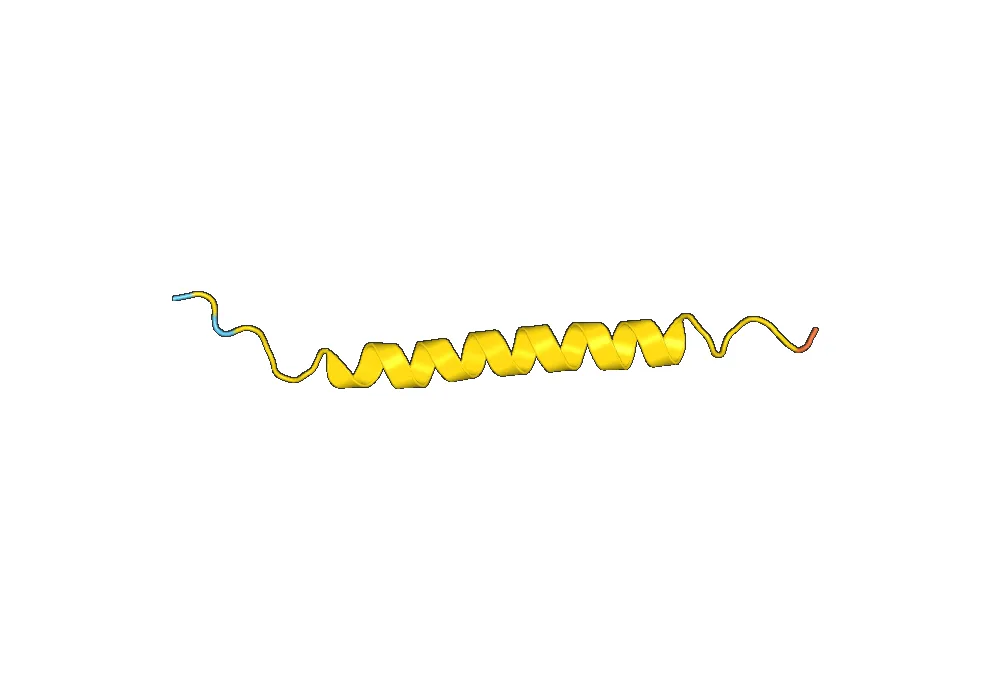
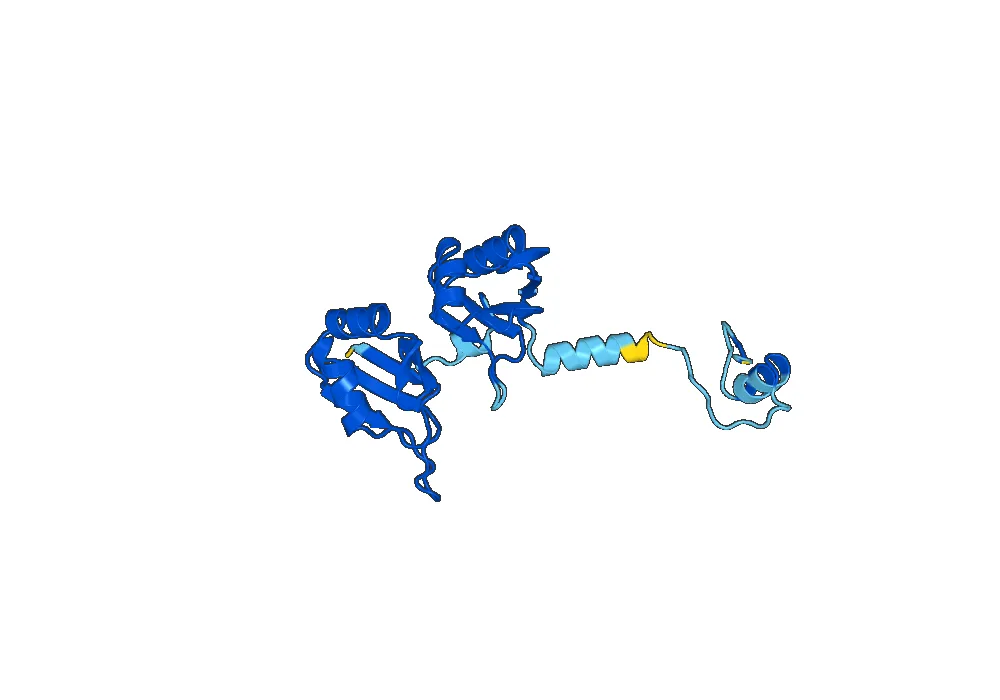
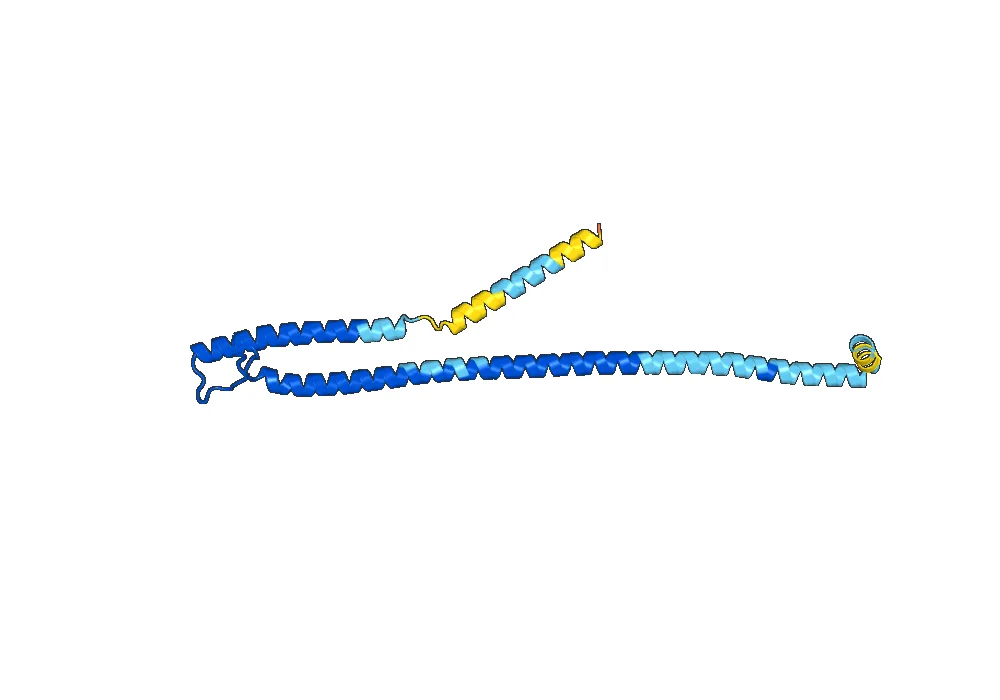
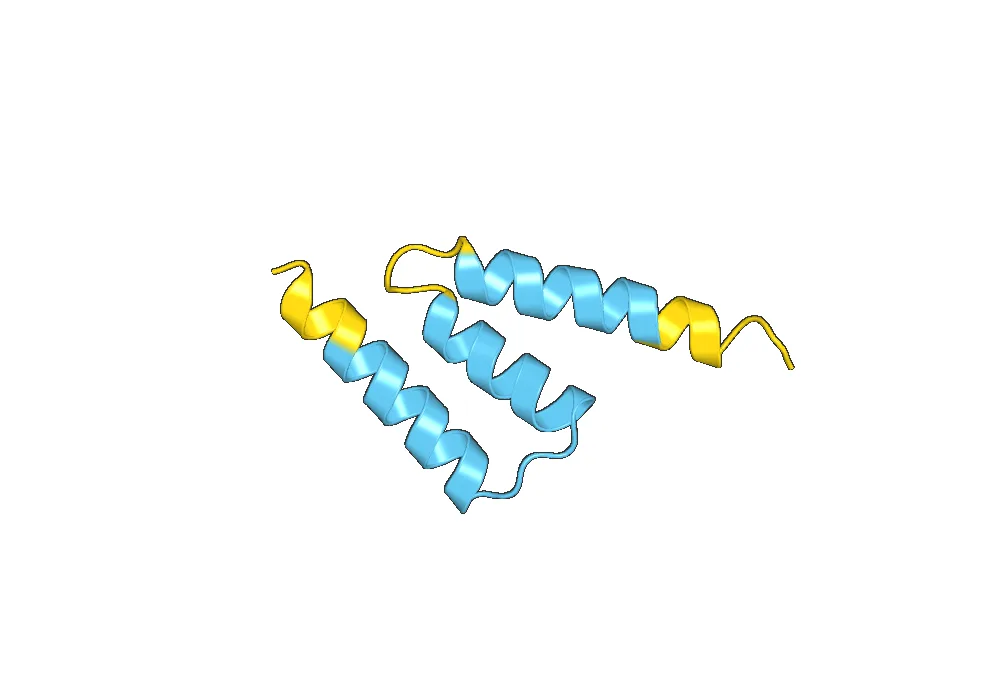
Recombinant Human SEMG1 Protein is a large protein with a molecular weight of approximately 66 kDa. It is composed of 584 amino acids and has a high content of cysteine residues, which are important for its structural stability. The protein has a unique N-terminal domain that is rich in proline and glycine residues, followed by a central region with multiple tandem repeats of a 12-amino acid motif. The C-terminal domain of the protein contains a cysteine-rich region and a glycosylation site.
The structure of Recombinant Human SEMG1 Protein is highly conserved among different species, indicating its importance in reproductive function. It has been shown to have a similar structure to other proteins in the Semenogelin family, such as Semenogelin-2 and Semenogelin-3.
Activity of Recombinant Human SEMG1 Protein
Recombinant Human SEMG1 Protein is primarily known for its role in semen coagulation. During ejaculation, this protein is secreted by the seminal vesicles and mixes with spermatozoa and other seminal fluid components. It then undergoes proteolytic cleavage by prostate-specific antigen (PSA) to form a gel-like structure, which helps in sperm transport and fertilization.
Besides its coagulation activity, Recombinant Human SEMG1 Protein has also been shown to have antibacterial and antiviral properties. Studies have found that it can inhibit the growth of certain bacteria and viruses, including HIV, by binding to their surface and disrupting their membrane structure. This suggests a potential role of this protein in protecting against sexually transmitted infections.
Applications of Recombinant Human SEMG1 Protein
The unique structure and activity of Recombinant Human SEMG1 Protein have made it a valuable tool for various applications in the field of reproductive biology. One of its primary uses is in male fertility testing. The presence of this protein in semen can be used as a biomarker to assess the quality and quantity of spermatozoa, aiding in the diagnosis of male infertility.
Recombinant Human SEMG1 Protein has also shown potential in the development of male contraceptives. Its ability to form a gel-like structure and inhibit sperm motility makes it a promising candidate for a non-hormonal contraceptive method. However, further research is needed to fully understand its mechanism of action and potential side effects.
Additionally, Recombinant Human SEMG1 Protein has been studied for its role in prostate cancer. It has been found to be overexpressed in prostate tumors, and its levels have been correlated with tumor aggressiveness. This protein could potentially serve as a biomarker for prostate cancer diagnosis and prognosis.
Conclusion
In conclusion, Recombinant Human SEMG1 Protein is a crucial protein in the male reproductive system. Its unique structure and activity have been extensively studied, and it has shown potential for various applications, including male fertility testing, contraceptive development, and prostate cancer diagnosis. Further research on this protein could lead to a better understanding of its role in reproductive biology and potential therapeutic uses.


There are no reviews yet.