Recombinant Human APP Protein, also known as amyloid precursor protein, is a transmembrane protein that plays a crucial role in the pathogenesis of Alzheimer’s disease. It is encoded by the APP gene and is expressed in various tissues, including the brain, heart, and skeletal muscle.
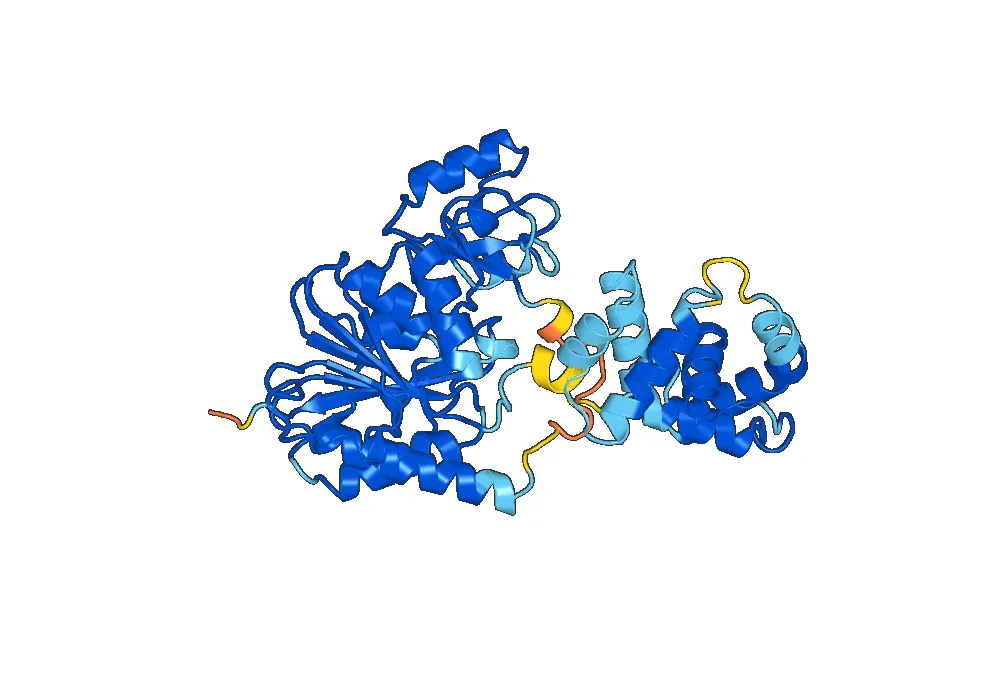
Structure of Recombinant Human APP Protein
The recombinant form of APP protein is produced by cloning and expressing the APP gene in host cells, such as E. coli or mammalian cells. The protein consists of 770 amino acids and has a molecular weight of approximately 87 kDa.
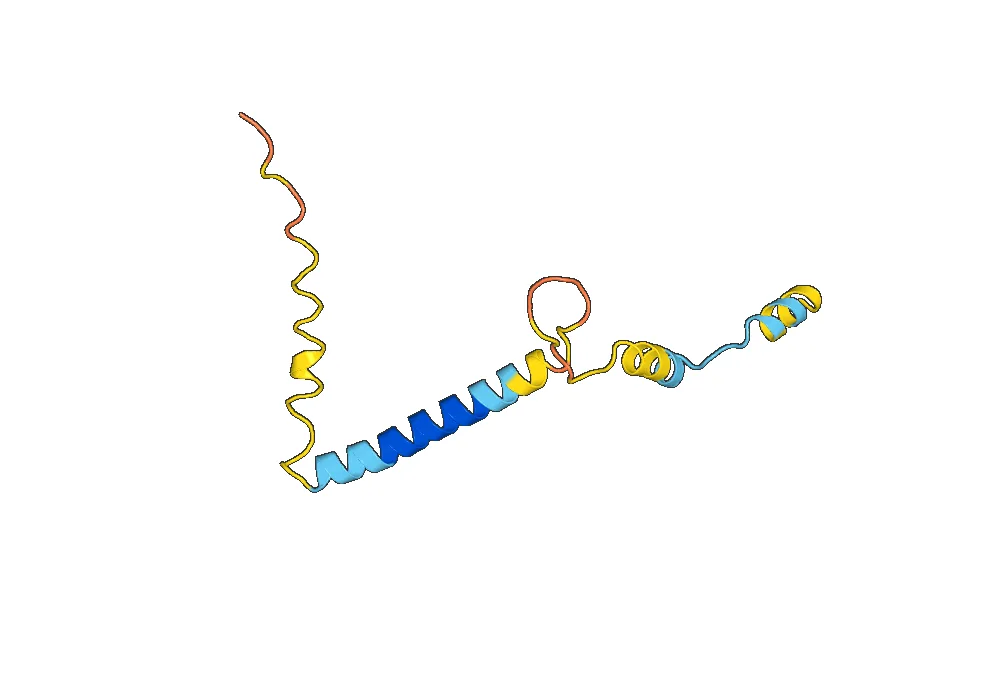
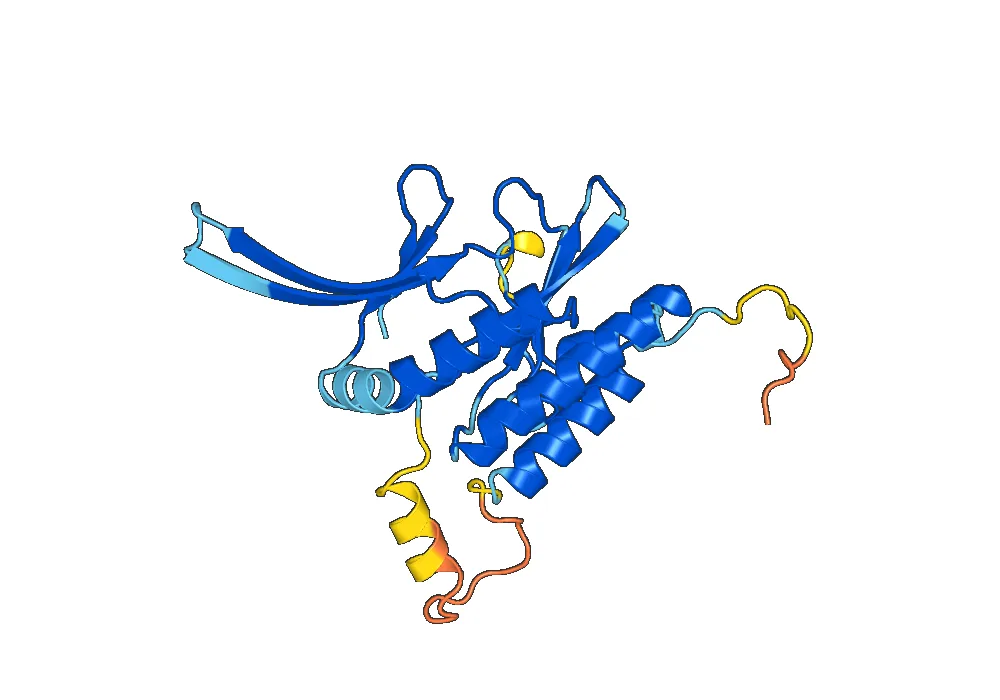
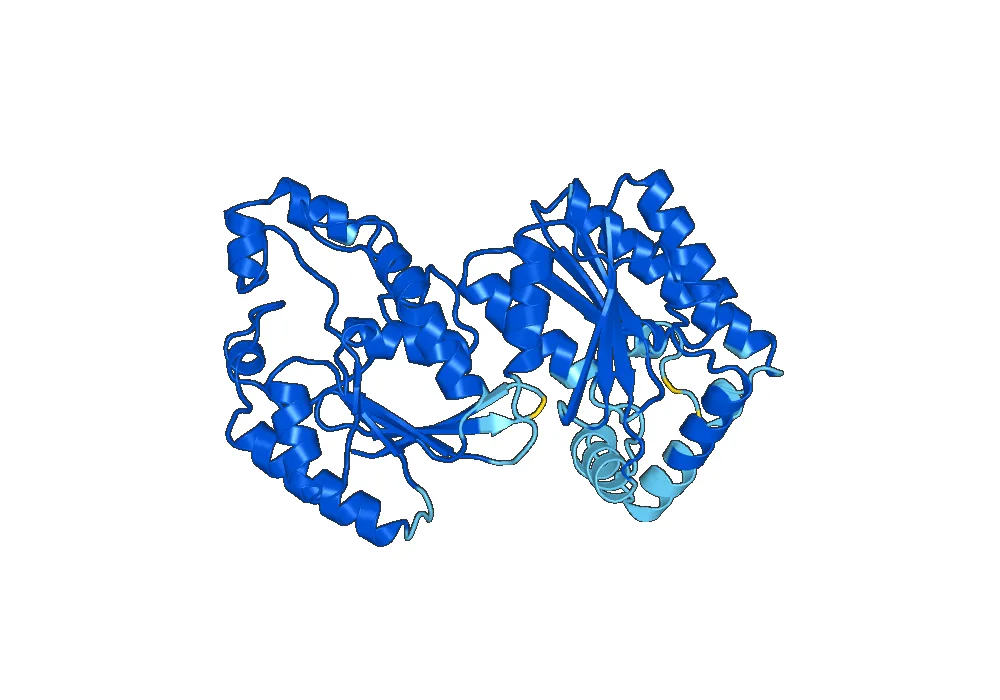
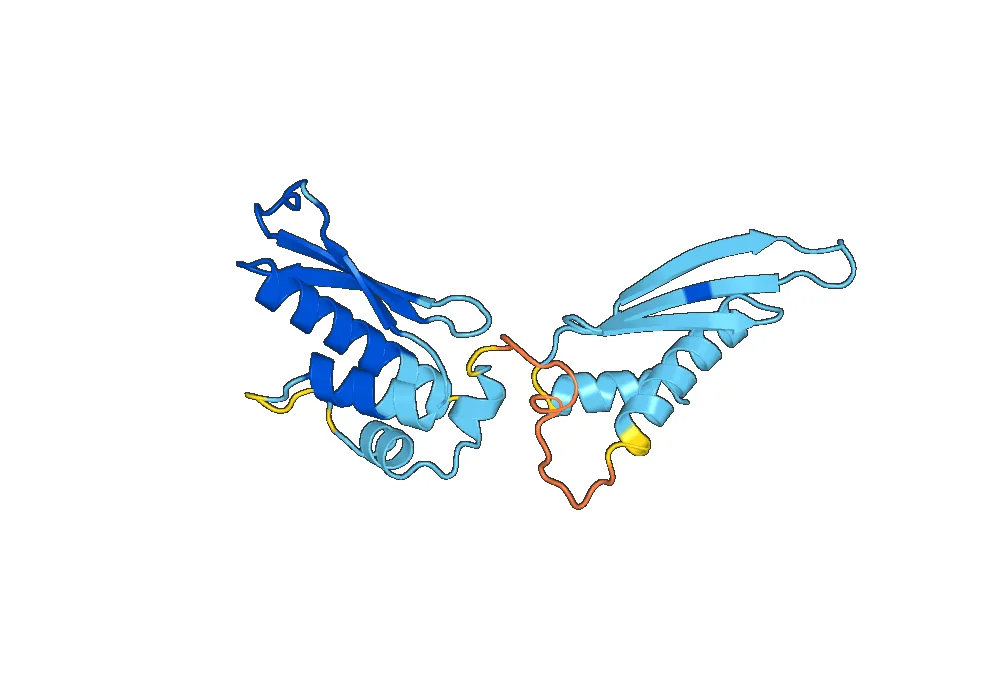
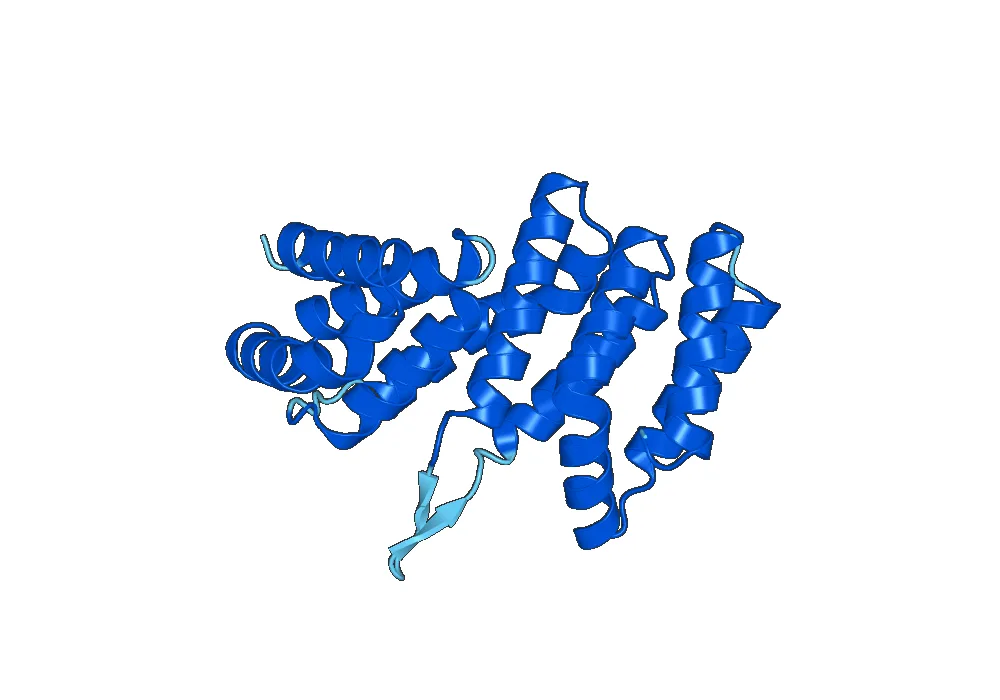
The structure of APP protein includes a large extracellular domain, a single transmembrane domain, and a short cytoplasmic tail. The extracellular domain contains two cysteine-rich domains, a copper-binding domain, and a heparin-binding domain. The transmembrane domain is responsible for anchoring the protein to the cell membrane, while the cytoplasmic tail is involved in intracellular signaling.
Activity of Recombinant Human APP Protein
The main function of APP protein is to act as a precursor for the amyloid beta peptide, which is a major component of amyloid plaques found in the brains of Alzheimer’s patients. APP is cleaved by two enzymes, beta-secretase and gamma-secretase, to produce amyloid beta peptide. However, when this process is dysregulated, it can lead to the accumulation of toxic forms of amyloid beta, leading to the development of Alzheimer’s disease.
Aside from its role in amyloid beta production, APP also plays a role in neuronal development and repair. It has been shown to promote neurite outgrowth and synapse formation, which are important processes for maintaining cognitive function. Additionally, APP has been implicated in the regulation of calcium homeostasis and cell survival.
Application of Recombinant Human APP Protein
Recombinant Human APP Protein has various applications in both research and clinical settings. In research, it is commonly used as an antigen to study the structure and function of APP and its role in Alzheimer’s disease. It can also be used to investigate the mechanisms of amyloid beta production and its effects on neuronal function.
In clinical settings, recombinant APP protein can be used as a biomarker for Alzheimer’s disease. Elevated levels of APP in cerebrospinal fluid have been linked to the development of the disease, making it a potential diagnostic tool. Additionally, recombinant APP protein can be used in drug discovery and development for Alzheimer’s disease, as it is a key target for potential therapies.
Furthermore, recombinant APP protein has potential therapeutic applications in the treatment of Alzheimer’s disease. One approach is to develop antibodies that target and clear toxic forms of amyloid beta, which can be achieved by targeting APP itself. Another approach is to modulate the activity of beta-secretase and gamma-secretase enzymes to reduce the production of amyloid beta. Recombinant APP protein can also be used in cell-based therapies, where it is delivered to the brain to promote neuronal repair and regeneration.
Conclusion
In summary, Recombinant Human APP Protein is a crucial protein involved in the pathogenesis of Alzheimer’s disease. Its structure, activity, and various applications make it a valuable tool for both research and clinical purposes. Further studies on the role of APP in Alzheimer’s disease may lead to new insights and potential therapies for this debilitating neurodegenerative disorder.

There are no reviews yet.