Recombinant Human PRKRA Protein, also known as protein activator of interferon-induced protein kinase (PACT), is a crucial protein involved in the regulation of cellular response to stress and viral infections. This protein is encoded by the PRKRA gene and is highly conserved across species, indicating its essential role in cellular functions.
Structure of Recombinant Human PRKRA Protein
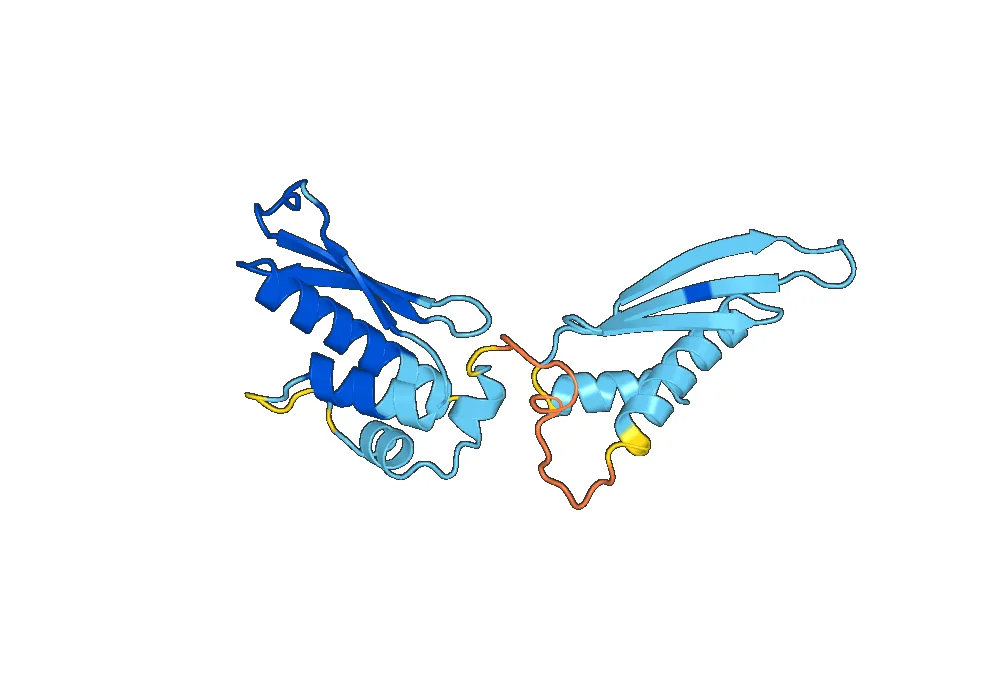
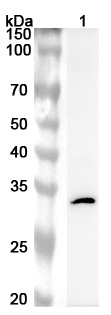
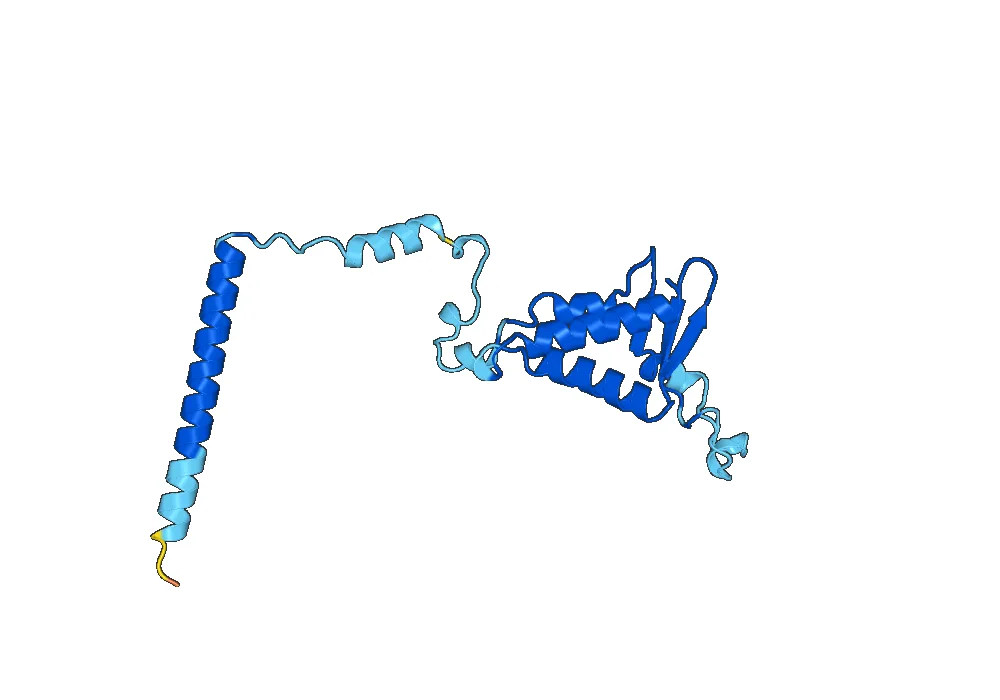
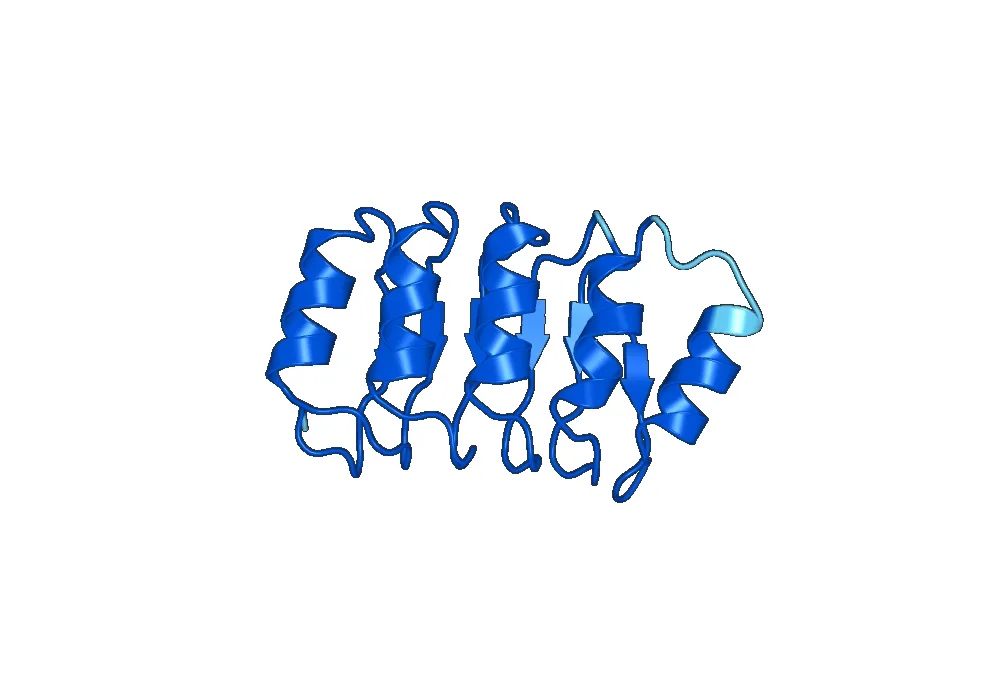
The recombinant form of PRKRA protein is produced through genetic engineering techniques, where the PRKRA gene is inserted into host cells and expressed to produce the desired protein. The resulting protein is a 38 kDa polypeptide chain consisting of 335 amino acids. It contains a double-stranded RNA binding domain (dsRBD) at the N-terminus and a protein kinase-like domain (PKL) at the C-terminus, connected by a linker region.
The dsRBD domain of PRKRA protein is responsible for its interaction with double-stranded RNA (dsRNA), a common intermediate in viral replication. This domain also enables PRKRA to bind to and activate the interferon-induced protein kinase (PKR), a key player in the innate immune response against viral infections. The PKL domain, on the other hand, has a structural similarity to protein kinases but lacks the catalytic residues, suggesting a regulatory role in protein-protein interactions.
Activity of Recombinant Human PRKRA Protein
PRKRA protein is primarily involved in the regulation of interferon response, which is a critical defense mechanism against viral infections. It acts as a cofactor for PKR, facilitating its activation upon binding to viral dsRNA. This leads to the phosphorylation of eIF2α, a translation initiation factor, and subsequent inhibition of viral protein synthesis, thus limiting viral replication.
In addition to its role in antiviral defense, PRKRA has been shown to play a crucial role in cellular stress response. It interacts with and regulates the activity of heat shock protein 70 (HSP70), a chaperone protein that helps in protein folding and prevents protein aggregation under stress conditions. PRKRA also modulates the activity of heat shock factor 1 (HSF1), a transcription factor that regulates the expression of stress response genes.
Application of Recombinant Human PRKRA Protein
The recombinant form of PRKRA protein has various applications in research and medicine. Its role in the innate immune response makes it a potential therapeutic target for viral infections. Studies have shown that overexpression of PRKRA can enhance the antiviral activity of PKR, making it a promising candidate for the development of antiviral drugs.
Moreover, PRKRA has been implicated in several diseases, including cancer, neurodegenerative disorders, and autoimmune diseases. Its interaction with HSP70 and HSF1 suggests its involvement in protein misfolding diseases, such as Alzheimer’s and Parkinson’s. The recombinant form of PRKRA protein can be used to study its role in these diseases and potentially develop targeted therapies.
In conclusion, Recombinant Human PRKRA Protein is a crucial protein with diverse functions in cellular stress response and antiviral defense. Its structural features and activities make it a valuable tool for understanding its role in various diseases and developing potential treatments. Further research on this protein may lead to new insights and applications in the future.
There are no reviews yet.