Introduction
Recombinant proteins are proteins that are produced through genetic engineering techniques, in which the DNA sequence that codes for a specific protein is inserted into a host cell, such as bacteria or yeast, to produce large quantities of the desired protein. One such recombinant protein is the Recombinant Human ASB9 Protein, which has gained significant attention in the scientific community due to its unique structure, diverse activity, and potential applications in various fields.
Structure of Recombinant Human ASB9 Protein
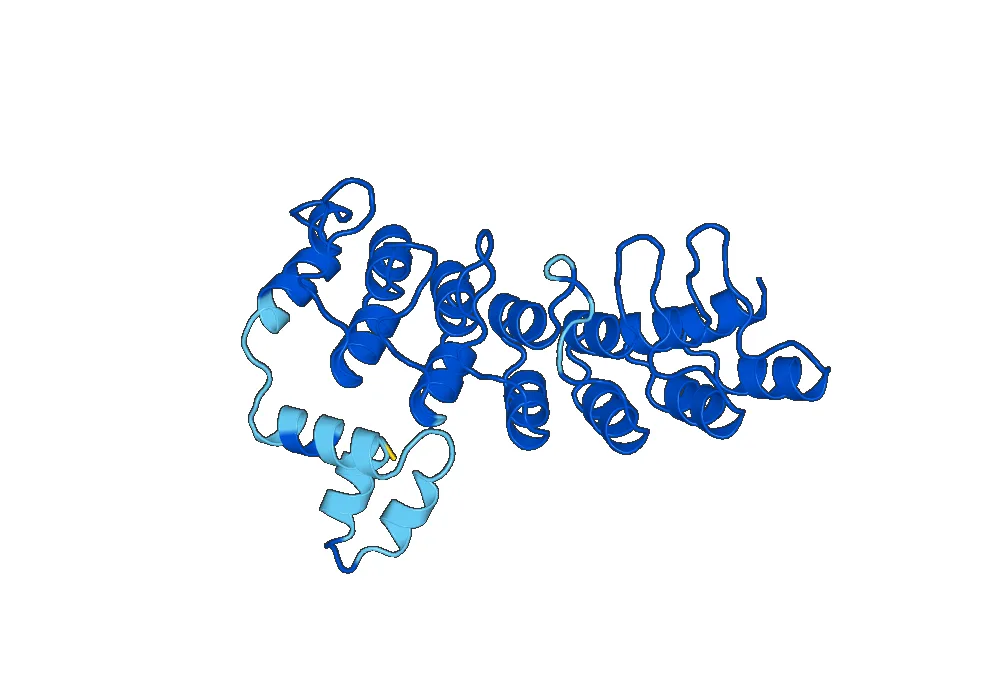
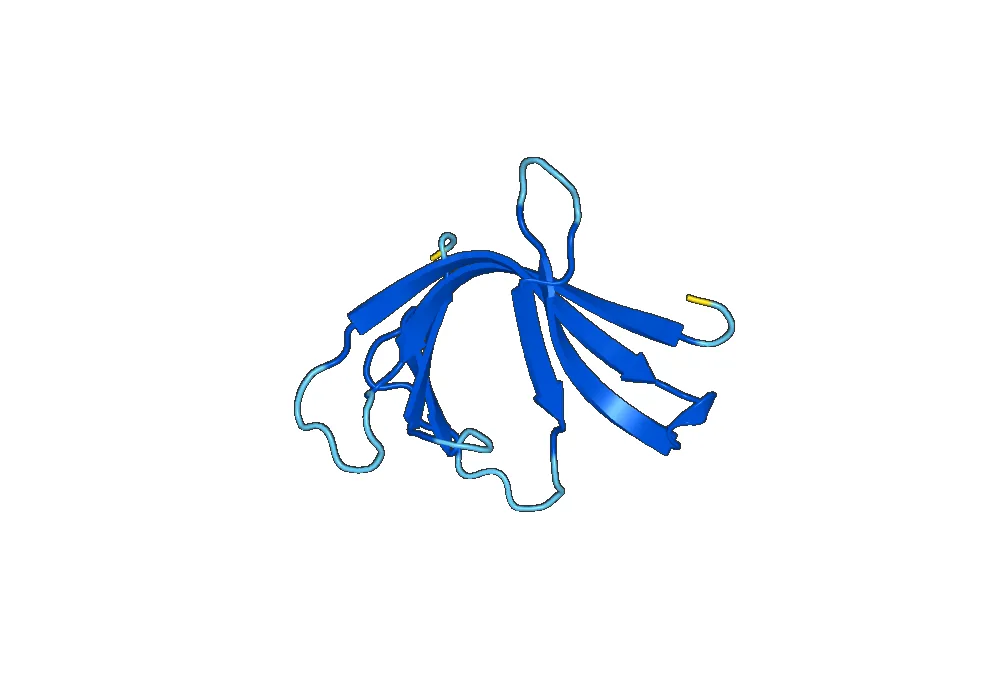
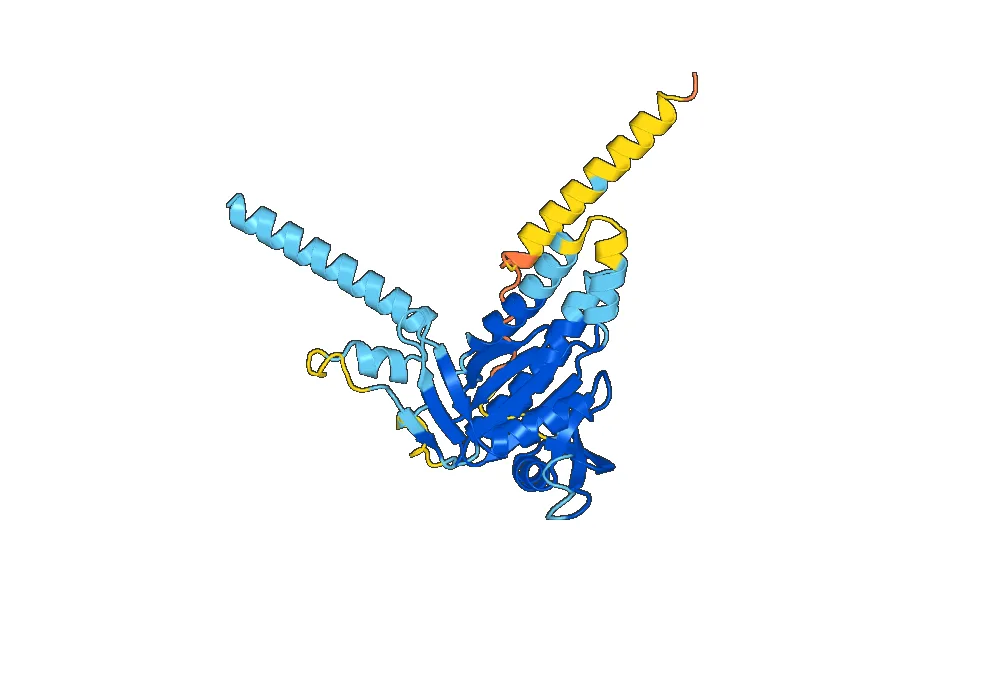
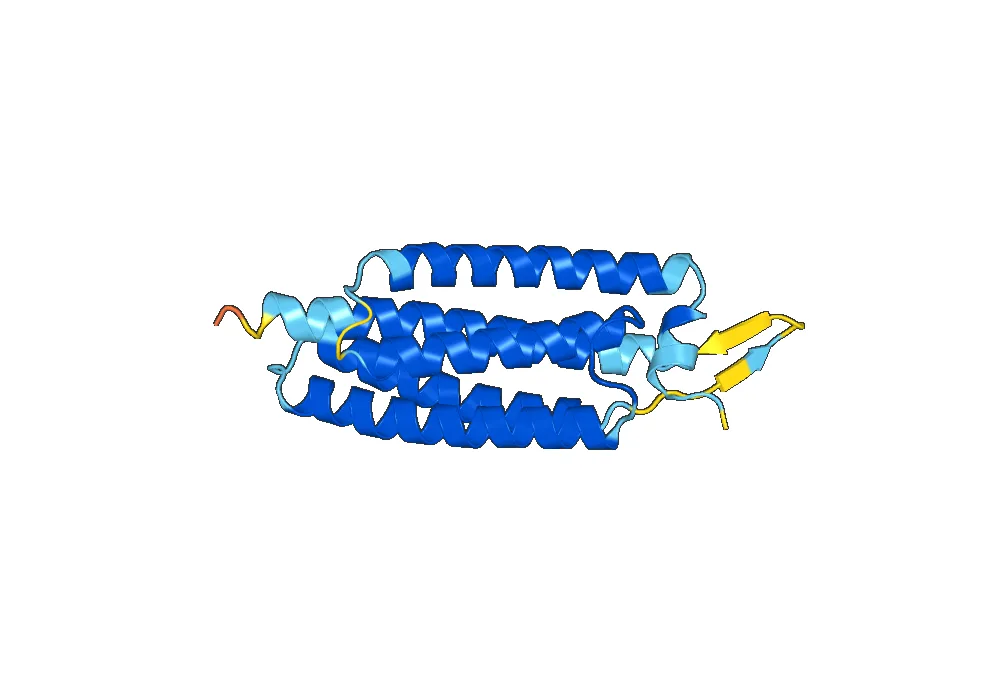
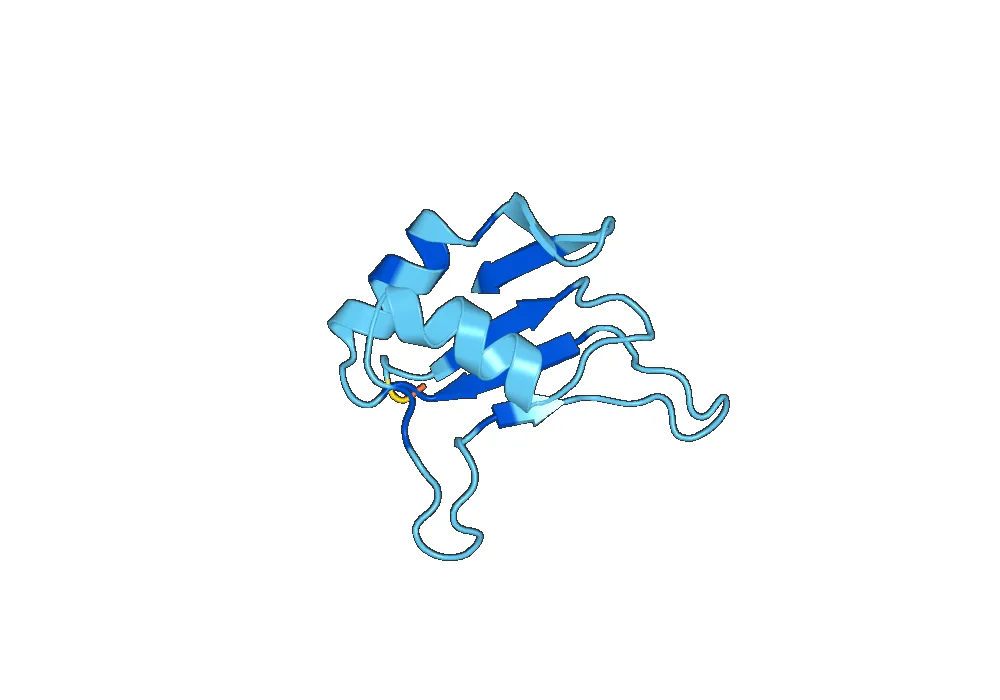
The Recombinant Human ASB9 Protein is a member of the ankyrin repeat and SOCS box-containing (ASB) protein family, which consists of 18 members in humans. It is composed of 215 amino acids and has a molecular weight of approximately 24 kDa. The protein contains an N-terminal ankyrin repeat domain, followed by a central proline-rich region and a C-terminal SOCS box domain. The ankyrin repeat domain is responsible for protein-protein interactions, while the SOCS box domain is involved in protein degradation through the ubiquitin-proteasome pathway.
Activity of Recombinant Human ASB9 Protein
The main function of Recombinant Human ASB9 Protein is to serve as a substrate recognition component of the E3 ubiquitin-protein ligase complex, which targets specific proteins for degradation. This activity is mediated through its SOCS box domain, which binds to the elongin B and C proteins to form the E3 ubiquitin ligase complex. The ankyrin repeat domain also plays a crucial role in this process by recognizing and binding to target proteins, leading to their ubiquitination and subsequent degradation.
Additionally, Recombinant Human ASB9 Protein has been shown to interact with other proteins involved in various cellular processes, such as cell signaling, transcriptional regulation, and cytoskeletal organization. This highlights the diverse activity of this protein and its potential involvement in multiple cellular pathways.
Application of Recombinant Human ASB9 Protein
Due to its unique structure and activity, Recombinant Human ASB9 Protein has been studied for its potential applications in various fields, including cancer research, immunology, and neurobiology.
In cancer research, Recombinant Human ASB9 Protein has been found to play a role in regulating the stability of certain proteins involved in tumor growth and progression. It has also been suggested as a potential therapeutic target for certain types of cancer.
In immunology, Recombinant Human ASB9 Protein has been shown to regulate the activity of immune cells, such as T cells and natural killer cells, through its interaction with specific proteins involved in immune response. This makes it a potential target for the development of immunotherapies for autoimmune diseases and cancer.
In neurobiology, Recombinant Human ASB9 Protein has been implicated in the regulation of synaptic function and plasticity, suggesting its potential involvement in neurological disorders such as Alzheimer’s disease and schizophrenia.
Conclusion
In summary, Recombinant Human ASB9 Protein is a unique protein with a diverse range of activities and potential applications in various fields. Its structure, activity, and potential involvement in multiple cellular pathways make it a promising target for further research and development in the future.

There are no reviews yet.