Structure of Recombinant Human ATP1B2 Protein
Recombinant Human ATP1B2 Protein is a type of protein that is produced through genetic engineering techniques. It is a recombinant protein, meaning that it is created by combining DNA sequences from different sources. The ATP1B2 gene, which codes for this protein, is isolated from human cells and inserted into a host cell, such as bacteria or yeast, to produce large quantities of the protein.
The recombinant human ATP1B2 protein is composed of 303 amino acids and has a molecular weight of approximately 33 kDa. It belongs to the type II transmembrane protein family and is a subunit of the Na+/K+ ATPase enzyme. This enzyme is responsible for maintaining the balance of sodium and potassium ions in cells, which is crucial for various cellular processes.
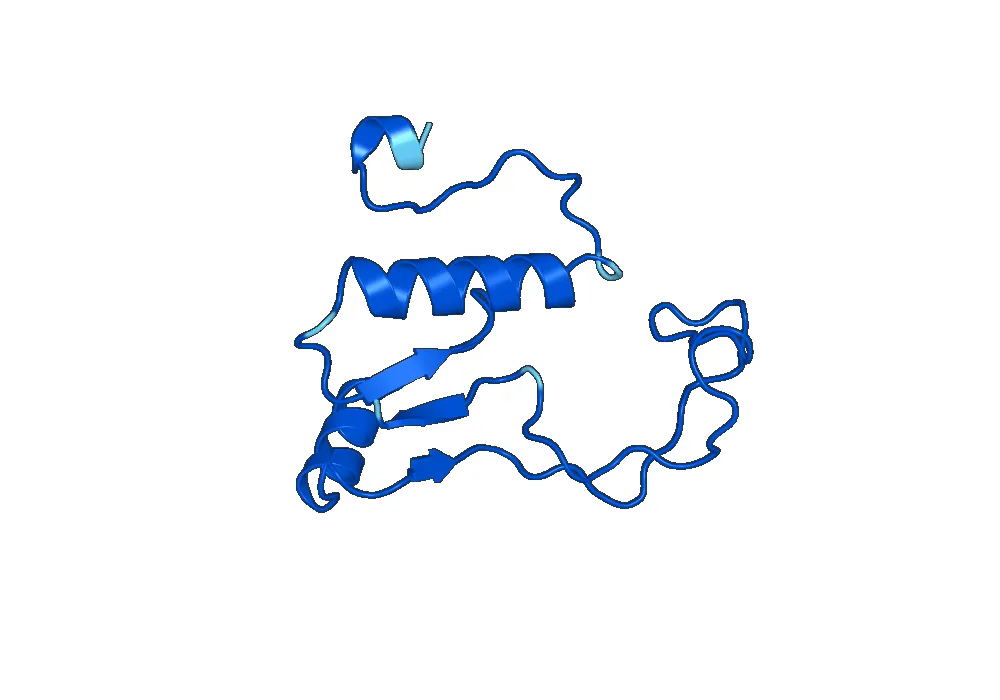
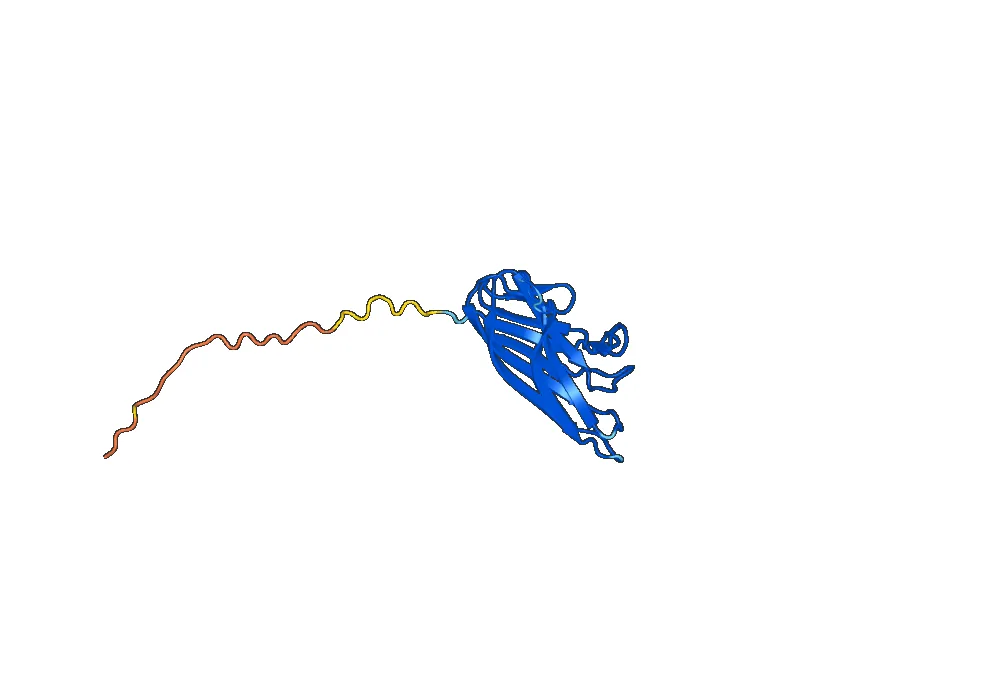
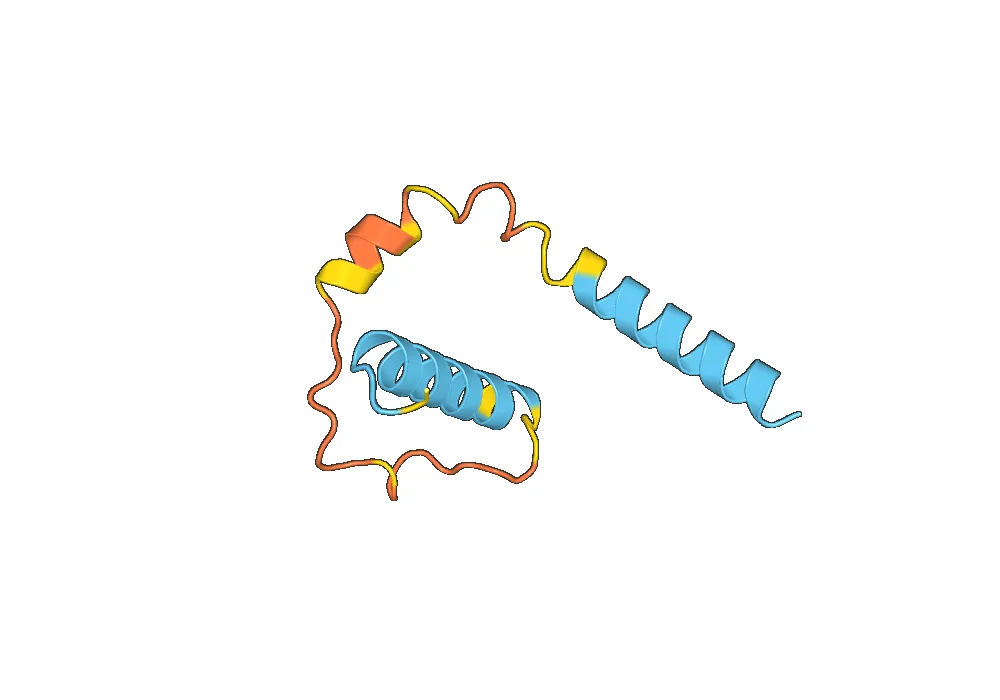
The primary structure of the recombinant human ATP1B2 protein consists of a short cytoplasmic N-terminal domain, a transmembrane domain, and a longer cytoplasmic C-terminal domain. The transmembrane domain is composed of four alpha helices that span the cell membrane, while the cytoplasmic domains are involved in protein-protein interactions and regulation of enzyme activity.
Activity of Recombinant Human ATP1B2 Protein
The main function of the recombinant human ATP1B2 protein is to act as a regulatory subunit of the Na+/K+ ATPase enzyme. It binds to the alpha subunit of the enzyme and helps in its proper folding and assembly. This, in turn, enhances the activity of the enzyme in transporting sodium and potassium ions across the cell membrane.
In addition to its role in regulating the activity of the Na+/K+ ATPase enzyme, the recombinant human ATP1B2 protein also plays a crucial role in maintaining the electrical potential of cells. It helps in establishing and maintaining the membrane potential, which is essential for various cellular processes such as nerve impulse transmission, muscle contraction, and nutrient uptake.
Moreover, the recombinant human ATP1B2 protein has been found to interact with other proteins involved in cell signaling pathways and cell cycle regulation. It has also been linked to cell proliferation and differentiation, making it a potential target for cancer therapy.
Application of Recombinant Human ATP1B2 Protein
The recombinant human ATP1B2 protein has various applications in both research and therapeutic settings. Due to its role in regulating the Na+/K+ ATPase enzyme, it is widely used in studies related to ion transport and membrane potential. It is also used in drug discovery and development, as compounds that target the Na+/K+ ATPase enzyme can potentially modulate the activity of the recombinant human ATP1B2 protein.
Furthermore, the recombinant human ATP1B2 protein has shown promising results in cancer research. Studies have shown that it is overexpressed in certain types of cancer, and targeting this protein can potentially inhibit tumor growth and progression. It is also being investigated as a potential biomarker for cancer diagnosis and prognosis.
In addition, the recombinant human ATP1B2 protein has potential therapeutic applications in conditions such as hypertension, heart failure, and neurological disorders. As it plays a crucial role in regulating membrane potential, targeting this protein can potentially help in the treatment of these diseases.
Conclusion
In summary, the recombinant human ATP1B2 protein is a crucial regulatory subunit of the Na+/K+ ATPase enzyme, involved in maintaining the balance of sodium and potassium ions in cells. Its structure, activity, and various applications make it a valuable protein in both research and therapeutic settings. Further studies on this protein can


There are no reviews yet.