Introduction
Recombinant Human ATP6V1E1 Protein, also known as vacuolar ATPase subunit E1, is a protein that plays a crucial role in the functioning of the vacuolar ATPase complex. This protein is encoded by the ATP6V1E1 gene and is a member of the ATPase family. It is involved in the regulation of intracellular pH and plays a vital role in various cellular processes such as endocytosis, exocytosis, and protein sorting. In this article, we will discuss the structure, activity, and application of Recombinant Human ATP6V1E1 Protein.
Structure of Recombinant Human ATP6V1E1 Protein
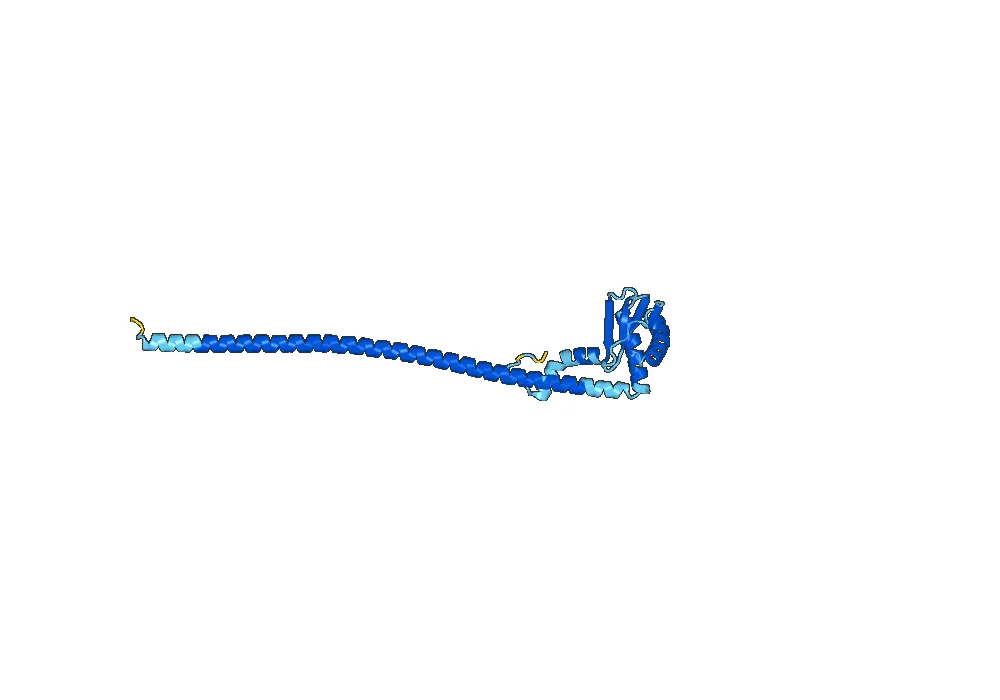
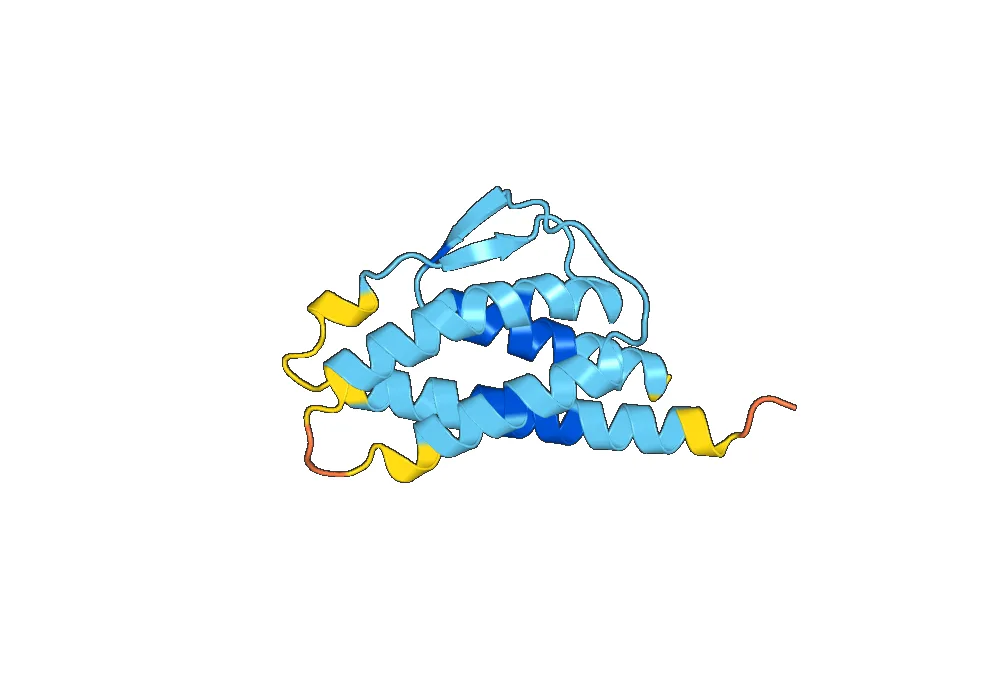
Recombinant Human ATP6V1E1 Protein is a 35 kDa protein consisting of 303 amino acids. It is a single-pass transmembrane protein with a large cytoplasmic domain and a smaller extracellular domain. The cytoplasmic domain contains the ATP-binding site, which is essential for the functioning of the protein. The extracellular domain is responsible for binding to other subunits of the vacuolar ATPase complex.
Activity of Recombinant Human ATP6V1E1 Protein
The main activity of Recombinant Human ATP6V1E1 Protein is to form a part of the vacuolar ATPase complex. This complex is responsible for maintaining the acidic environment inside the cell by pumping protons from the cytoplasm into the vacuole. This process is essential for various cellular processes, including endocytosis, exocytosis, and protein sorting.
Apart from its role in regulating intracellular pH, Recombinant Human ATP6V1E1 Protein also plays a crucial role in maintaining the integrity of the Golgi apparatus. It is involved in the regulation of Golgi pH, which is necessary for the proper functioning of this organelle. Additionally, this protein also plays a role in the formation and maintenance of lysosomes, which are responsible for degrading cellular waste and foreign substances.
Application of Recombinant Human ATP6V1E1 Protein
The unique structure and activity of Recombinant Human ATP6V1E1 Protein make it a valuable tool in various research and medical applications. Some of the key applications of this protein are:
1. Study of vacuolar ATPase complex
Recombinant Human ATP6V1E1 Protein is widely used in the study of the vacuolar ATPase complex. Its ability to form a part of this complex makes it an ideal target for understanding the structure and function of this essential cellular machinery.
2. Drug discovery
The role of Recombinant Human ATP6V1E1 Protein in regulating intracellular pH and maintaining the integrity of the Golgi apparatus makes it a potential target for drug discovery. Modulation of this protein’s activity could lead to the development of new drugs for various diseases, including cancer and neurodegenerative disorders.
3. Diagnostic tool
Recombinant Human ATP6V1E1 Protein can also be used as a diagnostic tool for various diseases. Changes in the expression or activity of this protein have been linked to several diseases, and its detection in patient samples could aid in early diagnosis and treatment.
4. Vaccine development
Recombinant Human ATP6V1E1 Protein has also been studied as a potential antigen for vaccine development. Its role in regulating intracellular pH and maintaining the integrity of the Golgi apparatus makes it an attractive target for developing vaccines against infections caused by intracellular pathogens.
Conclusion
Recombinant Human ATP6V1E1 Protein is a crucial component of the vacuolar ATPase complex, playing a vital role in regulating intracellular pH and maintaining the integrity of various cellular organelles. Its unique structure and activity make it a valuable tool in various research and medical applications, including




There are no reviews yet.