Introduction to Recombinant Human CD289/TLR9
Recombinant Human CD289/TLR9 is a protein that plays a crucial role in the innate immune response. It is a member of the Toll-like receptor (TLR) family, which recognizes pathogen-associated molecular patterns (PAMPs) and activates the immune system. CD289/TLR9 specifically recognizes unmethylated CpG DNA, which is a common feature of many bacterial and viral genomes. This protein is an important target for research and drug development, as it has been implicated in various diseases and has potential as a therapeutic agent.
Structure of Recombinant Human CD289/TLR9
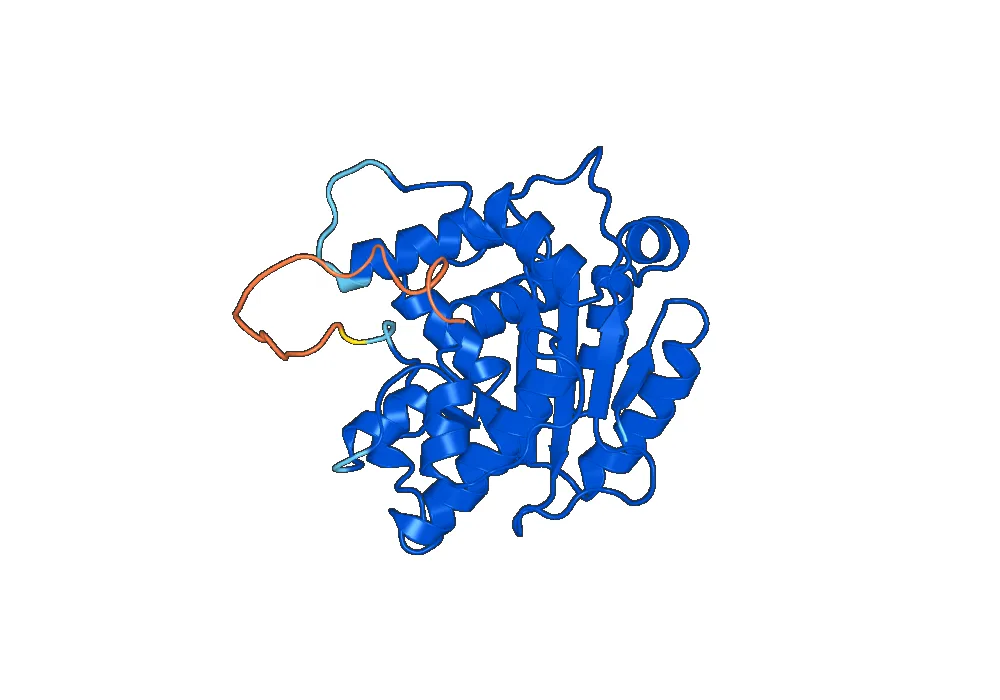
Recombinant Human CD289/TLR9 is a type I transmembrane protein, meaning it spans the cell membrane with its N-terminus on the extracellular side and its C-terminus on the cytoplasmic side. It is composed of an extracellular domain, a transmembrane domain, and a cytoplasmic Toll/IL-1 receptor (TIR) domain. The extracellular domain contains leucine-rich repeats (LRRs) that are responsible for recognizing and binding to unmethylated CpG DNA. The TIR domain is responsible for initiating downstream signaling events upon ligand binding.
Activity of Recombinant Human CD289/TLR9
Upon binding to unmethylated CpG DNA, Recombinant Human CD289/TLR9 undergoes dimerization, which leads to the recruitment of adaptor molecules, including MyD88 and IRAK4. This results in the activation of downstream signaling pathways, including NF-κB and MAPK, which ultimately lead to the production of pro-inflammatory cytokines and type I interferons. These molecules play a critical role in the innate immune response, helping to eliminate pathogens and activate the adaptive immune system.
Application of Recombinant Human CD289/TLR9
Recombinant Human CD289/TLR9 has been extensively studied for its potential as a therapeutic target in various diseases. Its role in recognizing and responding to pathogens makes it an attractive target for infectious diseases. In fact, synthetic CpG oligonucleotides (CpG ODNs) that mimic the unmethylated CpG DNA sequence have been developed as potential immunostimulatory agents for the treatment of viral and bacterial infections. Additionally, CD289/TLR9 has been implicated in autoimmune diseases, such as systemic lupus erythematosus (SLE), and targeting this protein has shown promising results in preclinical studies.
Moreover, Recombinant Human CD289/TLR9 has also been studied in the context of cancer immunotherapy. It has been shown to play a role in the recognition of tumor DNA and activation of anti-tumor immune responses. This has led to the development of CpG ODN-based therapies for cancer, such as the FDA-approved drug, Imiquimod, which activates CD289/TLR9 and has shown efficacy in treating skin cancers.
Furthermore, Recombinant Human CD289/TLR9 has been studied for its potential as an adjuvant in vaccines. Its ability to activate the immune system and induce a strong immune response makes it an attractive candidate for enhancing the efficacy of vaccines against various diseases. Several studies have shown promising results in using CpG ODNs as adjuvants in vaccines for infectious diseases, allergies, and cancer.
In conclusion, Recombinant Human CD289/TLR9 is a crucial protein in the innate immune response and has shown potential as a therapeutic target in various diseases. Its structure, activity, and applications make it an important protein for research and drug development. Further studies on this protein could lead to the development of novel treatments for a wide range of diseases.
There are no reviews yet.