Introduction
Recombinant Human CDCA2 Protein, also known as cell division cycle-associated protein 2, is a key protein involved in the regulation of cell division and proliferation. It is a highly conserved protein that is found in all eukaryotic organisms and plays an essential role in maintaining genomic stability. In this article, we will discuss the structure, activity, and applications of Recombinant Human CDCA2 Protein.
Structure of Recombinant Human CDCA2 Protein
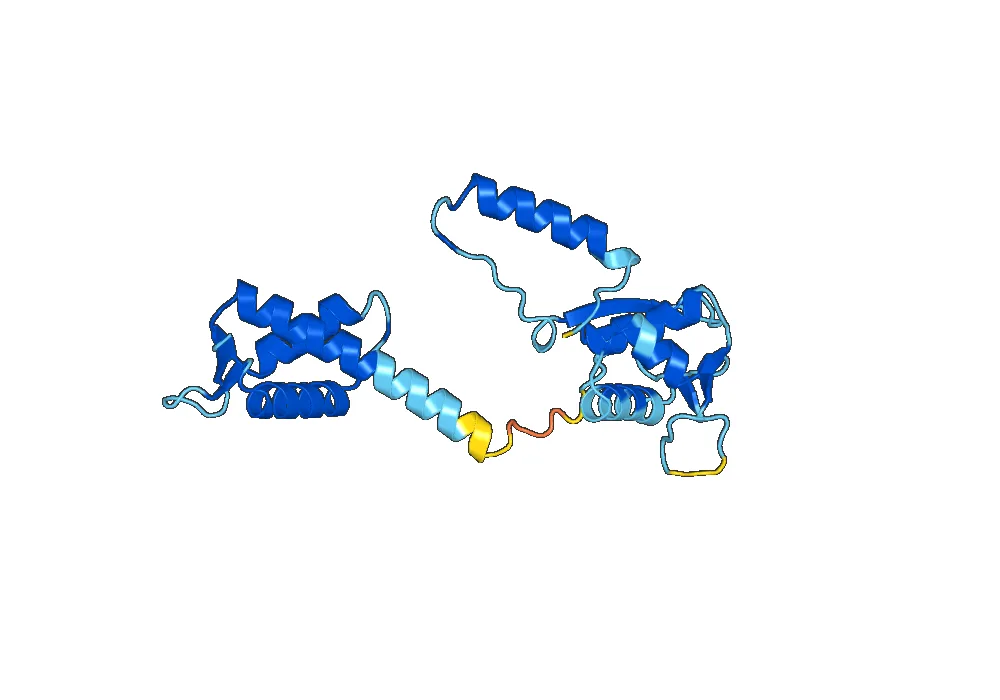
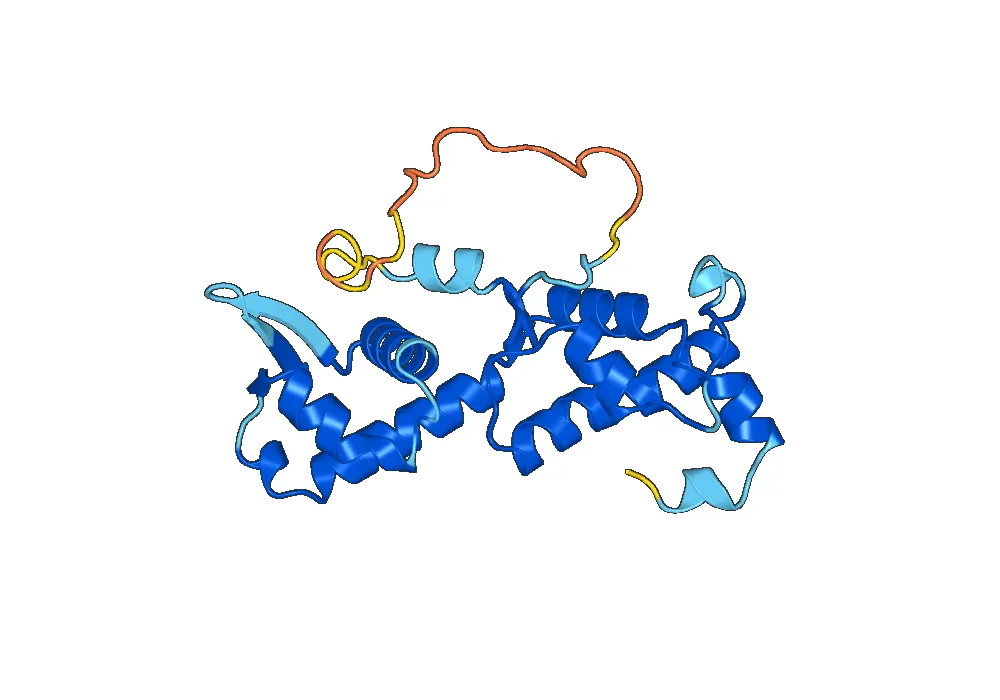
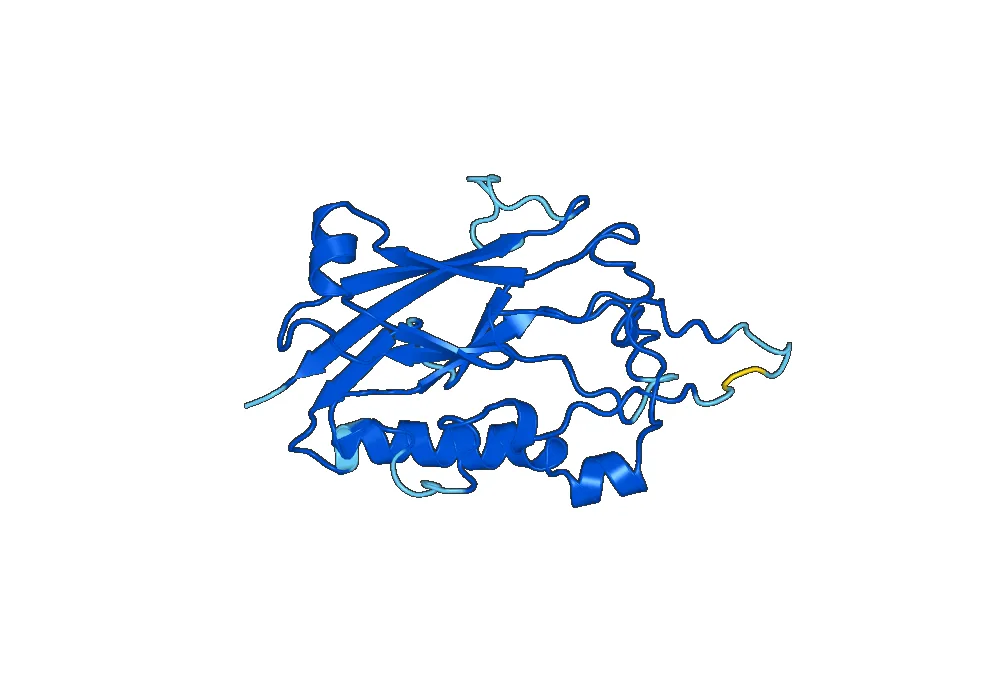
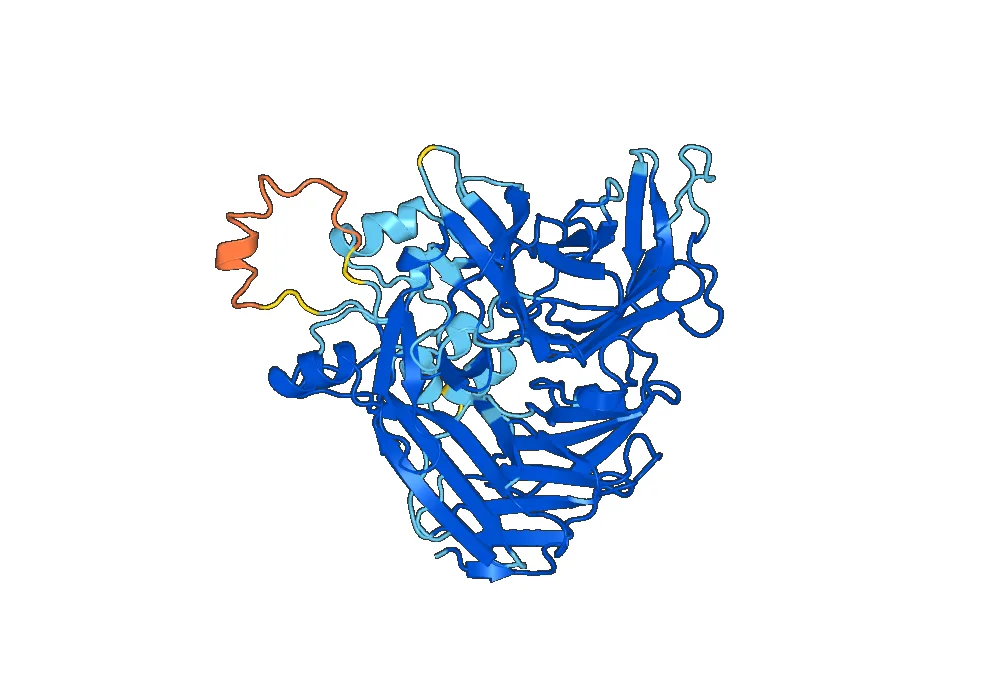
Recombinant Human CDCA2 Protein is a 33 kDa protein that consists of 297 amino acids. It contains an N-terminal domain and a C-terminal domain, which are connected by a flexible linker region. The N-terminal domain is responsible for the binding of CDCA2 to its target proteins, while the C-terminal domain is involved in the regulation of its activity.
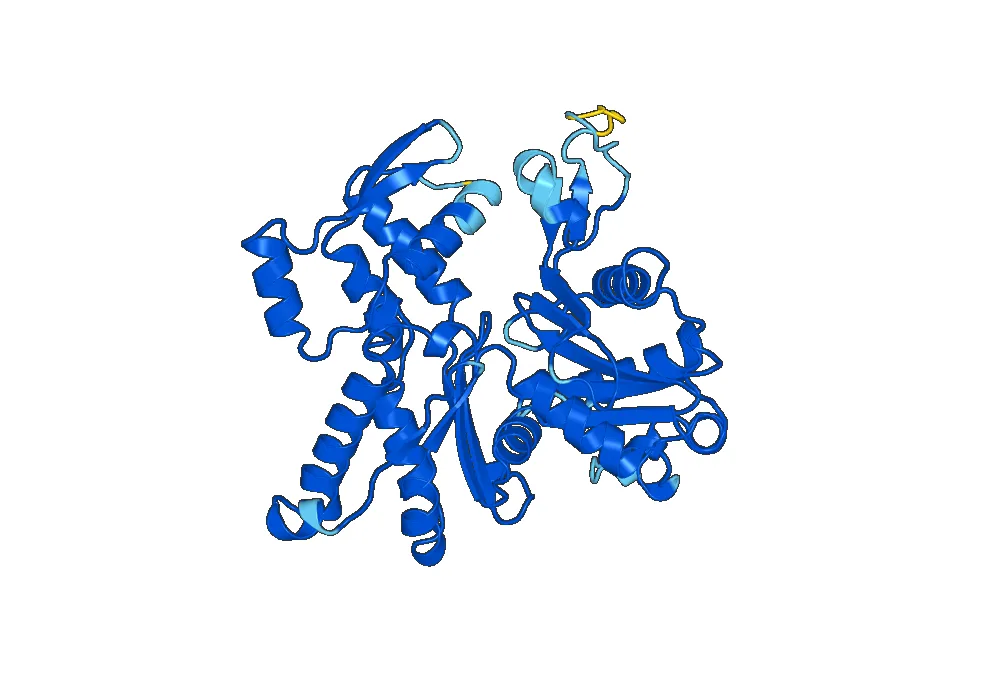
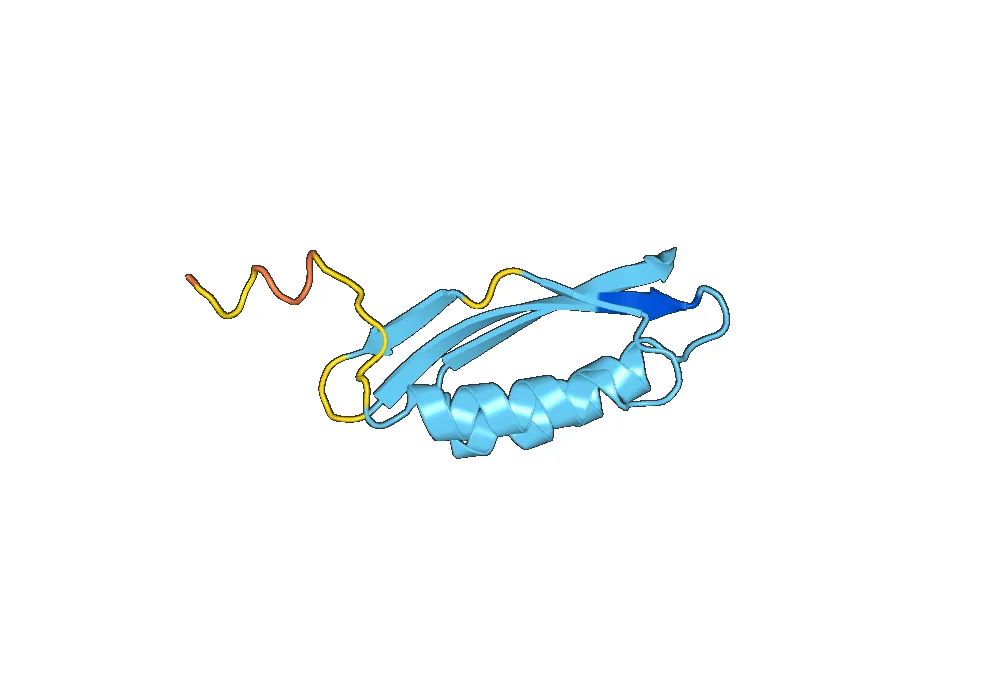
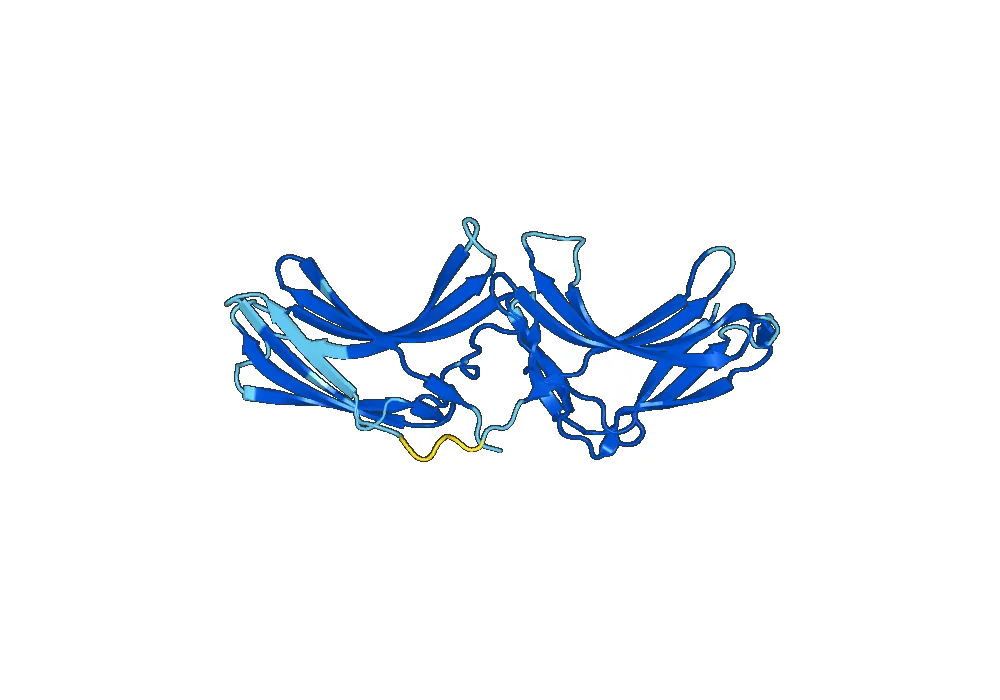
The crystal structure of Recombinant Human CDCA2 Protein has been determined, revealing a compact globular structure with a central beta-sheet surrounded by alpha-helices. This structure is highly conserved among different species, indicating the importance of CDCA2 in cellular processes.
Activity of Recombinant Human CDCA2 Protein
Recombinant Human CDCA2 Protein is a key regulator of cell division and proliferation. It is involved in the G2/M phase transition of the cell cycle, where it promotes the entry of cells into mitosis. CDCA2 achieves this by interacting with other cell cycle proteins, such as cyclin-dependent kinase 1 (CDK1) and cyclin B1, to form a complex that regulates the progression of the cell cycle.
In addition to its role in cell cycle regulation, Recombinant Human CDCA2 Protein has also been shown to play a role in DNA repair. It interacts with other proteins involved in DNA damage response, such as BRCA1 and RAD51, to promote efficient repair of DNA damage and maintain genomic stability.
Applications of Recombinant Human CDCA2 Protein
Recombinant Human CDCA2 Protein has a wide range of applications in both research and clinical settings. Its role in cell cycle regulation makes it a valuable tool for studying cell division and proliferation. It can be used to investigate the mechanisms involved in cell cycle progression and to identify potential targets for cancer therapy.
In addition, Recombinant Human CDCA2 Protein has potential diagnostic and prognostic applications in cancer. It has been found to be overexpressed in several types of cancer, including breast, lung, and colorectal cancer. This overexpression has been associated with poor prognosis and increased tumor aggressiveness. Therefore, measuring CDCA2 levels in cancer cells could provide valuable information for cancer diagnosis and treatment.
Moreover, Recombinant Human CDCA2 Protein has been explored as a potential therapeutic target for cancer treatment. Inhibiting CDCA2 activity has been shown to induce cell cycle arrest and reduce tumor growth in preclinical studies. This makes CDCA2 a promising target for the development of novel cancer therapies.
Conclusion
In conclusion, Recombinant Human CDCA2 Protein is a key protein involved in cell cycle regulation and maintenance of genomic stability. Its highly conserved structure and essential role in cellular processes make it a valuable tool for research and potential target for cancer therapy. Further studies on the structure and activity of CDCA2 will provide a better understanding of its functions and potential applications in various fields.


There are no reviews yet.