Introduction
Recombinant Human ACTR2 Protein, also known as ARP2, is a highly conserved protein that plays an essential role in cell motility and cytoskeleton organization. This protein is encoded by the ACTR2 gene and is a member of the actin-related protein 2/3 (ARP2/3) complex. In this article, we will discuss the structure, activity, and application of this important recombinant protein.
Structure of Recombinant Human ACTR2 Protein
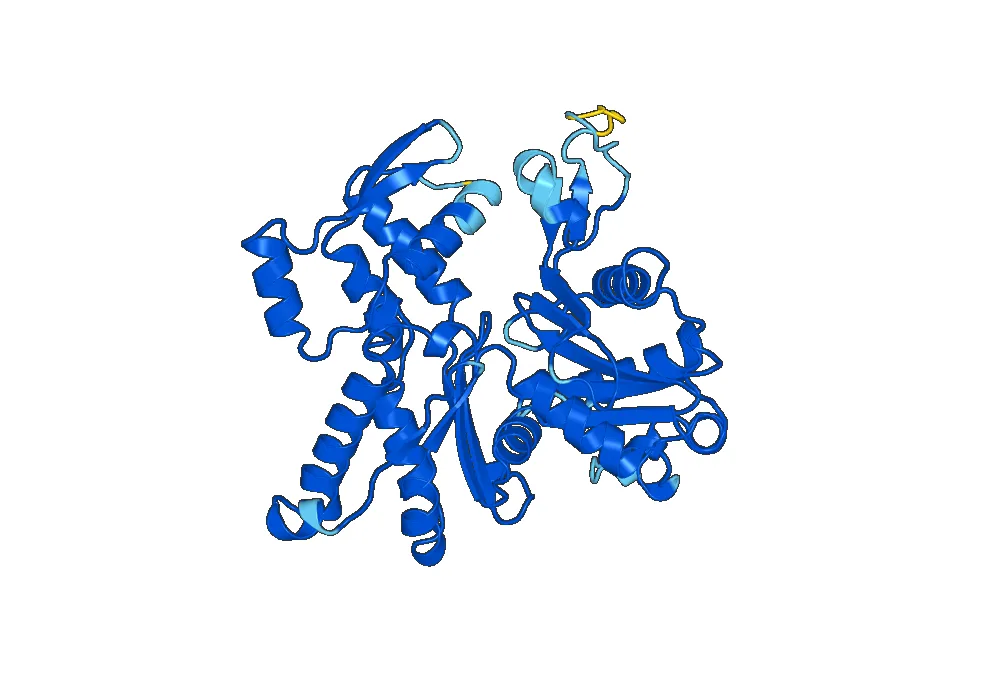
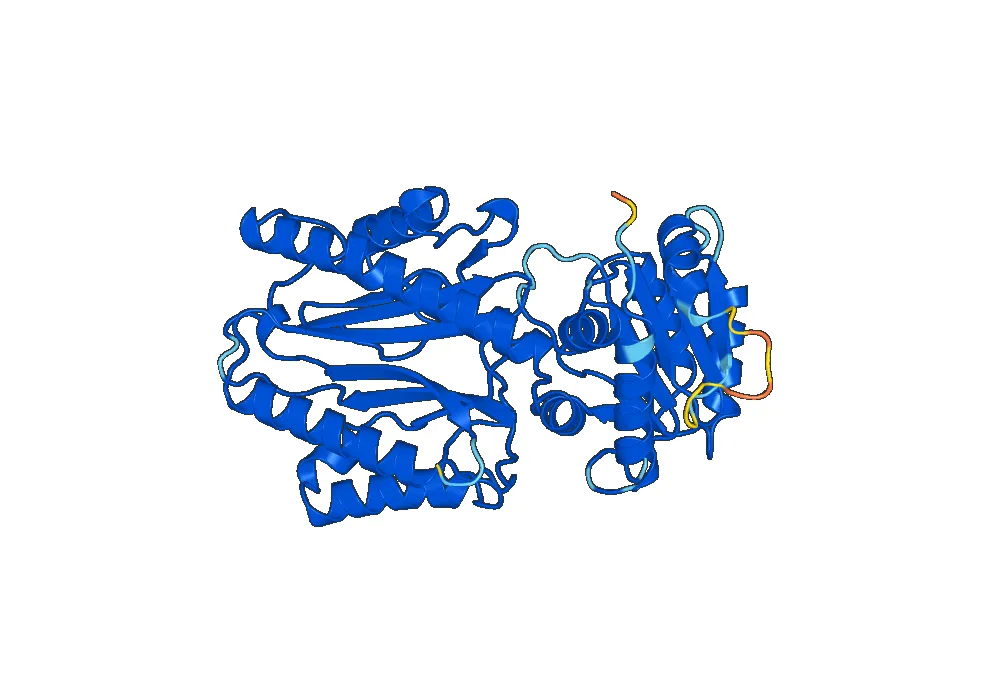
The ACTR2 protein is composed of 414 amino acids, with a molecular weight of 47.5 kDa. It contains an N-terminal actin-binding domain and a C-terminal acidic domain. The actin-binding domain is responsible for binding to actin filaments, while the acidic domain is involved in protein-protein interactions within the ARP2/3 complex.
Recombinant Human ACTR2 Protein is produced through genetic engineering techniques, where the gene encoding ACTR2 is inserted into a suitable expression vector and then expressed in a host cell, such as E. coli or mammalian cells. This allows for the production of large quantities of pure and functional ACTR2 protein for various applications.
Activity of Recombinant Human ACTR2 Protein
The main function of ACTR2 is to nucleate the formation of branched actin filaments, which are essential for cell motility and shape changes. This is achieved through its interaction with the ARP2/3 complex, which is a multi-subunit protein complex that binds to the sides of pre-existing actin filaments and initiates the formation of new branches.
ACTR2 plays a crucial role in the assembly of the actin cytoskeleton, which is involved in various cellular processes, including cell migration, adhesion, and division. It also plays a role in the formation of filopodia and lamellipodia, which are important structures for cell movement and sensing the environment.
Application of Recombinant Human ACTR2 Protein
Recombinant Human ACTR2 Protein has various applications in both research and industrial settings. One of its main uses is in studying the structure and function of the ARP2/3 complex and its role in actin cytoskeleton dynamics. This can help in understanding various cellular processes and diseases related to actin regulation, such as cancer metastasis and immune cell function.
Another application of ACTR2 is in drug discovery and development. As ACTR2 is involved in cell motility and invasion, targeting this protein could potentially inhibit cancer cell migration and metastasis. Recombinant ACTR2 protein can be used in high-throughput screening assays to identify potential drug candidates that can disrupt the interaction between ACTR2 and the ARP2/3 complex.
In addition, ACTR2 can also be used in the production of biosensors for detecting actin dynamics in live cells. By fusing ACTR2 with fluorescent proteins, researchers can visualize the formation of actin filaments in real-time and study their dynamics in response to different stimuli.
Conclusion
Recombinant Human ACTR2 Protein is a crucial component of the ARP2/3 complex and plays a significant role in actin cytoskeleton organization and cell motility. Its production through genetic engineering techniques allows for its use in various research and industrial applications, including drug discovery and biosensor development. Further studies on the structure and function of ACTR2 can lead to a better understanding of its role in cellular processes and potential therapeutic targets for various diseases.



There are no reviews yet.