Introduction
Recombinant Human CIRBP Protein, also known as Cold-Inducible RNA-Binding Protein, is a highly conserved protein that plays a crucial role in cellular stress response and inflammation. It is a 20 kDa protein encoded by the CIRBP gene and is expressed in various tissues and cell types.
Structure of Recombinant Human CIRBP Protein
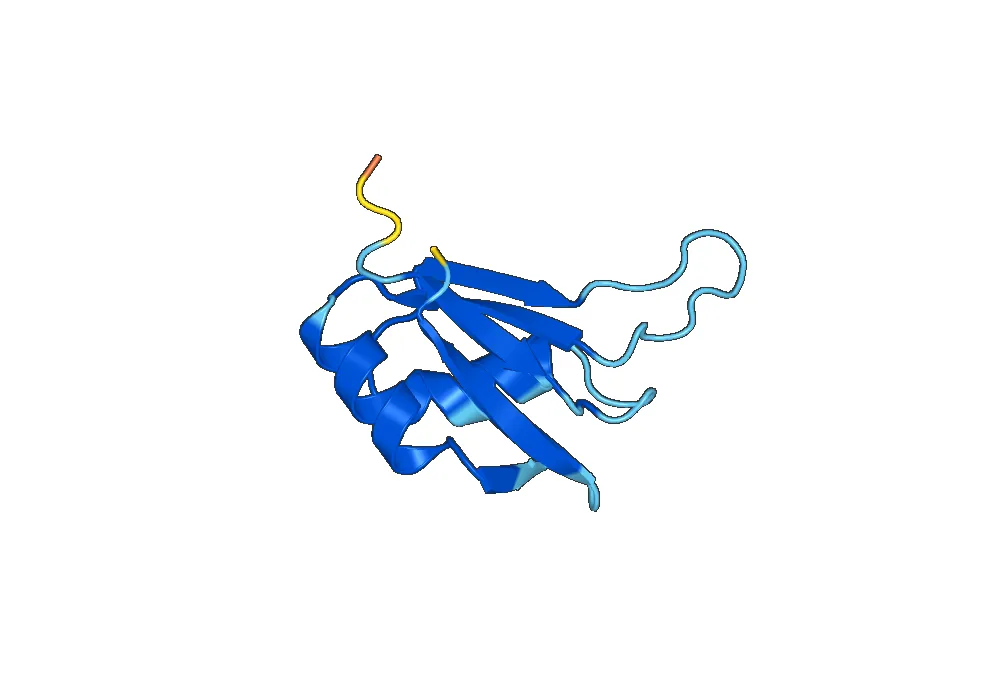
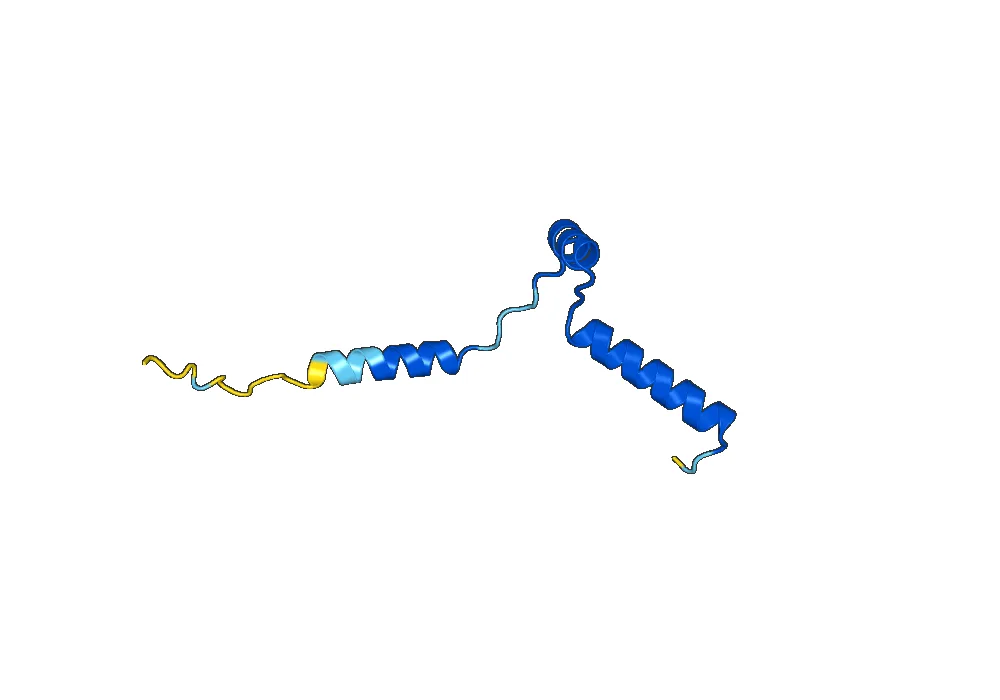
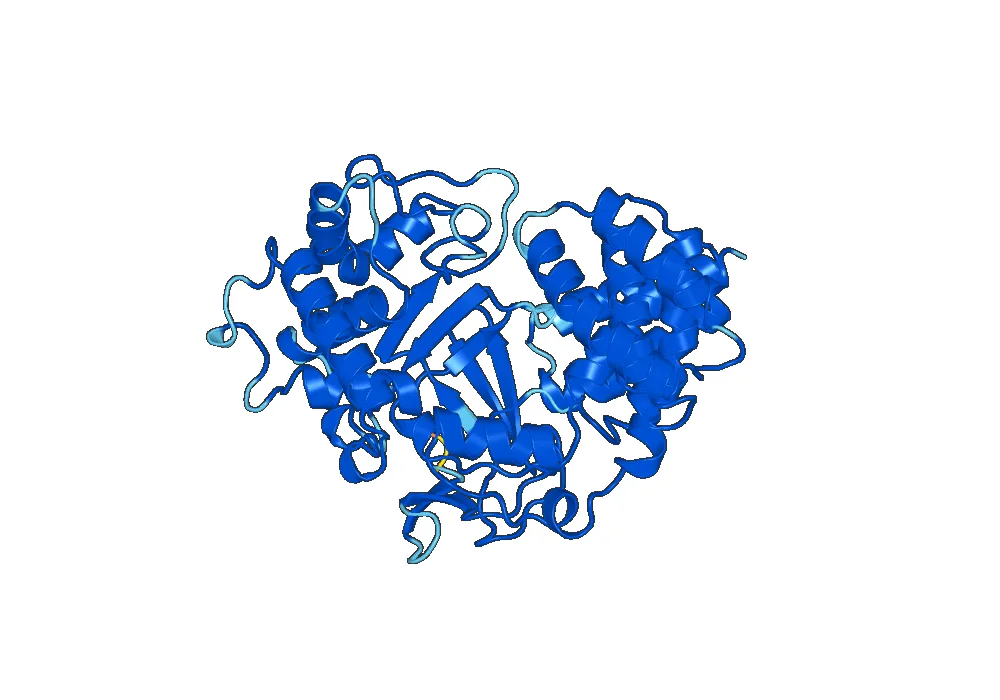
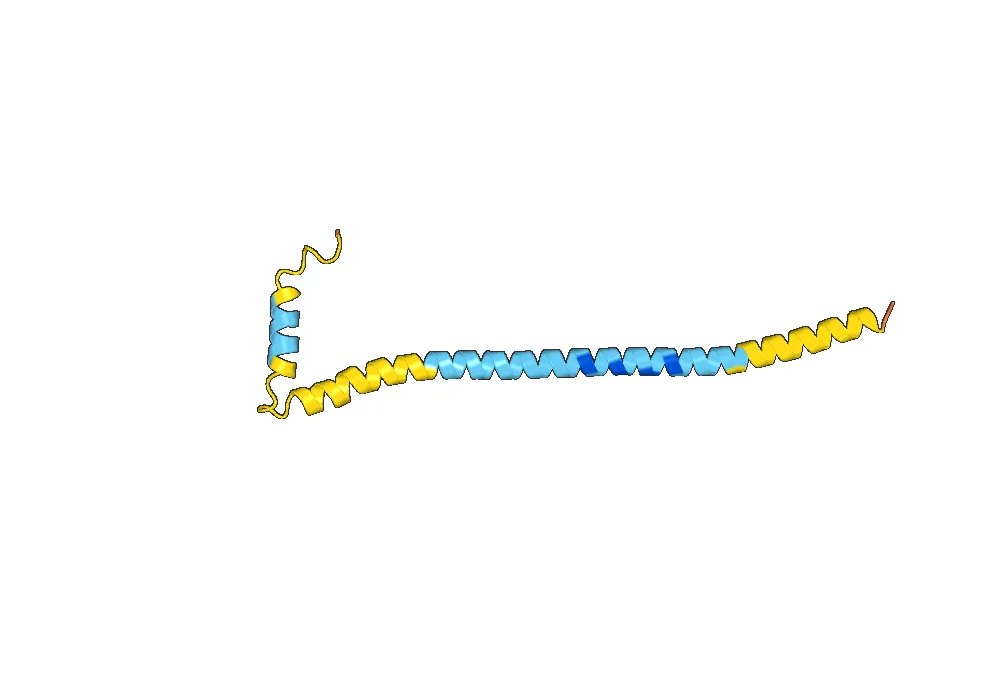
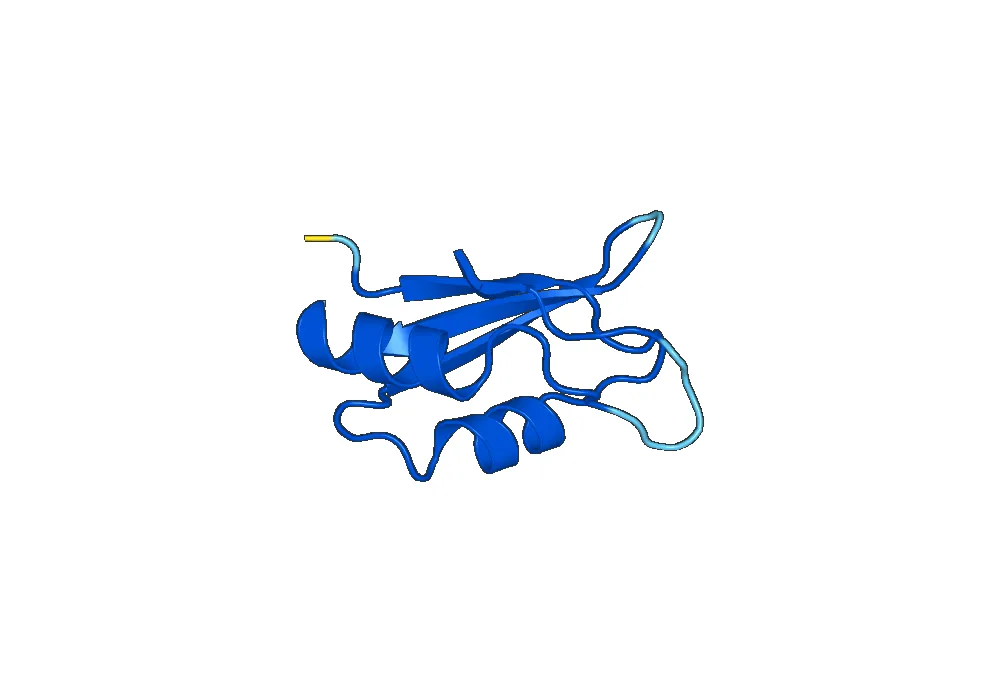
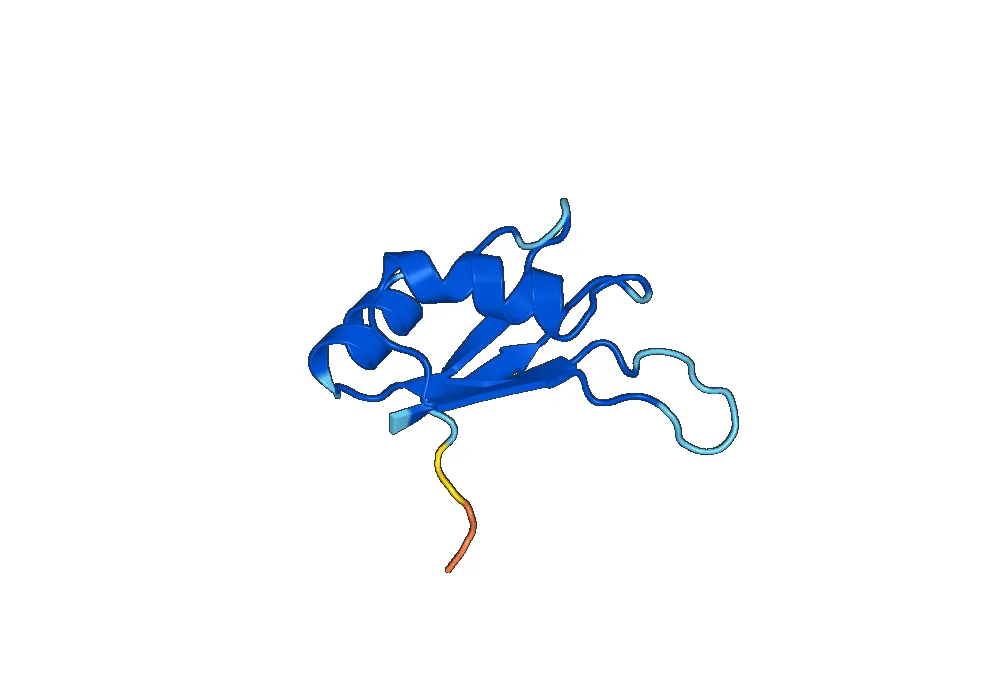
The structure of Recombinant Human CIRBP Protein consists of an RNA-binding domain (RBD) and a glycine-rich domain (GRD). The RBD is responsible for binding to specific RNA sequences, while the GRD is involved in protein-protein interactions. The protein also contains two nuclear localization signals, which allow it to shuttle between the nucleus and cytoplasm.
Activity of Recombinant Human CIRBP Protein
Recombinant Human CIRBP Protein is an RNA-binding protein that is activated in response to various stressors such as cold, hypoxia, and inflammation. It binds to specific RNA sequences and regulates their translation, stability, and subcellular localization. This activity is important for maintaining cellular homeostasis and promoting cell survival under stress conditions.
In addition to its role in RNA regulation, Recombinant Human CIRBP Protein also has chaperone-like activity. It can bind to unfolded proteins and prevent their aggregation, promoting their refolding and proper function. This activity is crucial for protecting cells from damage caused by stressors.
Applications of Recombinant Human CIRBP Protein
Recombinant Human CIRBP Protein has a wide range of applications in both research and medicine. Its ability to bind to specific RNA sequences makes it a valuable tool for studying post-transcriptional gene regulation. It can also be used to identify potential RNA targets and investigate their role in cellular processes.
In the medical field, Recombinant Human CIRBP Protein has potential therapeutic applications. Its role in inflammation and cellular stress response makes it a target for drug development in diseases such as cancer, neurodegenerative disorders, and cardiovascular diseases. It can also be used as a biomarker for monitoring disease progression and response to treatment.
Antigenic Properties of Recombinant Human CIRBP Protein
Recombinant Human CIRBP Protein is an antigen, meaning it can induce an immune response in the body. This property has been utilized in the development of diagnostic tests for autoimmune diseases such as systemic lupus erythematosus and rheumatoid arthritis. It can also be used as an antigen in vaccine development, particularly for diseases associated with inflammation and cellular stress.
Conclusion
In summary, Recombinant Human CIRBP Protein is a versatile protein with important roles in cellular stress response, inflammation, and RNA regulation. Its structure and activity make it a valuable tool for research and potential therapeutic applications. As our understanding of this protein continues to grow, it holds promise for further advancements in the fields of medicine and biotechnology.

There are no reviews yet.