Introduction to Recombinant Human IARS1 Protein
Recombinant Human IARS1 Protein, also known as isoleucyl-tRNA synthetase 1, is a key enzyme involved in protein synthesis. It is encoded by the IARS1 gene and is found in all living organisms. This protein plays a crucial role in the process of translation, where it is responsible for attaching the amino acid isoleucine to its corresponding tRNA molecule. Recombinant Human IARS1 Protein has been extensively studied and is widely used in various fields of research and biotechnology.
Structure of Recombinant Human IARS1 Protein
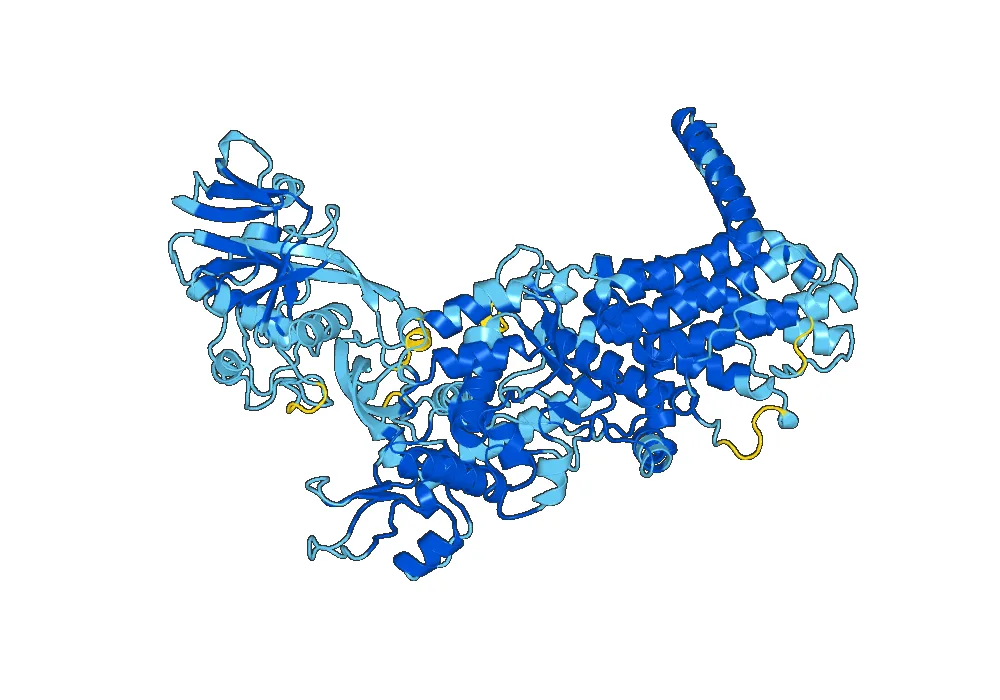
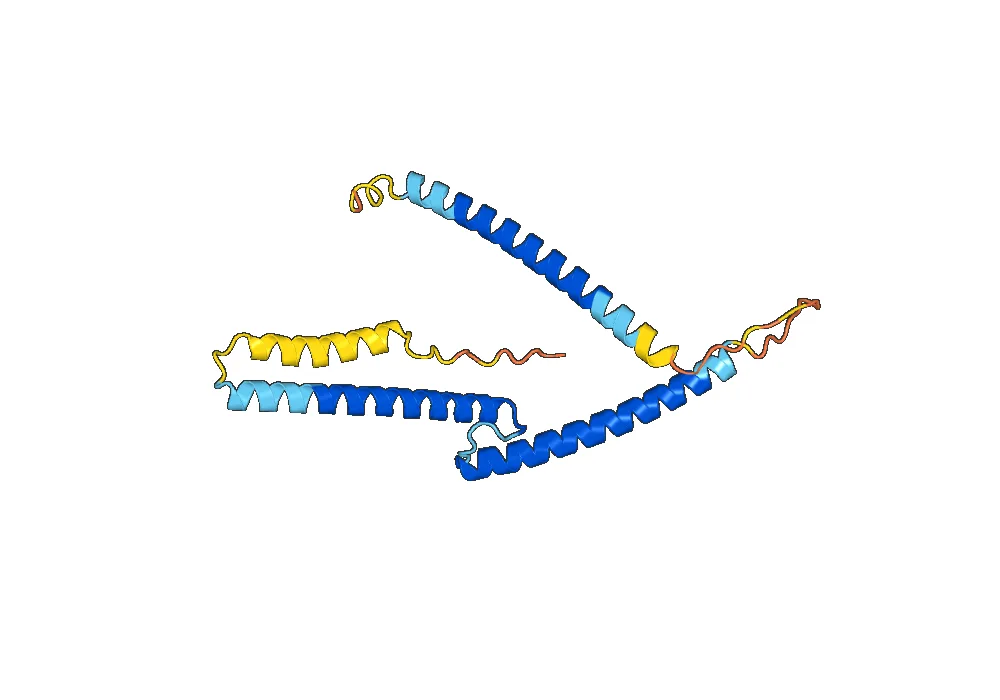
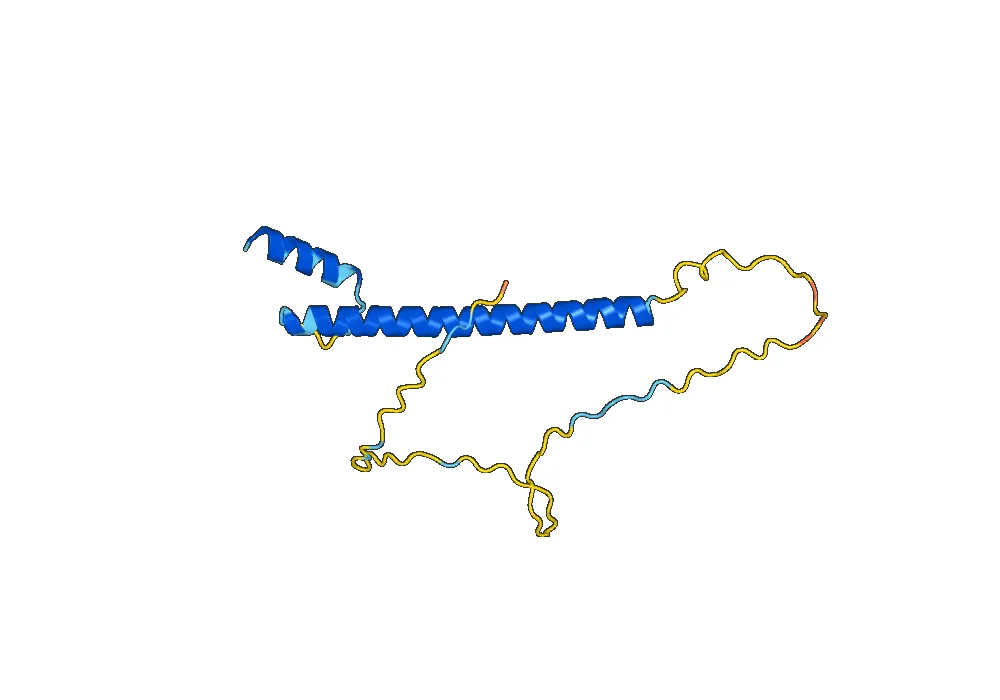
Recombinant Human IARS1 Protein is composed of 1093 amino acids and has a molecular weight of approximately 120 kDa. It is a homodimer, meaning it is made up of two identical subunits. Each subunit consists of three main domains: the N-terminal catalytic domain, the central anticodon binding domain, and the C-terminal anticodon recognition domain. The catalytic domain is responsible for the attachment of isoleucine to tRNA, while the two anticodon binding domains ensure the accuracy of this process.
Activity of Recombinant Human IARS1 Protein
The primary function of Recombinant Human IARS1 Protein is to catalyze the attachment of isoleucine to its corresponding tRNA molecule. This is a crucial step in the process of protein synthesis, as it ensures that the correct amino acid is incorporated into the growing polypeptide chain. In addition to its catalytic activity, Recombinant Human IARS1 Protein also plays a role in proofreading and editing the aminoacylation process to maintain the fidelity of protein synthesis.
Application of Recombinant Human IARS1 Protein
Recombinant Human IARS1 Protein has a wide range of applications in both research and biotechnology. One of its main uses is in the production of recombinant proteins. By attaching a specific tag to the protein of interest, Recombinant Human IARS1 Protein can be used to efficiently and accurately incorporate isoleucine into the protein during expression, ensuring its proper folding and functionality.
In addition to protein production, Recombinant Human IARS1 Protein is also used in the development of new antibiotics. As this protein is essential for protein synthesis, it is an attractive target for new antibacterial drugs. By inhibiting the activity of Recombinant Human IARS1 Protein, these drugs can effectively disrupt bacterial protein synthesis and kill the bacteria.
Furthermore, Recombinant Human IARS1 Protein has been studied for its potential role in certain diseases. Mutations in the IARS1 gene have been linked to a rare genetic disorder called Charcot-Marie-Tooth disease, which affects the peripheral nerves. By studying the structure and function of Recombinant Human IARS1 Protein, researchers hope to gain a better understanding of this disease and potentially develop new treatments.
Conclusion
In summary, Recombinant Human IARS1 Protein is a crucial enzyme involved in protein synthesis. Its unique structure and catalytic activity make it a valuable tool in various fields of research and biotechnology. From protein production to drug development, this protein has a wide range of applications and continues to be a subject of interest for scientists around the world. Further studies on Recombinant Human IARS1 Protein may lead to new insights and advancements in the field of protein synthesis and related diseases.


There are no reviews yet.