Introduction to Recombinant Human ING2 Protein
Recombinant Human ING2 Protein is a synthetic protein that is produced in the laboratory using genetic engineering techniques. It is derived from the human ING2 gene, which codes for the ING2 protein. This protein plays a crucial role in regulating gene expression and is involved in various cellular processes such as DNA repair, cell cycle control, and apoptosis.
Structure of Recombinant Human ING2 Protein
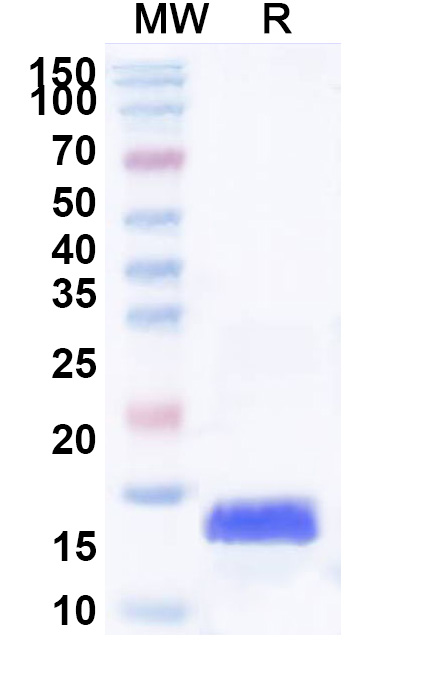
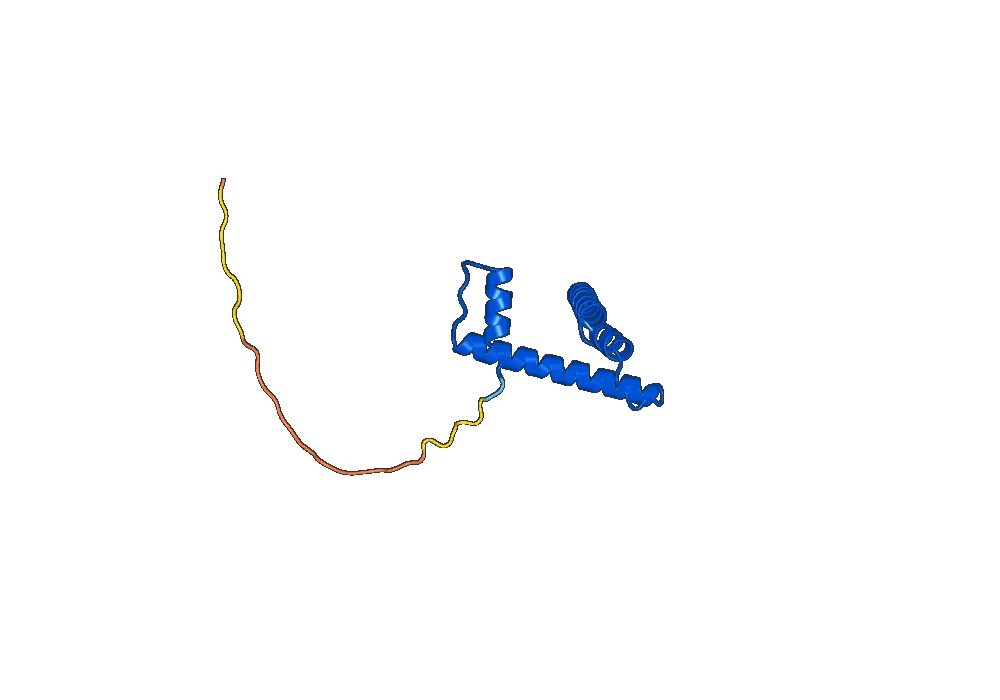
The recombinant form of ING2 protein is a 33 kDa protein consisting of 281 amino acids. It has a conserved N-terminal PHD (plant homeodomain) finger domain, which is responsible for binding to histone H3 and H4, and a C-terminal domain that interacts with other proteins involved in gene regulation.
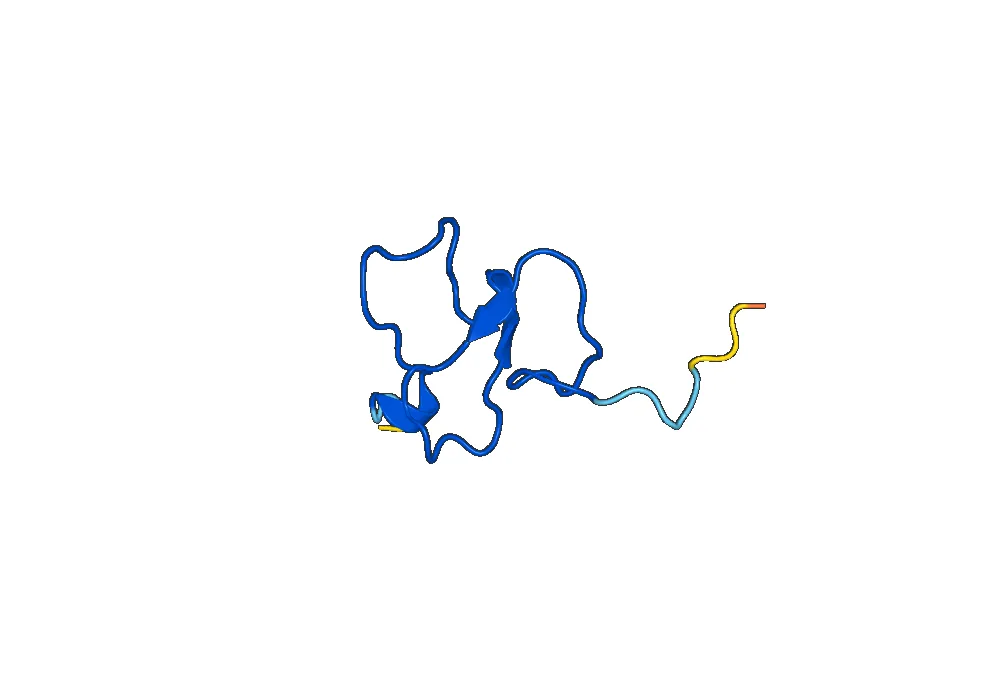
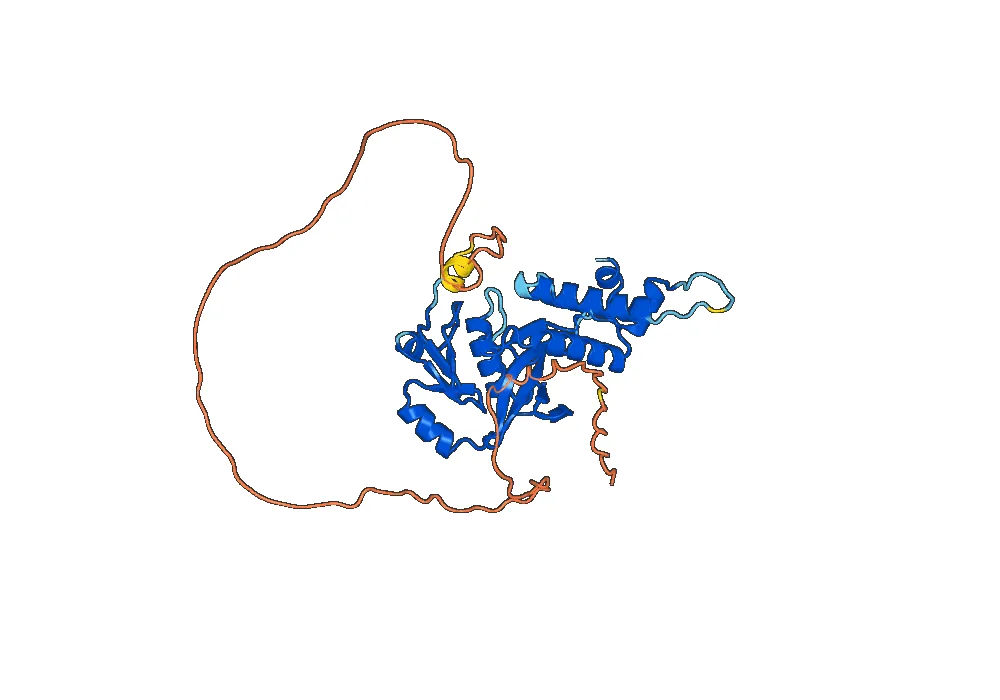
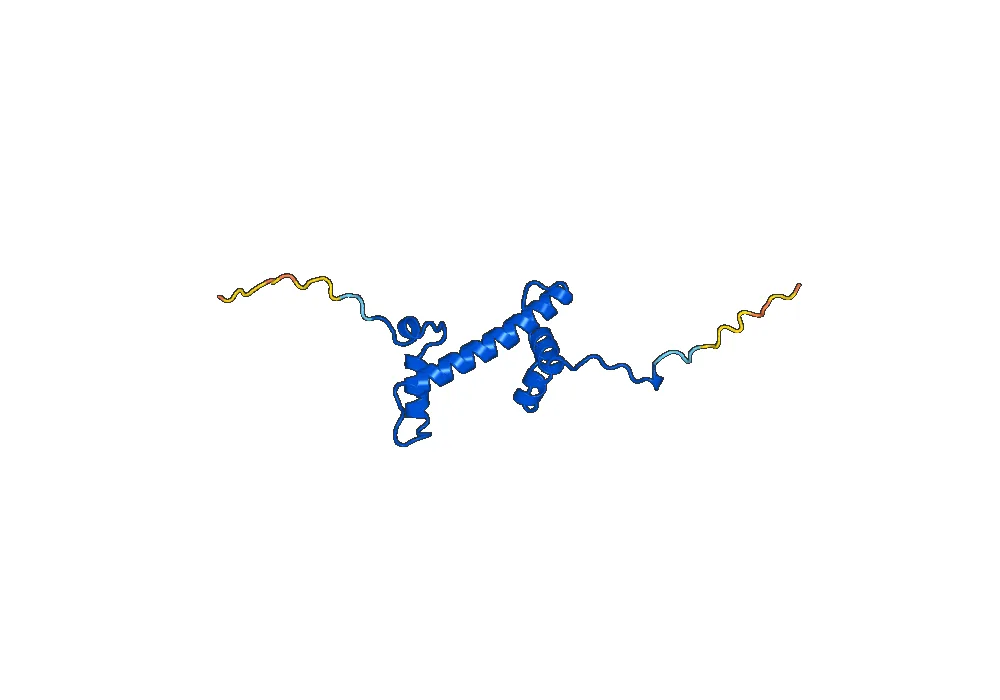
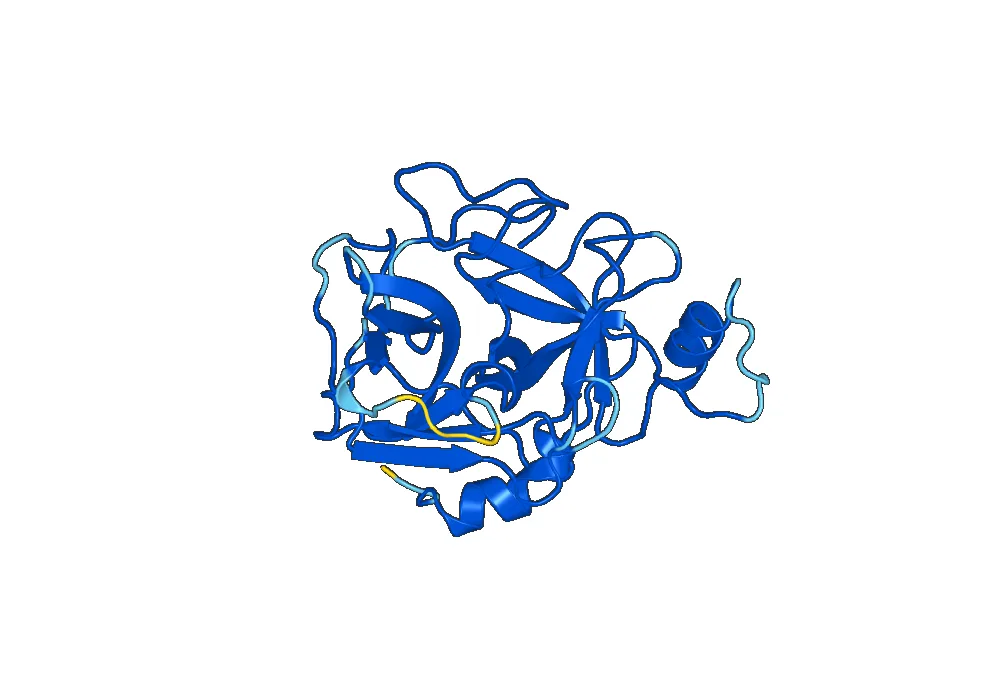
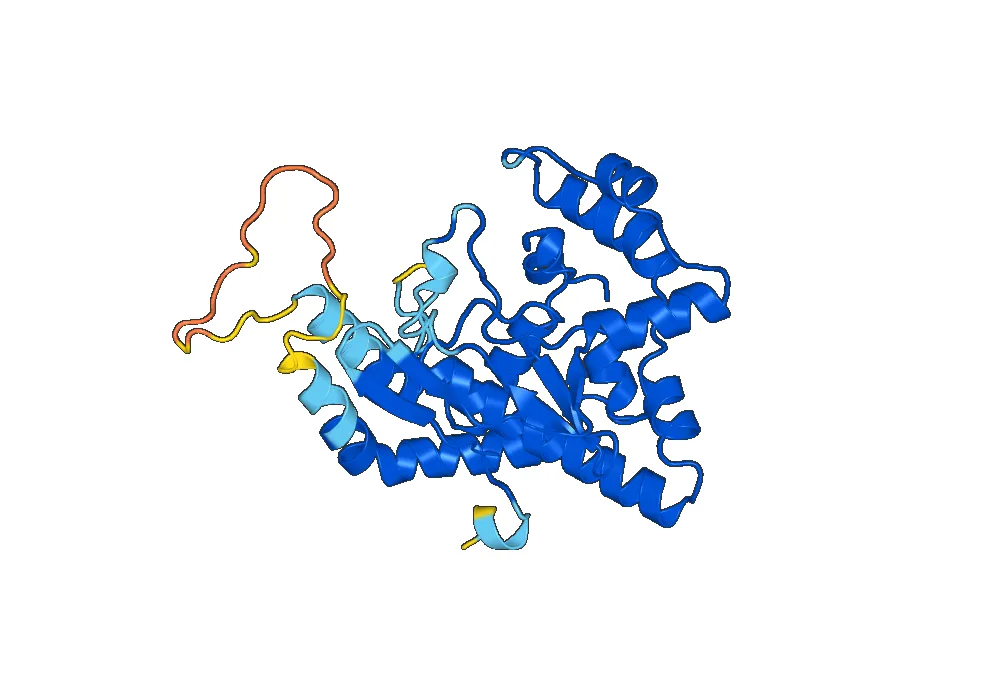
The crystal structure of the recombinant ING2 protein has been determined, revealing a compact globular structure with a central beta-sheet surrounded by alpha-helices. This structure is crucial for the protein’s function as it allows it to interact with other proteins and DNA.
Activity of Recombinant Human ING2 Protein
Recombinant Human ING2 Protein has been shown to have a variety of activities in regulating gene expression. It acts as a tumor suppressor by inhibiting cell growth and promoting cell death in cancer cells. It also plays a role in DNA repair by interacting with other proteins involved in this process.
One of the key activities of ING2 protein is its ability to bind to histones and regulate their acetylation. Histones are proteins that package DNA in the nucleus, and their acetylation status is crucial for gene expression. ING2 protein acts as a scaffold for other proteins involved in histone acetylation, thereby regulating gene expression.
Moreover, ING2 protein also interacts with other proteins involved in the cell cycle, such as p53, to regulate cell growth and division. It has been shown to induce cell cycle arrest and promote cell death in cancer cells, making it a potential target for cancer therapy.
Application of Recombinant Human ING2 Protein
Recombinant Human ING2 Protein has various applications in the field of biotechnology and medicine. One of the most significant applications is its potential as a therapeutic target for cancer treatment. Studies have shown that ING2 protein is downregulated in various cancers, and its overexpression can inhibit tumor growth and induce cell death in cancer cells.
Furthermore, ING2 protein can also be used as a diagnostic marker for cancer. Its expression levels have been correlated with the aggressiveness of certain cancers, making it a potential biomarker for cancer diagnosis and prognosis.
In addition to cancer, ING2 protein has also been linked to other diseases such as Alzheimer’s and cardiovascular diseases. Its role in DNA repair and cell cycle regulation makes it a potential target for the treatment of these diseases.
Conclusion
Recombinant Human ING2 Protein is a crucial protein involved in regulating gene expression and various cellular processes. Its structure and activity have been extensively studied, and it has shown promising potential as a therapeutic target for cancer and other diseases. Further research and development of ING2 protein may lead to the development of new treatments for these diseases and improve human health.


There are no reviews yet.