Introduction to Recombinant Human LIN28A Protein
Recombinant Human LIN28A Protein is a highly versatile and important protein that plays a crucial role in various biological processes. It is a recombinant form of the LIN28A protein, which is naturally found in humans and other organisms. In this article, we will explore the structure, activity, and application of this protein in detail.
Structure of Recombinant Human LIN28A Protein
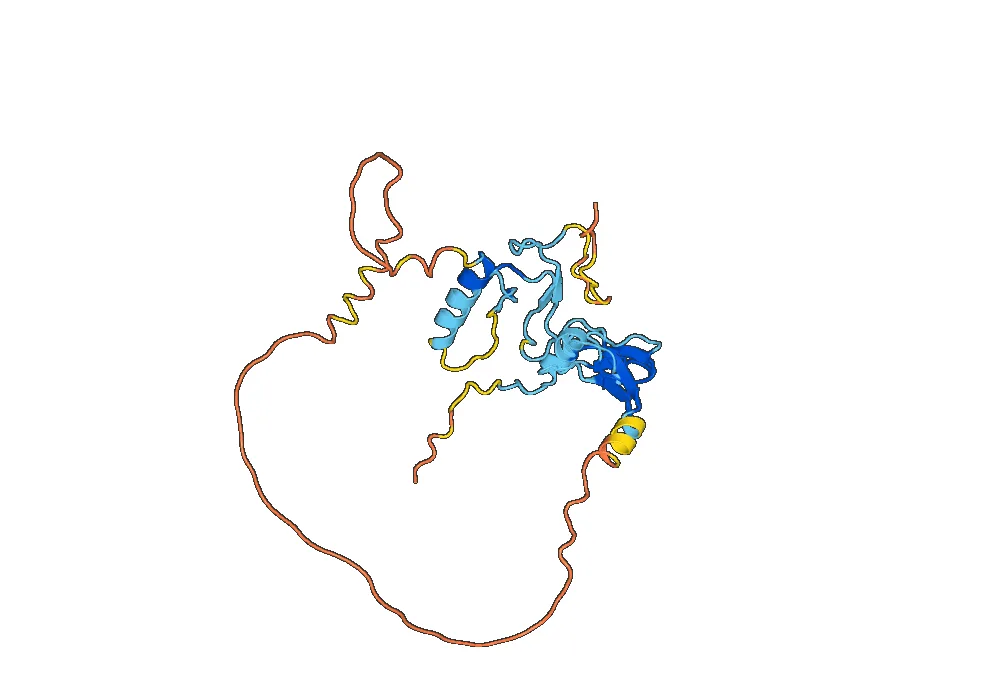
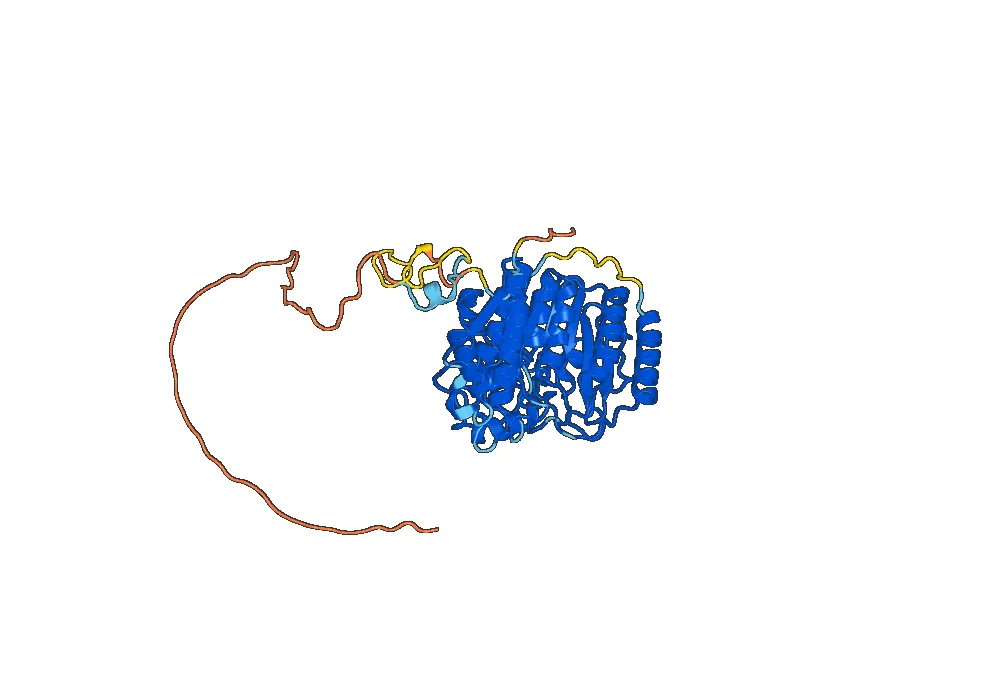
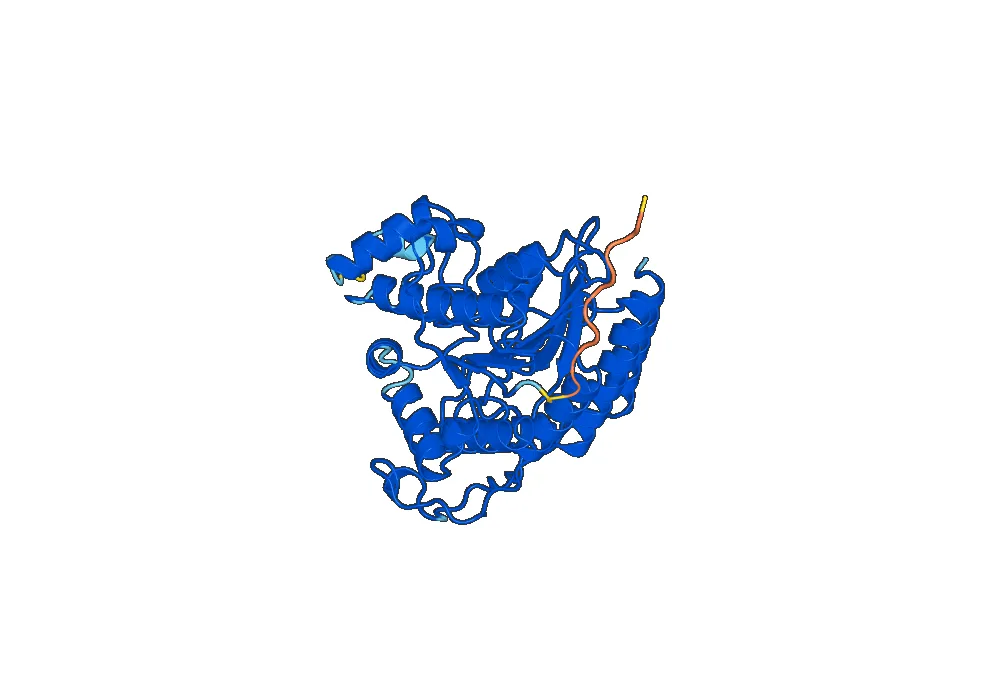
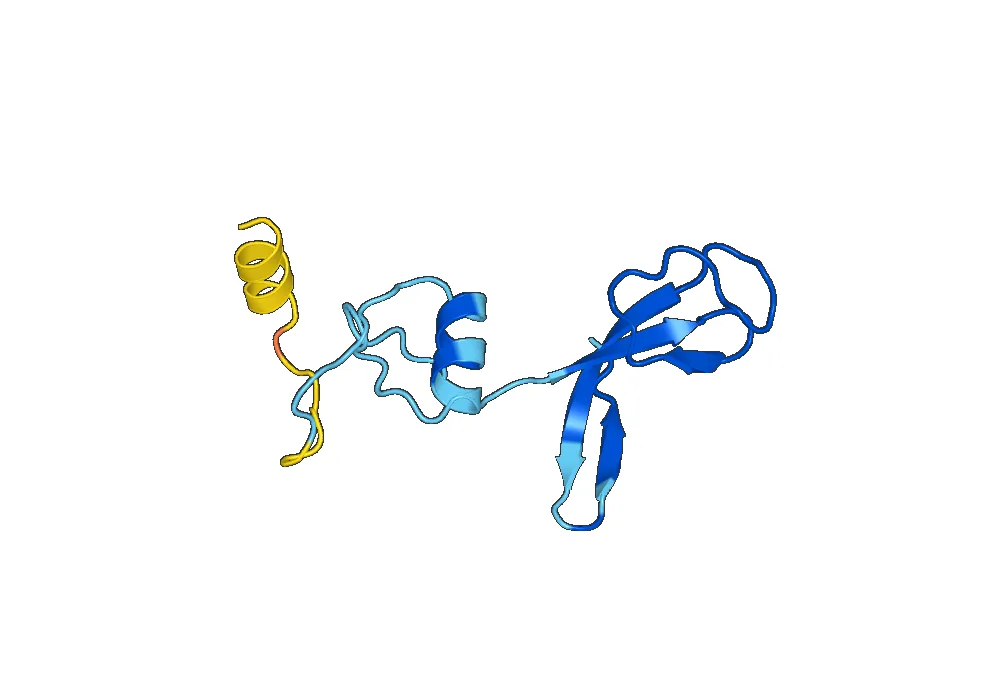
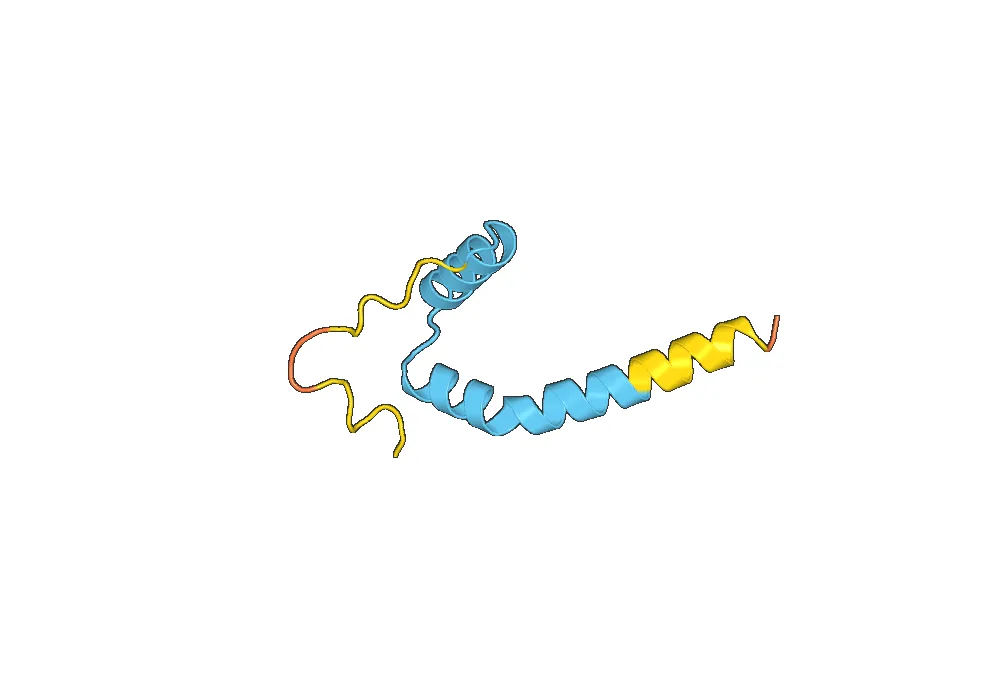
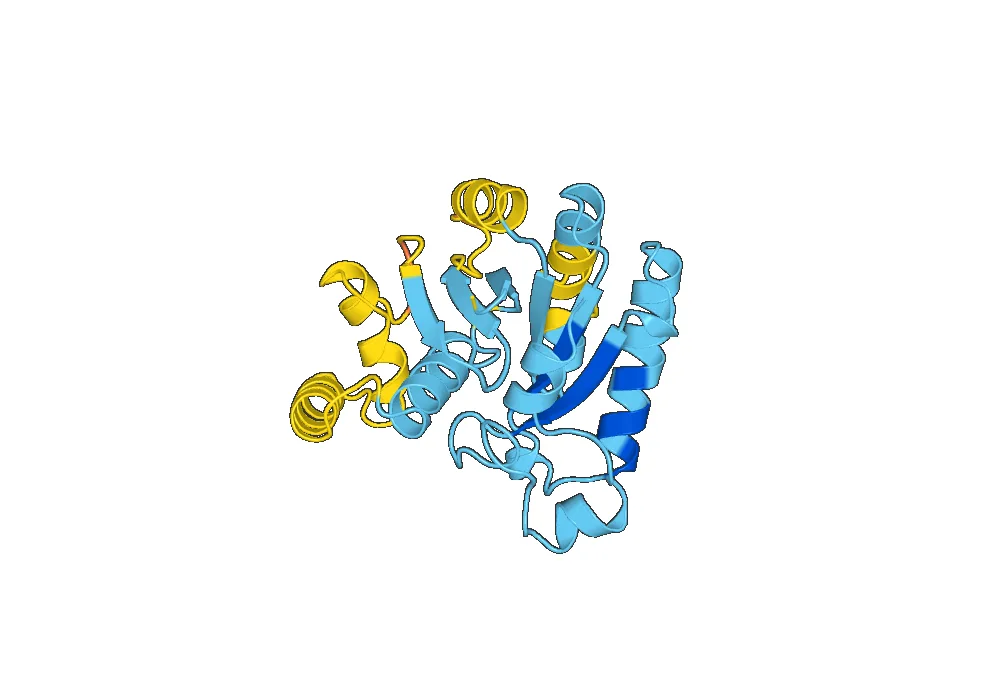
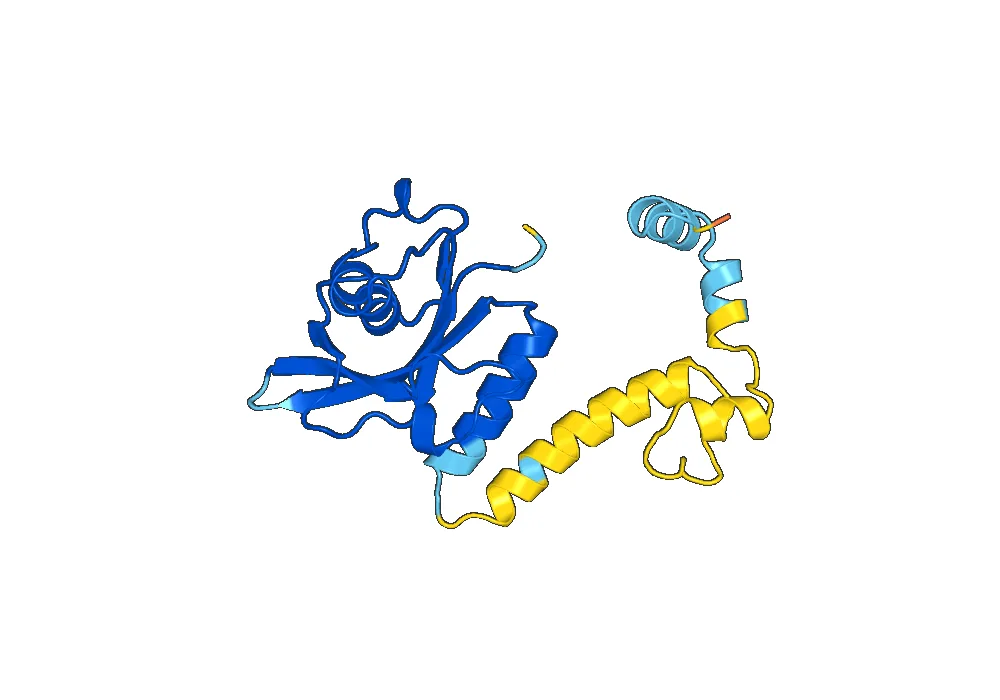
Recombinant Human LIN28A Protein is a 25-kDa protein that consists of 209 amino acids. It is composed of two main domains, the N-terminal cold shock domain (CSD) and the C-terminal Zn-finger domain. The CSD is responsible for the RNA-binding activity of the protein, while the Zn-finger domain is involved in protein-protein interactions.
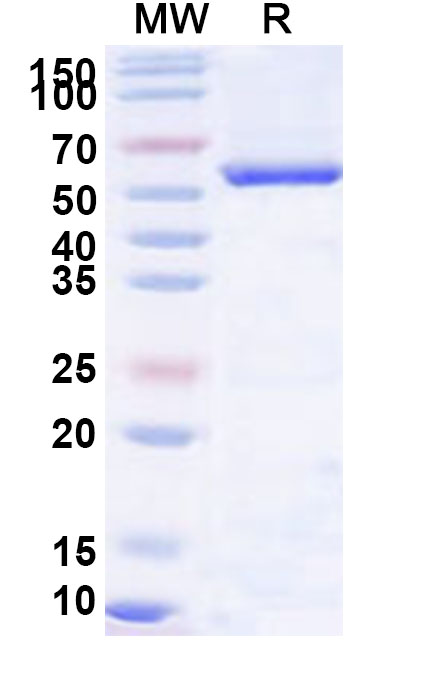
The recombinant form of this protein is produced through genetic engineering techniques, where the gene for LIN28A is inserted into a host organism, such as bacteria or yeast. The protein is then expressed and purified, resulting in a highly pure and functional form of the protein.
Activity of Recombinant Human LIN28A Protein
Recombinant Human LIN28A Protein has a wide range of activities, making it a crucial player in various biological processes. One of its main functions is the regulation of RNA metabolism. It binds to specific RNA molecules, known as let-7 miRNAs, and inhibits their maturation. This, in turn, affects the expression of genes involved in cell proliferation, differentiation, and metabolism.
Moreover, Recombinant Human LIN28A Protein has been shown to play a role in stem cell maintenance and reprogramming. It is highly expressed in embryonic stem cells and is involved in maintaining their pluripotent state. It has also been used in the reprogramming of somatic cells into induced pluripotent stem cells (iPSCs).
Another important activity of this protein is its role in cancer development and progression. LIN28A has been found to be highly expressed in various types of cancer, and its overexpression has been linked to increased cell proliferation, migration, and invasion. Inhibiting LIN28A activity has been shown to reduce cancer cell growth and induce cell death, making it a potential target for cancer therapy.
Application of Recombinant Human LIN28A Protein
Due to its diverse activities, Recombinant Human LIN28A Protein has a wide range of applications in both research and clinical settings. One of its main uses is in the study of RNA metabolism and gene expression. Researchers can use this protein to investigate the role of LIN28A in various biological processes, such as stem cell maintenance and cancer development.
Moreover, Recombinant Human LIN28A Protein has potential therapeutic applications. As mentioned earlier, its overexpression has been linked to cancer development, making it a potential target for cancer treatment. Researchers are also exploring its role in aging and age-related diseases, such as Alzheimer’s and Parkinson’s, and its potential as a therapeutic target in these conditions.
In addition, Recombinant Human LIN28A Protein has been used in the production of iPSCs for regenerative medicine. By inhibiting its activity, researchers can reprogram somatic cells into iPSCs, which can then be differentiated into various cell types for tissue repair and regeneration.
Conclusion
In conclusion, Recombinant Human LIN28A Protein is a highly versatile and important protein with various activities and applications. Its structure, activity, and application make it a crucial player in RNA metabolism, stem cell maintenance, cancer development, and potential therapeutic targets. Further research on this protein will undoubtedly provide valuable insights into its role in various biological processes and its potential in treating various diseases.

There are no reviews yet.