Introduction
Recombinant Human LMX1B Protein is a genetically engineered protein that is produced in a laboratory setting. It is a member of the LIM-homeodomain family of transcription factors, which play a crucial role in regulating gene expression and development. This protein has been extensively studied and has been found to have important functions in various biological processes. In this article, we will discuss the structure, activity, and application of Recombinant Human LMX1B Protein.
Structure of Recombinant Human LMX1B Protein
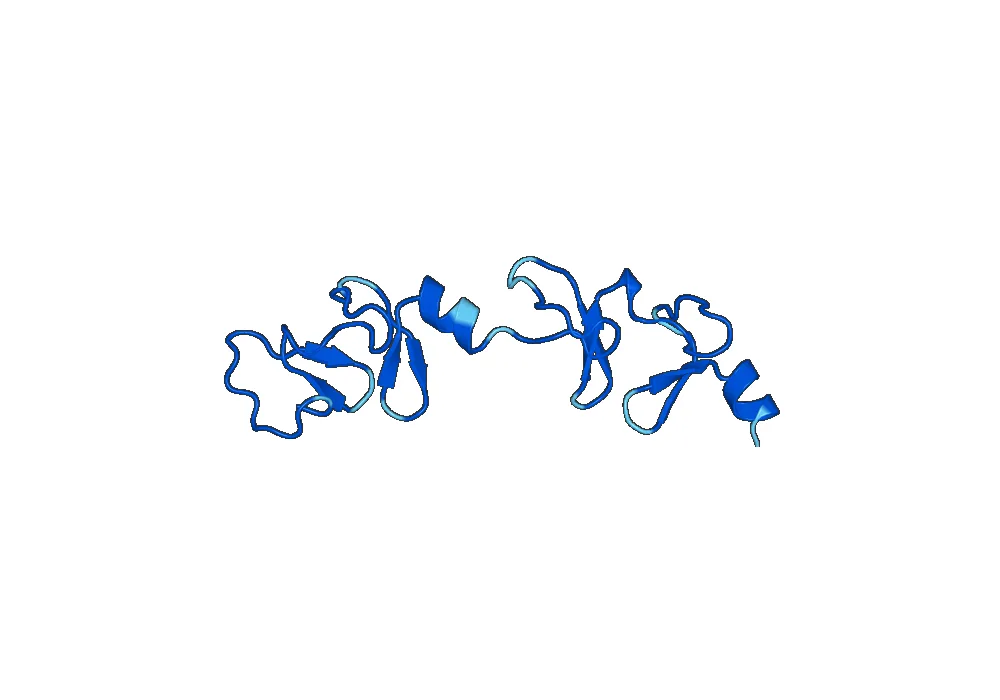
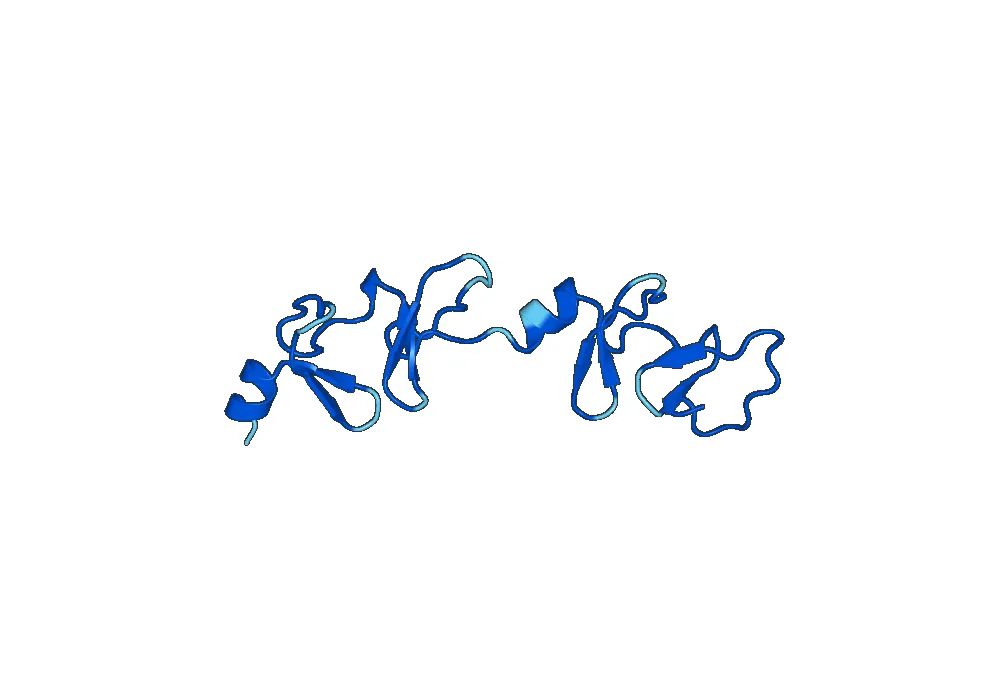
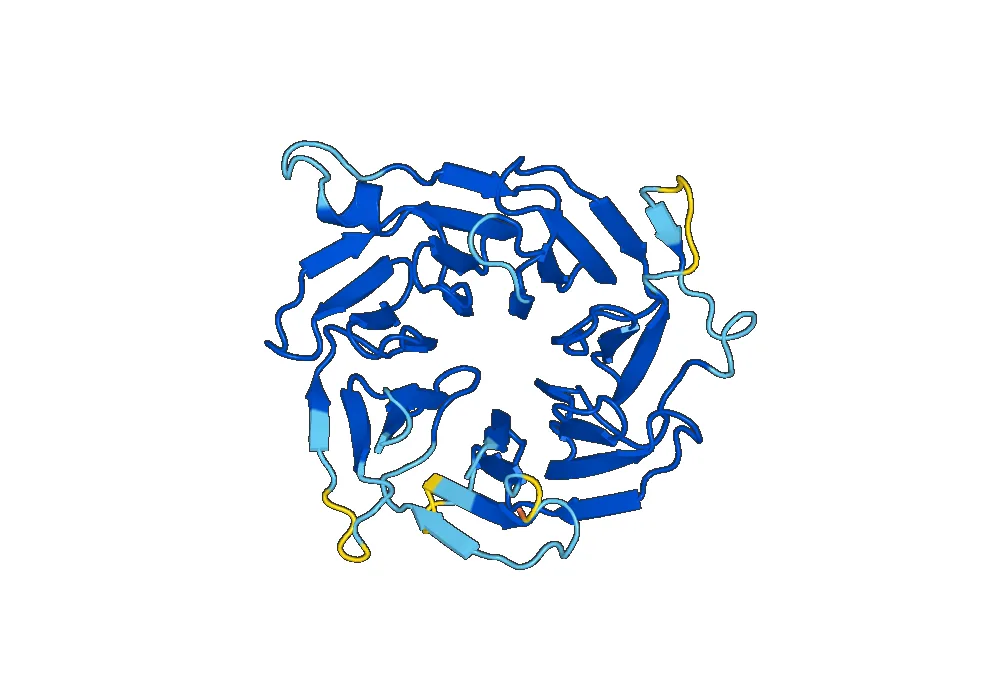
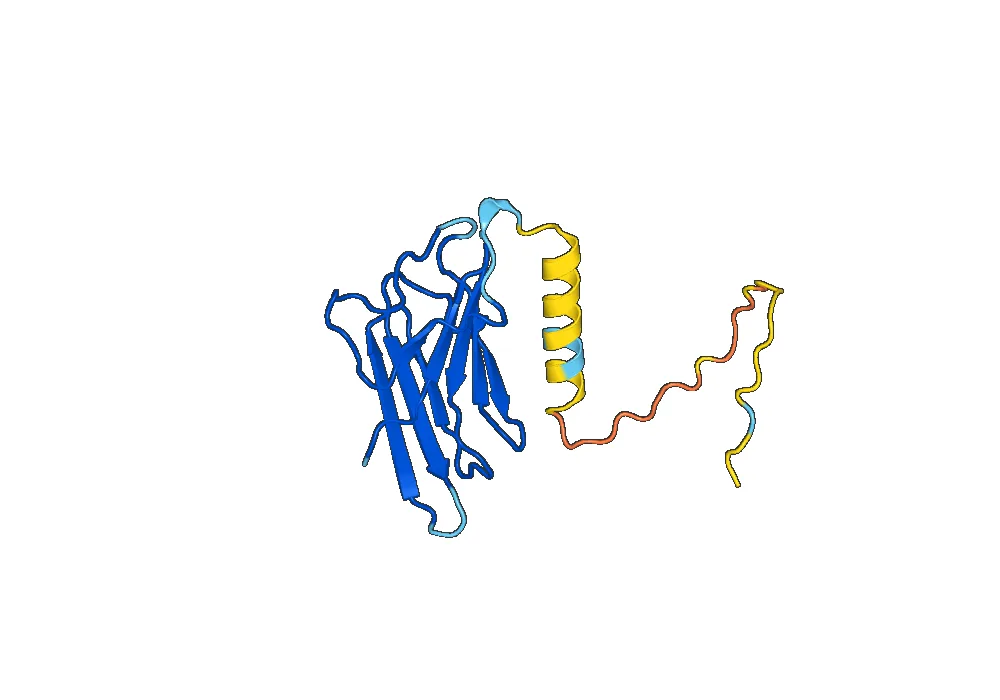
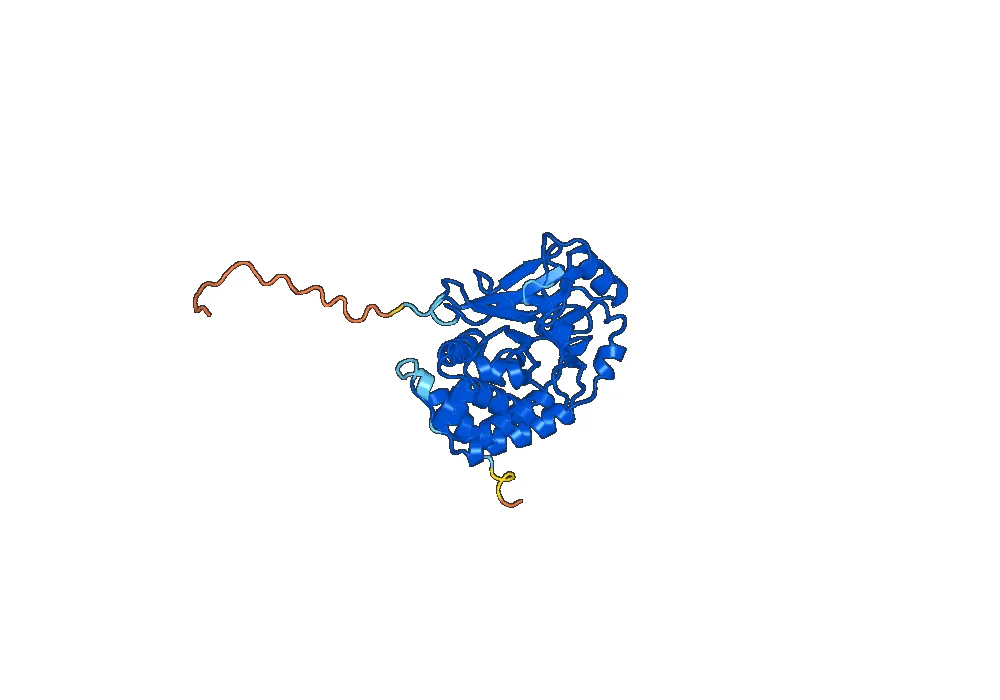
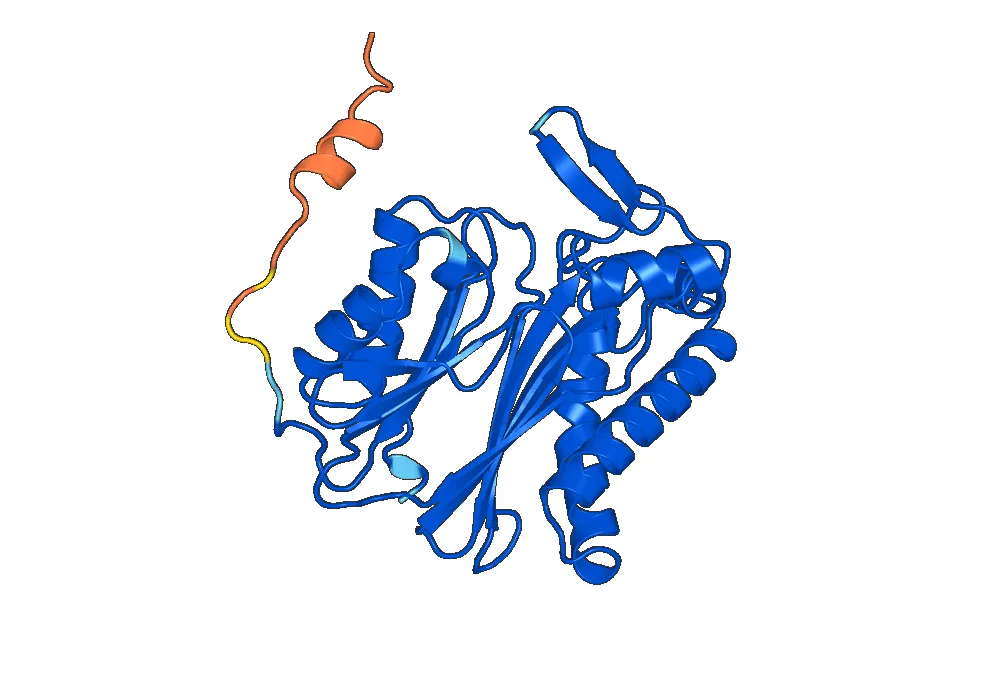
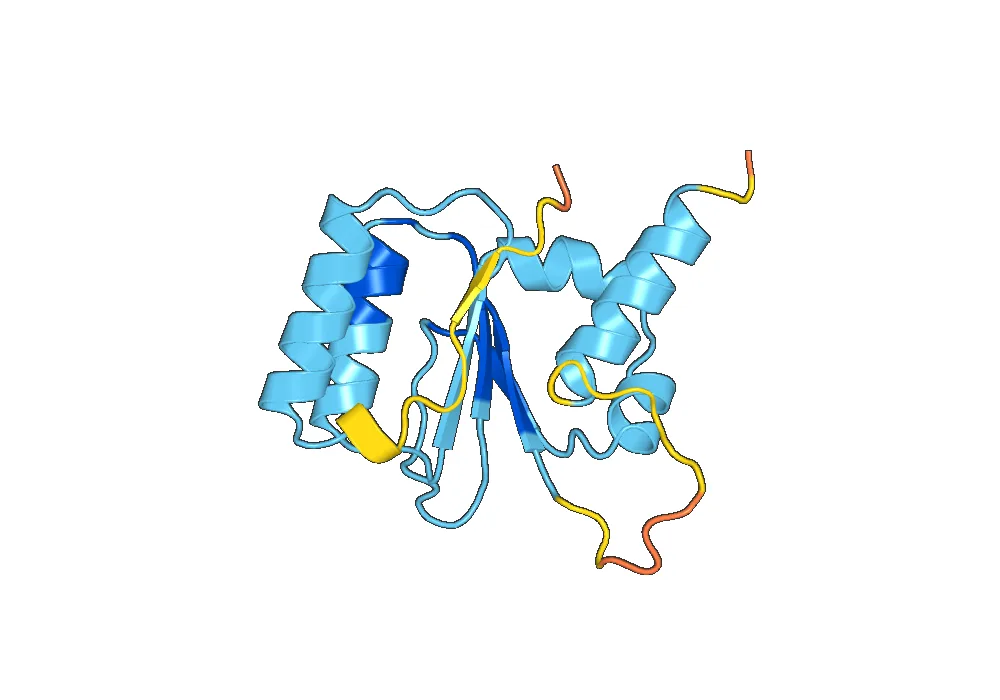
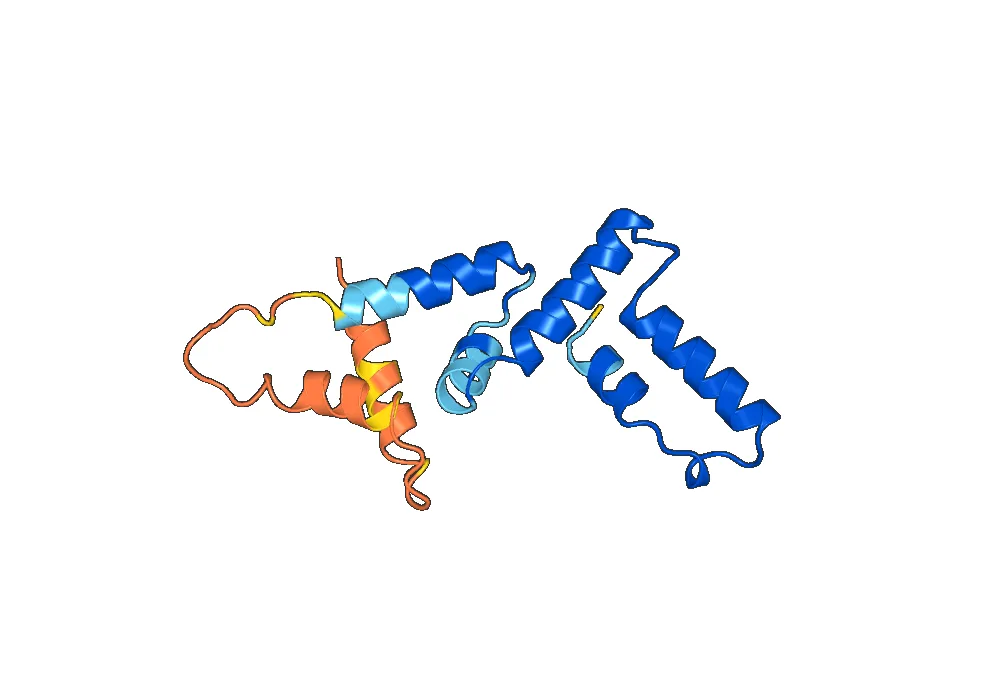
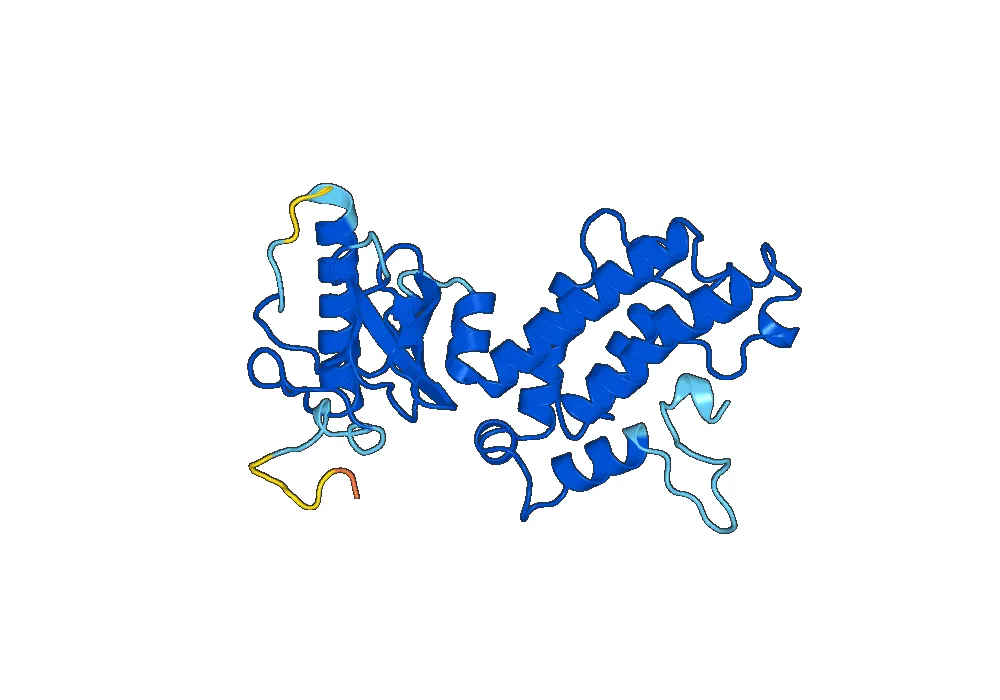
The Recombinant Human LMX1B Protein is a 40 kDa protein consisting of 377 amino acids. It contains two highly conserved LIM domains, which are zinc-binding motifs that are essential for protein-protein interactions. These domains are connected by a linker region and are followed by a homeodomain, which is responsible for DNA binding. The structure of LMX1B is similar to other LIM-homeodomain proteins, but it has unique features that make it distinct from other family members.
Activity of Recombinant Human LMX1B Protein
Recombinant Human LMX1B Protein has been shown to have multiple functions in various biological processes. It is primarily known for its role in development, where it plays a critical role in the formation of the central nervous system, kidney, and limb development. LMX1B is also involved in the maintenance of adult tissues, such as the kidney, pancreas, and bone. This protein has been found to regulate the expression of genes involved in cell proliferation, differentiation, and survival.
One of the key functions of LMX1B is its role in the development of the central nervous system. It has been shown to regulate the differentiation of dopaminergic neurons, which are essential for motor control and reward processing. LMX1B also plays a crucial role in the development of the kidney, where it regulates the formation of glomeruli, the functional units of the kidney. In addition, LMX1B is involved in bone development, where it regulates the differentiation of osteoblasts, the cells responsible for bone formation.
Application of Recombinant Human LMX1B Protein
Due to its diverse functions, Recombinant Human LMX1B Protein has numerous potential applications in the field of medicine and biotechnology. One of the most promising applications is in regenerative medicine, where LMX1B could be used to promote the differentiation of stem cells into specific cell types for tissue repair and regeneration. This protein could also be used in the treatment of neurodegenerative diseases, such as Parkinson’s disease, by promoting the differentiation of dopaminergic neurons.
In addition, Recombinant Human LMX1B Protein has potential applications in the treatment of kidney diseases. As LMX1B is involved in the formation of glomeruli, it could be used to promote the repair and regeneration of damaged kidney tissue. This could be particularly beneficial for patients with chronic kidney diseases, where the function of the kidney is compromised.
Furthermore, LMX1B has been found to be dysregulated in certain types of cancer, such as breast and prostate cancer. Recombinant Human LMX1B Protein could be used as a therapeutic target in these cancers, either by promoting or inhibiting its activity, depending on the specific cancer subtype.
Conclusion
In conclusion, Recombinant Human LMX1B Protein is a crucial protein with diverse functions in development and tissue maintenance. Its unique structure and activity make it a promising candidate for various applications in medicine and biotechnology. Further research and development of this protein could lead to significant advancements in the treatment of various diseases and disorders.
There are no reviews yet.