Introduction
Recombinant Human MMP14 Protein, also known as Matrix Metalloproteinase 14, is a member of the matrix metalloproteinase (MMP) family. It is a zinc-dependent endopeptidase that plays a crucial role in extracellular matrix remodeling and tissue homeostasis. This protein is encoded by the MMP14 gene and is expressed in various cell types, including fibroblasts, endothelial cells, and macrophages.
Structure of Recombinant Human MMP14 Protein
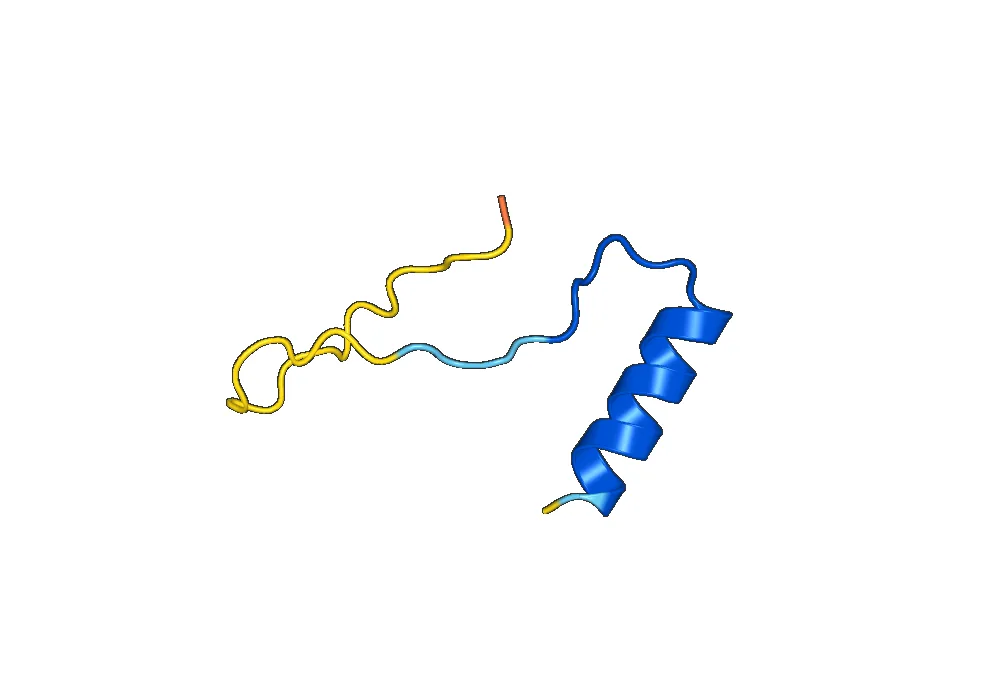
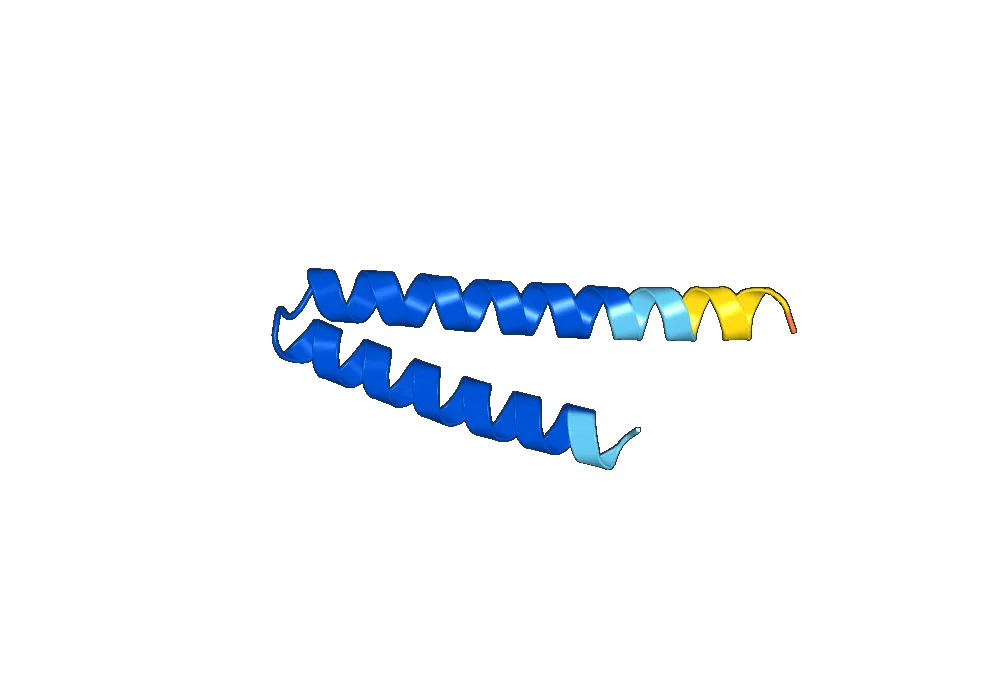
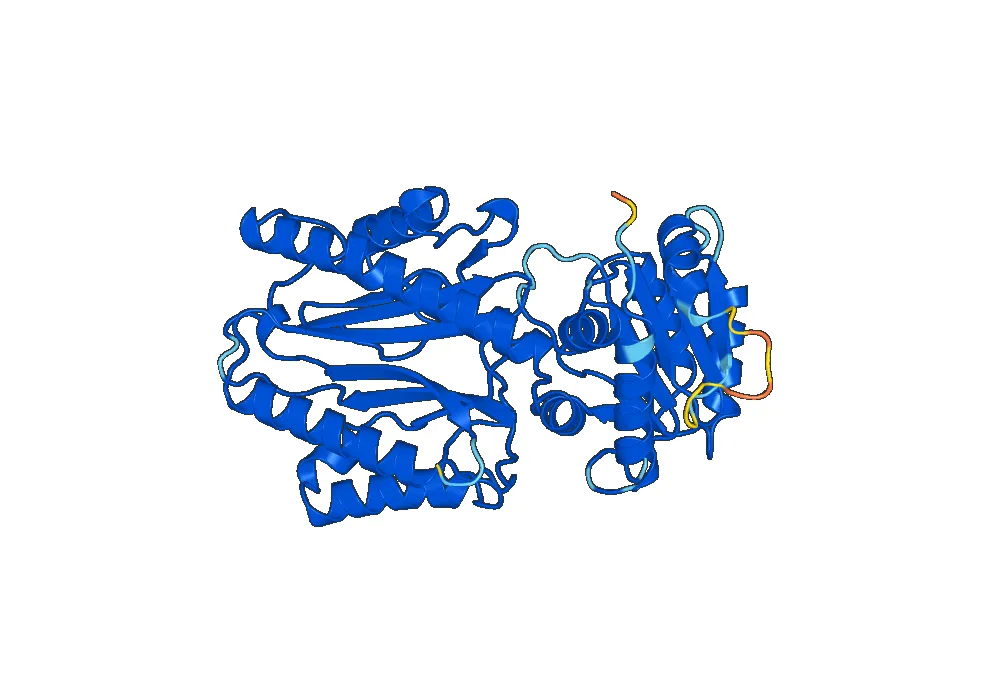
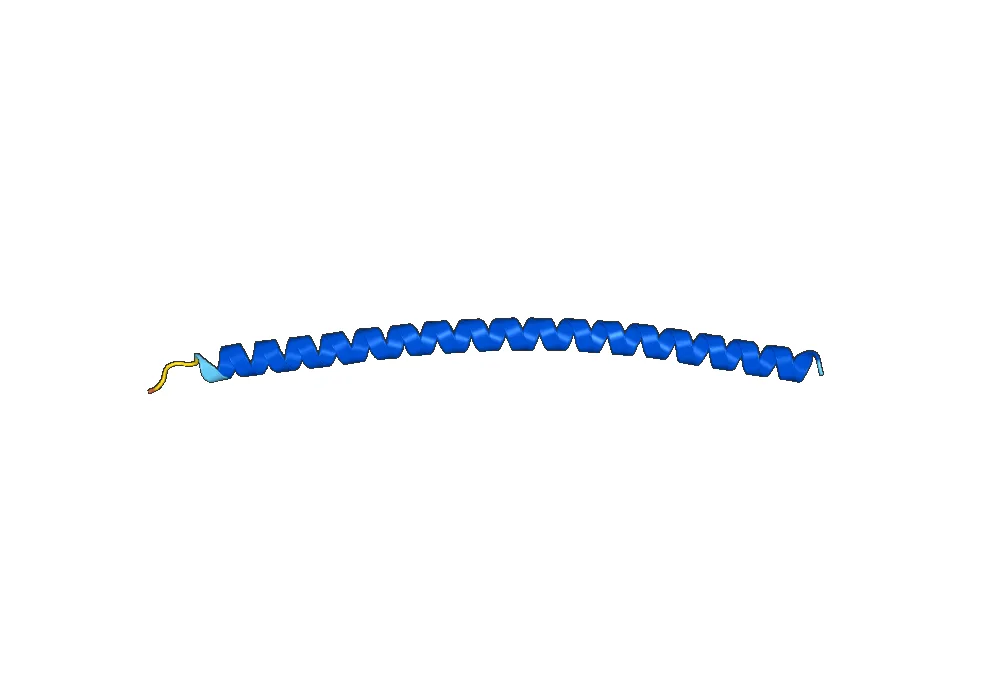
The recombinant form of MMP14 is a 60 kDa protein composed of 541 amino acids. It contains a signal peptide, a propeptide, a catalytic domain, a hinge region, a transmembrane domain, and a cytoplasmic tail. The catalytic domain is responsible for the proteolytic activity of the protein and contains a zinc-binding motif that is essential for its function. The transmembrane domain anchors the protein to the cell membrane, while the cytoplasmic tail is involved in intracellular signaling.
Activity of Recombinant Human MMP14 Protein
Recombinant Human MMP14 Protein has a broad substrate specificity and can cleave a variety of extracellular matrix proteins, including collagen, fibronectin, and laminin. It also has the ability to activate other MMPs, such as pro-MMP2 and pro-MMP13, through proteolytic cleavage of their propeptides. This activation process is crucial for the regulation of MMP activity and the maintenance of tissue homeostasis.
MMP14 is also involved in cell migration and invasion processes. It can degrade the extracellular matrix to facilitate cell movement and promote angiogenesis by releasing pro-angiogenic factors from the matrix. Additionally, MMP14 has been shown to play a role in cell signaling by interacting with growth factors and cytokines, such as TGF-β and VEGF, and modulating their activities.
Application of Recombinant Human MMP14 Protein
The recombinant form of MMP14 has various applications in both research and therapeutic fields. It is commonly used in in vitro studies to investigate the role of MMP14 in different cellular processes, such as cell migration, invasion, and angiogenesis. Recombinant MMP14 can also be used to screen for potential inhibitors or activators of the protein, which can aid in the development of new drugs for diseases associated with MMP dysregulation.
In the therapeutic field, recombinant MMP14 has shown potential as a target for cancer treatment. MMP14 is overexpressed in many types of cancer and is associated with tumor progression and metastasis. By inhibiting the activity of MMP14, it is possible to prevent tumor growth and invasion. Recombinant MMP14 inhibitors have been developed and are currently being tested in clinical trials for their efficacy in cancer treatment.
Moreover, recombinant MMP14 has also been studied for its role in tissue repair and regeneration. Due to its ability to degrade extracellular matrix proteins, MMP14 is essential for wound healing and tissue remodeling. Recombinant MMP14 has been used in preclinical studies to promote tissue regeneration in various models, such as skin and bone injuries. It has also shown potential for use in tissue engineering applications, where the controlled degradation of extracellular matrix is necessary for the formation of functional tissues.
Conclusion
In summary, Recombinant Human MMP14 Protein is a versatile protein with a crucial role in extracellular matrix remodeling and tissue homeostasis. Its structure and activity make it a valuable tool for research and therapeutic purposes. With ongoing studies and clinical trials, the potential of recombinant MMP14 in cancer treatment and tissue engineering is continuously being explored, making it a promising protein for future advancements in the field of biomedicine.



There are no reviews yet.