Introduction
Recombinant proteins are proteins that are produced in a laboratory setting using recombinant DNA technology. These proteins are essential tools in various fields of research, including biochemistry, molecular biology, and medicine. One such recombinant protein is the Recombinant Human PSMA4 Protein, also known as the Proteasome subunit alpha type-4 protein.
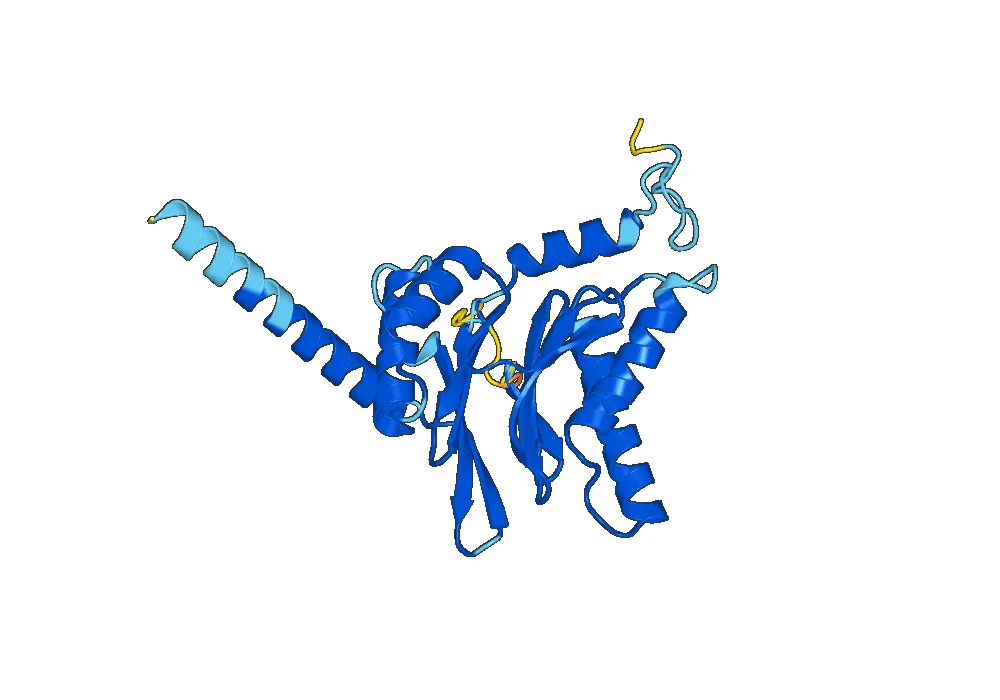
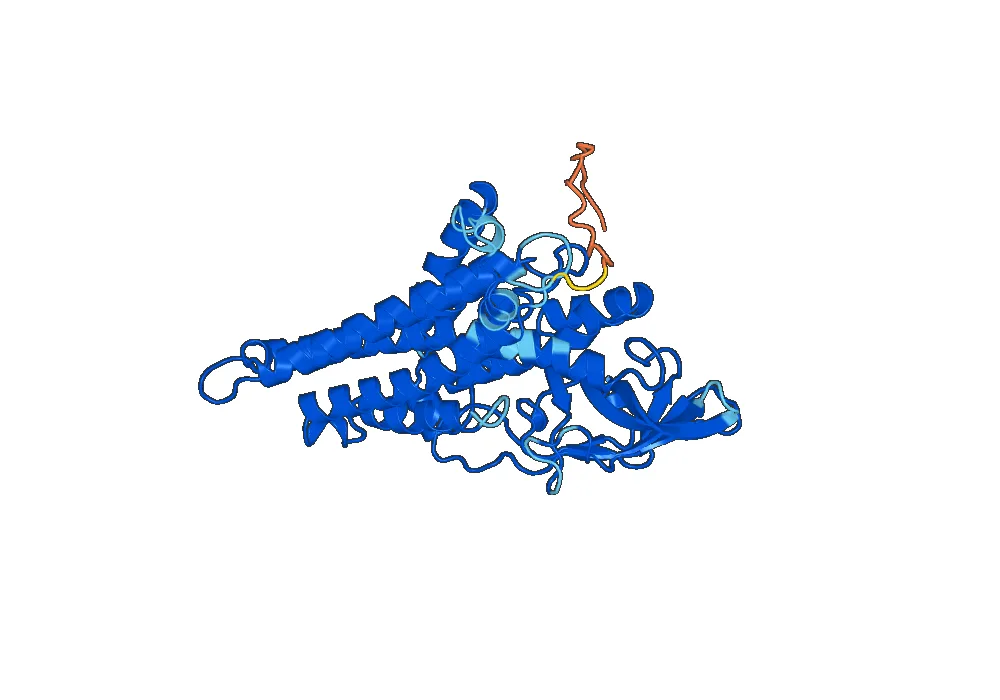
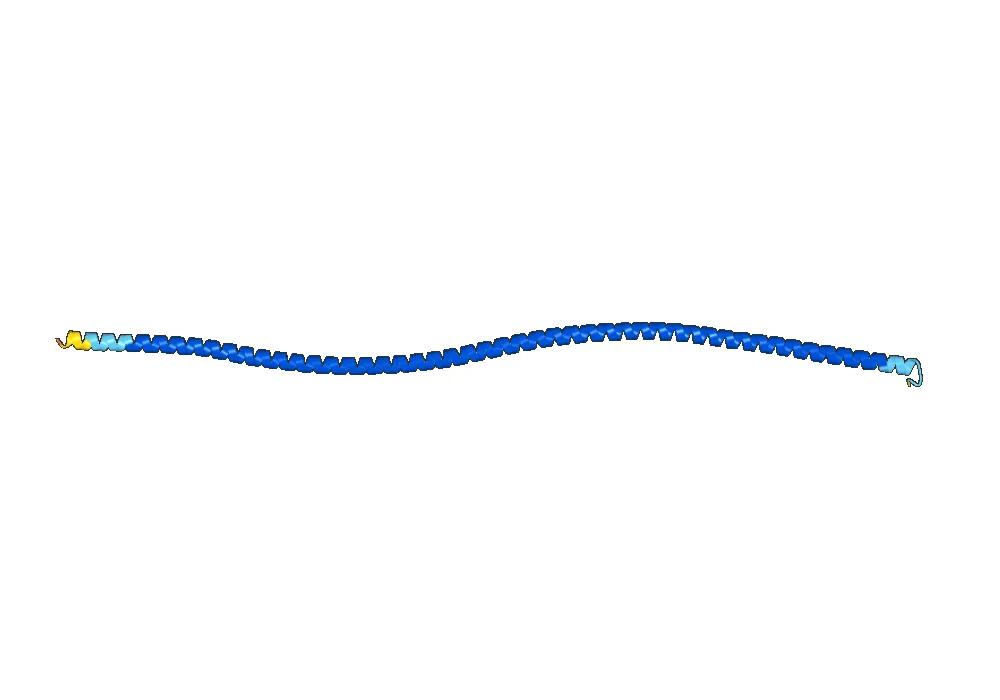
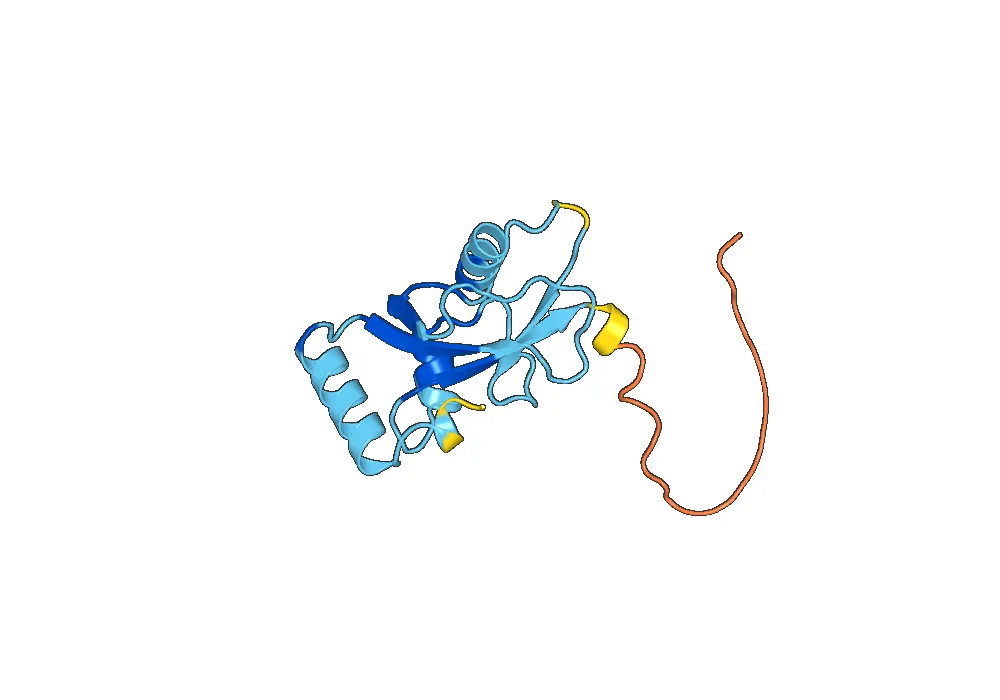
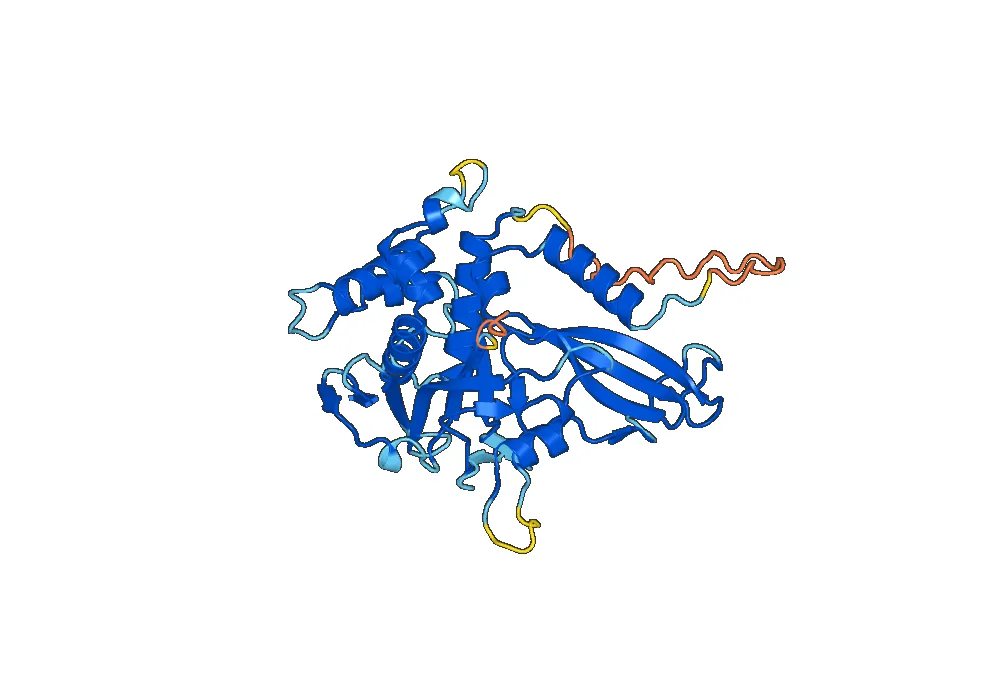
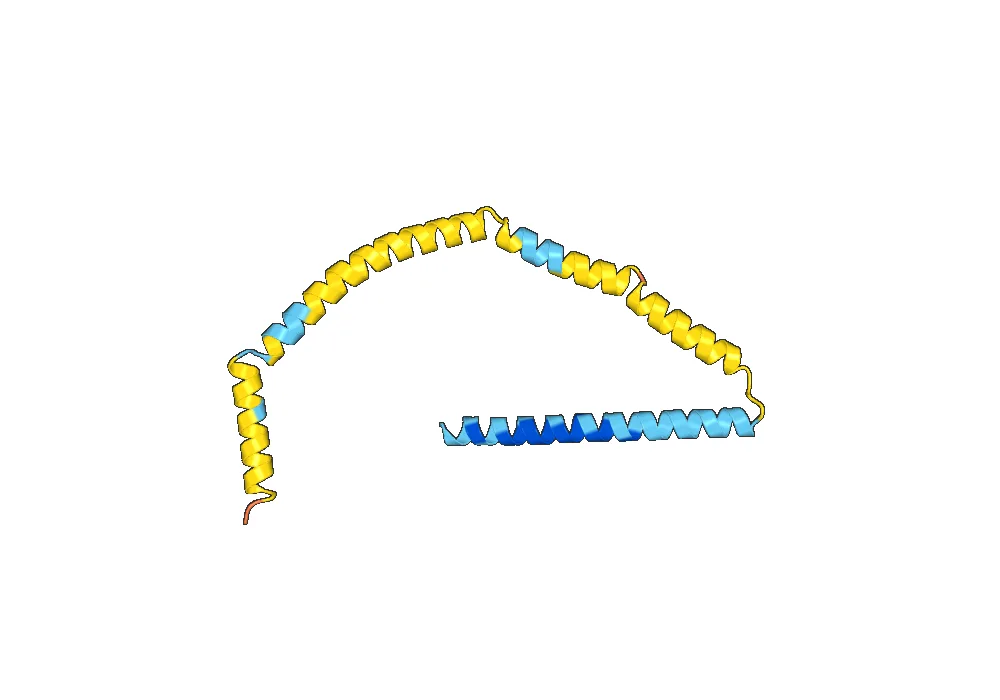
Structure of Recombinant Human PSMA4 Protein
The PSMA4 gene encodes for the Proteasome subunit alpha type-4 protein, which is a component of the 20S proteasome complex. This complex is responsible for degrading damaged or unwanted proteins in the cell. The Recombinant Human PSMA4 Protein is produced by cloning the PSMA4 gene into a suitable expression vector and expressing it in a host cell, such as E. coli or yeast.
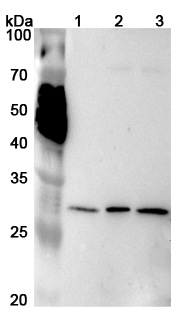
The recombinant protein is then purified using various techniques, such as chromatography, to obtain a highly pure and active form. The purified protein has a molecular weight of approximately 28 kDa and consists of 241 amino acids. It has a similar structure to the native human PSMA4 protein, making it an ideal substitute for studying its function and activity.
Activity of Recombinant Human PSMA4 Protein
The PSMA4 protein is a catalytic subunit of the 20S proteasome complex and is involved in the degradation of various proteins, including misfolded or damaged proteins, cell cycle regulators, and transcription factors. It has a chymotrypsin-like activity, which enables it to cleave peptide bonds after hydrophobic amino acids. This activity is crucial for maintaining protein homeostasis and regulating various cellular processes.
The recombinant form of PSMA4 has been extensively studied for its enzymatic activity and has been found to have similar catalytic properties to the native protein. It has also been shown to interact with other subunits of the proteasome complex, further highlighting its role in protein degradation.
Application of Recombinant Human PSMA4 Protein
The Recombinant Human PSMA4 Protein has various applications in both research and medicine. Its role in protein degradation makes it a valuable tool for studying the mechanisms of protein turnover and identifying potential therapeutic targets. It has also been used in drug discovery and development to screen for compounds that can modulate its activity.
In cancer research, the PSMA4 protein has been found to be overexpressed in various types of cancer, including prostate cancer. This makes it a potential biomarker and therapeutic target for these cancers. The recombinant form of PSMA4 has been used to study its role in cancer progression and to develop targeted therapies.
Moreover, the Recombinant Human PSMA4 Protein has also been used in diagnostic assays, such as ELISA, to detect the presence of autoantibodies against this protein in patients with autoimmune diseases. This has provided valuable insights into the role of PSMA4 in these diseases and its potential as a diagnostic marker.
Conclusion
The Recombinant Human PSMA4 Protein is a valuable tool in scientific research, with its well-characterized structure and activity. Its application in studying protein degradation, cancer, and autoimmune diseases has provided valuable insights into the role of this protein in various cellular processes. With further research and development, the recombinant form of PSMA4 has the potential to be used in various diagnostic and therapeutic applications.
There are no reviews yet.