Introduction to Recombinant Human PTTG1 Protein
Recombinant Human PTTG1 Protein, also known as pituitary tumor-transforming gene 1 protein, is a highly conserved protein that plays a crucial role in cell cycle regulation and tumorigenesis. It is encoded by the PTTG1 gene and is expressed in various tissues including the pituitary gland, testis, and brain. Recombinant Human PTTG1 Protein has been extensively studied for its structure, activity, and potential applications in both research and therapeutic settings. In this article, we will provide a detailed scientific description of this protein.
Structure of Recombinant Human PTTG1 Protein
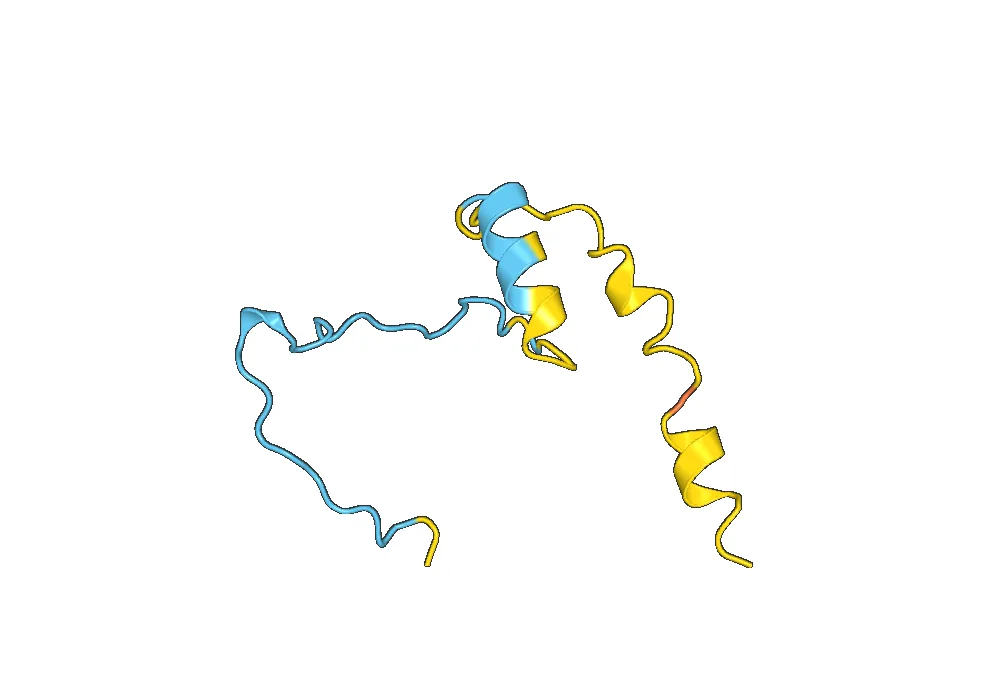
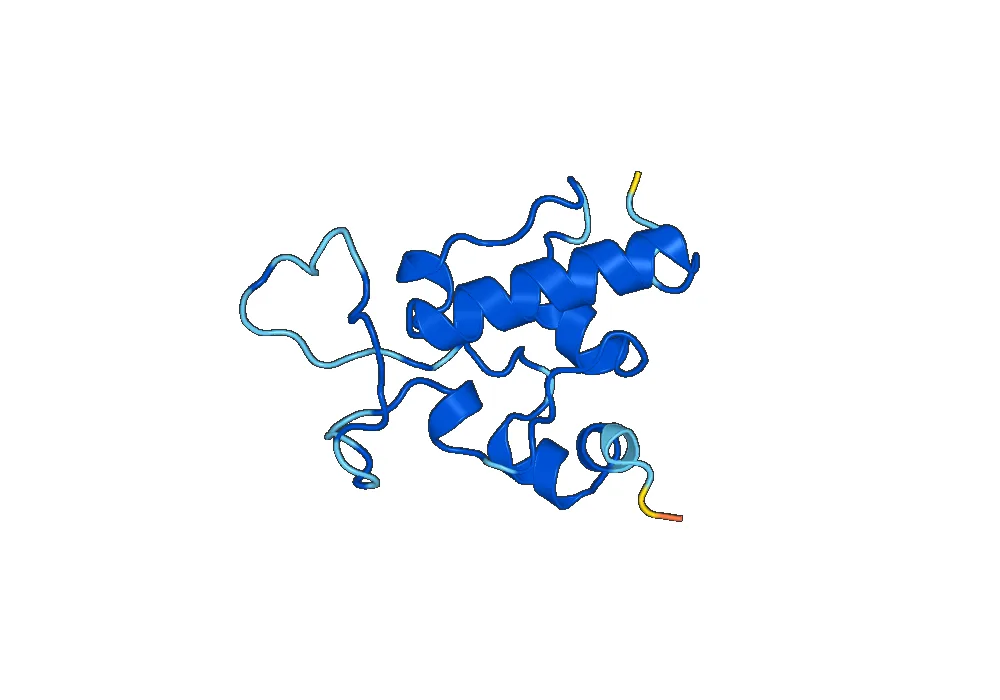
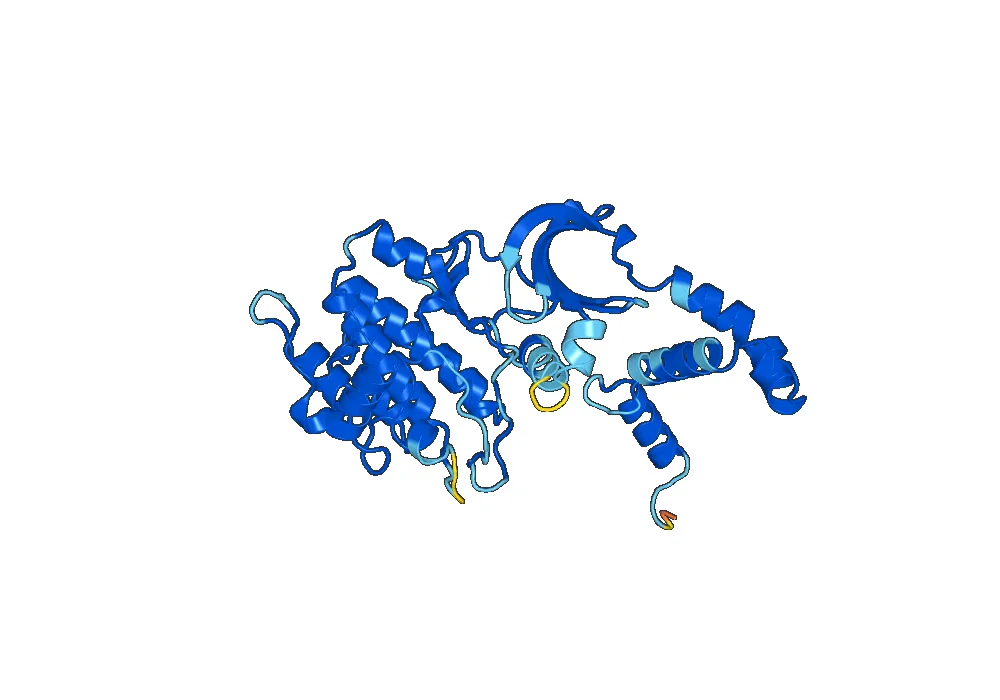
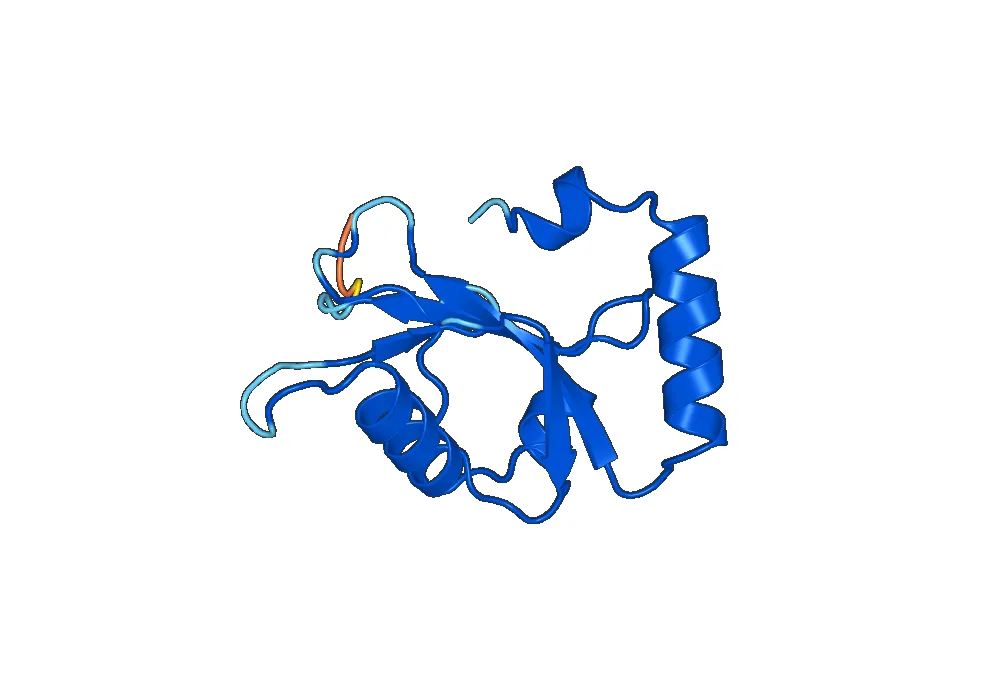
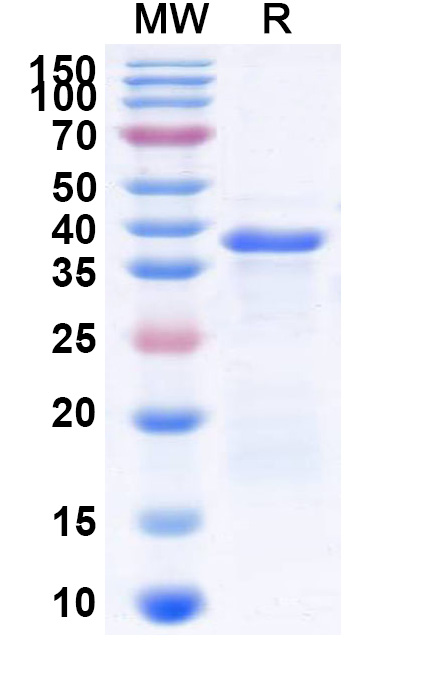
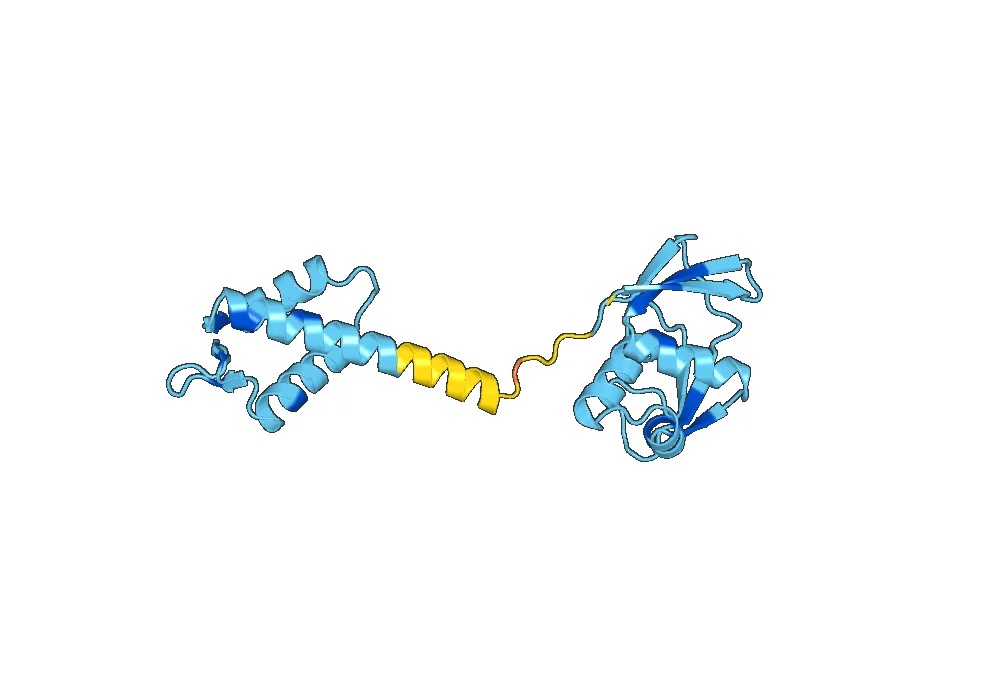
Recombinant Human PTTG1 Protein is a 22 kDa protein consisting of 202 amino acids. It contains a highly conserved N-terminal domain, a central proline-rich domain, and a C-terminal domain with a PTTG1-specific sequence. The protein also has several phosphorylation sites, which play a role in its activity and regulation. Recombinant Human PTTG1 Protein has been shown to form homodimers, which are essential for its function.
Activity of Recombinant Human PTTG1 Protein
Recombinant Human PTTG1 Protein is a multifunctional protein with diverse activities. It is primarily known for its role in regulating the cell cycle by promoting cell proliferation and inhibiting apoptosis. This is achieved through its interaction with various cell cycle regulators, including cyclin B1, p53, and p21. Recombinant Human PTTG1 Protein also plays a crucial role in DNA repair and maintenance of genomic stability. Additionally, it has been shown to promote angiogenesis, which is the formation of new blood vessels, and is involved in the development of various cancers.
Application of Recombinant Human PTTG1 Protein
Due to its important role in cell cycle regulation and tumorigenesis, Recombinant Human PTTG1 Protein has several potential applications in both research and therapeutic settings. One of the most promising applications is its use as a biomarker for cancer diagnosis and prognosis. Studies have shown that increased expression of PTTG1 is associated with various types of cancers, including pituitary, breast, and lung cancer. Therefore, measuring the levels of PTTG1 in patient samples could aid in early detection and monitoring of cancer progression.
Furthermore, Recombinant Human PTTG1 Protein has been investigated as a potential therapeutic target for cancer treatment. Inhibiting its activity has been shown to suppress tumor growth and induce cell death in cancer cells. This makes it a promising target for the development of novel anti-cancer drugs.
In addition to cancer, Recombinant Human PTTG1 Protein has also been studied for its role in other diseases. It has been implicated in the development of endometriosis, a condition where the tissue that lines the uterus grows outside of it. Therefore, targeting PTTG1 could potentially provide a new treatment option for this disease.
Another potential application of Recombinant Human PTTG1 Protein is in fertility treatment. Studies have shown that PTTG1 is involved in the regulation of sperm motility and fertilization. Therefore, it could be used as a diagnostic marker for male infertility and as a potential target for the development of male contraceptives.
Conclusion
In summary, Recombinant Human PTTG1 Protein is a highly conserved protein with diverse activities. Its role in cell cycle regulation and tumorigenesis makes it a promising biomarker and therapeutic target for various diseases, particularly cancer. Further research on this protein could lead to the development of new diagnostic tools and treatments for a wide range of diseases.


There are no reviews yet.