Introduction to Recombinant Human RBM39 Protein
Recombinant Human RBM39 Protein, also known as RNA-binding motif protein 39, is a highly conserved protein that plays a crucial role in regulating gene expression. It is encoded by the RBM39 gene and is found in all eukaryotic organisms, including humans. This protein has been extensively studied and has been shown to have diverse functions in various cellular processes, making it a valuable tool in scientific research.
Structure of Recombinant Human RBM39 Protein
The recombinant form of RBM39 protein is produced through genetic engineering techniques, where the gene encoding for RBM39 is inserted into a suitable expression system, such as bacteria or yeast. This results in the production of a protein that is identical to the naturally occurring RBM39 protein in terms of its amino acid sequence and structure.
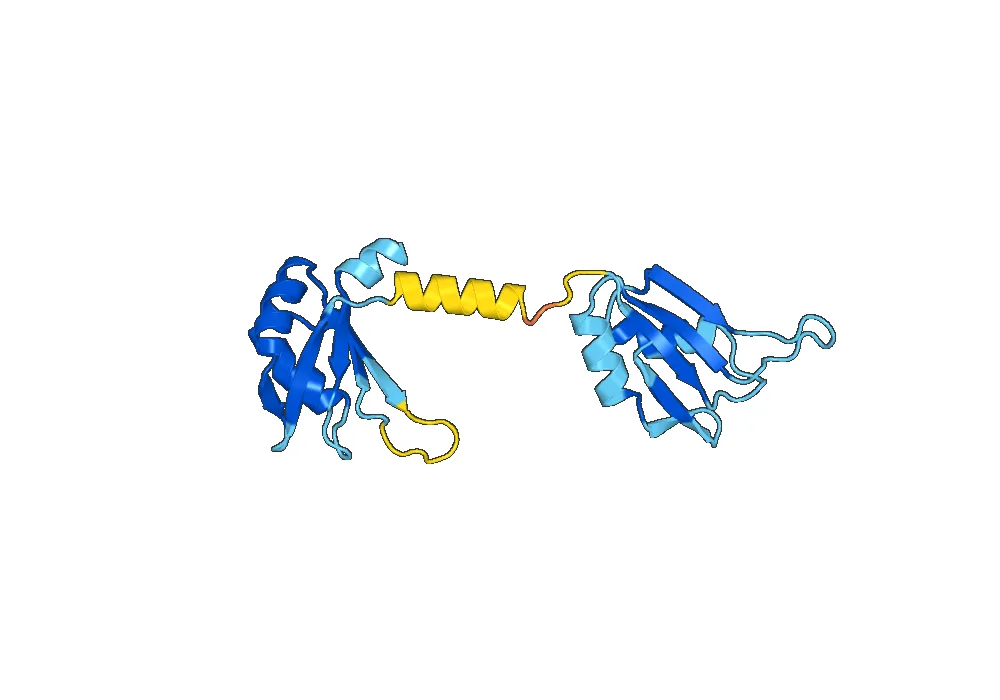
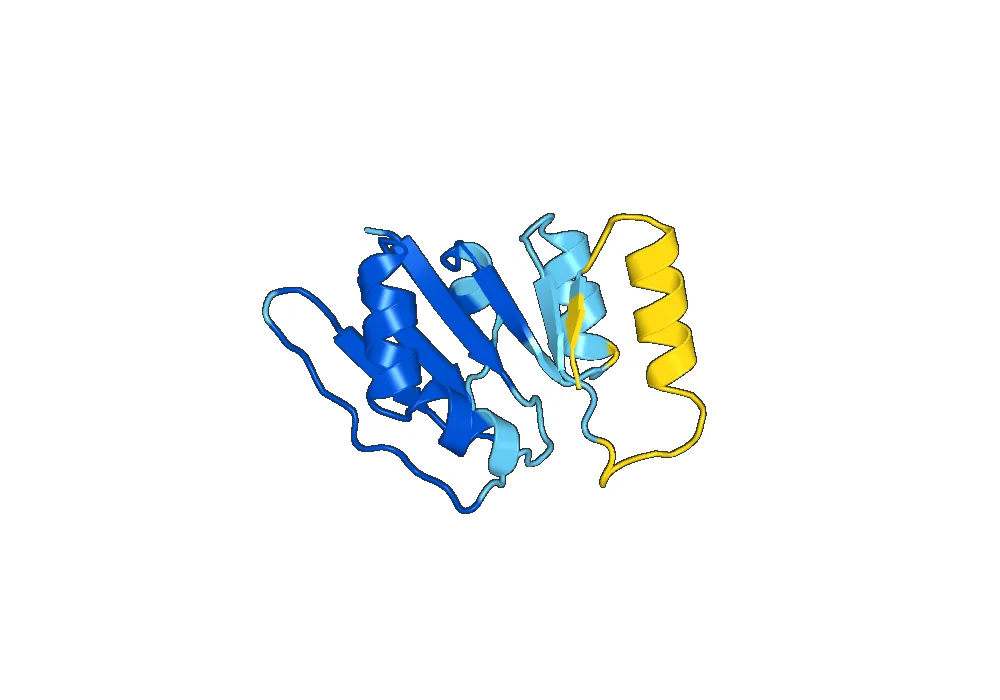
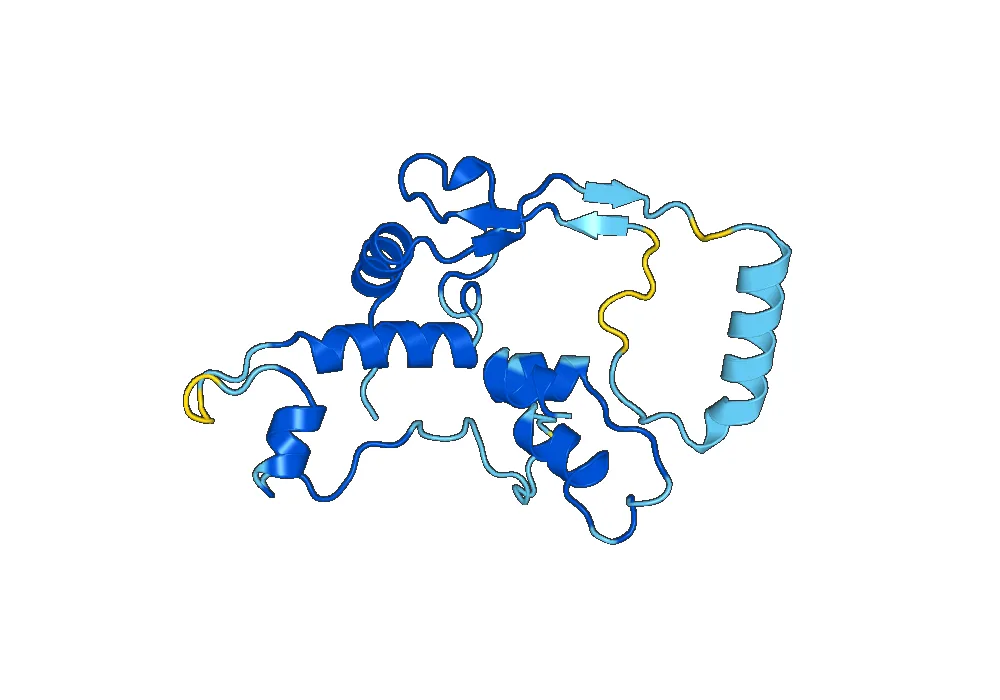
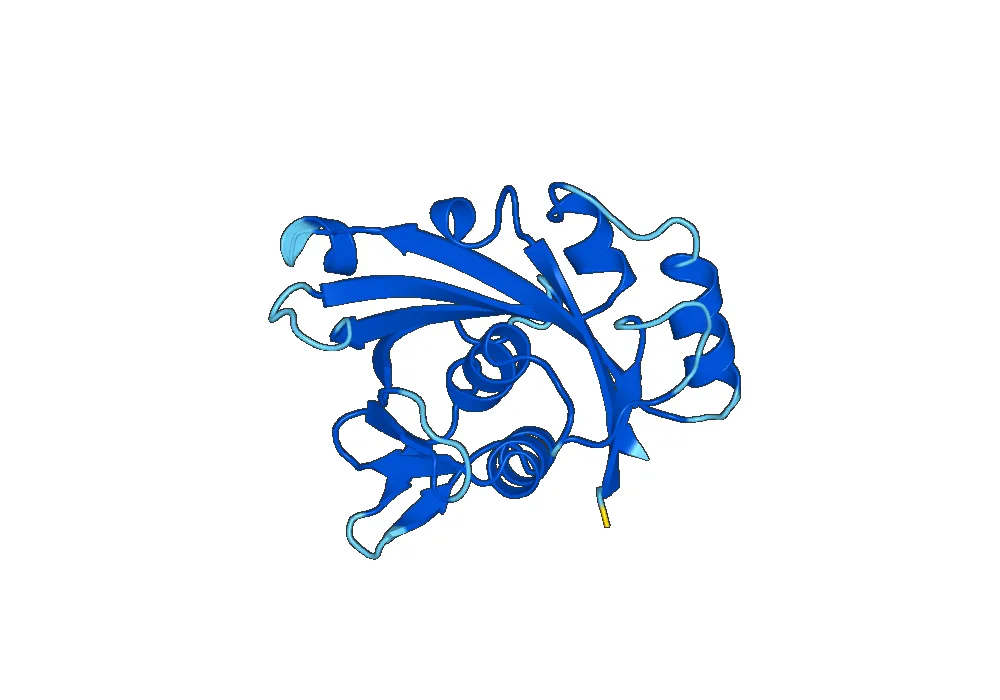
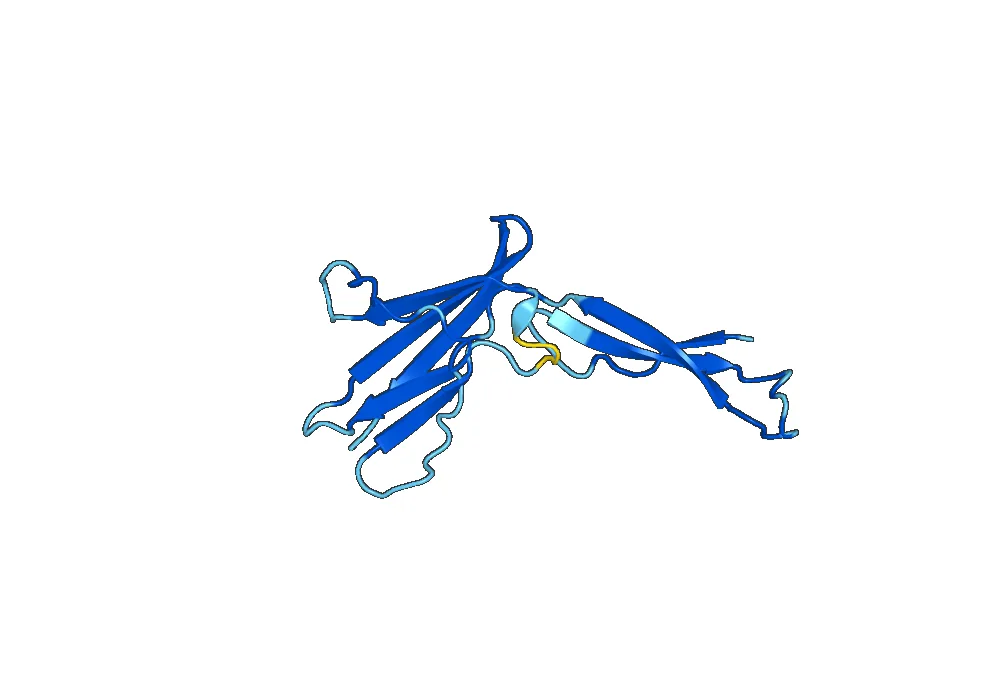
The RBM39 protein is composed of 605 amino acids and has a molecular weight of approximately 69 kDa. It contains two RNA recognition motifs (RRMs) at the N-terminus, which are responsible for its RNA-binding activity. The C-terminus of RBM39 contains a proline-rich domain, which is involved in protein-protein interactions.
Activity of Recombinant Human RBM39 Protein
One of the main functions of RBM39 protein is its role in pre-mRNA splicing, which is a crucial step in gene expression. RBM39 interacts with other splicing factors and helps in the recognition and removal of introns from pre-mRNA, resulting in the production of mature mRNA. This process is essential for the correct translation of genetic information into functional proteins.
In addition to its role in splicing, RBM39 has also been shown to regulate alternative splicing, which allows for the production of multiple protein isoforms from a single gene. This function of RBM39 is important in the development and differentiation of cells, as well as in response to cellular stress.
RBM39 has also been implicated in the regulation of mRNA stability and translation. It has been shown to interact with other proteins involved in these processes, such as poly(A)-binding protein (PABP) and eukaryotic translation initiation factor 4E (eIF4E). This suggests that RBM39 may play a role in modulating gene expression at the post-transcriptional level.
Application of Recombinant Human RBM39 Protein
The recombinant form of RBM39 protein has been widely used in various research applications, particularly in the study of RNA biology and gene expression. Its ability to interact with RNA and other proteins makes it a valuable tool in understanding the complex mechanisms involved in these processes.
One of the main applications of RBM39 protein is in the study of pre-mRNA splicing. By using recombinant RBM39, researchers can manipulate its expression levels and study its effects on splicing, providing valuable insights into the role of RBM39 in this process.
Furthermore, RBM39 has been shown to be dysregulated in certain diseases, such as cancer. Its involvement in alternative splicing has been linked to the development and progression of cancer, making it a potential target for therapeutic interventions. Recombinant RBM39 can be used in drug screening assays to identify compounds that can modulate its activity and potentially have therapeutic effects.
In addition, recombinant RBM39 protein can also be used in diagnostic assays for diseases where its expression is altered. For example, in certain types of cancer, RBM39 has been shown to be overexpressed, and its detection in patient samples can serve as a diagnostic marker.
Conclusion
In summary, Recombinant Human RBM39 Protein is a valuable tool in scientific research, with its diverse functions in gene expression and RNA biology. Its production through genetic engineering techniques allows for the study of its structure




There are no reviews yet.