Introduction
Recombinant Human SGK2 is a protein that plays a crucial role in various cellular processes, including cell growth, proliferation, and survival. It is a member of the serum- and glucocorticoid-regulated kinase (SGK) family, which also includes SGK1 and SGK3. SGK2 is encoded by the SGK2 gene and is highly conserved among different species, including humans, mice, and rats. In this article, we will discuss the structure, activity, and applications of Recombinant Human SGK2.
Structure of Recombinant Human SGK2
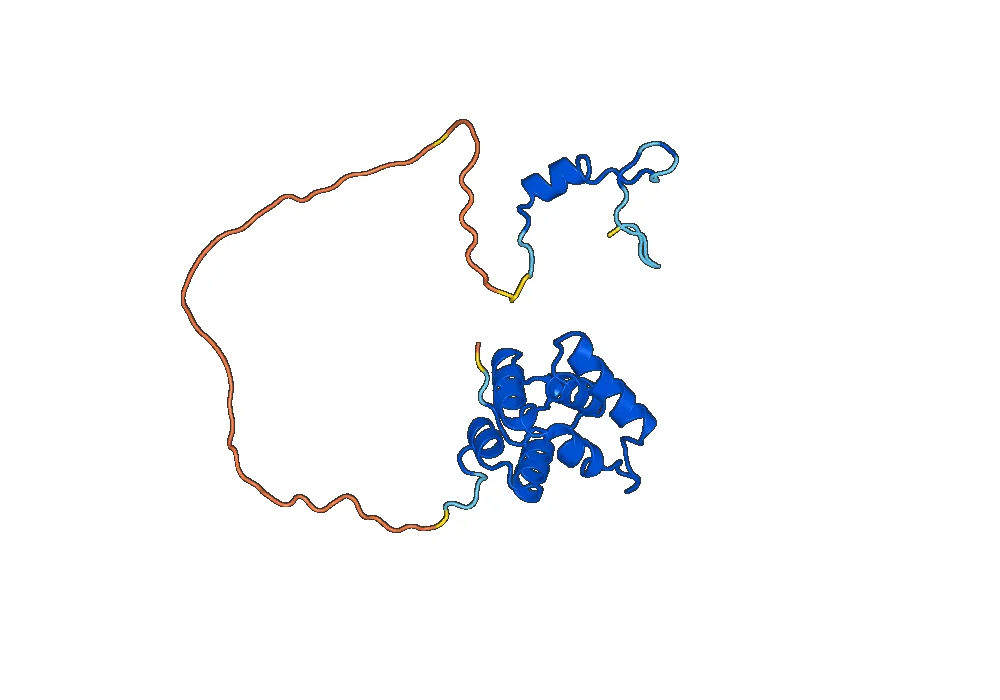
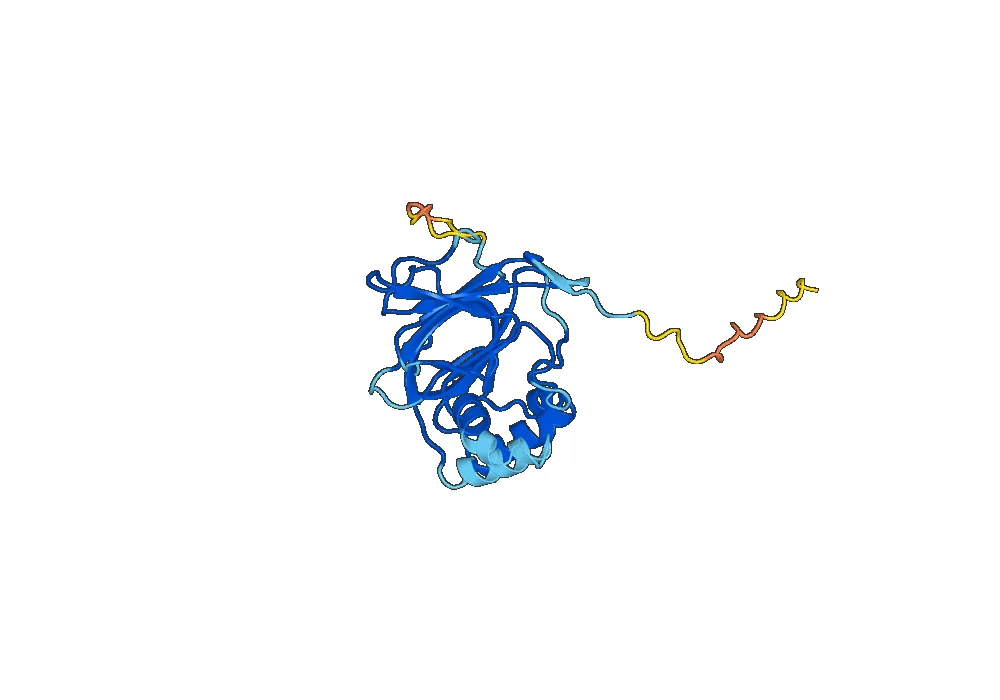
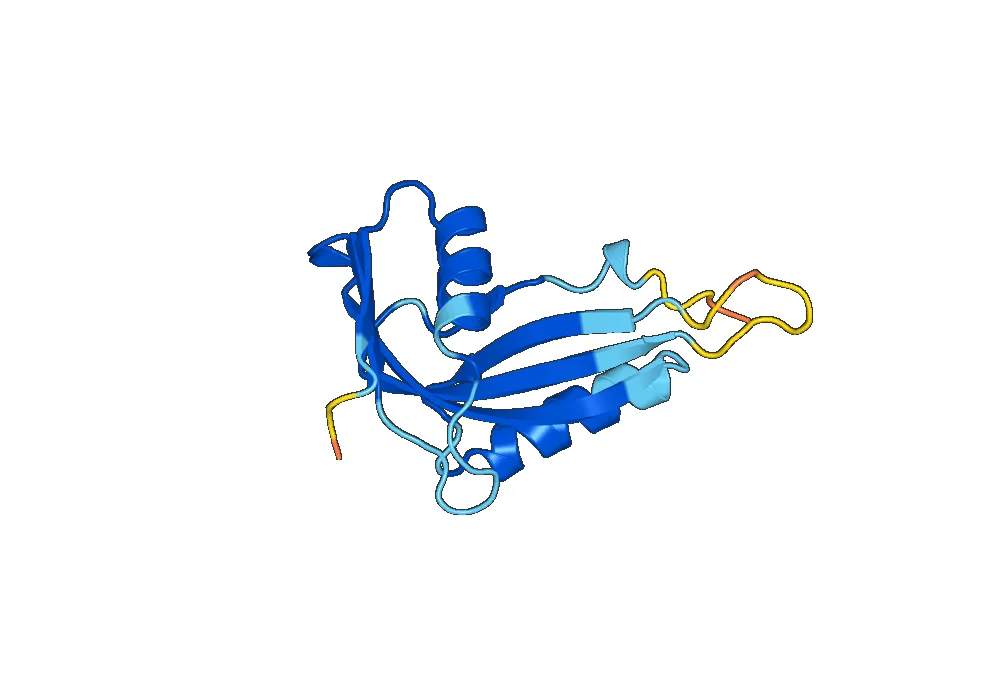
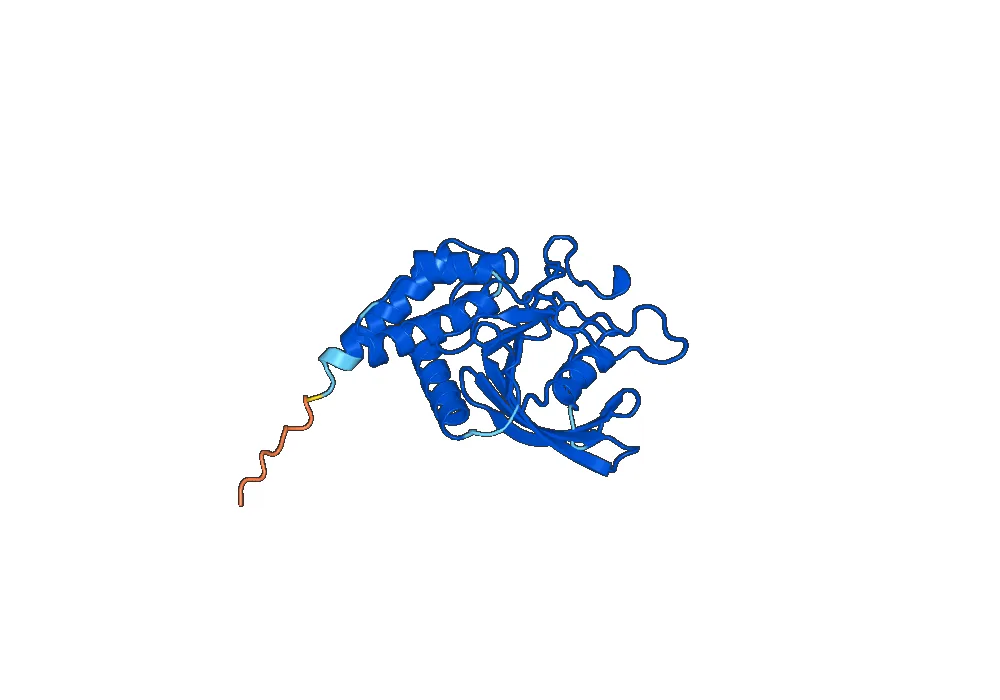
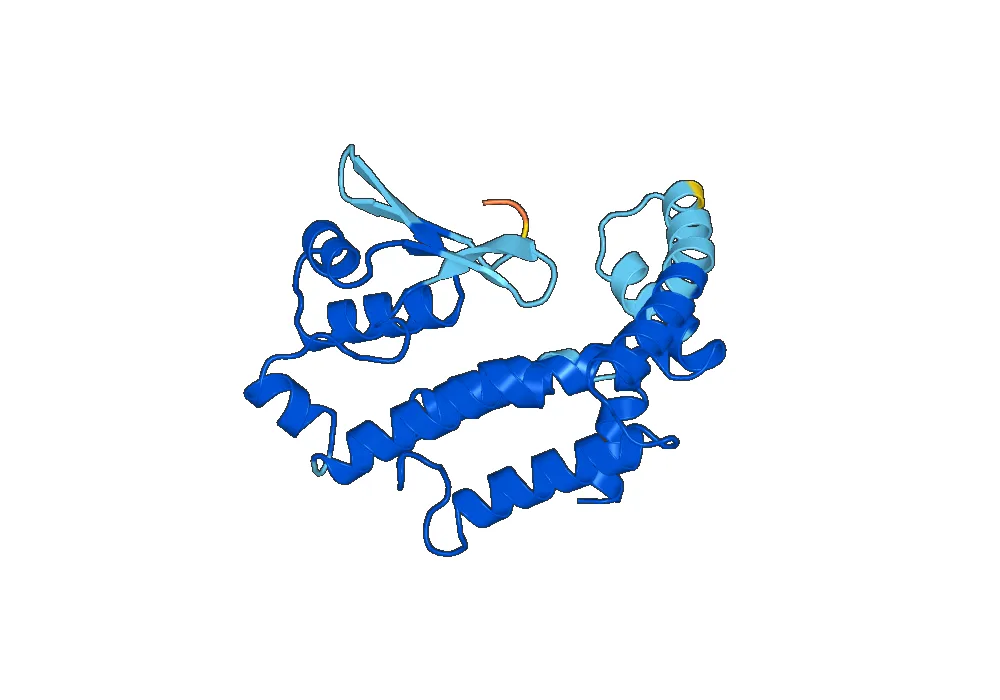
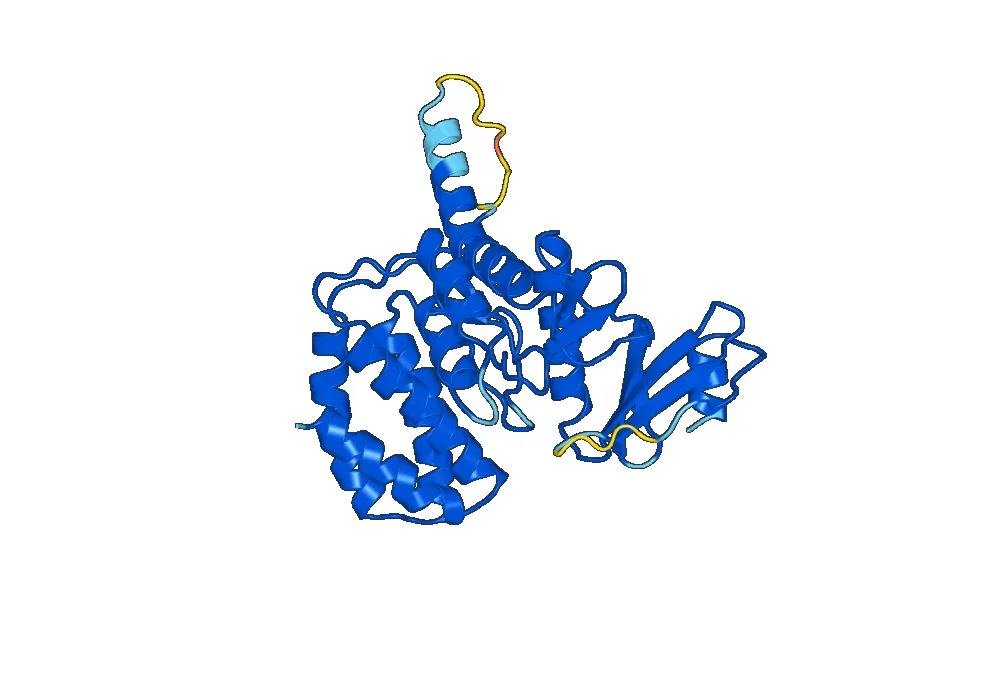
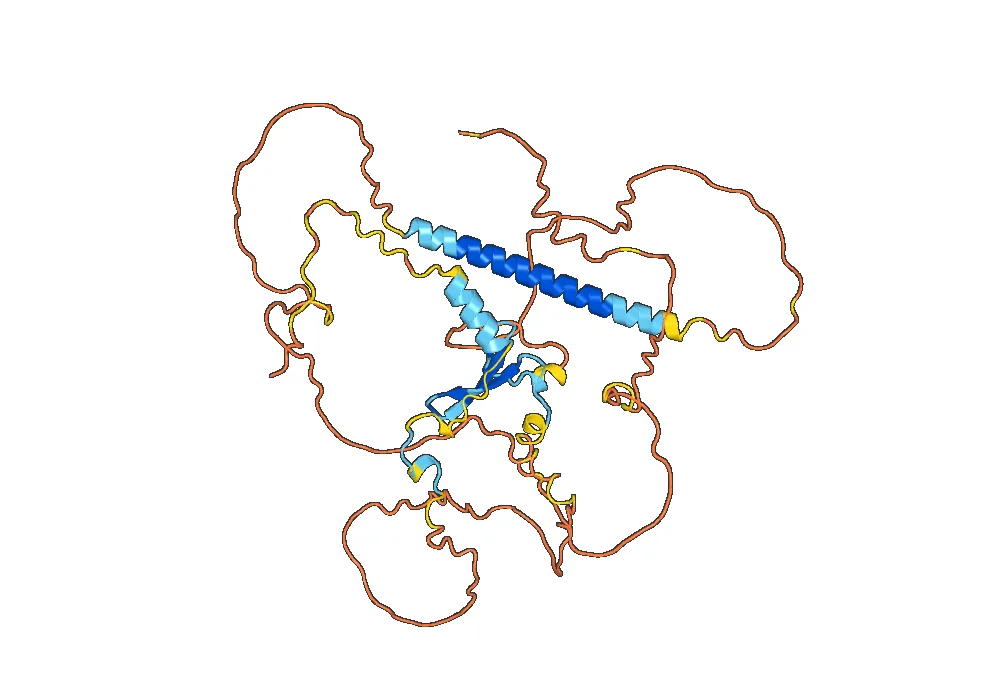
Recombinant Human SGK2 is a 481 amino acid protein with a molecular weight of approximately 55 kDa. It consists of an N-terminal catalytic domain, a central proline-rich domain, and a C-terminal regulatory domain. The catalytic domain is responsible for the kinase activity of SGK2, while the regulatory domain contains various phosphorylation sites that regulate its activity. SGK2 also has a conserved ATP-binding site and a substrate-binding site, which are essential for its function as a kinase.
Activity of Recombinant Human SGK2
Recombinant Human SGK2 is a serine/threonine kinase that regulates various cellular processes by phosphorylating its target proteins. It is activated by different stimuli, including growth factors, hormones, and cellular stress. Upon activation, SGK2 phosphorylates its substrates, which can be transcription factors, ion channels, or other kinases, leading to changes in their activity. SGK2 has been shown to regulate cell growth, proliferation, survival, and metabolism, making it a crucial player in maintaining cellular homeostasis.
Applications of Recombinant Human SGK2
Recombinant Human SGK2 has various applications in both basic research and drug development. Here are some of the specific areas where it has been studied and utilized:
1. Cell signaling and cancer
SGK2 has been extensively studied in the context of cell signaling and its role in cancer development and progression. It has been shown to regulate the activity of various signaling pathways, including the PI3K/Akt and mTOR pathways, which are frequently dysregulated in cancer. SGK2 has also been implicated in promoting cell survival and resistance to chemotherapy in cancer cells, making it a potential target for cancer therapy.
2. Metabolic disorders
SGK2 has been linked to the development of metabolic disorders, such as obesity and type 2 diabetes. It has been shown to regulate glucose and lipid metabolism, as well as insulin signaling. Studies have also suggested that SGK2 may play a role in regulating energy balance and body weight, making it a potential target for the treatment of metabolic disorders.
3. Neurological diseases
SGK2 has been found to be expressed in various regions of the brain and has been linked to the development of neurological diseases, such as Alzheimer’s and Parkinson’s disease. It has been shown to regulate neuronal survival and differentiation, as well as synaptic plasticity. Therefore, SGK2 may have potential applications in the treatment of neurological disorders.
4. Recombinant protein production
Recombinant Human SGK2 is also widely used in the production of recombinant proteins for various research purposes. It can be expressed in different expression systems, such as bacteria, yeast, and mammalian cells, and purified for use in biochemical and structural studies.
5. Antigen in vaccine development
SGK2 has been identified as a potential antigen for vaccine development against certain diseases, such as tuberculosis. Studies have shown that SGK2 can elicit a strong immune response and may be a promising candidate for the development of new vaccines.
Conclusion
In summary, Recombinant Human SGK2 is a crucial protein involved in various cellular processes, including cell growth, proliferation, and survival. Its structure


There are no reviews yet.