Introduction to Recombinant Mouse C1ra Protein
Recombinant Mouse C1ra Protein is a type of recombinant protein that is produced through genetic engineering techniques. This protein is a member of the serine protease family and plays a crucial role in the immune system. It is involved in the complement pathway, which is a part of the innate immune response that helps to fight against foreign invaders such as bacteria and viruses. In this article, we will explore the structure, activity, and applications of Recombinant Mouse C1ra Protein.
Structure of Recombinant Mouse C1ra Protein
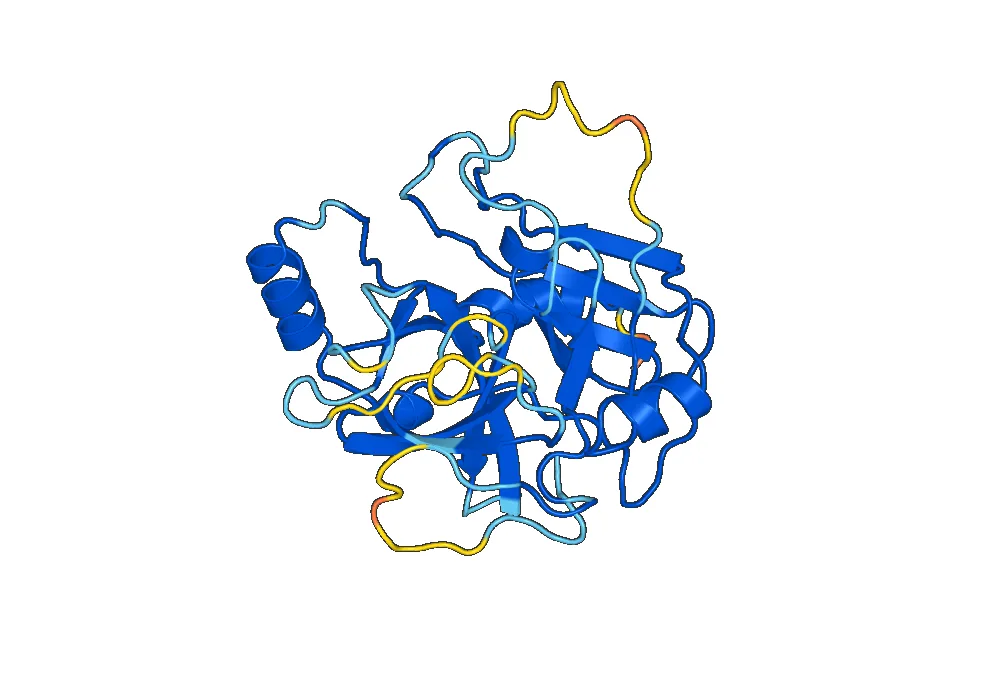
The structure of Recombinant Mouse C1ra Protein is composed of 478 amino acids, with a molecular weight of approximately 52 kDa. It is a single-chain polypeptide with a highly conserved catalytic domain. The protein also contains several domains, including a serine protease domain, an epidermal growth factor-like domain, and a C-terminal domain. These domains are essential for the protein’s function and activity.
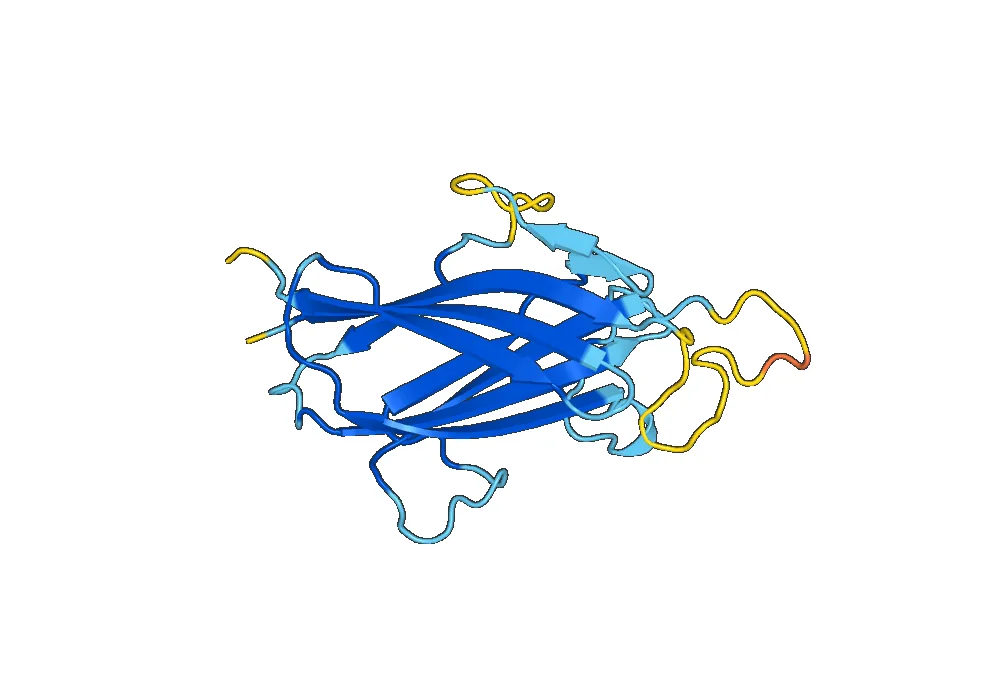
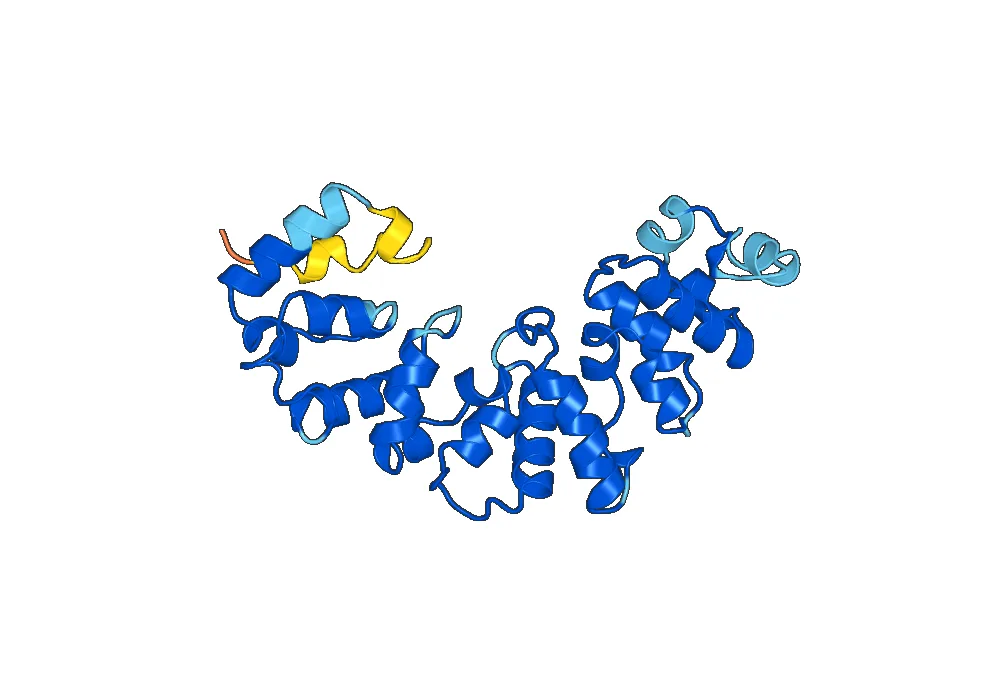
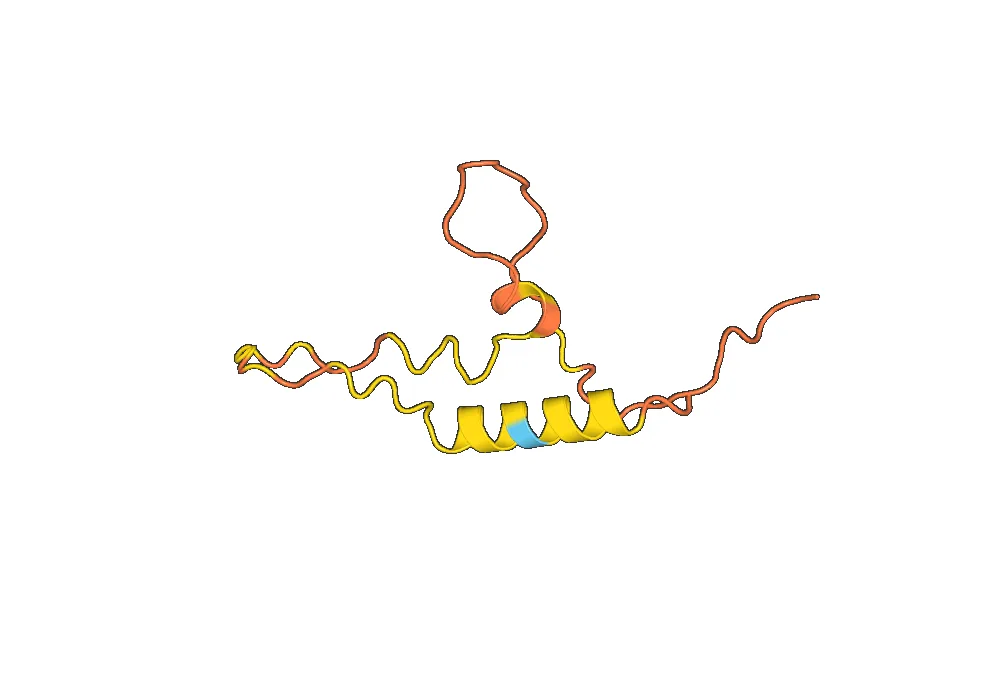
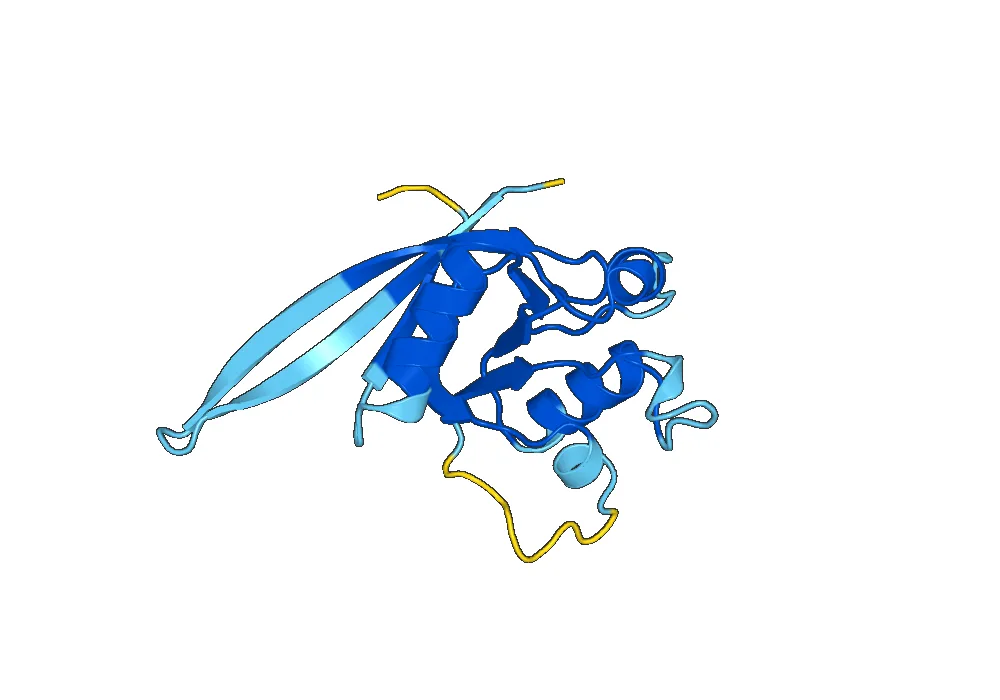
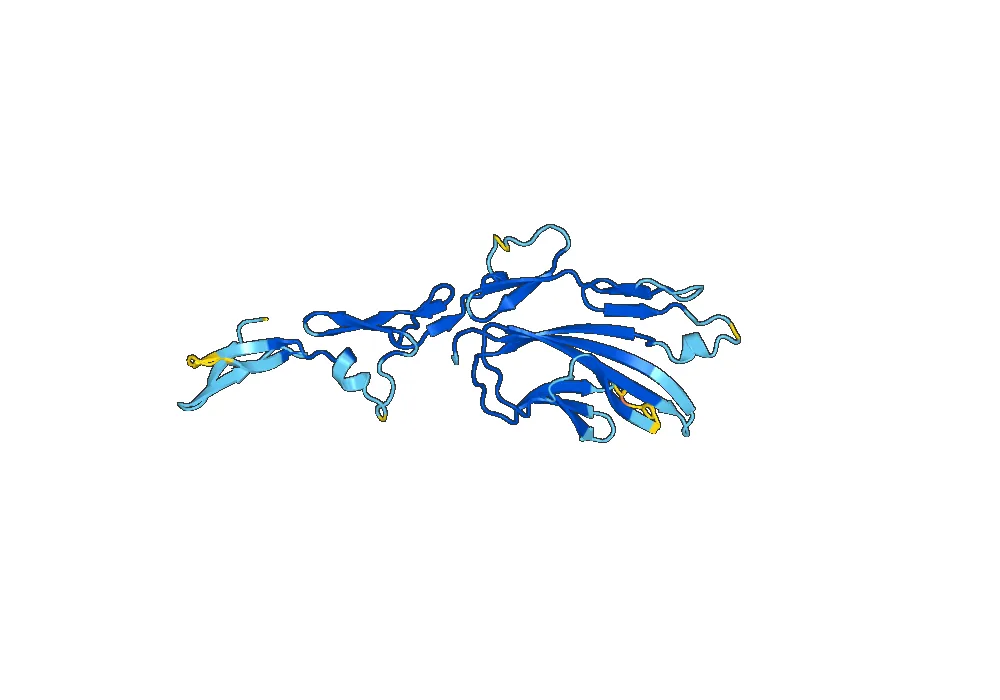
The crystal structure of Recombinant Mouse C1ra Protein has been determined, revealing the protein’s three-dimensional structure. The serine protease domain is responsible for the protein’s enzymatic activity, while the epidermal growth factor-like domain is involved in protein-protein interactions. The C-terminal domain is thought to play a regulatory role in the protein’s activity.
Activity of Recombinant Mouse C1ra Protein
Recombinant Mouse C1ra Protein is a serine protease that acts as an inhibitor of the complement system. It specifically targets and inhibits the activity of C1s, a serine protease that is involved in the initiation of the classical pathway of the complement system. By inhibiting C1s, Recombinant Mouse C1ra Protein helps to regulate the complement system and prevent excessive inflammation and tissue damage.
The complement system is a complex cascade of proteins that work together to eliminate foreign invaders and damaged cells. When activated, it can lead to the destruction of healthy cells and tissues if not regulated properly. Recombinant Mouse C1ra Protein plays a crucial role in maintaining the balance of the complement system and preventing excessive immune responses.
Applications of Recombinant Mouse C1ra Protein
Recombinant Mouse C1ra Protein has various applications in both research and medicine. In research, it is used as a tool to study the complement system and its role in the immune response. It is also used to investigate the function of other proteins involved in the complement pathway.
In medicine, Recombinant Mouse C1ra Protein has been approved by the FDA for the treatment of hereditary angioedema (HAE). HAE is a rare genetic disorder that causes episodes of swelling in various parts of the body, including the face, hands, feet, and airway. These episodes can be life-threatening if they occur in the airway. Recombinant Mouse C1ra Protein is used to prevent and treat these episodes by regulating the complement system and reducing inflammation.
Furthermore, Recombinant Mouse C1ra Protein is being studied for its potential use in the treatment of other inflammatory conditions, such as sepsis and autoimmune diseases. Its ability to regulate the complement system makes it a promising candidate for these conditions, which are characterized by excessive inflammation.
Conclusion
Recombinant Mouse C1ra Protein is an important protein in the immune system that plays a crucial role in regulating the complement pathway. Its structure, activity, and applications have been extensively studied and have led to its approval for the treatment of HAE. Further research is ongoing to explore its potential use in other inflammatory conditions. With its diverse functions and therapeutic potential, Recombinant Mouse C1ra Protein is a valuable tool in the field of immunology and a promising candidate for the development of new treatments.


There are no reviews yet.