Introduction to Recombinant Mouse FBLN7 Protein
Recombinant proteins are proteins that are produced through genetic engineering techniques, where a specific gene is inserted into a host organism to produce large quantities of the desired protein. One such recombinant protein is the Recombinant Mouse FBLN7 Protein, which has gained attention in the scientific community due to its unique structure, activity and potential applications. In this article, we will delve into the details of this protein and its significance in various fields of research.
Structure of Recombinant Mouse FBLN7 Protein
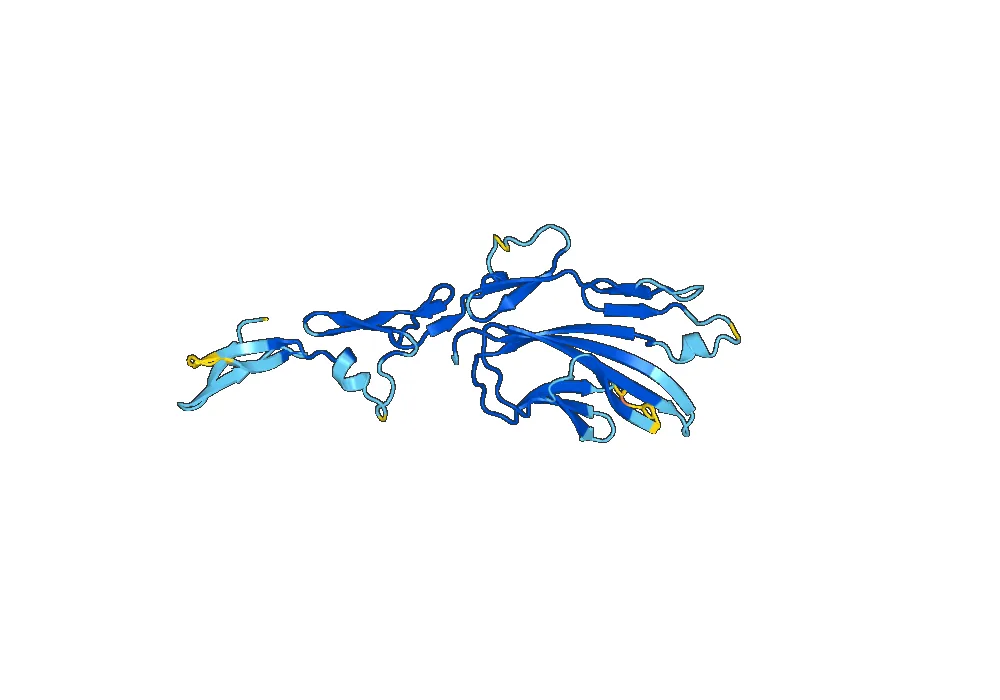
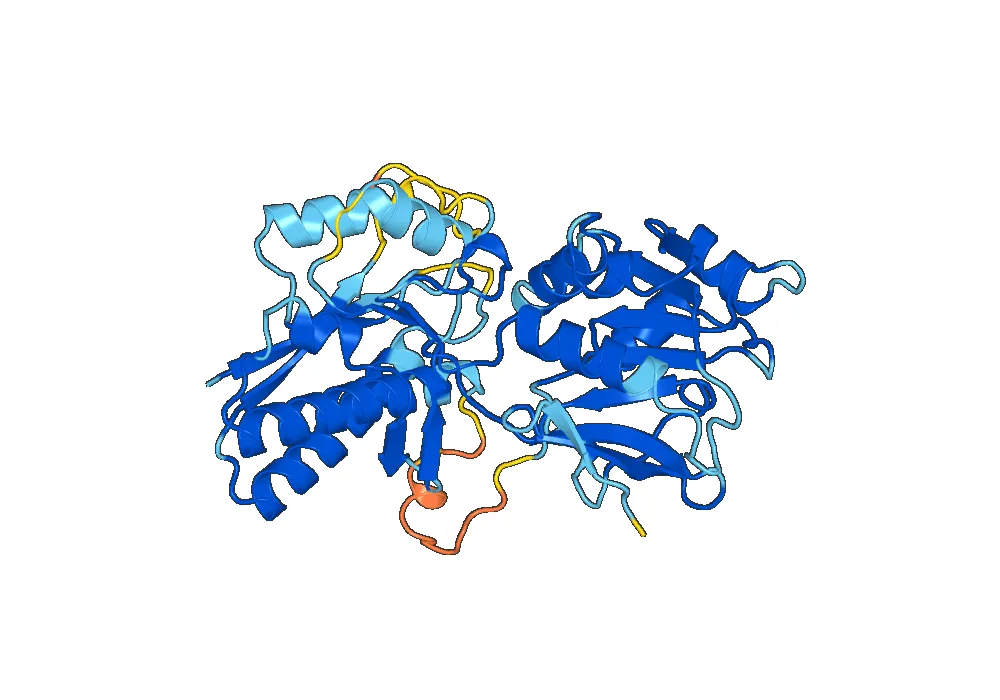
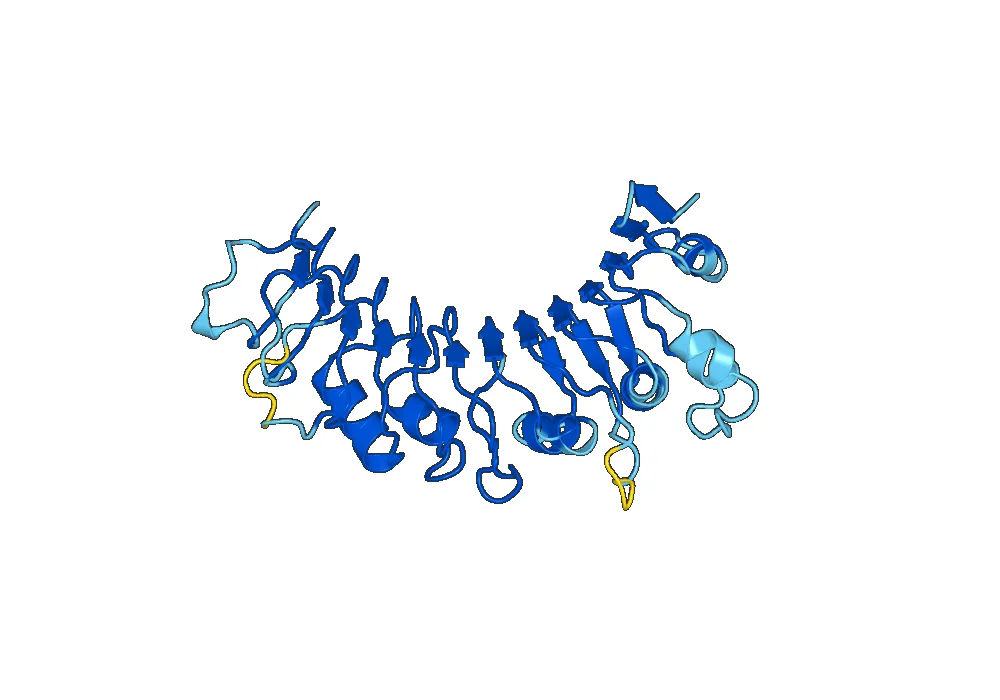
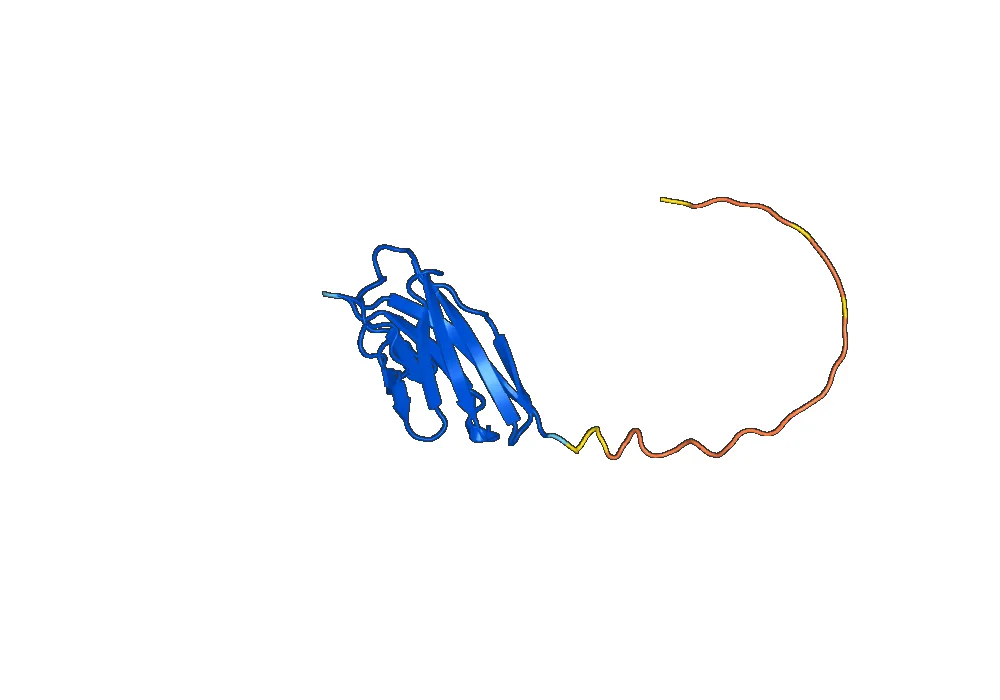
The Recombinant Mouse FBLN7 Protein is a member of the fibulin family of extracellular matrix proteins. It is composed of 428 amino acids and has a molecular weight of 47 kDa. The protein contains a signal peptide, five calcium-binding epidermal growth factor-like (cbEGF) domains, and a fibulin-type C-terminal domain. The cbEGF domains are responsible for calcium binding, while the fibulin-type C-terminal domain is involved in protein-protein interactions.
The protein is highly conserved among different species, with 93% sequence identity between human and mouse FBLN7 proteins. This indicates the importance of this protein in various biological processes.
Activity of Recombinant Mouse FBLN7 Protein
The Recombinant Mouse FBLN7 Protein has been shown to have multiple activities in various biological processes. One of its main functions is its role in cell adhesion. The protein binds to integrins, which are transmembrane receptors that mediate cell-cell and cell-matrix interactions. This interaction promotes cell adhesion and migration, making FBLN7 essential for tissue development and wound healing processes.
In addition to its role in cell adhesion, FBLN7 has also been found to modulate the activity of transforming growth factor beta (TGF-β), a cytokine involved in cell proliferation, differentiation, and immune response. FBLN7 binds to TGF-β and inhibits its signaling, thereby regulating its activity in various cellular processes.
Application of Recombinant Mouse FBLN7 Protein
The unique structure and activity of Recombinant Mouse FBLN7 Protein make it a valuable tool in various fields of research. One of its potential applications is in tissue engineering. The protein’s ability to promote cell adhesion and migration makes it a promising candidate for developing biomaterials for tissue regeneration and repair.
FBLN7 has also been implicated in various disease processes, such as cancer and fibrosis. Its role in regulating TGF-β activity makes it a potential therapeutic target for these diseases. Recombinant Mouse FBLN7 Protein can be used in studies to better understand the mechanism of action of this protein and its potential as a therapeutic agent.
Furthermore, FBLN7 has been found to have a role in cardiovascular diseases. It has been shown to regulate blood vessel formation and remodeling, making it a potential target for the treatment of diseases such as atherosclerosis and aneurysms.
Conclusion
In summary, Recombinant Mouse FBLN7 Protein is a unique protein with a specific structure and multiple activities. Its role in cell adhesion, modulation of TGF-β activity, and potential applications in tissue engineering and disease treatment make it a promising candidate for further research. With the advancement of genetic engineering techniques, the production of this protein has become more accessible, providing researchers with a valuable tool to explore its various functions and potential applications.


There are no reviews yet.