Introduction
Recombinant Mouse CD147/BSG Protein is a high-quality, biologically active protein that has been produced using recombinant DNA technology. This protein is a member of the immunoglobulin superfamily and is also known as basigin or EMMPRIN (extracellular matrix metalloproteinase inducer). It plays a crucial role in various biological processes, making it a valuable tool for research and potential therapeutic applications.
Structure of Recombinant Mouse CD147/BSG Protein
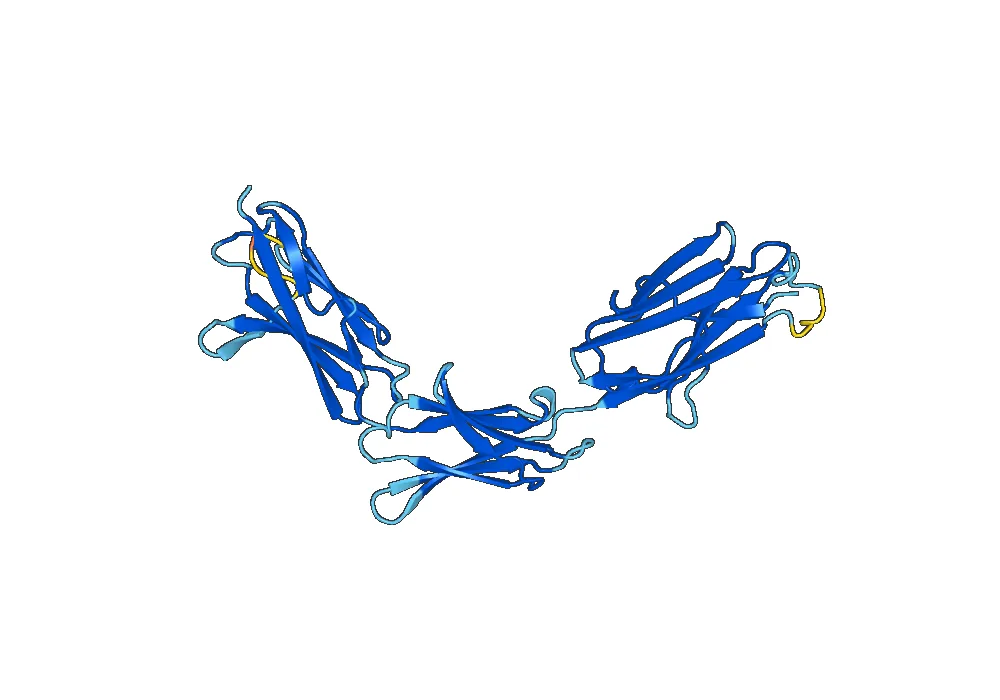
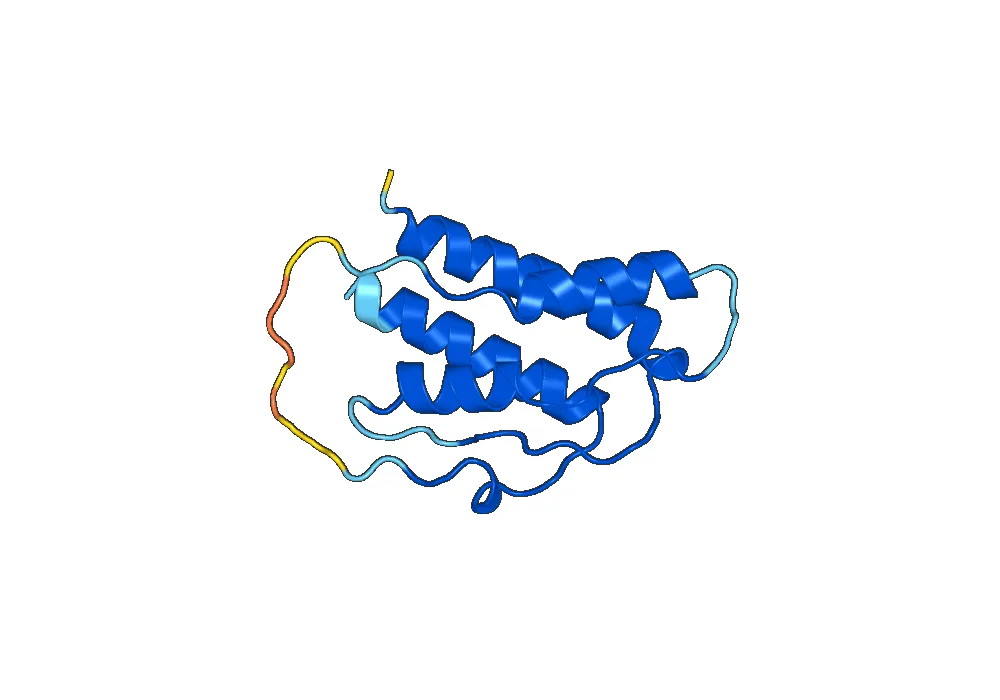
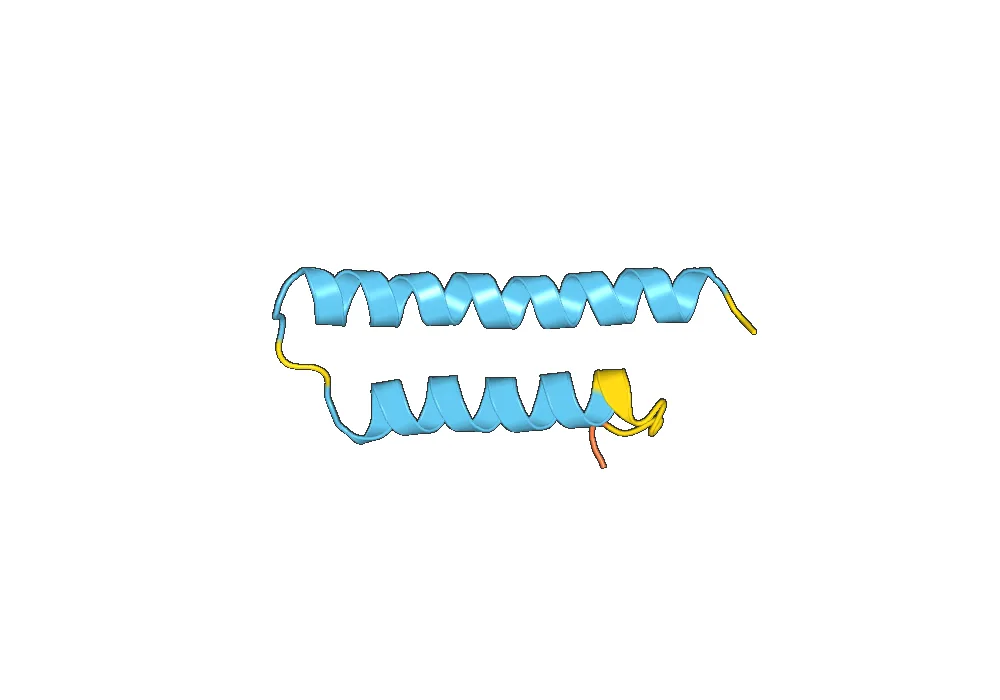
The recombinant mouse CD147/BSG protein is composed of 269 amino acids and has a molecular weight of approximately 29 kDa. It contains an extracellular domain, a transmembrane domain, and a cytoplasmic domain. The extracellular domain is responsible for binding to its ligands and contains two immunoglobulin-like domains. The transmembrane domain anchors the protein to the cell membrane, while the cytoplasmic domain is involved in intracellular signaling.
Activity of Recombinant Mouse CD147/BSG Protein
Recombinant Mouse CD147/BSG Protein has been shown to have multiple activities and functions. It is a multifunctional protein that plays a role in cell adhesion, migration, proliferation, and differentiation. It is also involved in immune response regulation, angiogenesis, and tumor progression.
One of the main functions of CD147/BSG is its role in cell adhesion. It interacts with various extracellular matrix proteins, such as collagen, laminin, and fibronectin, to promote cell adhesion. This activity is crucial for cell migration and tissue development.
CD147/BSG also acts as a signaling molecule and can activate various intracellular pathways. It has been shown to activate the PI3K/Akt and MAPK/ERK pathways, which are involved in cell survival and proliferation. Additionally, CD147/BSG can modulate the expression and activity of matrix metalloproteinases (MMPs), which are important for tissue remodeling and tumor invasion.
Furthermore, CD147/BSG is a key regulator of immune response. It is expressed on the surface of various immune cells, including T cells, B cells, and macrophages, and can modulate their function and cytokine production. CD147/BSG has also been shown to play a role in angiogenesis by promoting the production of vascular endothelial growth factor (VEGF) and stimulating the migration and proliferation of endothelial cells.
Applications of Recombinant Mouse CD147/BSG Protein
Recombinant Mouse CD147/BSG Protein has a wide range of applications in both research and potential therapeutic interventions. Its role in cell adhesion and migration makes it a valuable tool for studying tissue development and wound healing. Its involvement in immune response regulation makes it a potential target for immunomodulatory therapies.
Moreover, CD147/BSG has been implicated in various diseases, including cancer, inflammatory diseases, and neurological disorders. As a result, recombinant CD147/BSG protein is being studied as a potential therapeutic target for these conditions. It can be used to develop inhibitors that can block its activity and potentially inhibit tumor growth and metastasis.
In addition, recombinant CD147/BSG protein can also be used in diagnostic applications. Its expression has been found to be altered in various diseases, and it can serve as a biomarker for disease diagnosis and monitoring.
Conclusion
Recombinant Mouse CD147/BSG Protein is a versatile protein with multiple functions and activities. Its structure and role in various biological processes make it a valuable tool for research and potential therapeutic applications. As more studies uncover the complexities of CD147/BSG, its potential as a therapeutic target and diagnostic biomarker continues to grow.



There are no reviews yet.