Recombinant Mouse H-2Kb Protein: Structure, Activity, and Application
Introduction
Recombinant proteins are proteins that are produced through genetic engineering techniques, where the gene for a particular protein is inserted into a host organism, such as bacteria or yeast, and then expressed to produce large quantities of the desired protein. One such recombinant protein is the Recombinant Mouse H-2Kb Protein, which plays a crucial role in the immune system and has various applications in biomedical research and therapy.
Structure of Recombinant Mouse H-2Kb Protein
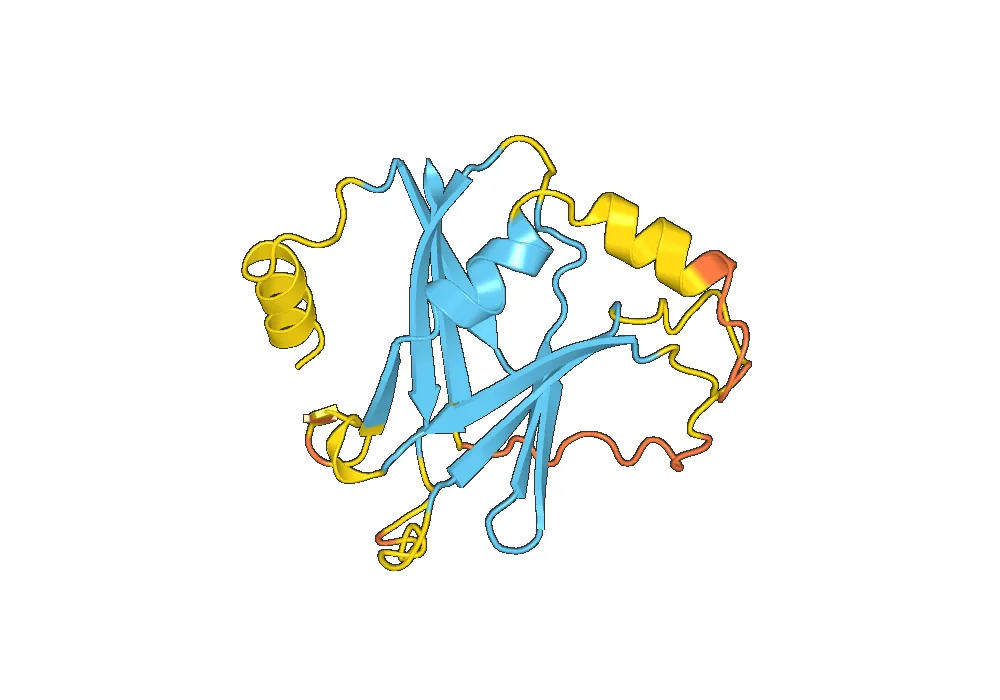
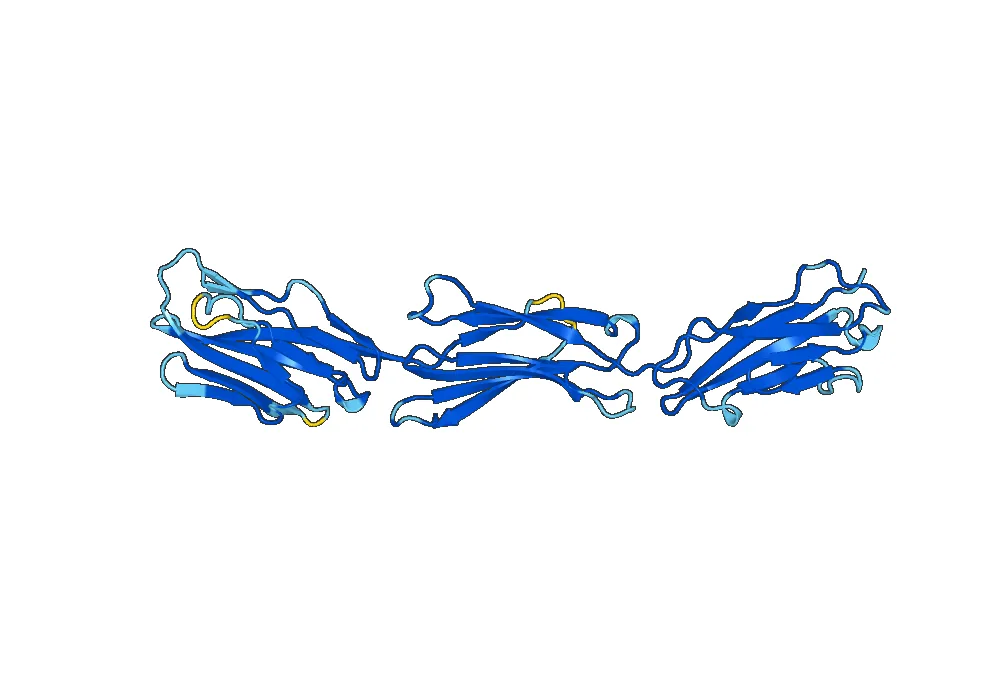
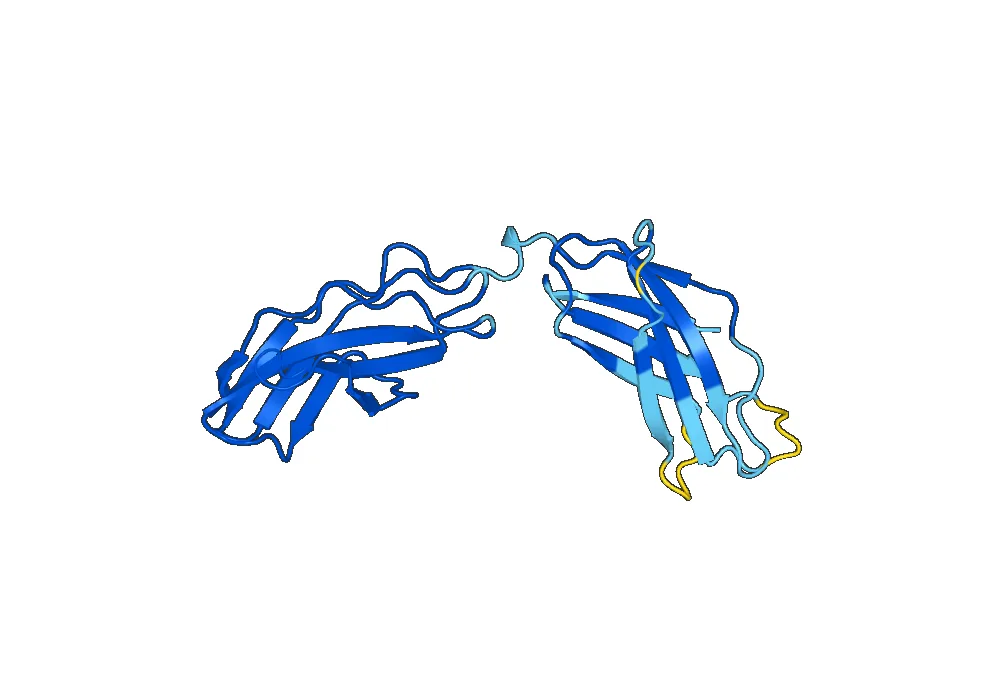
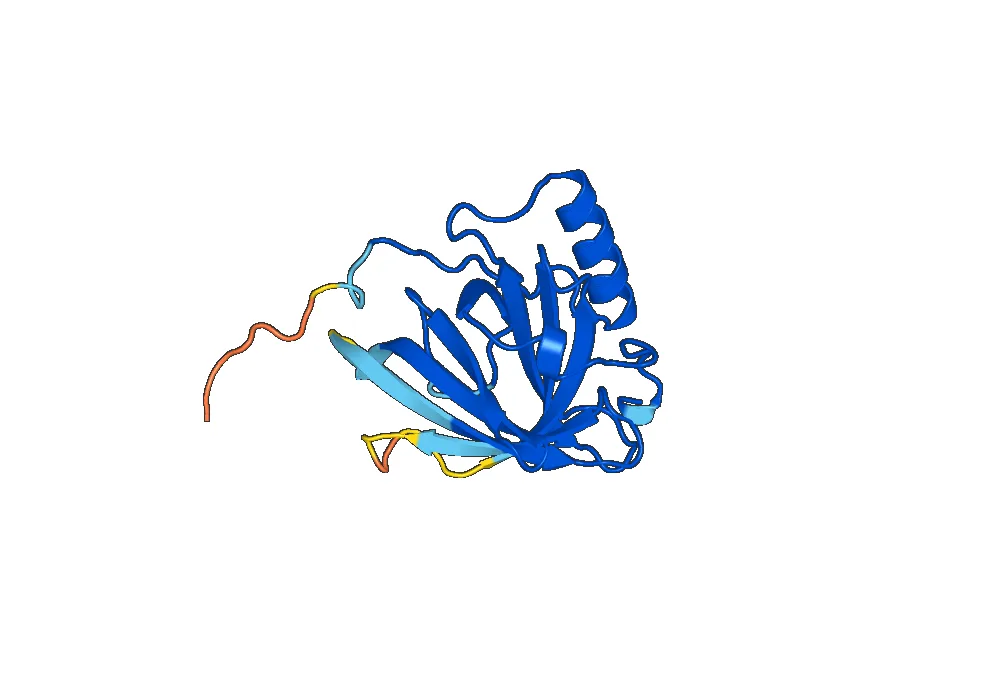
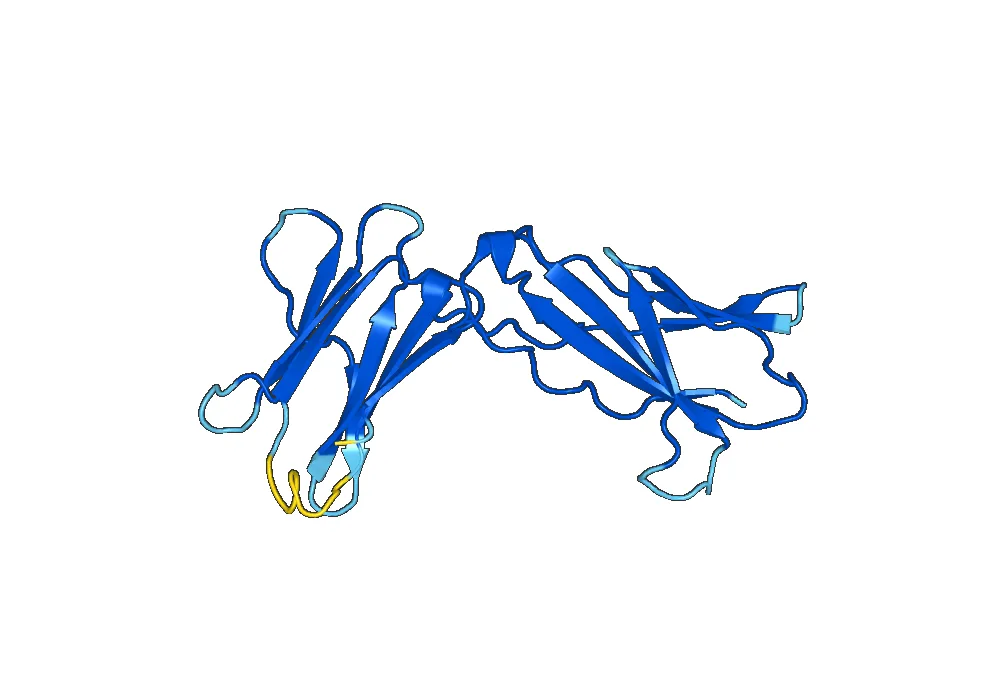
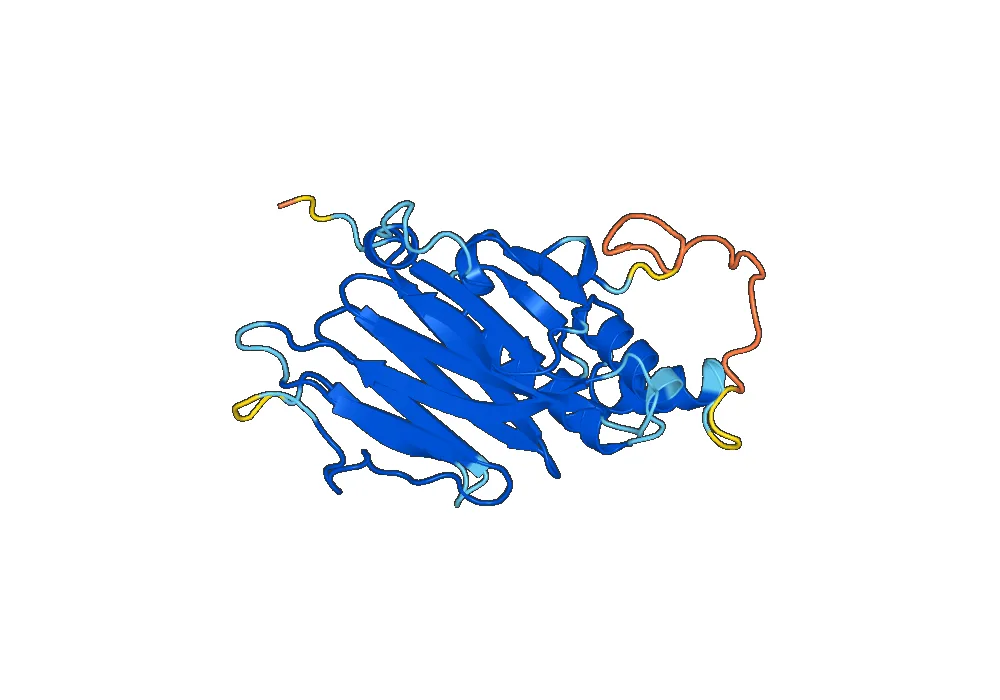
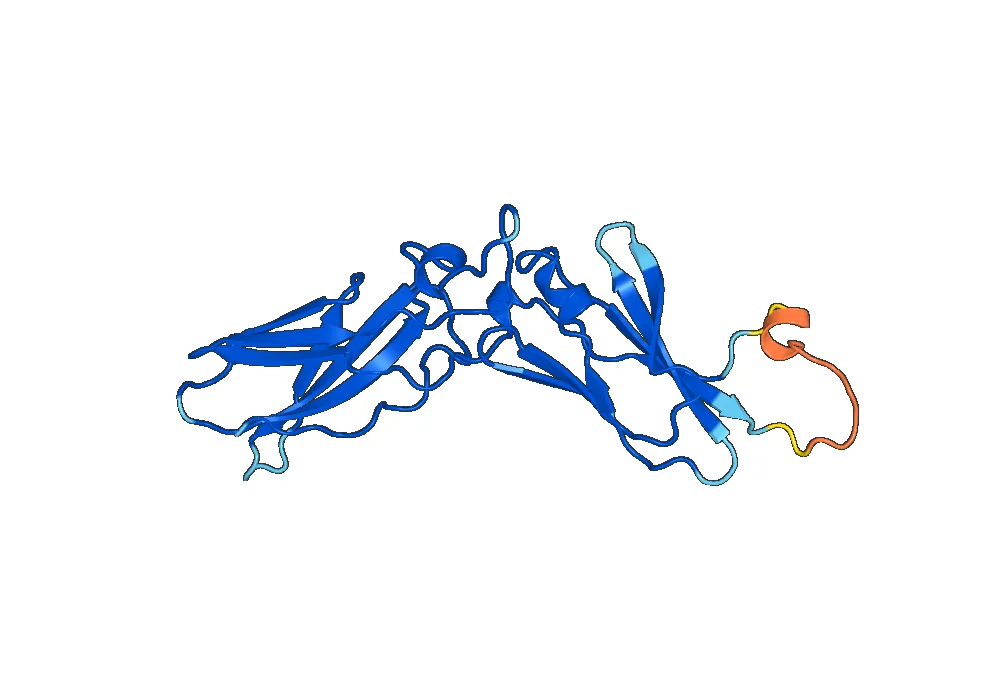
The Recombinant Mouse H-2Kb Protein is a major histocompatibility complex (MHC) class I protein, which is a type of cell surface receptor found on most nucleated cells in the body. It is composed of a single polypeptide chain consisting of three domains – α1, α2, and α3. The α1 and α2 domains form the peptide-binding groove, while the α3 domain interacts with the CD8 co-receptor on T cells. The α1 and α2 domains are highly polymorphic, which allows MHC class I proteins to bind and present a wide range of foreign peptides to the immune system.
Activity of Recombinant Mouse H-2Kb Protein
The main function of the Recombinant Mouse H-2Kb Protein is to present foreign peptides to T cells, which are a type of immune cell responsible for recognizing and eliminating infected or abnormal cells. This process is crucial for the detection and elimination of viruses, bacteria, and other pathogens. The Recombinant Mouse H-2Kb Protein achieves this by binding to short peptides, usually 8-10 amino acids in length, and presenting them on the cell surface for recognition by T cells. This interaction between the Recombinant Mouse H-2Kb Protein and T cells plays a crucial role in the adaptive immune response.
Application of Recombinant Mouse H-2Kb Protein
The Recombinant Mouse H-2Kb Protein has various applications in biomedical research and therapy. One of the most significant uses of this protein is in the study of immune responses and the development of vaccines. By presenting specific peptides on the cell surface, the Recombinant Mouse H-2Kb Protein can be used to study the immune response to different pathogens and identify potential vaccine candidates. Additionally, this protein can also be used in the development of immunotherapies for diseases such as cancer, where the immune system can be harnessed to target and eliminate cancer cells.
The Recombinant Mouse H-2Kb Protein also has applications in drug discovery and development. By using this protein, researchers can identify potential drug targets and evaluate the efficacy of new drugs in modulating the immune response. Furthermore, the Recombinant Mouse H-2Kb Protein can also be used in the production of monoclonal antibodies, which are essential tools in research, diagnostics, and therapy.
Conclusion
The Recombinant Mouse H-2Kb Protein is a crucial component of the immune system and has various applications in biomedical research and therapy. Its unique structure and activity make it an essential tool for studying the immune response and developing new treatments for diseases. With continued advancements in genetic engineering and protein production techniques, the potential uses of Recombinant Mouse H-2Kb Protein are only expected to grow in the future.

There are no reviews yet.