Introduction to Recombinant Mouse CD81 Protein
Recombinant Mouse CD81 Protein is a type of protein that is produced through genetic engineering techniques. It is a member of the tetraspanin family of proteins, which are known for their role in cell signaling and membrane organization. This protein is commonly used in scientific research and has a wide range of applications due to its unique structure and activity.
Structure of Recombinant Mouse CD81 Protein
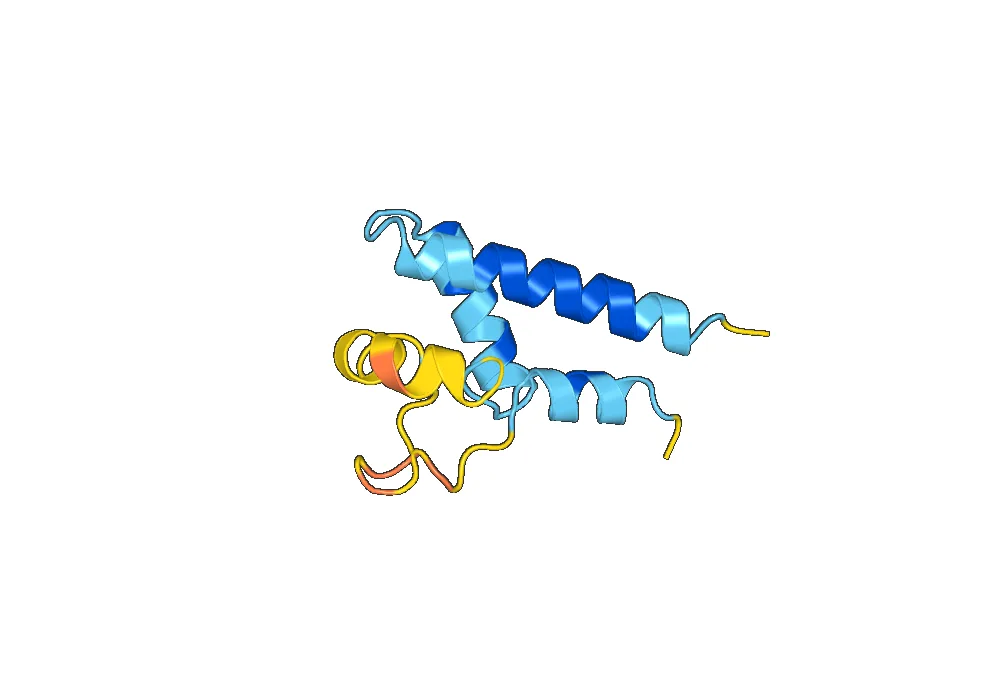
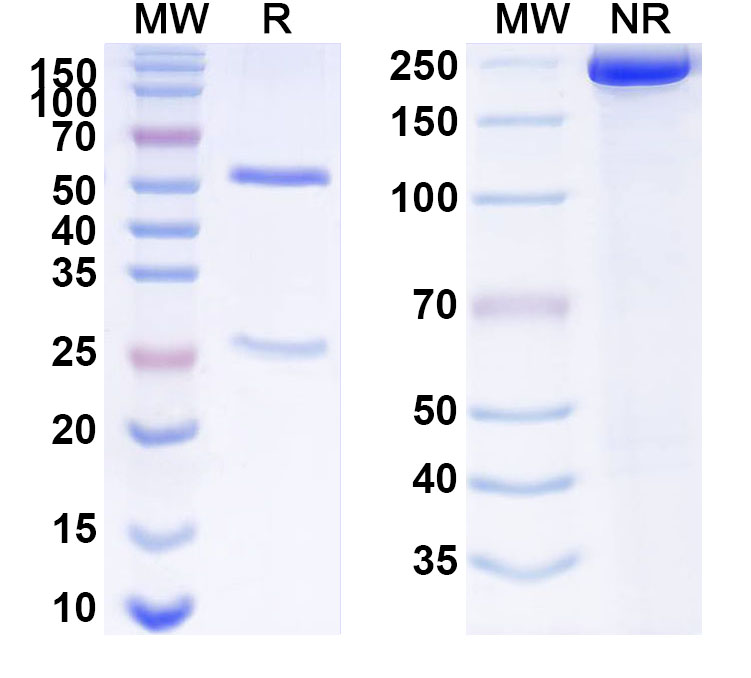
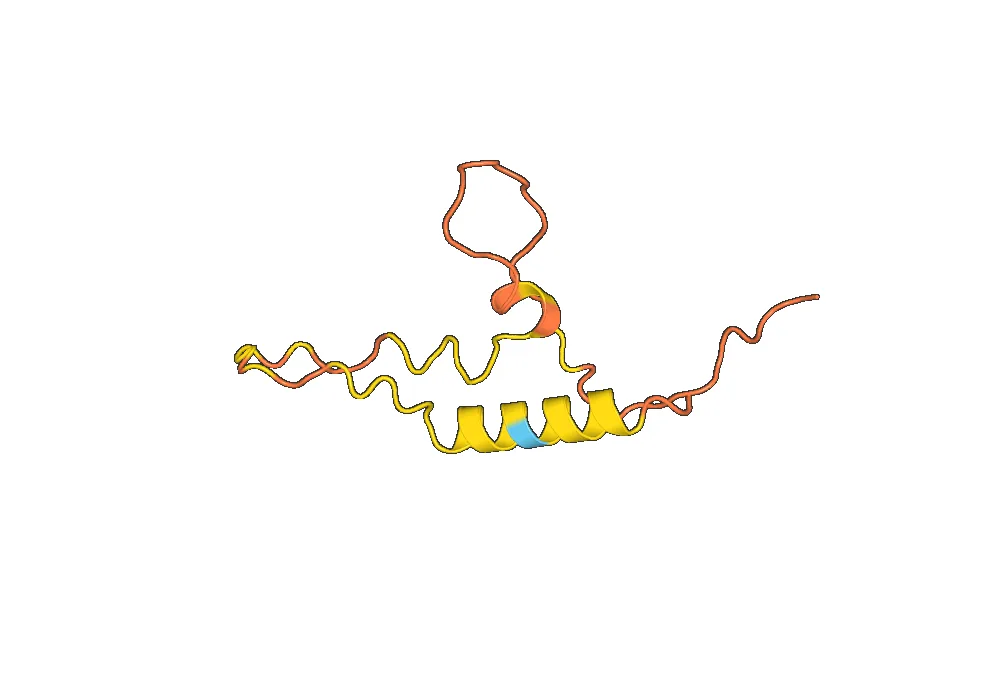
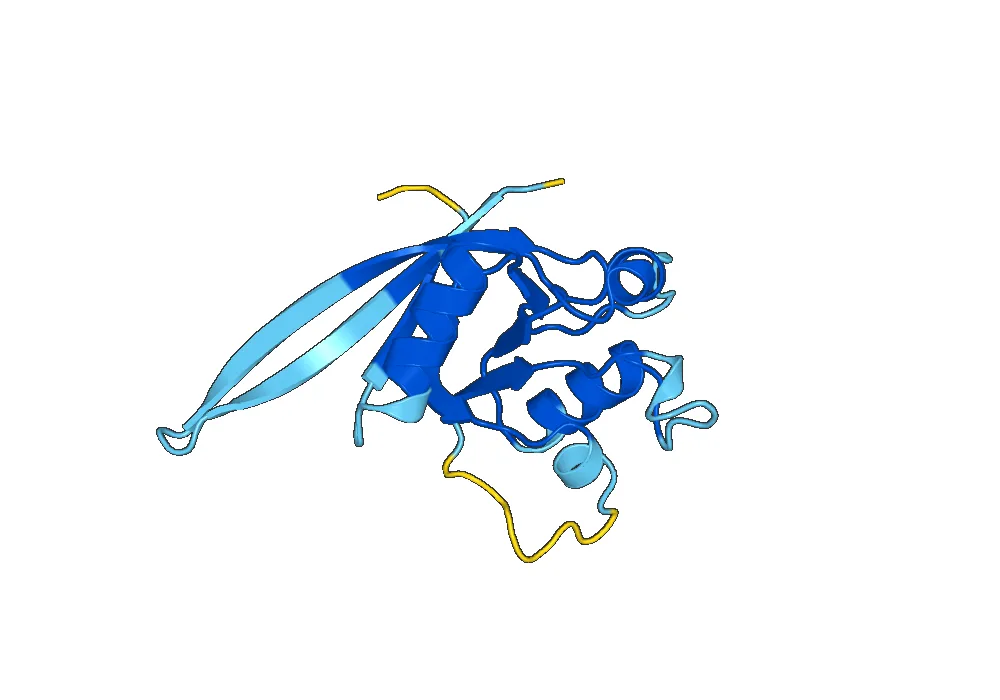
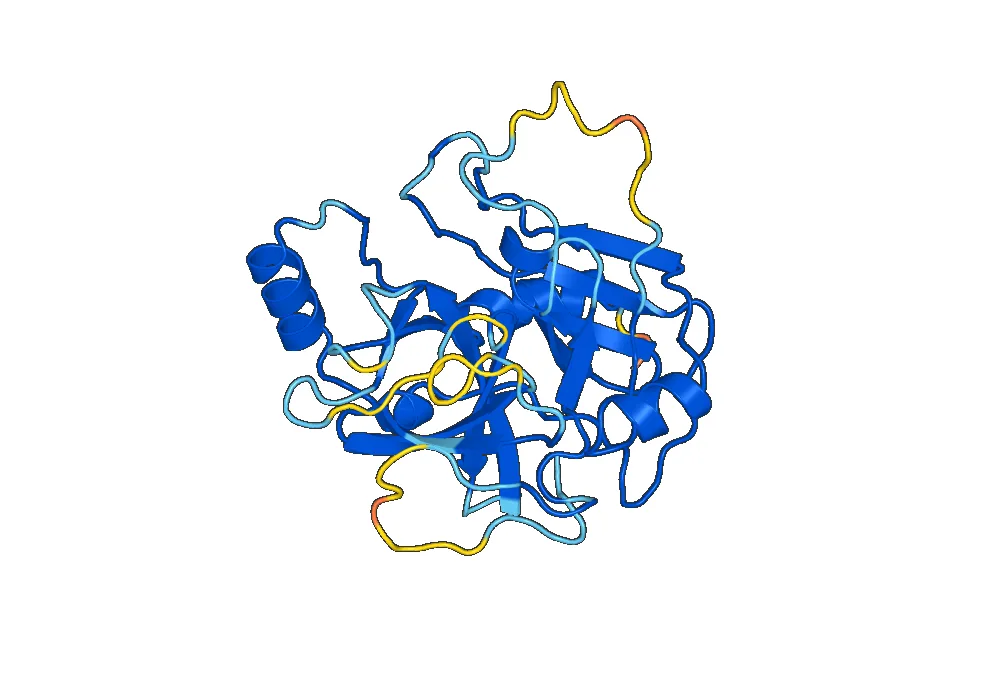
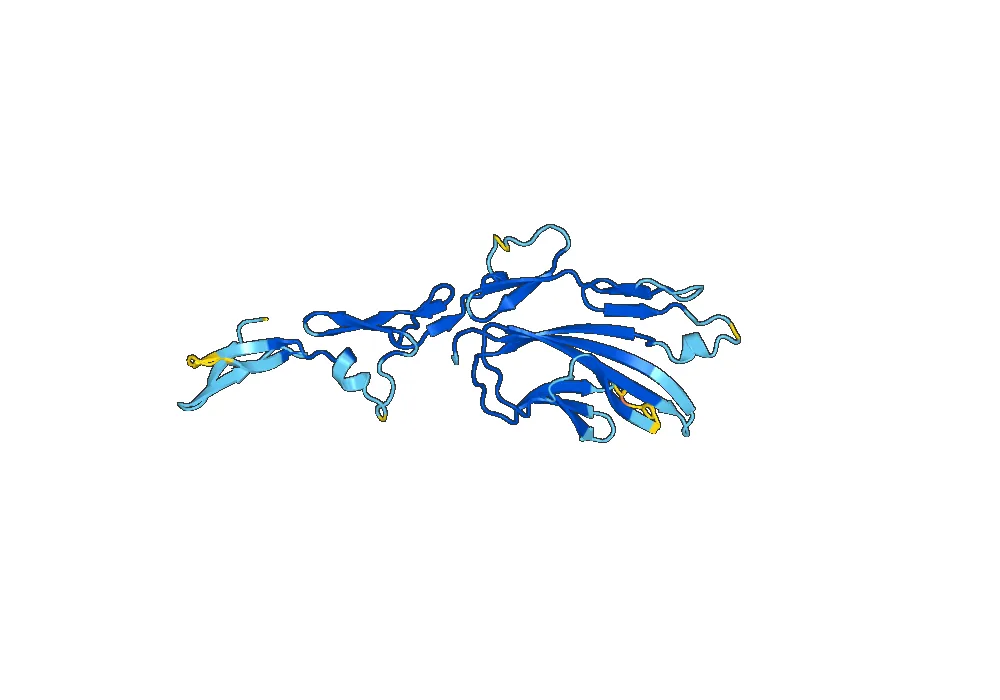
The Recombinant Mouse CD81 Protein is composed of 236 amino acids and has a molecular weight of approximately 26 kDa. It is a transmembrane protein, meaning it spans the cell membrane and has both an extracellular and intracellular region. The extracellular region contains four transmembrane domains and two extracellular loops, while the intracellular region contains a short cytoplasmic tail.
The protein also has several conserved domains, including a C-terminal PAL motif, a highly conserved cysteine-rich region, and a conserved region involved in protein-protein interactions. These domains play important roles in the function and activity of the protein.
Activity of Recombinant Mouse CD81 Protein
Recombinant Mouse CD81 Protein is known to have a wide range of activities in various biological processes. It is primarily involved in cell signaling and membrane organization, and has been shown to interact with multiple proteins and molecules.
One of the main functions of this protein is its role in the formation of tetraspanin-enriched microdomains (TEMs) on the cell membrane. These microdomains are important for cell signaling and play a crucial role in various cellular processes such as cell adhesion, migration, and immune response.
Additionally, Recombinant Mouse CD81 Protein has been shown to interact with other proteins such as integrins, which are involved in cell adhesion and migration. It also plays a role in the regulation of immune response by interacting with T cells and B cells.
Application of Recombinant Mouse CD81 Protein
Due to its unique structure and activity, Recombinant Mouse CD81 Protein has a wide range of applications in scientific research. One of the main applications of this protein is in the study of cell signaling and membrane organization. Its role in the formation of TEMs makes it an important tool for understanding the mechanisms behind these processes.
Furthermore, Recombinant Mouse CD81 Protein has been used in studies related to immune response and infectious diseases. Its interaction with T cells and B cells makes it a valuable tool in understanding the role of these cells in the immune system and how they respond to different antigens.
Moreover, this protein has also been used in the development of diagnostic tools and potential vaccines. Its ability to interact with various proteins and molecules makes it a potential target for therapeutic interventions.
Conclusion
In conclusion, Recombinant Mouse CD81 Protein is a unique protein with a diverse range of functions and applications. Its structure, activity, and interaction with other proteins make it an important tool in scientific research, particularly in the fields of cell signaling, membrane organization, and immune response. Further studies on this protein may provide valuable insights into various biological processes and lead to the development of new therapeutic interventions.


There are no reviews yet.