Introduction to Recombinant Mouse Ctf2 Protein
Recombinant Mouse Ctf2 Protein, also known as Chromosome Transmission Fidelity 2 Protein, is a key component of the replication machinery in eukaryotic cells. It plays a crucial role in maintaining the stability and integrity of the genome during DNA replication. This protein is highly conserved across species and is essential for cell viability. In this article, we will discuss the structure, activity, and applications of Recombinant Mouse Ctf2 Protein.
Structure of Recombinant Mouse Ctf2 Protein
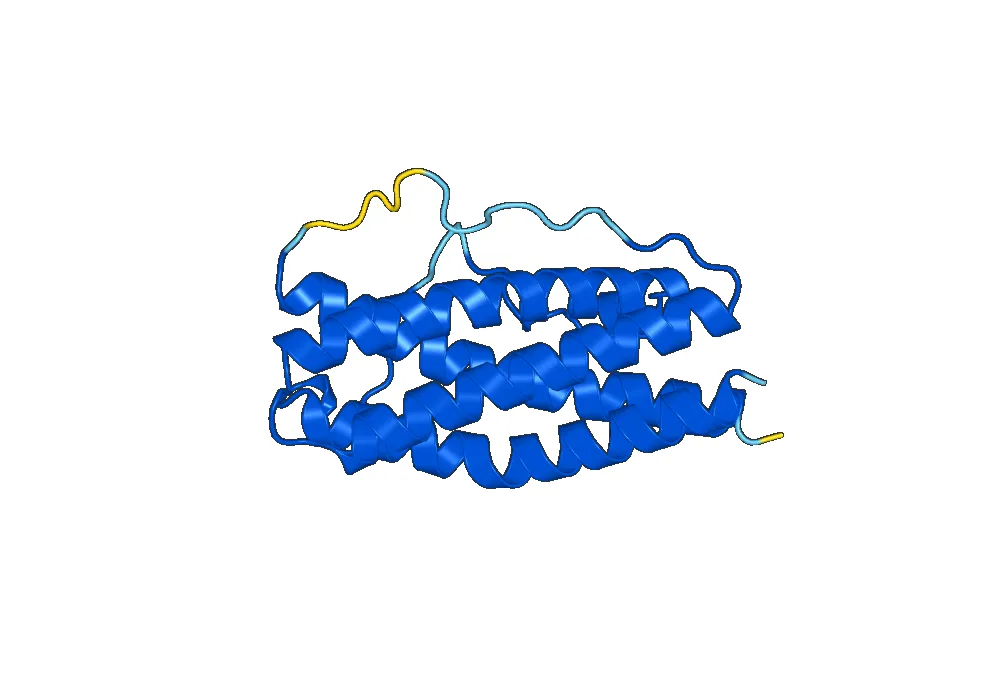
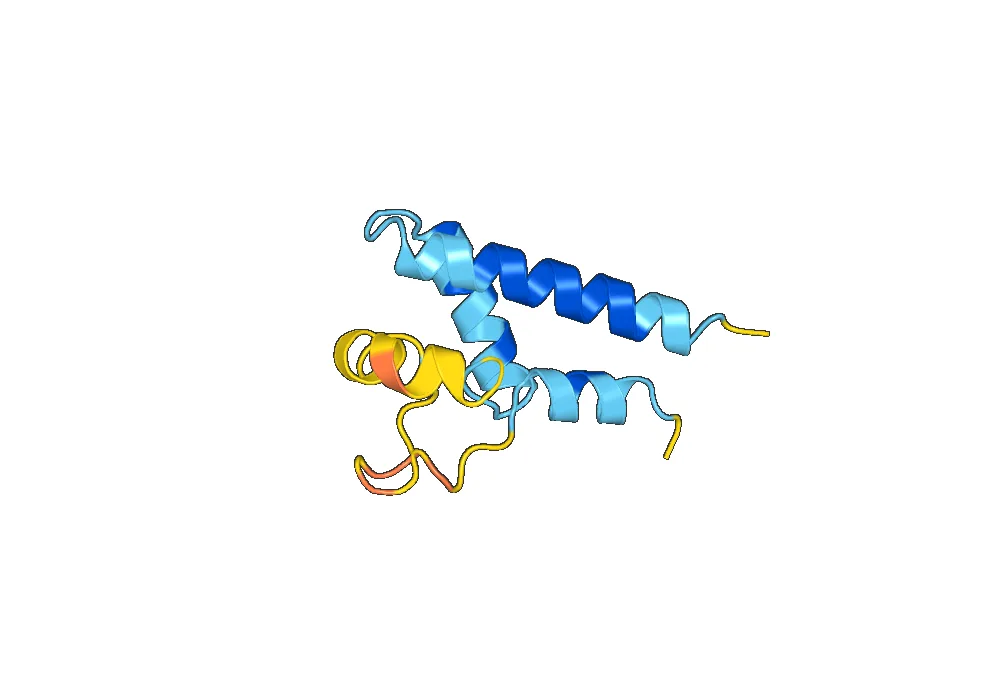
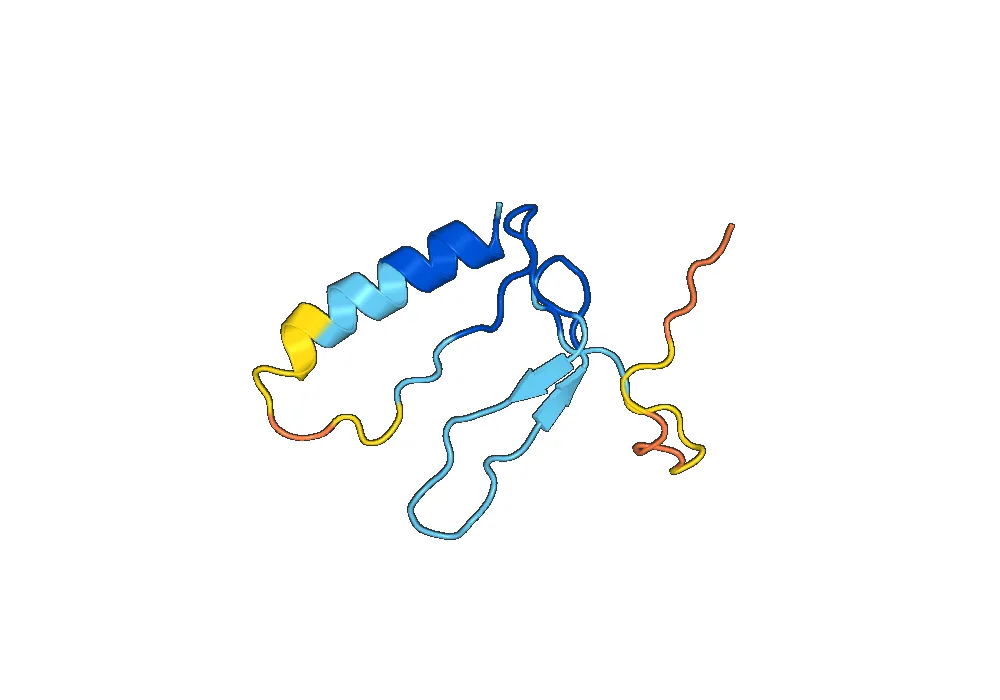
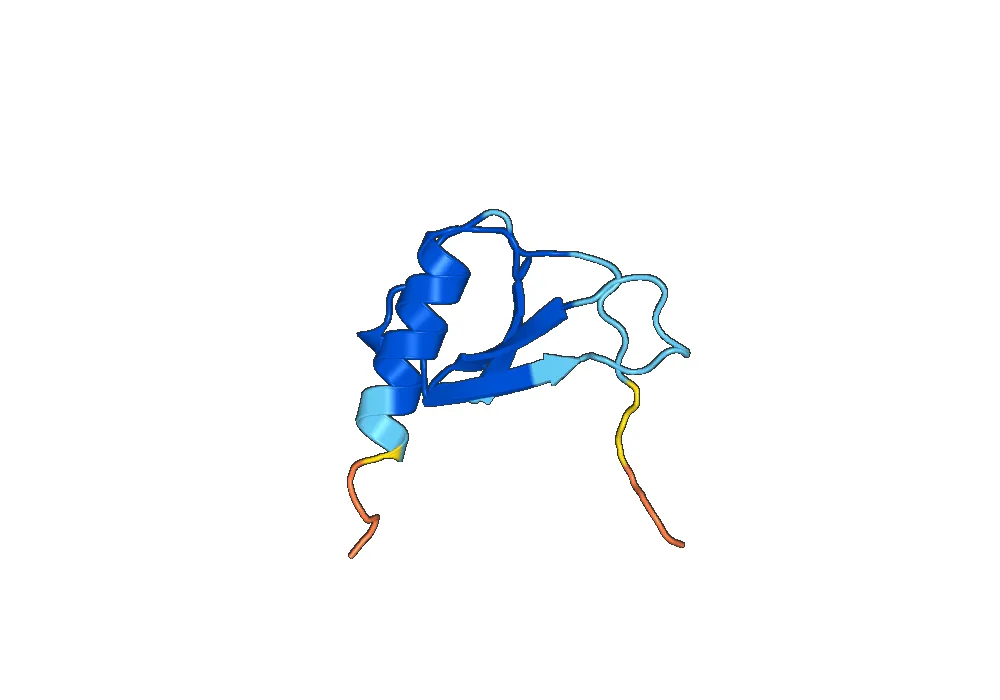
Recombinant Mouse Ctf2 Protein is a 116 kDa protein that is composed of 1022 amino acids. It is a member of the Ctf2/Ctf18 family of replication proteins and is highly homologous to its human counterpart. The protein contains several functional domains, including an N-terminal domain, a central domain, and a C-terminal domain. These domains are responsible for the protein’s interaction with other replication factors and its role in DNA replication.
N-terminal domain
The N-terminal domain of Recombinant Mouse Ctf2 Protein is responsible for its interaction with the replication factor C (RFC). RFC is a heteropentameric complex that plays a crucial role in loading the proliferating cell nuclear antigen (PCNA) onto DNA during replication. This interaction is essential for the recruitment of Recombinant Mouse Ctf2 Protein to the replication fork.
Central domain
The central domain of Recombinant Mouse Ctf2 Protein contains a winged helix domain that is responsible for its interaction with DNA. This domain binds to the single-stranded DNA present at the replication fork and helps in stabilizing the DNA during replication.
C-terminal domain
The C-terminal domain of Recombinant Mouse Ctf2 Protein is responsible for its interaction with other replication factors, such as Ctf18 and Dpb11. These interactions are crucial for the protein’s function in DNA replication and ensure the fidelity of DNA synthesis.
Activity of Recombinant Mouse Ctf2 Protein
Recombinant Mouse Ctf2 Protein plays a crucial role in the replication process by ensuring the faithful duplication of the genome. It is involved in several activities that contribute to the stability and fidelity of DNA replication.
Stabilization of the replication fork
Recombinant Mouse Ctf2 Protein binds to the replication fork and helps in stabilizing it during DNA synthesis. This ensures that the DNA is not damaged or lost during replication, thereby maintaining the integrity of the genome.
Recruitment of other replication factors
The interaction of Recombinant Mouse Ctf2 Protein with other replication factors, such as RFC, Ctf18, and Dpb11, helps in recruiting them to the replication fork. This ensures the coordinated action of these factors in DNA replication and prevents errors in DNA synthesis.
Regulation of replication origin firing
Recombinant Mouse Ctf2 Protein also plays a role in regulating the timing of replication origin firing. It interacts with the Origin Recognition Complex (ORC) and prevents the firing of late origins, thereby maintaining the proper timing of DNA replication.
Applications of Recombinant Mouse Ctf2 Protein
Recombinant Mouse Ctf2 Protein has several applications in the field of molecular biology and genetics. Some of the major applications are listed below:
Study of DNA replication
Recombinant Mouse Ctf2 Protein is an essential component of the DNA replication machinery and its study has provided valuable insights into the process of DNA synthesis. Its role in stabilizing the replication fork and recruiting other replication factors makes it an important protein for understanding the mechanisms of DNA replication.
Antigen for antibody production
Recombinant Mouse Ctf2 Protein can be used as an antigen for the production of specific antibodies. These antibodies can be used for various applications, such as western blotting

There are no reviews yet.