Introduction
Recombinant Mouse ST14 Protein, also known as Suppression of Tumorigenicity 14 (ST14), is a type II transmembrane serine protease that plays a crucial role in various physiological and pathological processes. It is encoded by the ST14 gene and is expressed in a variety of tissues, including the skin, lung, kidney, and brain. The recombinant form of this protein has been extensively studied for its structure, activity, and potential applications in various fields of research. In this article, we will provide a detailed overview of the structure, activity, and applications of Recombinant Mouse ST14 Protein.
Structure of Recombinant Mouse ST14 Protein
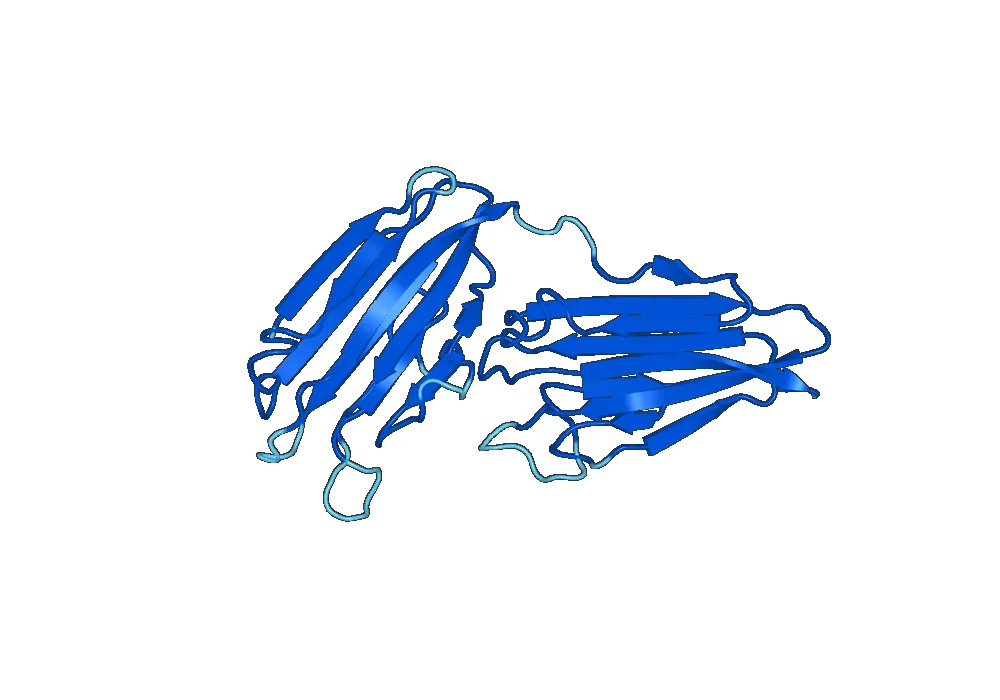
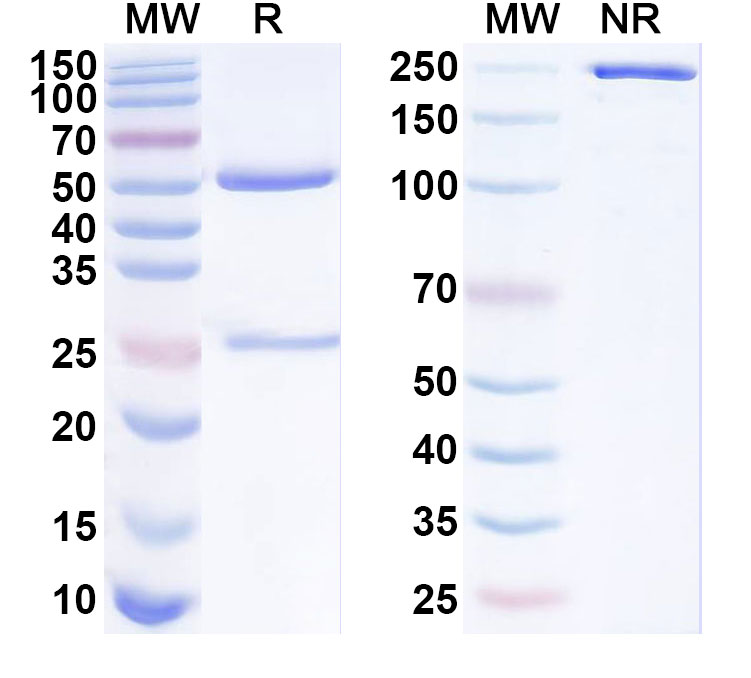
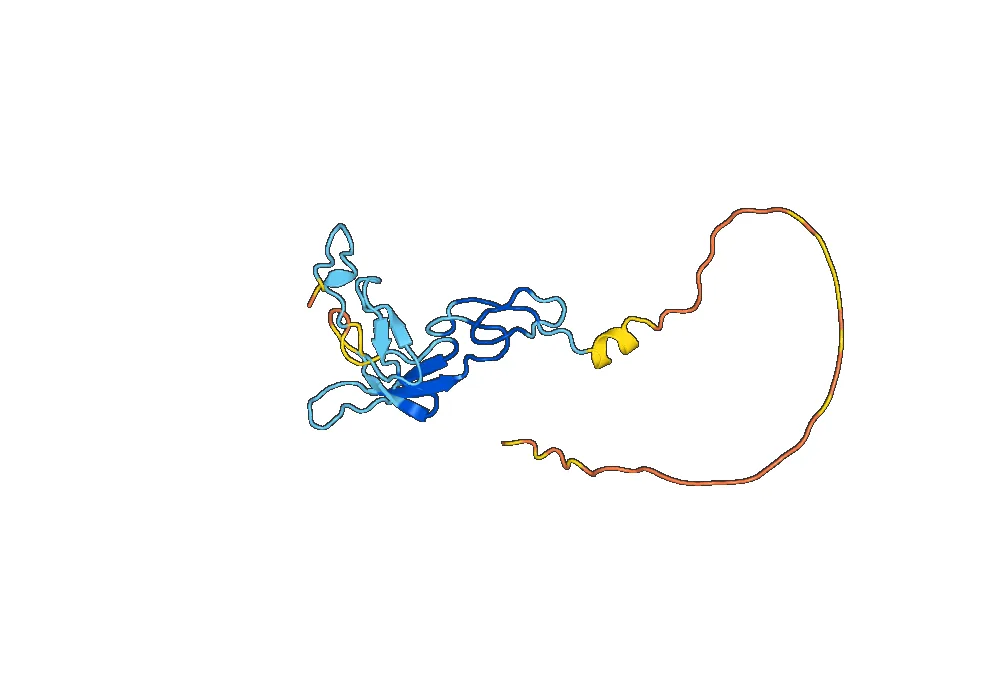
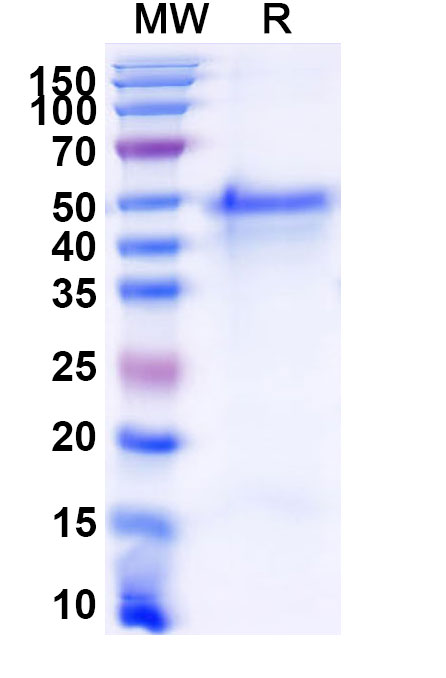
Recombinant Mouse ST14 Protein is a 70 kDa protein composed of 657 amino acids. It consists of a short N-terminal cytoplasmic domain, a transmembrane domain, and a large extracellular domain. The extracellular domain contains a catalytic triad of serine, histidine, and aspartate residues, which are essential for its proteolytic activity. The crystal structure of recombinant ST14 protein has been determined, revealing a trypsin-like fold with a catalytic domain and a β-barrel domain. The structure also contains a unique insertion loop that is responsible for its substrate specificity.
Activity of Recombinant Mouse ST14 Protein
Recombinant Mouse ST14 Protein is a membrane-bound serine protease that plays a crucial role in the activation of various proteases and growth factors. It is involved in the proteolytic processing of several proteins, including pro-hepatocyte growth factor (pro-HGF), pro-epidermal growth factor (pro-EGF), and pro-tumor necrosis factor alpha (pro-TNF-α). It also activates the protease urokinase-type plasminogen activator (uPA), which is involved in cell migration and tissue remodeling. The proteolytic activity of recombinant ST14 protein is tightly regulated by its endogenous inhibitor, hepatocyte growth factor activator inhibitor (HAI-1).
Applications of Recombinant Mouse ST14 Protein
Recombinant Mouse ST14 Protein has been extensively studied for its potential applications in various fields of research. Some of the major applications of this protein are described below:
1. Cancer Research
Recombinant Mouse ST14 Protein has been shown to play a crucial role in tumor growth and metastasis. Its overexpression has been observed in several types of cancer, including breast, lung, and ovarian cancer. Studies have also shown that recombinant ST14 protein can promote tumor growth and invasion by activating pro-HGF and pro-EGF. Therefore, it has been proposed as a potential target for cancer therapy.
2. Wound Healing
Recombinant Mouse ST14 Protein has been shown to play a crucial role in the process of wound healing. It activates pro-HGF, which promotes cell proliferation and migration, leading to the formation of new tissue. Studies have also shown that recombinant ST14 protein can enhance the wound healing process in diabetic mice, making it a potential therapeutic agent for diabetic ulcers.
3. Skin Diseases
Recombinant Mouse ST14 Protein has been implicated in the pathogenesis of several skin diseases, including psoriasis and atopic dermatitis. Its overexpression has been observed in the skin lesions of patients with psoriasis, and its inhibition has been shown to reduce skin inflammation. Therefore, recombinant ST14 protein has been proposed as a potential therapeutic target for these skin diseases.
4. Vaccine Development
Recombinant Mouse ST14 Protein has been studied as a potential adjuvant in vaccine development. Studies have shown that it can enhance the immune response to antigens by activating pro-TNF-α, which promotes the recruitment and activation of immune cells. Therefore, it has been proposed as a potential adjuvant



There are no reviews yet.