Introduction to Recombinant Mouse THBS1 Protein
Recombinant Mouse THBS1 Protein, also known as Thrombospondin-1, is a glycoprotein that plays a crucial role in cell-cell and cell-matrix interactions. It is a member of the thrombospondin family and is encoded by the THBS1 gene. This protein is expressed in various tissues, including bone, cartilage, and endothelial cells, and is involved in a wide range of biological processes such as cell adhesion, migration, and proliferation.
Structure of Recombinant Mouse THBS1 Protein
The recombinant form of Mouse THBS1 Protein is produced through genetic engineering techniques, where the THBS1 gene is inserted into a suitable expression system, such as bacteria or mammalian cells. This results in the production of a protein that is identical to the native form of THBS1. The recombinant protein is composed of 1170 amino acids and has a molecular weight of approximately 130 kDa.
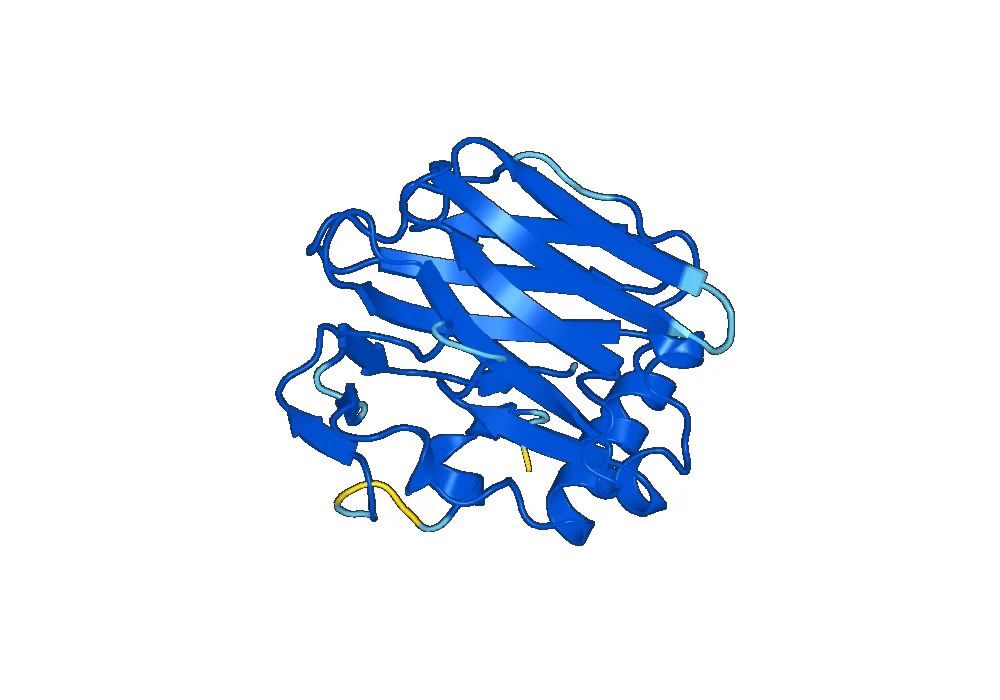
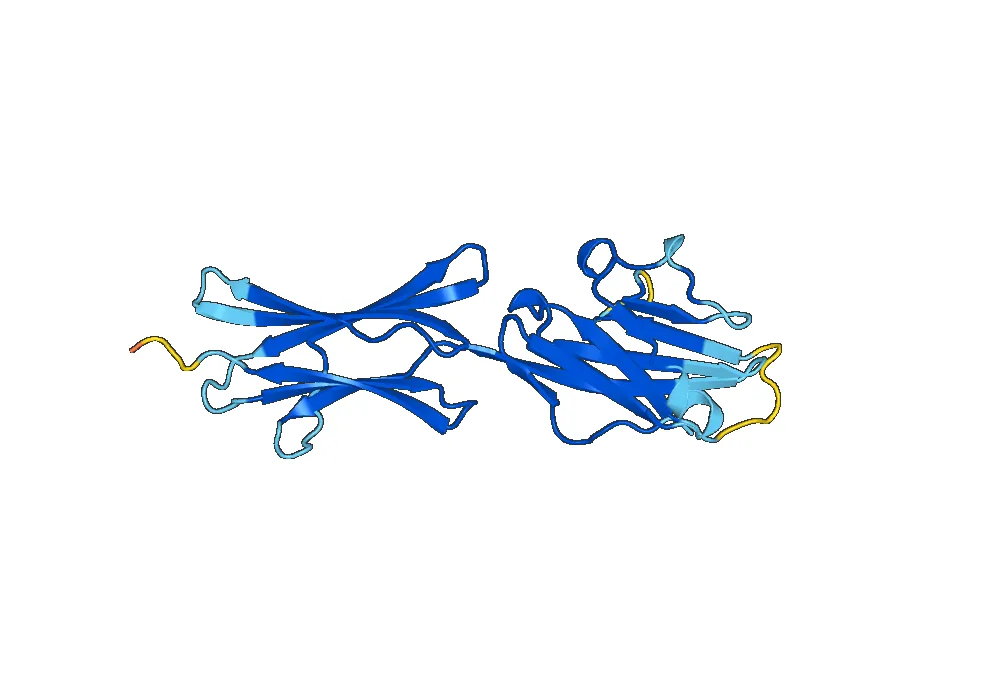
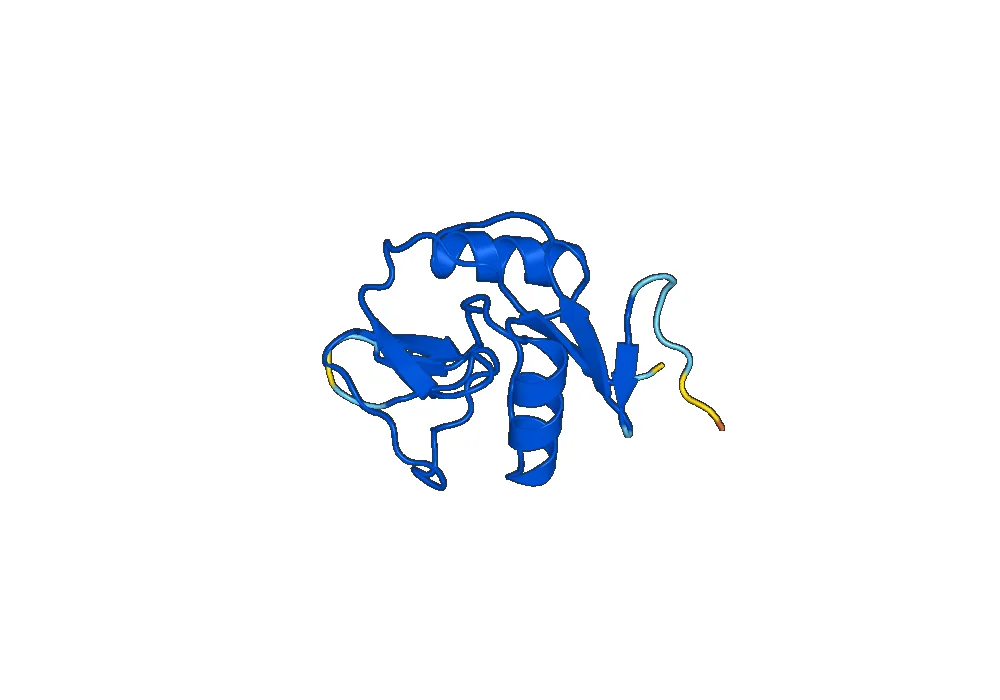
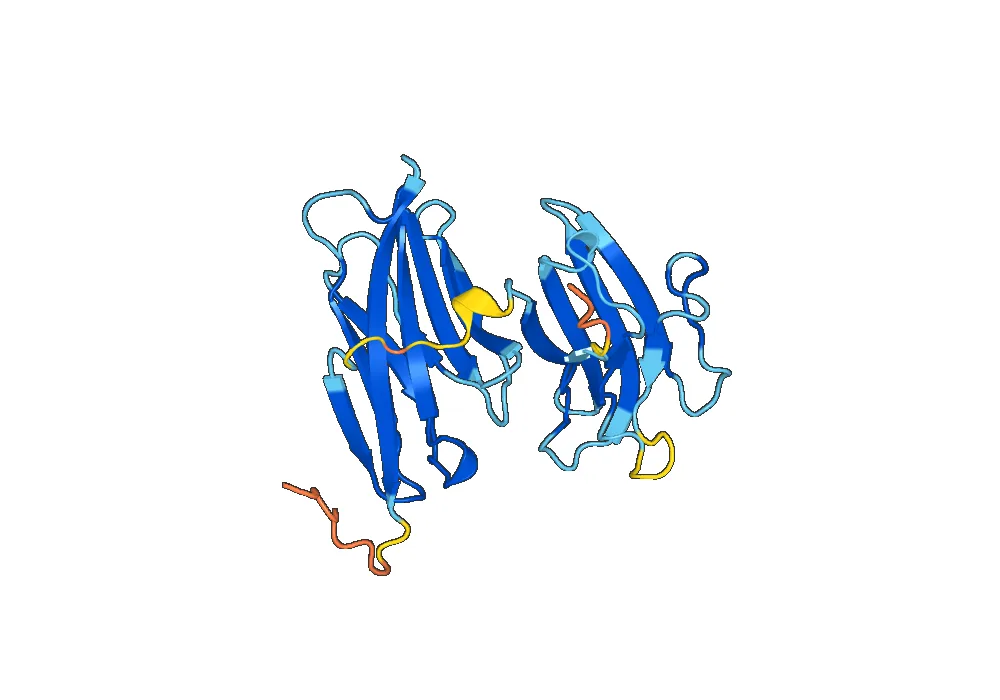
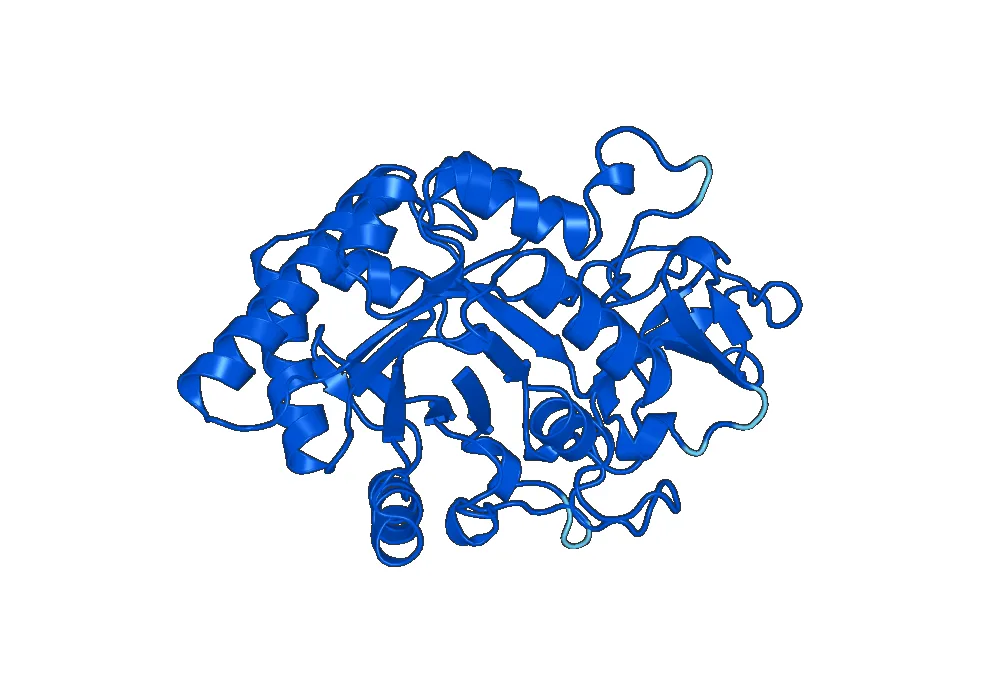
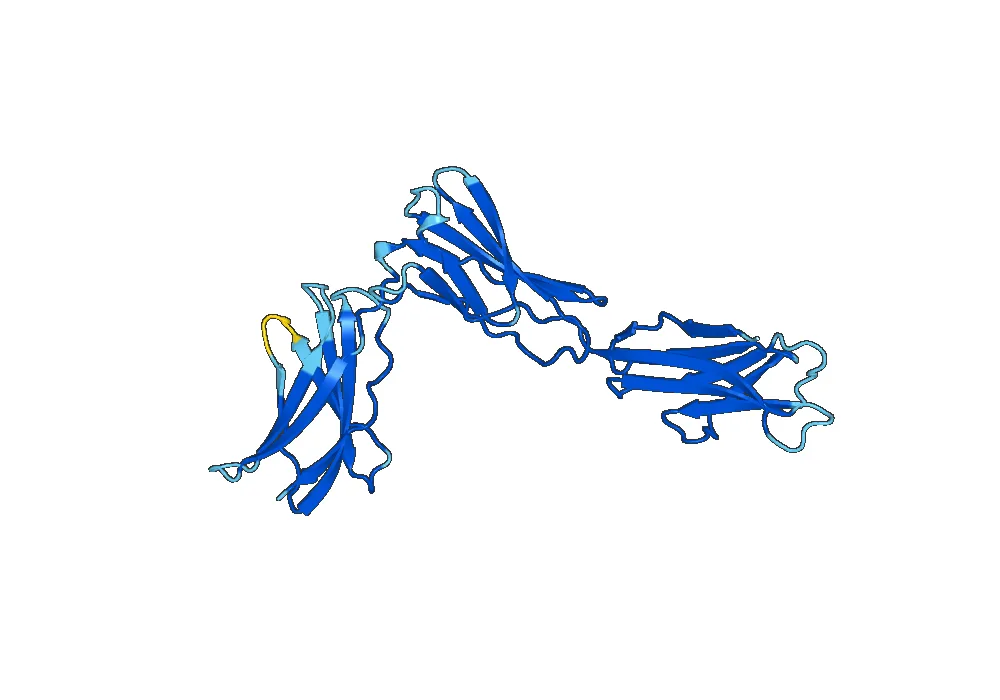
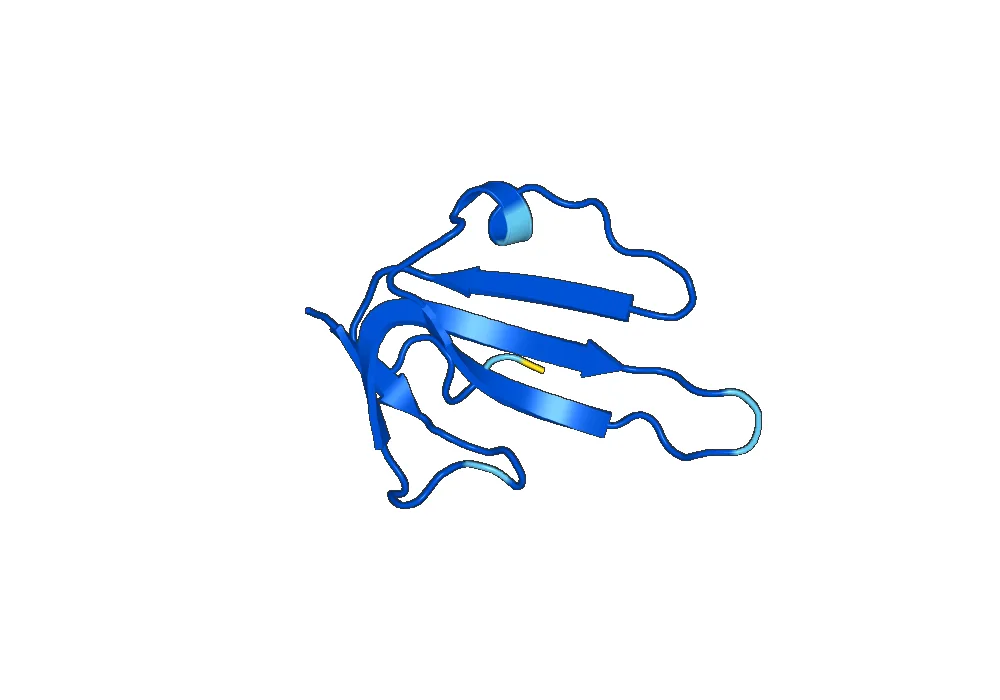
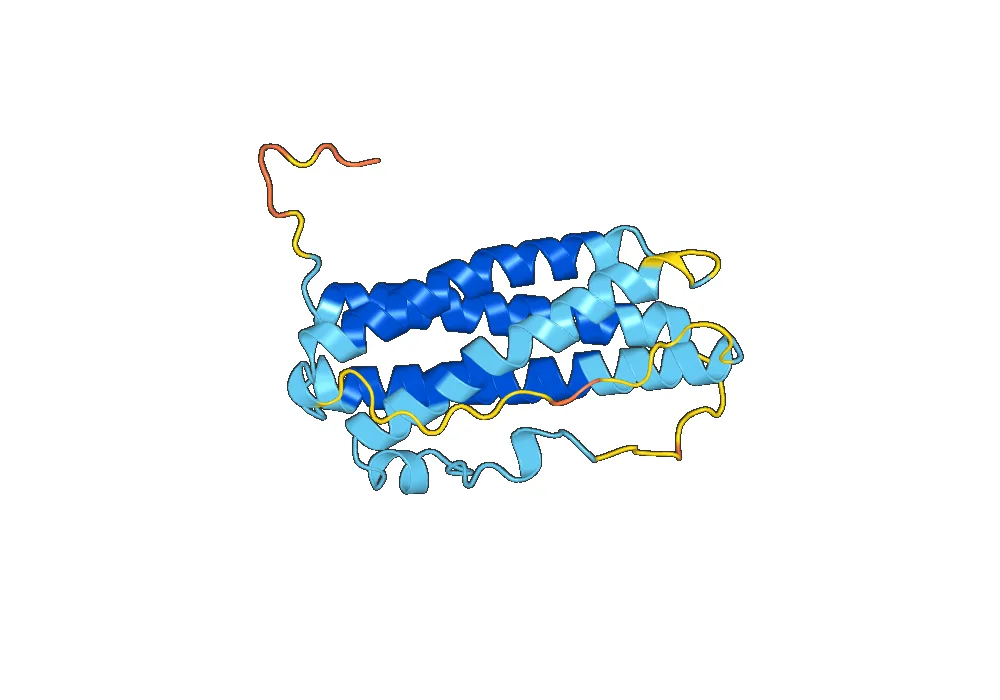
The structure of Recombinant Mouse THBS1 Protein is characterized by the presence of multiple domains, including an N-terminal domain, a type I repeat, a type II repeat, a type III repeat, and a C-terminal domain. These domains are responsible for the various functions of THBS1, such as cell adhesion and binding to extracellular matrix proteins.
Activity of Recombinant Mouse THBS1 Protein
Recombinant Mouse THBS1 Protein has been shown to have diverse activities in different biological processes. One of its key functions is its ability to bind to various extracellular matrix proteins, such as collagen, fibronectin, and laminin. This interaction is mediated by the type I and type II repeats of THBS1, which contain specific binding sites for these proteins.
In addition to its role in cell-matrix interactions, Recombinant Mouse THBS1 Protein also plays a crucial role in cell signaling. It has been shown to bind to and activate the TGF-β receptor, thereby regulating TGF-β signaling pathways. This activity is mediated by the type III repeat of THBS1, which contains a binding site for the TGF-β receptor.
Moreover, Recombinant Mouse THBS1 Protein has been found to have anti-angiogenic properties, meaning it can inhibit the formation of new blood vessels. This is due to its ability to bind to and sequester the pro-angiogenic factor, VEGF, thereby preventing its interaction with its receptor on endothelial cells.
Applications of Recombinant Mouse THBS1 Protein
Given its diverse activities, Recombinant Mouse THBS1 Protein has a wide range of potential applications in both research and therapeutic settings. One of its primary uses is as an antigen in various immunoassays, such as ELISA and Western blot, for the detection and quantification of THBS1 in biological samples.
Furthermore, Recombinant Mouse THBS1 Protein has been studied for its potential therapeutic applications in various diseases. For instance, its anti-angiogenic properties make it a potential candidate for the treatment of cancer, as tumor growth and metastasis rely on the formation of new blood vessels. Additionally, its role in TGF-β signaling makes it a potential target for the treatment of fibrotic diseases, where TGF-β signaling is dysregulated.
In conclusion, Recombinant Mouse THBS1 Protein is a crucial protein involved in various biological processes, with potential applications in both research and therapeutic settings. Its structure, activity, and applications make it a valuable tool for understanding and potentially treating various diseases. As research on this protein continues, it is likely that more uses for Recombinant Mouse THBS1 Protein will be discovered, further highlighting its importance in the field of biomedicine.

There are no reviews yet.