Introduction
Recombinant Mouse BTN1A1 Protein, also known as Butyrophilin 1A1, is a protein that plays a crucial role in the immune system. It is a member of the butyrophilin family, which is a group of proteins involved in regulating immune responses. This protein is highly conserved among mammals and has been extensively studied for its structure, activity, and potential applications in various fields.
Structure of Recombinant Mouse BTN1A1 Protein
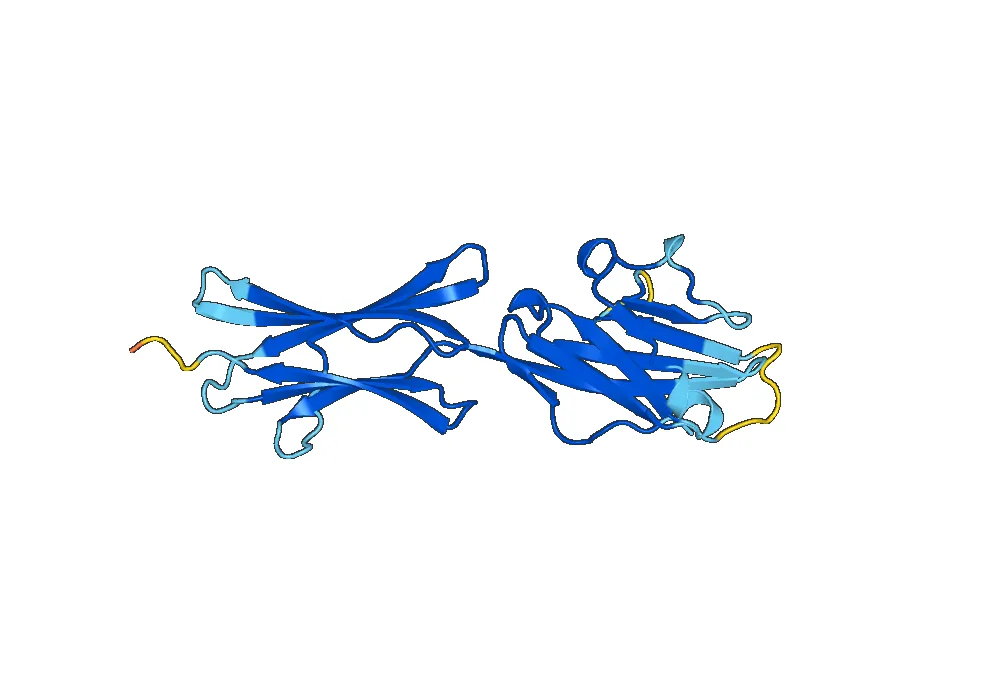
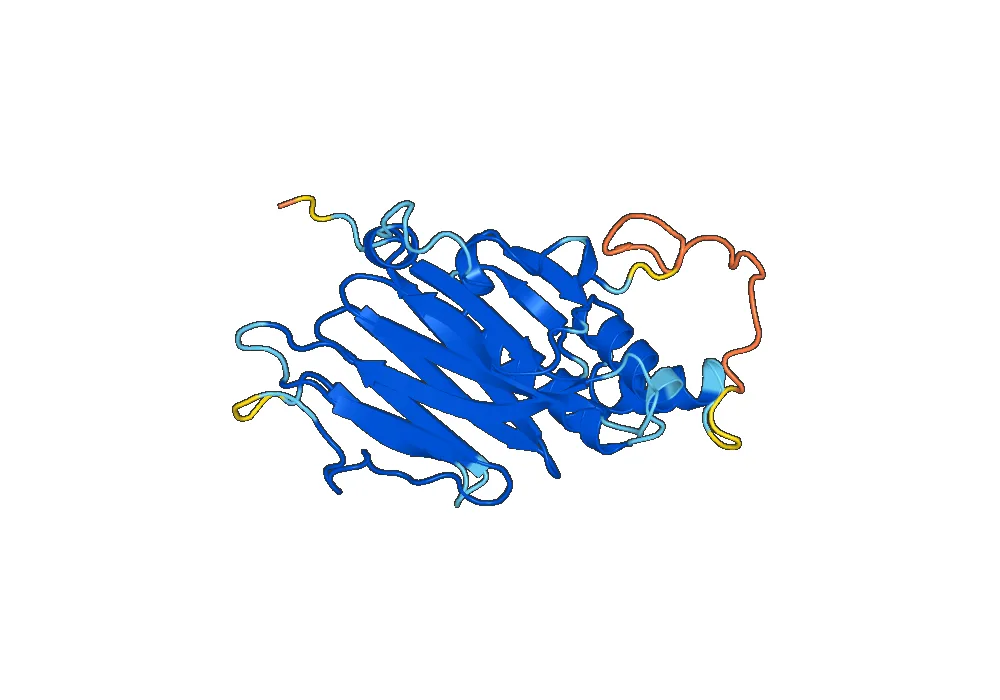
The Recombinant Mouse BTN1A1 Protein is a type I transmembrane protein, meaning that it spans the cell membrane with its N-terminus on the extracellular side and its C-terminus on the cytoplasmic side. It is composed of a signal peptide, an extracellular domain, a transmembrane domain, and a cytoplasmic domain.
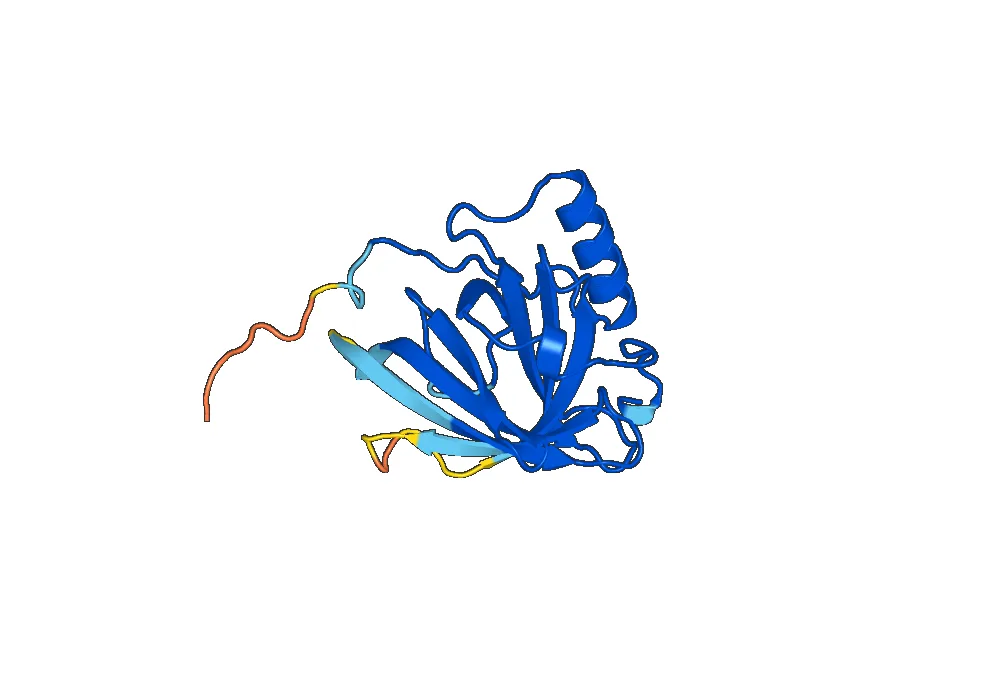
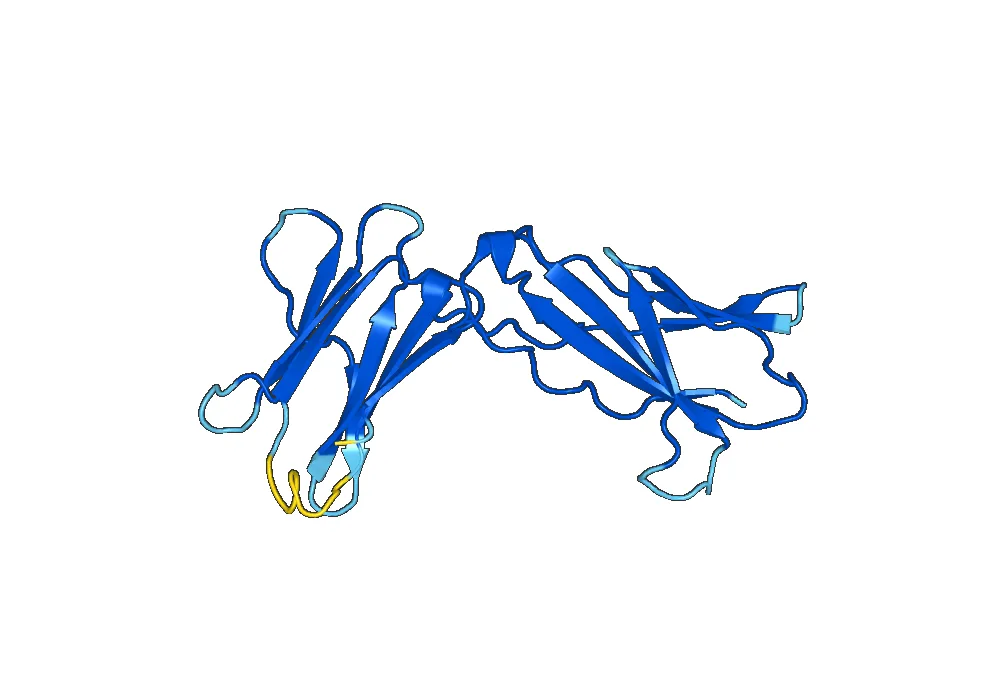
The extracellular domain of Recombinant Mouse BTN1A1 Protein contains two immunoglobulin-like domains, which are important for protein-protein interactions. These domains are responsible for binding to other molecules involved in immune responses, such as T cell receptors and natural killer cell receptors.
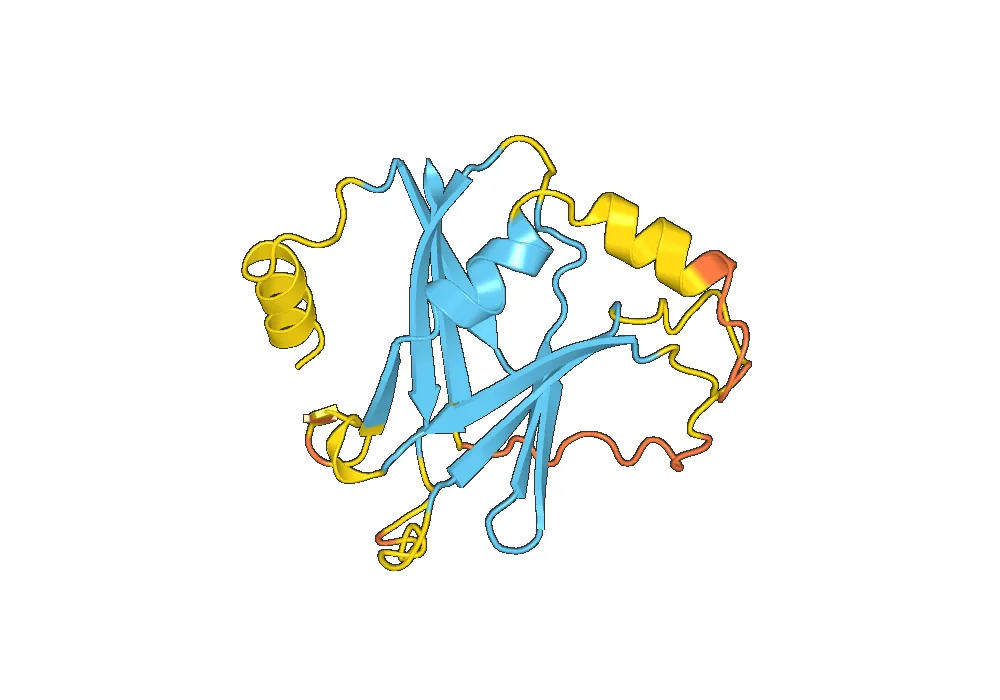
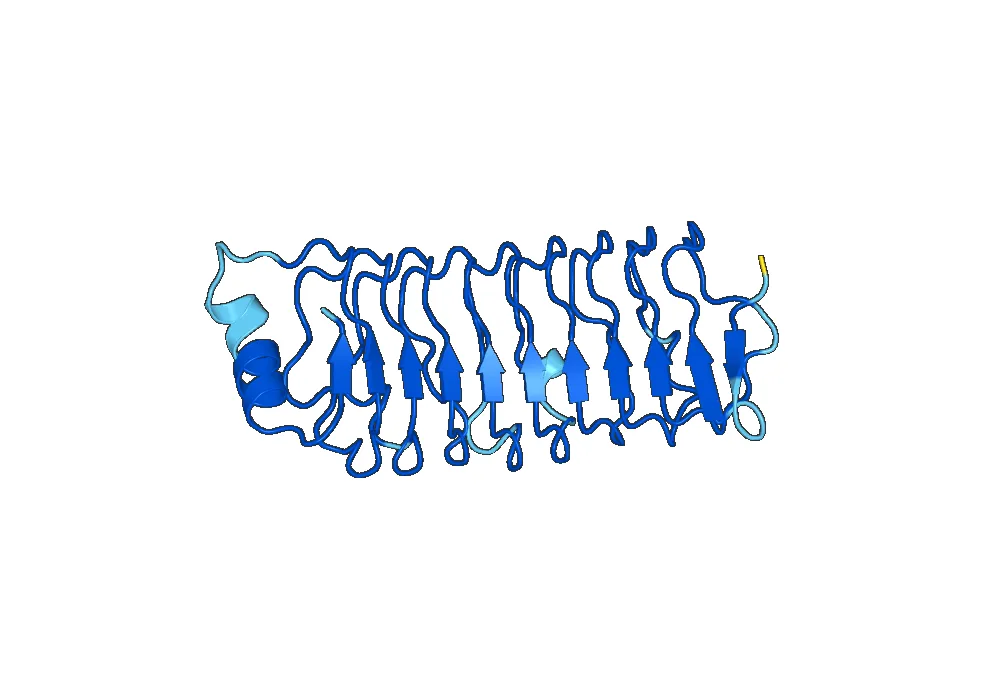
The cytoplasmic domain of Recombinant Mouse BTN1A1 Protein is relatively short and contains a conserved motif known as the B30.2 domain. This domain is found in many proteins involved in immune regulation and is thought to be important for signaling and protein-protein interactions.
Activity of Recombinant Mouse BTN1A1 Protein
The main function of Recombinant Mouse BTN1A1 Protein is to regulate immune responses. It is primarily expressed on the surface of immune cells, such as T cells, B cells, and natural killer cells. It has been shown to play a role in T cell activation and differentiation, as well as in the regulation of natural killer cell cytotoxicity.
Recombinant Mouse BTN1A1 Protein has also been found to interact with other proteins involved in immune responses, such as major histocompatibility complex (MHC) molecules and CD1d, which are important for presenting antigens to T cells. This interaction may play a role in the activation of T cells and the regulation of immune responses.
Furthermore, Recombinant Mouse BTN1A1 Protein has been shown to have a role in lipid metabolism. It is highly expressed in the mammary gland and is involved in the secretion of milk lipids. This protein has also been found to interact with fatty acid-binding proteins, which are important for the transport and metabolism of lipids in the body.
Applications of Recombinant Mouse BTN1A1 Protein
The unique structure and activity of Recombinant Mouse BTN1A1 Protein make it a promising candidate for various applications in the fields of immunology, cancer research, and lipid metabolism.
In immunology, this protein has been studied for its potential as a therapeutic target for autoimmune diseases and cancer. Its role in regulating immune responses and its interaction with other immune-related proteins make it a promising target for the development of new treatments.
In cancer research, Recombinant Mouse BTN1A1 Protein has been found to be highly expressed in certain types of cancer, such as breast cancer and leukemia. This makes it a potential biomarker for the early detection of these cancers and a potential target for cancer therapies.
In lipid metabolism, Recombinant Mouse BTN1A1 Protein has been studied for its role in the secretion of milk lipids and its interaction with fatty acid-binding proteins. This knowledge can be applied in the development of new treatments for lipid-related disorders, such as obesity and metabolic syndrome.
Conclusion
In summary, Recombinant Mouse BTN1A1 Protein is a highly conserved protein with a unique structure and activity. Its role in regulating immune responses and lipid metabolism, as well as its potential applications in various fields, make it a promising target for further research and development. With ongoing studies and advancements in technology, this protein may hold the key to new treatments and therapies for various diseases and disorders.


There are no reviews yet.