Introduction
Rezorstobart Biosimilar is a research grade, anti-CLEC5B monoclonal antibody (mAb) that has shown promising results in targeting and treating various diseases. In this article, we will provide a detailed description of the structure, activity, and application of Rezorstobart Biosimilar as an antibody therapeutic.
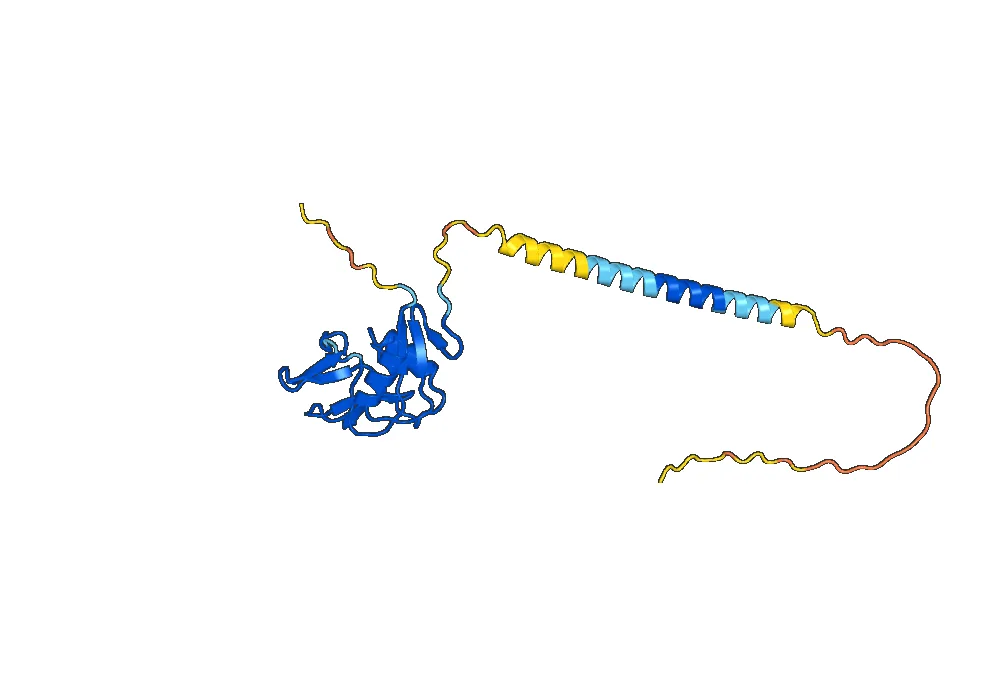
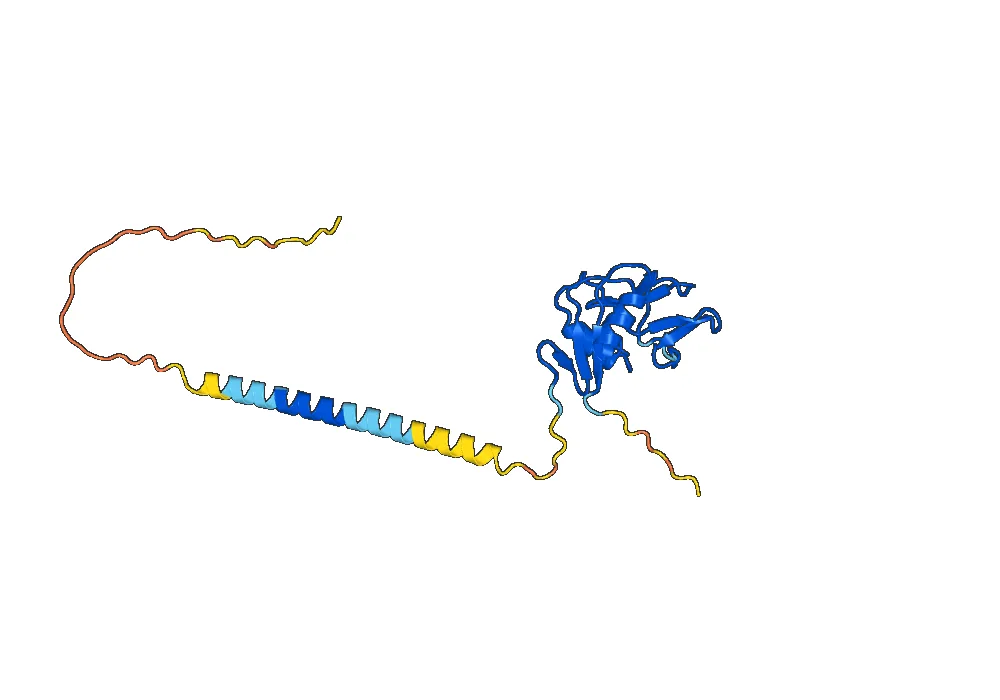
Structure of Rezorstobart Biosimilar
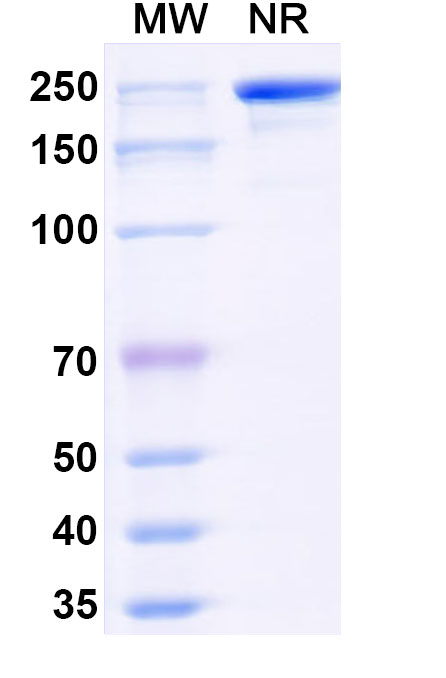
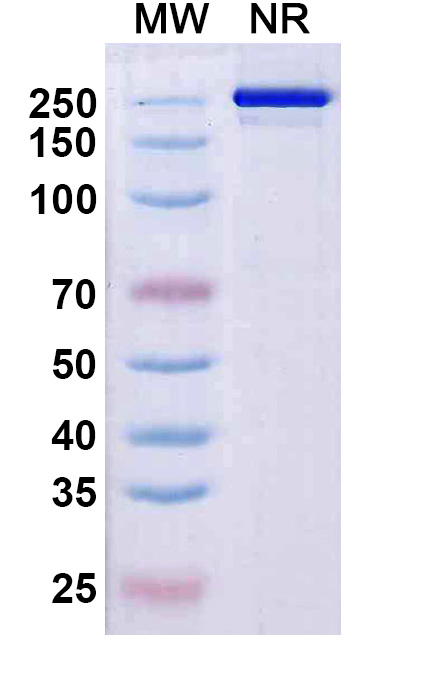
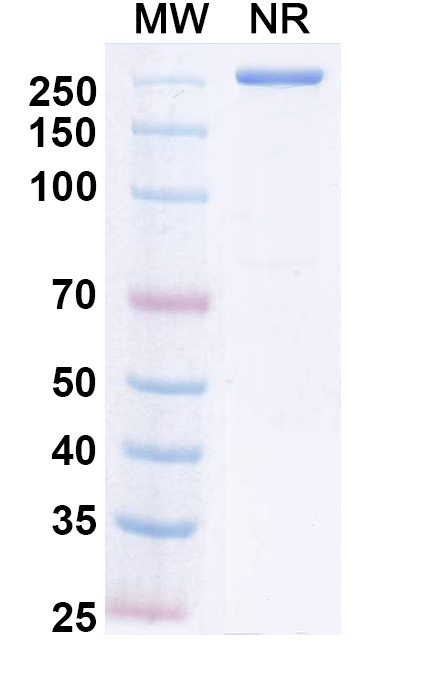
Rezorstobart Biosimilar is a recombinant humanized IgG1 monoclonal antibody that specifically targets the C-type lectin domain family 5 member B (CLEC5B) protein. It is composed of two heavy chains and two light chains, each containing a variable and constant region. The variable region of the antibody is responsible for binding to the target protein, while the constant region mediates effector functions.
Activity of Rezorstobart Biosimilar
Rezorstobart Biosimilar binds to the CLEC5B protein with high affinity and specificity, inhibiting its activity. CLEC5B is a receptor expressed on the surface of immune cells, such as monocytes, macrophages, and dendritic cells. It plays a crucial role in the immune response by recognizing and binding to pathogen-associated molecular patterns (PAMPs) on the surface of viruses and bacteria.
By targeting CLEC5B, Rezorstobart Biosimilar blocks the binding of PAMPs and prevents the activation of immune cells. This leads to a decrease in the production of pro-inflammatory cytokines, such as TNF-α and IL-6, which are responsible for the symptoms of various diseases.
Application of Rezorstobart Biosimilar
Rezorstobart Biosimilar has shown promising results in pre-clinical studies for the treatment of various diseases, including viral infections, autoimmune disorders, and inflammatory diseases. As an antibody therapeutic, it has the potential to provide a targeted and specific treatment option with minimal side effects.
Viral Infections
By targeting CLEC5B, Rezorstobart Biosimilar has shown efficacy in inhibiting the replication of various viruses, such as dengue virus, Zika virus, and influenza virus. These viruses use CLEC5B as a receptor to enter and infect immune cells, and by blocking this interaction, Rezorstobart Biosimilar can prevent viral replication and spread.
Autoimmune Disorders
CLEC5B has been implicated in the pathogenesis of autoimmune disorders, such as rheumatoid arthritis and systemic lupus erythematosus. By targeting CLEC5B, Rezorstobart Biosimilar can reduce the production of pro-inflammatory cytokines and inhibit the activation of immune cells, leading to a decrease in disease symptoms.
Inflammatory Diseases
Inflammatory diseases, such as sepsis and acute lung injury, are characterized by an excessive immune response and cytokine storm. By targeting CLEC5B, Rezorstobart Biosimilar can modulate the immune response and reduce the production of pro-inflammatory cytokines, thereby alleviating the symptoms of these diseases.
Conclusion
In summary, Rezorstobart Biosimilar is a promising research grade antibody therapeutic that specifically targets CLEC5B and has shown efficacy in treating various diseases. Its unique mechanism of action makes it a potential treatment option for viral infections, autoimmune disorders, and inflammatory diseases. Further clinical studies are needed to fully evaluate its safety and efficacy in humans, but the preliminary results are promising.

There are no reviews yet.