Introduction to Rolinsatamab Biosimilar – Anti-PRLR mAb
Rolinsatamab Biosimilar, also known as Anti-PRLR mAb, is a monoclonal antibody that has been developed as a biosimilar to the original Rolinsatamab. This therapeutic antibody is designed to target the prolactin receptor (PRLR), a protein that plays a crucial role in regulating the growth and function of various tissues and organs in the body. In this article, we will explore the structure, activity, and potential applications of Rolinsatamab Biosimilar.
Structure of Rolinsatamab Biosimilar
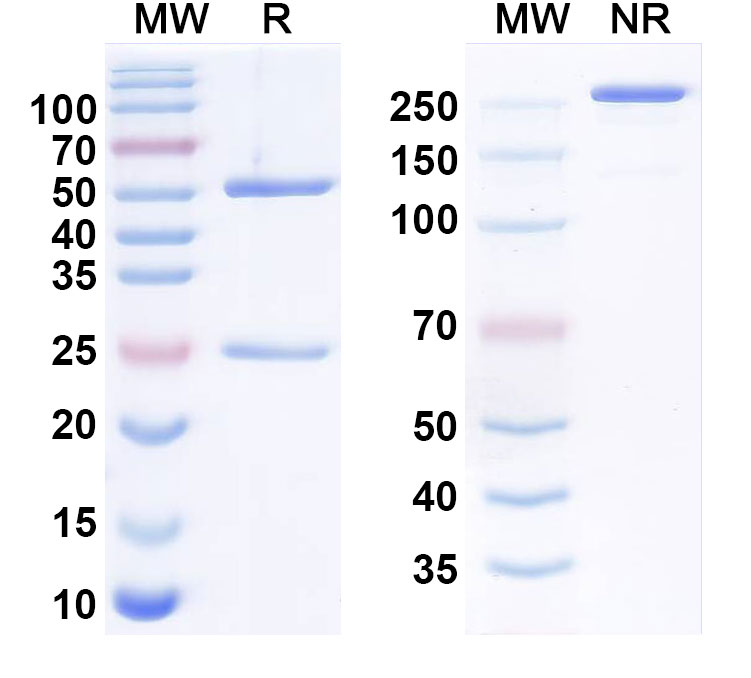
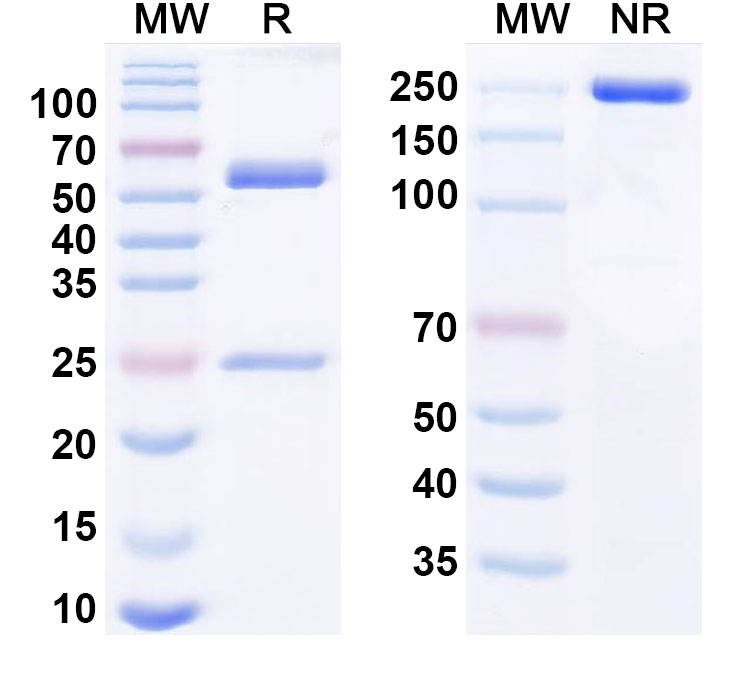
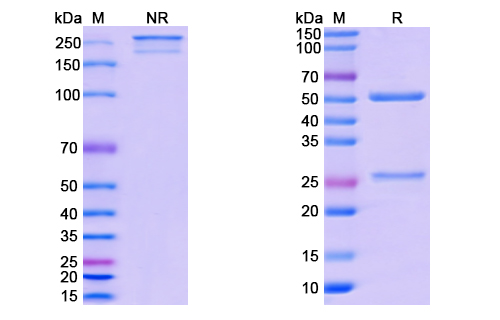
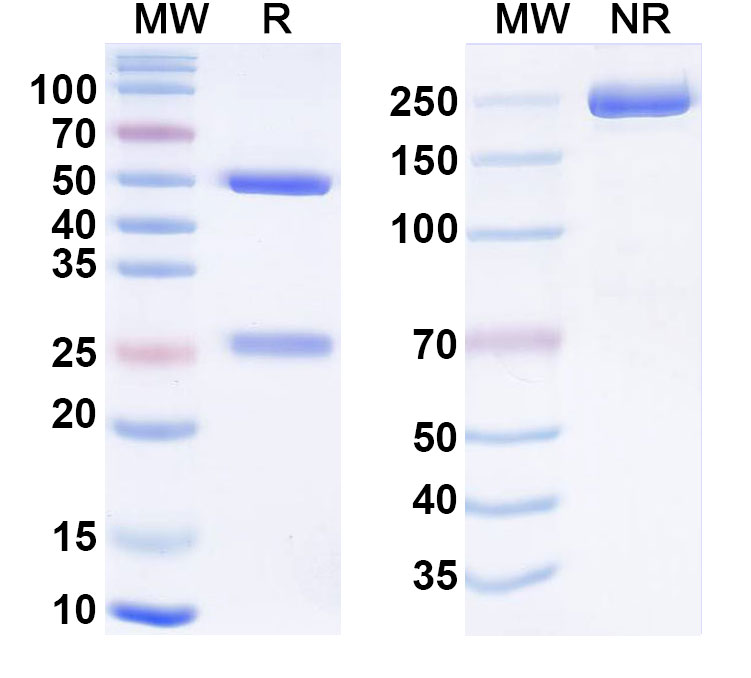
Rolinsatamab Biosimilar is a recombinant humanized monoclonal antibody, meaning it is produced through genetic engineering techniques to mimic the structure of the original Rolinsatamab. It is composed of two identical heavy chains and two identical light chains, which are linked together by disulfide bonds. The variable regions of the antibody, responsible for binding to the PRLR, are derived from the original Rolinsatamab, while the constant regions are humanized to reduce the risk of immune reactions.
Mechanism of Action
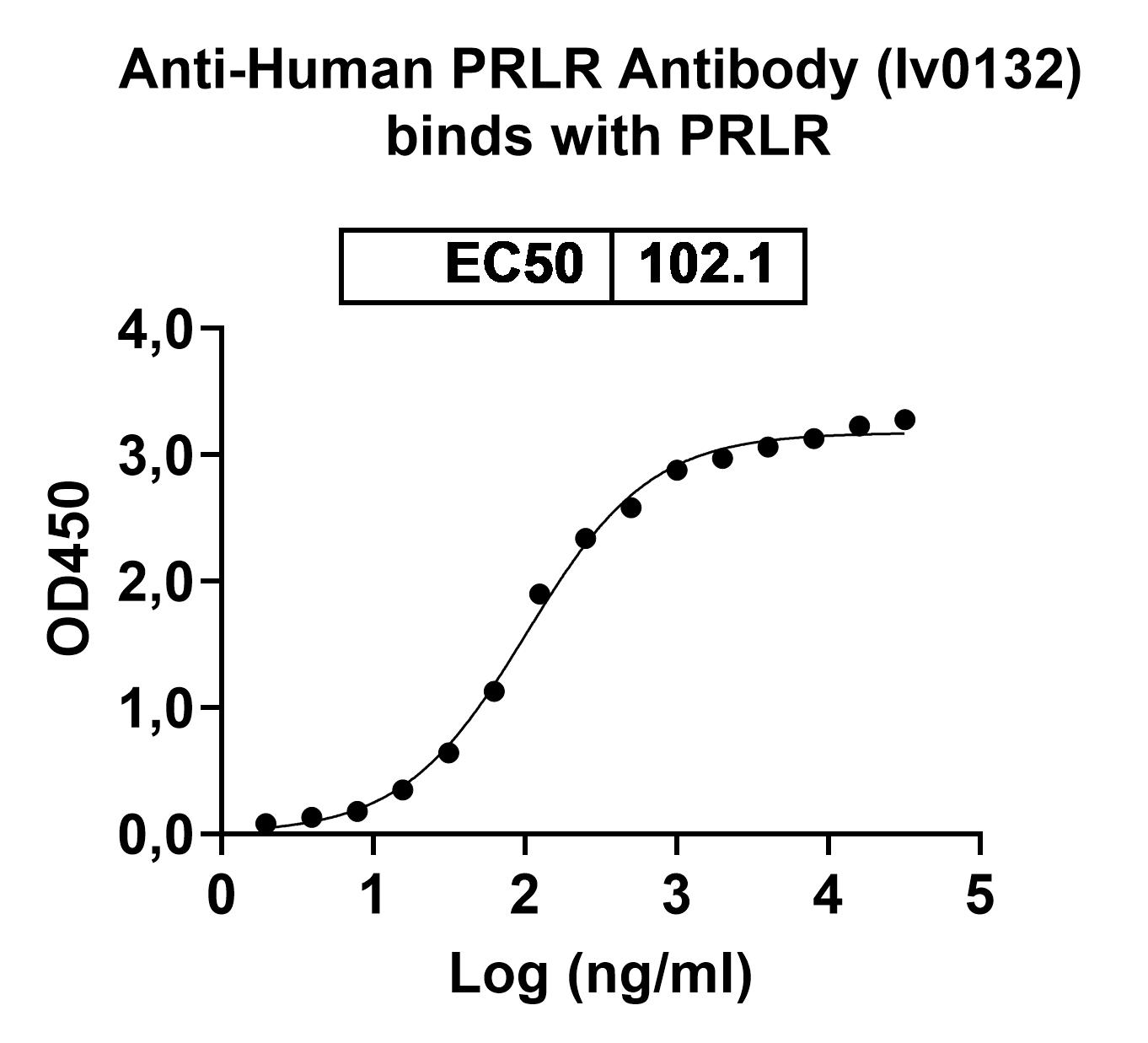
Rolinsatamab Biosimilar works by binding to the PRLR on the surface of cells, thereby blocking the binding of prolactin, the natural ligand of PRLR. This prevents the activation of downstream signaling pathways, which are involved in cell growth, differentiation, and survival. By inhibiting PRLR signaling, Rolinsatamab Biosimilar can potentially slow down the growth of tumors and reduce the production of prolactin, which is often elevated in certain types of cancer.
Title: Therapeutic Applications
Rolinsatamab Biosimilar is being investigated as a potential treatment for various types of cancer, particularly those that overexpress PRLR. These include breast cancer, ovarian cancer, prostate cancer, and certain types of leukemia. By targeting PRLR, Rolinsatamab Biosimilar has the potential to inhibit tumor growth and metastasis, as well as sensitize cancer cells to other treatments such as chemotherapy and radiation therapy.
Title: Research Grade vs. Clinical Grade
Rolinsatamab Biosimilar is currently available in two grades: research grade and clinical grade. Research grade antibodies are used for laboratory experiments and preclinical studies, while clinical grade antibodies are intended for use in human clinical trials. The main difference between the two is the level of quality control and manufacturing standards. Clinical grade antibodies must meet strict criteria for purity, potency, and safety, making them suitable for use in humans.
Advantages of Using Rolinsatamab Biosimilar
One of the main advantages of using Rolinsatamab Biosimilar is its potential to reduce the cost of treatment. Biosimilars are typically less expensive than the original biologic drugs, making them more accessible to patients. Additionally, by targeting a specific receptor, Rolinsatamab Biosimilar may have fewer side effects compared to traditional chemotherapy and other systemic treatments.
Future Directions
Rolinsatamab Biosimilar is currently in the early stages of clinical development, with ongoing trials in various types of cancer. As more data becomes available, the potential applications of this antibody may expand to other diseases where PRLR plays a role, such as autoimmune disorders and endocrine disorders. Further research is also needed to optimize dosing and determine the long-term safety and efficacy of this biosimilar.
In conclusion, Rolinsatamab Biosimilar – Anti-PRLR mAb is a promising therapeutic antibody that targets the PRLR and has the potential to treat various types of cancer. Its unique structure and mechanism of action make it a valuable addition to the arsenal of anti- cancer treatments. As research and development in this field continue, Rolinsatamab Biosimilar may play a significant role in improving the outcomes for patients with PRLR-driven cancers.


There are no reviews yet.