Introduction to Tifcemalimab Biosimilar
Tifcemalimab Biosimilar, also known as Anti-BTLA mAb Biosimilar, is a research-grade antibody that has been developed as a potential therapeutic agent for various diseases. This biosimilar is a monoclonal antibody that targets the B and T lymphocyte attenuator (BTLA) protein, which plays a crucial role in regulating the immune response. In this scientific web content, we will explore the structure, activity, and potential applications of Tifcemalimab Biosimilar.
Structure of Tifcemalimab Biosimilar
Tifcemalimab Biosimilar is a recombinant humanized monoclonal antibody that is produced in a mammalian cell expression system. It is composed of two heavy chains and two light chains, each containing a variable region and a constant region. The variable regions are responsible for binding to the BTLA protein, while the constant regions determine the effector functions of the antibody.
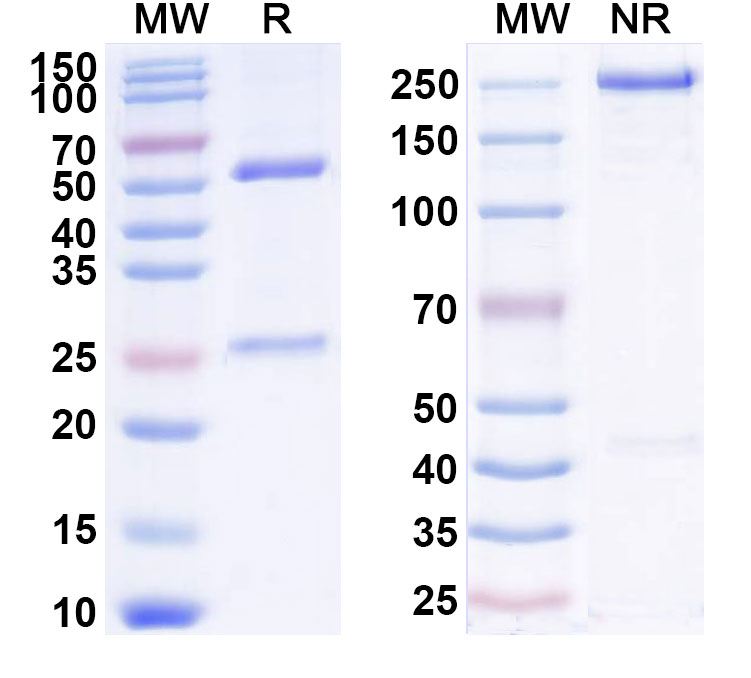
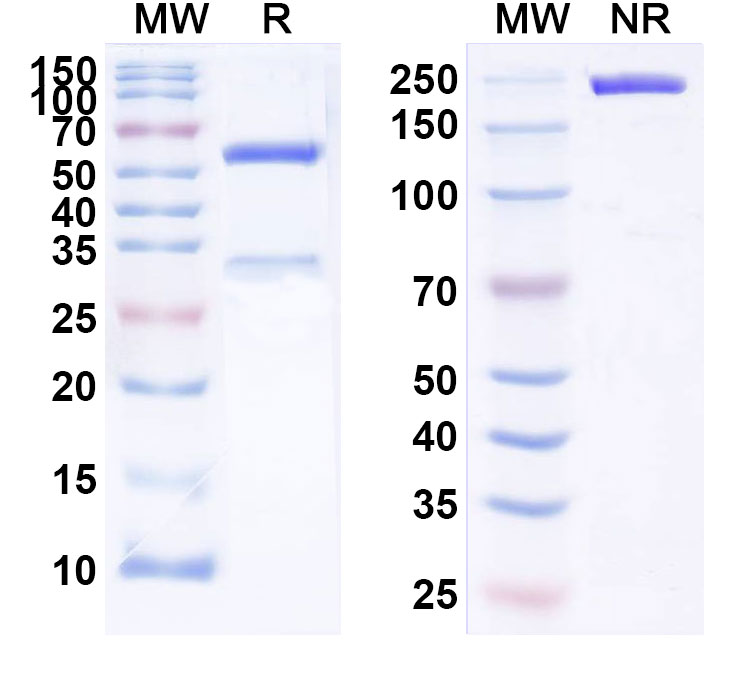
The antibody has a molecular weight of approximately 150 kDa and a half-life of 21 days. It is formulated as a sterile, preservative-free solution for intravenous infusion.
Activity of Tifcemalimab Biosimilar
Tifcemalimab Biosimilar binds to the BTLA protein, which is expressed on the surface of T cells, B cells, and dendritic cells. BTLA is a co-inhibitory receptor that negatively regulates the immune response by inhibiting the activation and proliferation of T cells. In cancer, BTLA expression is upregulated, leading to immune evasion and tumor progression.
By binding to BTLA, Tifcemalimab Biosimilar blocks its inhibitory signals and allows for the activation and proliferation of T cells, leading to an enhanced anti-tumor immune response. It also promotes the activation and maturation of dendritic cells, which are essential for initiating and maintaining an effective immune response.
Therapeutic Target: BTLA
BTLA has emerged as a promising therapeutic target for various diseases, including cancer, autoimmune disorders, and infectious diseases. In cancer, BTLA is overexpressed on tumor cells and immune cells, leading to immune suppression and tumor growth. By targeting BTLA, Tifcemalimab Biosimilar has the potential to restore the anti-tumor immune response and inhibit tumor growth.
Moreover, BTLA is also involved in the pathogenesis of autoimmune disorders, such as rheumatoid arthritis and multiple sclerosis. By blocking BTLA, Tifcemalimab Biosimilar may help alleviate the symptoms of these diseases and improve patient outcomes.
Potential Applications of Tifcemalimab Biosimilar
Tifcemalimab Biosimilar is currently being evaluated in clinical trials for the treatment of various cancers, including non-small cell lung cancer, hepatocellular carcinoma, and esophageal squamous cell carcinoma. It is also being studied for the treatment of autoimmune disorders, such as rheumatoid arthritis and multiple sclerosis.
The potential applications of Tifcemalimab Biosimilar extend beyond
cancer and autoimmune disorders. BTLA has also been implicated in infectious diseases, such as HIV and tuberculosis. By targeting BTLA, Tifcemalimab Biosimilar may have a role in the treatment of these diseases as well.
Conclusion
In conclusion, Tifcemalimab Biosimilar is a promising therapeutic agent that targets the BTLA protein to enhance the anti-tumor immune response and potentially treat various diseases. Its unique structure and mechanism of action make it a valuable addition to the current arsenal of cancer and autoimmune therapies. Further research and clinical trials are needed to fully understand the potential of Tifcemalimab Biosimilar in various disease settings.


There are no reviews yet.