Introduction
Zeleciment Biosimilar – Anti-Transferrin receptor protein 1 mAb – Research Grade is a novel therapeutic antibody that targets the transferrin receptor protein 1 (TfR1). This biosimilar is designed to mimic the structure and function of the original antibody, providing a more cost-effective and accessible treatment option for patients. In this article, we will explore the structure, activity, and potential applications of Zeleciment Biosimilar.
Structure of Zeleciment Biosimilar
Zeleciment Biosimilar is a monoclonal antibody (mAb) that is produced using recombinant DNA technology. It is a fully humanized antibody, meaning that it is derived from human cells and has a structure that closely resembles natural human antibodies. This structure is essential for the biosimilar to effectively target and bind to the transferrin receptor protein 1.
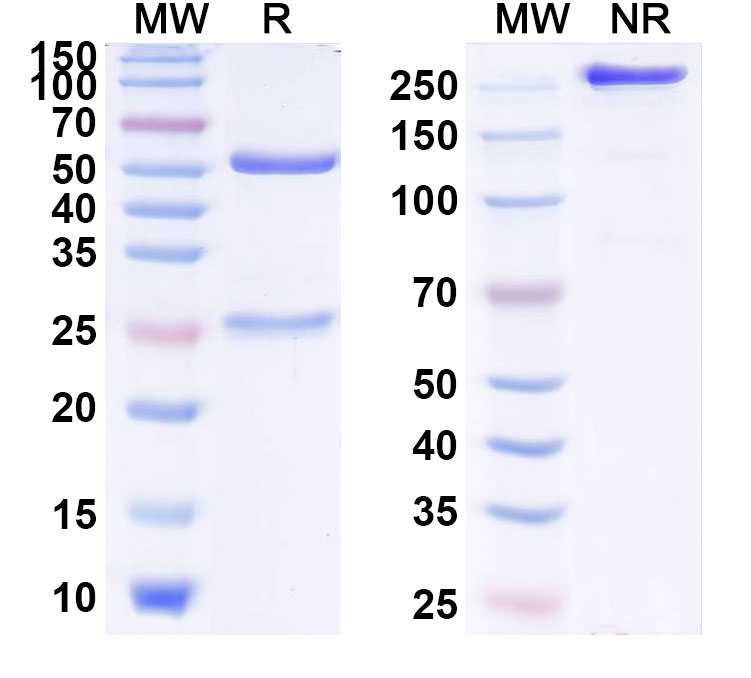
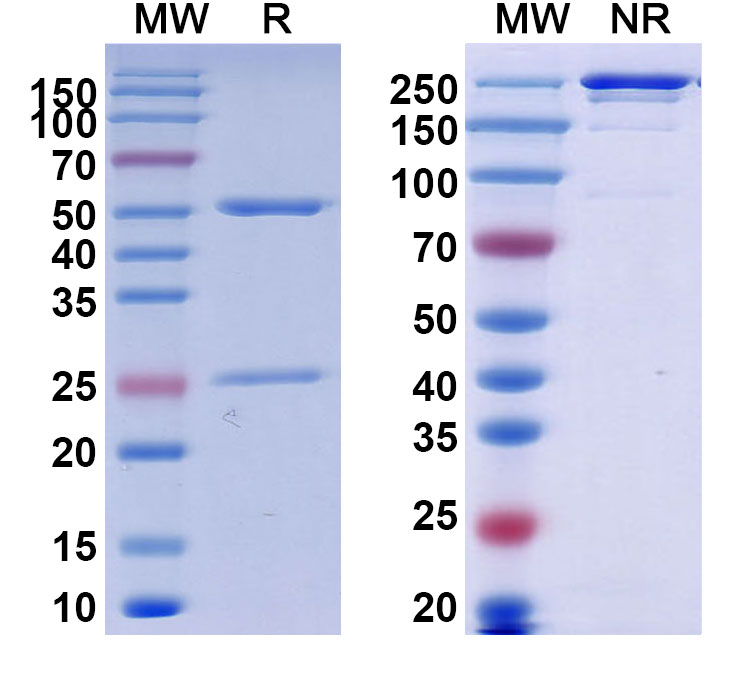
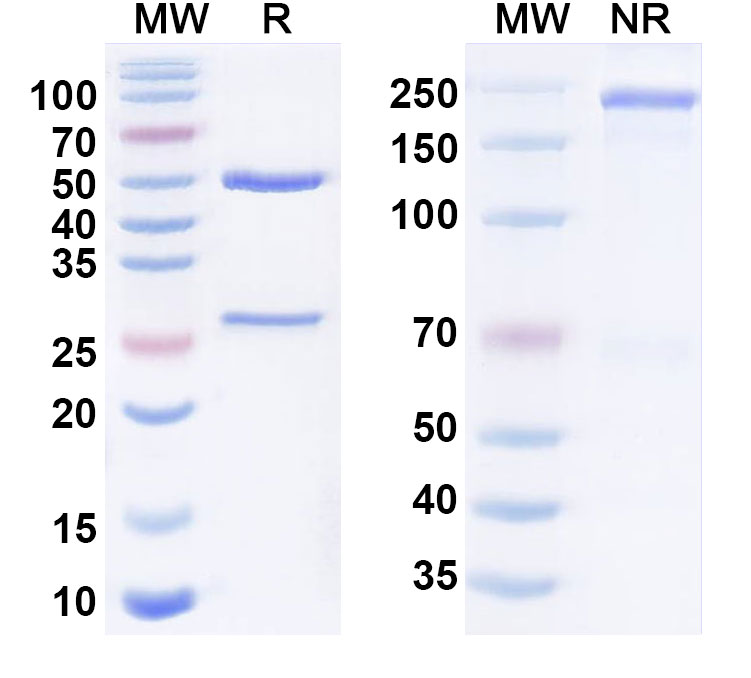
The antibody has a Y-shaped structure, with two identical heavy chains and two identical light chains. The heavy chains contain the antigen-binding sites, while the light chains provide structural support. The antigen-binding sites are responsible for binding to TfR1 and initiating the therapeutic activity of the antibody.
Activity of Zeleciment Biosimilar
Zeleciment Biosimilar targets the transferrin receptor protein 1, which is found on the surface of cells. This protein plays a crucial role in the transport of iron into cells, which is essential for various cellular functions. However, in certain diseases, such as cancer, the transferrin receptor protein 1 is overexpressed. This overexpression can lead to increased iron uptake, promoting tumor growth and survival.
Zeleciment Biosimilar works by binding to the transferrin receptor protein 1 and preventing the uptake of iron into cells. This effectively starves the cancer cells, inhibiting their growth and promoting cell death. This mechanism of action makes Zeleciment Biosimilar a promising therapeutic option for various types of cancer.
Applications of Zeleciment Biosimilar
Zeleciment Biosimilar has the potential to be used in various applications, primarily in the treatment of cancer. Its ability to target and inhibit the activity of the transferrin receptor protein 1 makes it a promising candidate for the treatment of solid tumors, such as breast, lung, and colon cancer. It may also be effective in treating hematological malignancies, such as leukemia and lymphoma.
In addition to its anti-
cancer properties, Zeleciment Biosimilar may also have potential applications in other diseases. The transferrin receptor protein 1 is also involved in the pathogenesis of neurodegenerative disorders, such as Alzheimer’s and Parkinson’s disease. By targeting this protein, Zeleciment Biosimilar may have a role in the treatment of these conditions.
Conclusion
In summary, Zeleciment Biosimilar – Anti-Transferrin receptor protein 1 mAb – Research Grade is a novel therapeutic antibody that targets the transferrin receptor protein 1. Its structure, activity, and potential applications make it a promising treatment option for various diseases, particularly cancer. Further research and clinical trials are needed to fully understand the potential of this biosimilar and its impact on patient outcomes.


There are no reviews yet.