Ziltivekimab Biosimilar: A Promising Anti-IL6 mAb for Therapeutic Targeting Introduction
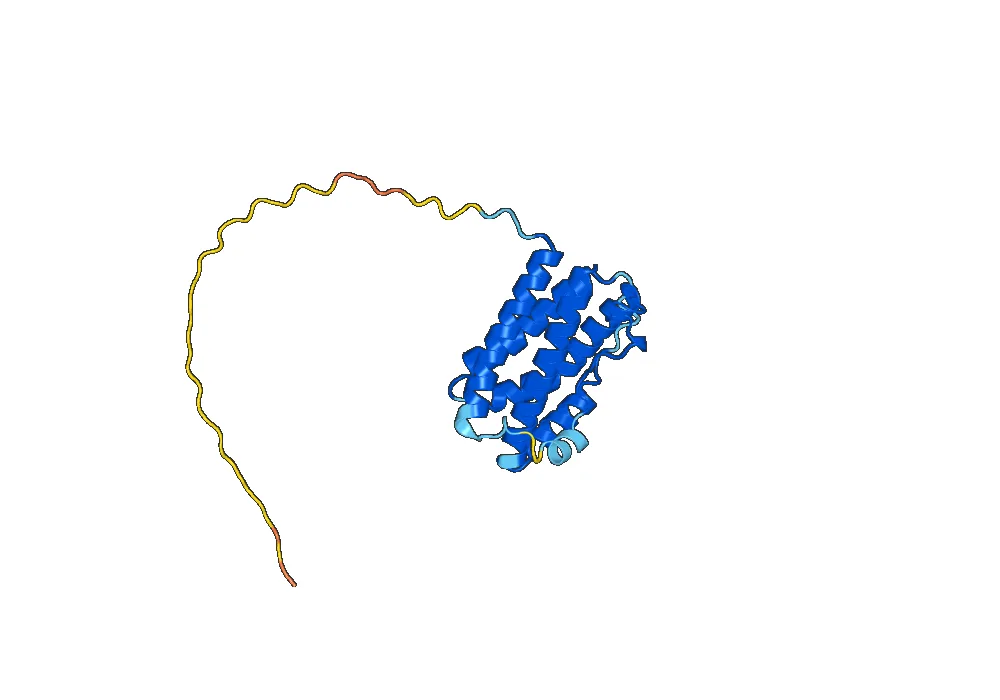
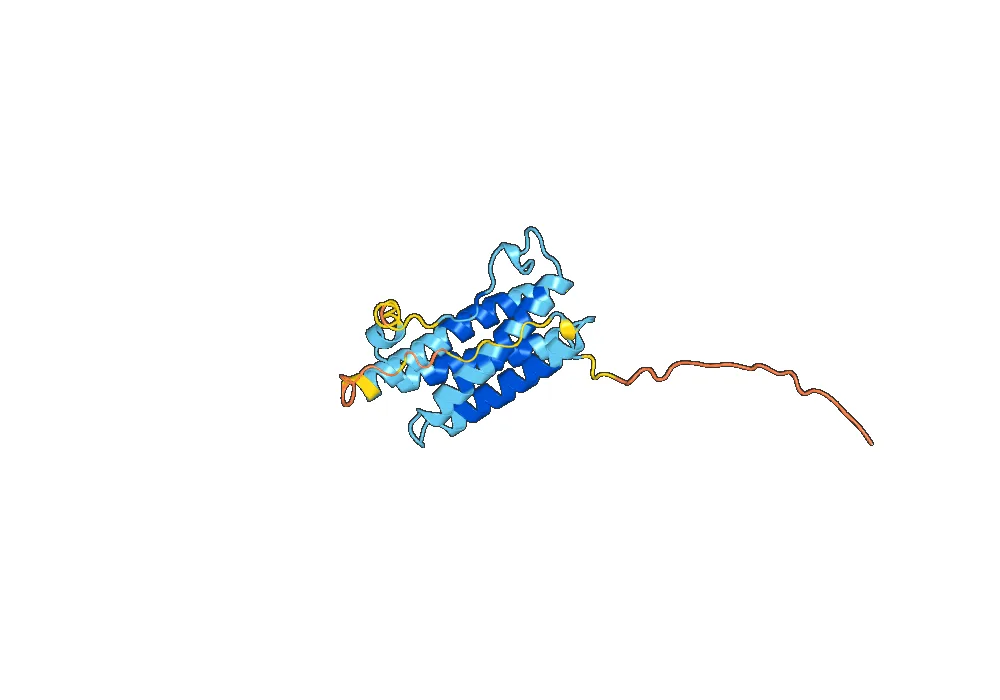
Ziltivekimab Biosimilar, also known as Anti-IL6 mAb, is a promising therapeutic antibody that targets the cytokine Interleukin-6 (IL-6). IL-6 is a pro-inflammatory cytokine that plays a crucial role in various diseases, making it an attractive therapeutic target. Ziltivekimab Biosimilar is a research grade antibody that has shown potential in pre-clinical studies for the treatment of multiple diseases. In this article, we will explore the structure, activity, and potential applications of Ziltivekimab Biosimilar.
Structure of Ziltivekimab Biosimilar
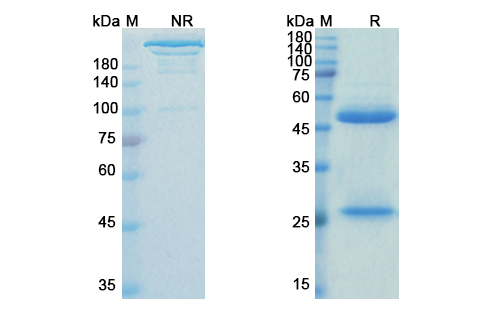
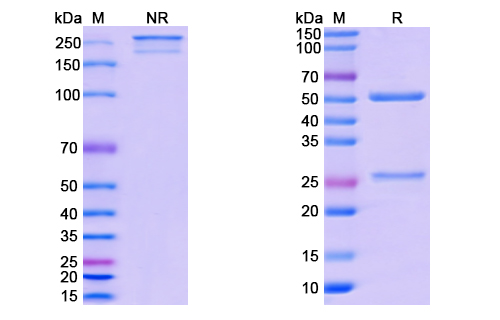
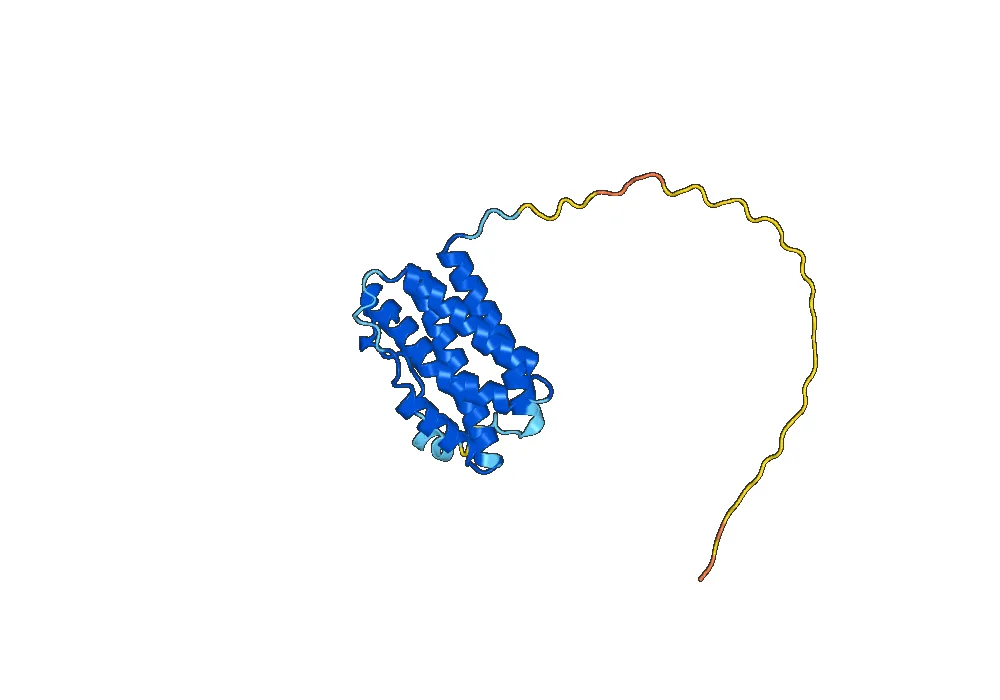
Ziltivekimab Biosimilar is a monoclonal antibody (mAb) that is produced by recombinant DNA technology. It is a biosimilar of the anti-IL6 mAb Tocilizumab, which is currently used for the treatment of rheumatoid arthritis and other inflammatory diseases. Ziltivekimab Biosimilar has a similar structure to Tocilizumab, with a molecular weight of approximately 148 kDa. It is composed of two heavy chains and two light chains, with each chain containing a variable region and a constant region. The variable regions are responsible for binding to IL-6, while the constant regions determine the antibody’s effector functions.
Activity of Ziltivekimab Biosimilar
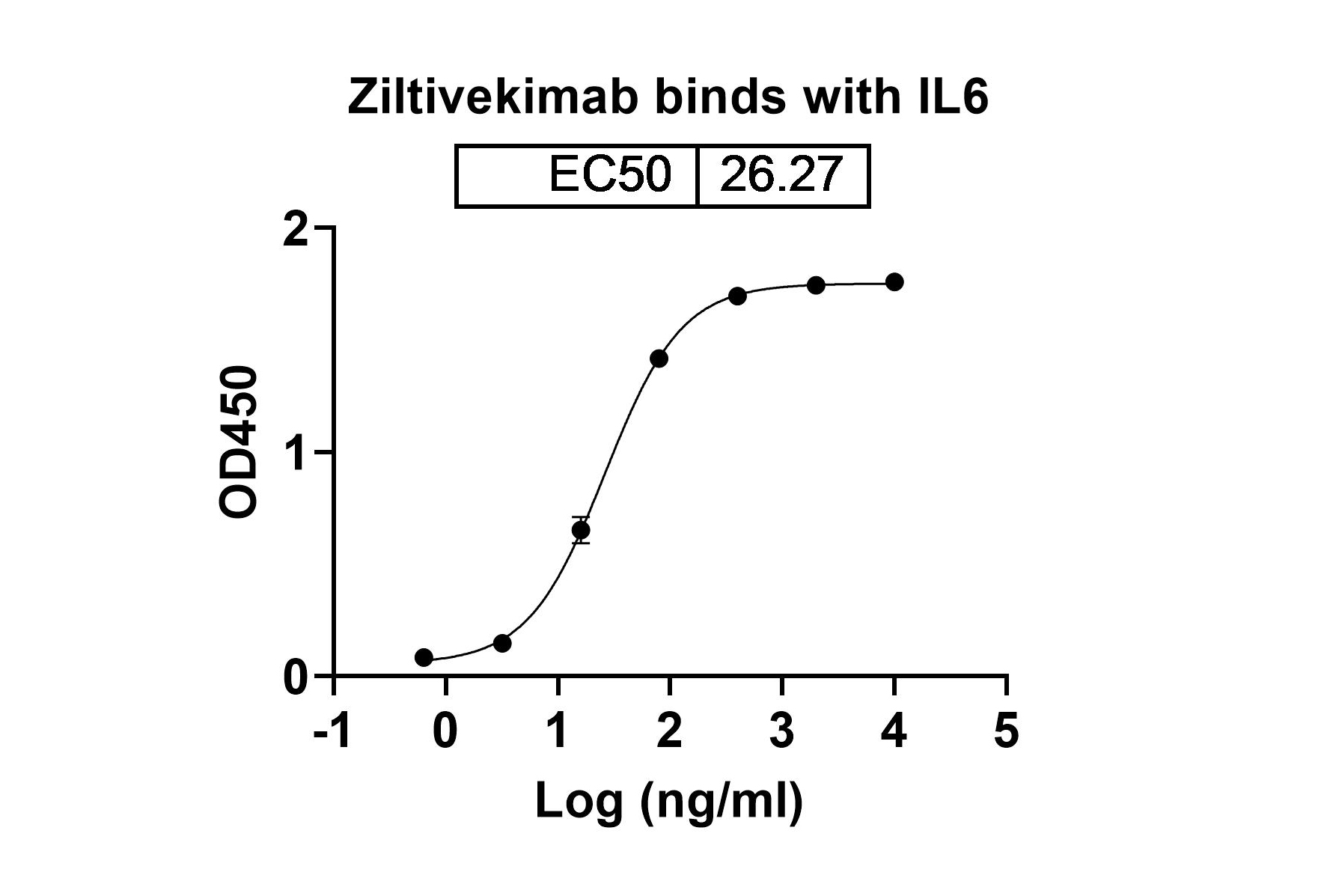
Ziltivekimab Biosimilar binds to IL-6 with high affinity, preventing it from binding to its receptors and activating downstream signaling pathways. IL-6 signaling is involved in the regulation of immune responses, inflammation, and tissue regeneration. However, dysregulation of IL-6 signaling has been linked to the pathogenesis of various diseases, including rheumatoid arthritis, inflammatory bowel disease, and cytokine release syndrome. By blocking IL-6 signaling, Ziltivekimab Biosimilar can reduce inflammation and improve disease outcomes.
Potential Applications of Ziltivekimab Biosimilar
Ziltivekimab Biosimilar has shown promising results in pre-clinical studies for the treatment of various diseases. In a mouse model of rheumatoid arthritis, Ziltivekimab Biosimilar was able to reduce joint inflammation and prevent cartilage destruction. It has also shown potential in the treatment of inflammatory bowel disease, with studies demonstrating a reduction in disease severity and improved intestinal barrier function. Additionally, Ziltivekimab Biosimilar has been studied in the context of cytokine release syndrome, a potentially life-threatening complication of certain cancer treatments. It has been shown to effectively block IL-6 signaling and reduce cytokine levels, suggesting its potential as a treatment for this condition.
Conclusion
In summary, Ziltivekimab Biosimilar is a promising anti-IL6 mAb with potential applications in the treatment of various diseases. Its structure and activity make it a strong candidate for targeting IL-6, a key cytokine involved in the pathogenesis of many inflammatory conditions. With further research and clinical trials, Ziltivekimab Biosimilar has the potential to become a valuable therapeutic option for patients in need of IL-6 blockade.


Stefano Ministrini — April 15, 2022
★★★★★
I used this antibody for in vivo blockade of IL-6. It worked as expected and I got interesting results.