

Cart (0 Items)
Your cart is currently empty.
View Products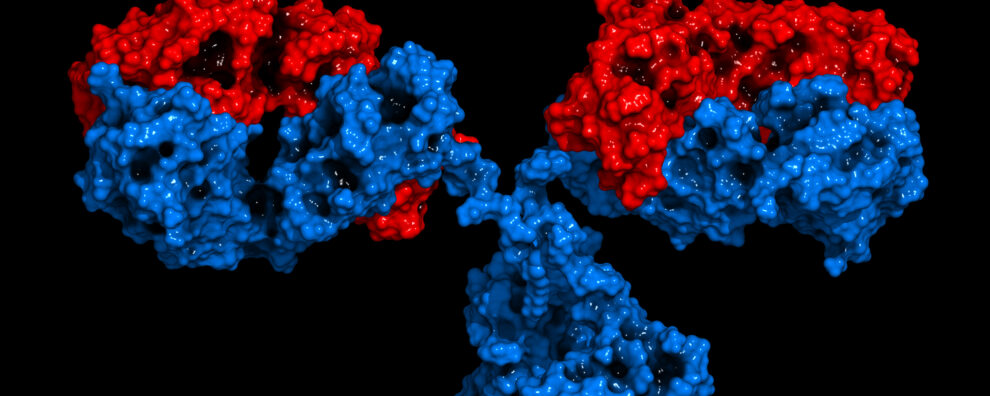 Antibody production
 Thomas Meyer
Antibody discovery is the process of identifying and developing antibodies that can be used as therapeutic agents or diagnostic tools. This intricate process involves various techniques and workflows aimed at isolating high-affinity antibodies with specific target recognition. Understanding the fundamentals of antibody discovery is essential for appreciating its role in advancing modern medicine.
Antibodies are immunoglobulin proteins produced by B cells of the immune system. These Y-shaped molecules have the unique ability to bind specifically to antigens—such as pathogens or malignant cells—through their variable regions, thereby neutralizing the target. The discovery and development of monoclonal antibodies (mAbs) have revolutionized the field of medicine, providing highly targeted therapies for various diseases.
Antibody discovery is crucial for advancing therapeutic solutions and addressing unmet medical needs. The development of monoclonal antibodies has revolutionized disease treatment by offering highly targeted therapies that minimize side effects and enhance patient outcomes.
Antibody discovery employs advanced techniques to identify and develop therapeutic antibodies. These methods are crucial for generating and screening large libraries of antibody candidates, optimizing their properties, and selecting the most promising candidates for further development. Key techniques in antibody discovery include:
The antibody discovery workflow is a meticulously structured process that ensures the identification and development of high-affinity antibodies for therapeutic and diagnostic purposes. This workflow encompasses multiple stages, each critical for the successful generation of effective antibody candidates. Below, we provide a detailed step-by-step overview of this comprehensive process:
An antibody drug is a therapeutic agent composed of monoclonal antibodies that specifically target disease-associated antigens. These drugs harness the body’s immune system to recognize and neutralize pathogens or diseased cells. Antibody drug discovery involves identifying high-affinity antibodies through a rigorous antibody discovery workflow, optimizing their properties for therapeutic use, and developing them into effective treatments. Antibody drugs are characterized by their high specificity and potency, making them ideal candidates for treating various conditions such as cancer, autoimmune diseases, and infectious diseases.
The therapeutic antibody discovery process is a multi-step approach designed to identify, optimize, and develop antibodies with therapeutic potential. This process integrates various techniques and methodologies to ensure the successful translation of an antibody candidate from initial discovery to clinical application.
One significant limitation of using full-sized monoclonal antibodies as therapeutic agents is their poor delivery efficiency, particularly when targeting cancerous tumors. Full-length antibodies often struggle to penetrate the center of solid tumors due to substantial physical barriers, which diminishes their therapeutic effectiveness. This challenge has prompted researchers to explore the use of antibody fragments, which offer better tumor penetration and facilitate radiolabeled imaging or effective therapeutic delivery.
Antibody fragments, including scFvs, Fabs, and VHH fragments, retain the antigen-binding capacity of whole antibodies while being smaller and more versatile. These fragments are particularly useful in applications where sufficient epitope binding is critical, such as virus neutralization or receptor blocking. The smallest antigen-binding fragment is the Fv fragment, composed solely of variable (V) regions, which can be linked to form scFvs or combined with constant (C) domains to create Fab fragments. Antibody fragments like scFvs and Fabs are easily produced in prokaryotic hosts and are widely used due to their beneficial properties.
Antibody fragments play a crucial role in the development of therapeutic antibodies, with the specific type of fragment chosen depending on the disease and application. In the next section, we will explore the different antibody formats in detail, highlighting their unique characteristics and advantages in therapeutic and diagnostic applications.
The process of antibody discovery is complex and fraught with numerous challenges. Overcoming these obstacles is essential for the successful development of therapeutic antibodies. Below, we outline some common challenges in antibody discovery and the strategies used to address them.
| Common Obstacles and Issues | Challenges | Solutions |
|---|---|---|
| Target Identification and Validation | Identifying suitable and disease-specific targets is fundamental to the antibody discovery workflow. Incorrect or poorly validated targets can lead to ineffective antibody candidates. The specificity and accessibility of the target antigen are critical for the subsequent success of antibody binding and therapeutic efficacy. | Use advanced bioinformatics tools, such as genomic and proteomic databases, to identify potential targets. Comprehensive literature reviews and robust experimental validation, including knockdown or knockout studies and in vitro binding assays, ensure the relevance and accessibility of targets. |
| Antibody Generation and Screening | Generating a diverse library of high-affinity antibodies and screening these libraries to identify the best candidates can be time-consuming and resource-intensive. Ensuring a broad and high-quality antibody library is essential for finding effective candidates. | Implement high-throughput screening technologies such as phage display, which allows for the rapid identification of high-affinity antibodies from large libraries. Single B-cell screening can provide a direct source of high-affinity antibodies from immunized animals. Utilizing next-generation sequencing (NGS) enhances the diversity and accuracy of library screening. |
| Optimization and Affinity Maturation | Optimizing antibodies for improved binding affinity, stability, and reduced immunogenicity requires sophisticated techniques and extensive testing. Poorly optimized antibodies may have suboptimal therapeutic effects or adverse immunogenic responses. | Employ directed evolution techniques, such as error-prone PCR and ribosome display, to enhance antibody affinity and stability. Computational modeling and in silico prediction tools can guide rational design and optimization. In vitro affinity maturation techniques, such as yeast or phage display, allow for iterative improvements in antibody properties. |
| Production and Scale-Up | Scaling up antibody production while maintaining quality and consistency is difficult, especially during the transition from research to clinical-grade manufacturing. The production process must be robust and reproducible to meet clinical and commercial demands. | Develop robust and scalable bioprocessing protocols using mammalian cell expression systems, such as CHO (Chinese Hamster Ovary) cells, which are commonly used for large-scale antibody production. Implement stringent quality control measures, including real-time monitoring and analytical testing, to ensure consistency and purity. |
| Preclinical and Clinical Testing | Ensuring antibodies are safe and effective in preclinical models and during clinical trials involves significant risks, including potential toxicity and lack of efficacy. Unanticipated adverse effects or inadequate therapeutic responses can halt development. | Conduct thorough preclinical evaluations using a combination of in vitro assays (e.g., cell viability, binding affinity) and in vivo models (e.g., xenograft mouse models) to assess efficacy and safety. Design adaptive clinical trial protocols that allow for modifications based on interim results. Early-stage humanized mouse models can provide insights into human-specific responses. |
| Regulatory Approval | Navigating the regulatory landscape to achieve approval for antibody therapeutics involves extensive documentation and meeting stringent safety and efficacy standards. The regulatory process can be lengthy and complex, requiring detailed submissions and adherence to guidelines. | Engage with regulatory agencies early in the development process to understand requirements and expectations. Prepare comprehensive and well-documented submissions, including detailed clinical trial data, manufacturing processes, and quality control measures. Leveraging regulatory expertise and consulting with specialists can streamline the approval process. |
ProteoGenix is dedicated to providing unparalleled support for your antibody discovery projects. Our extensive range of services and innovative technologies ensure that your research reaches its full potential. Here’s how we can assist you:
Partner with ProteoGenix to transform your antibody discovery project and accelerate the development of your custom monoclonal antibodies. Our commitment to quality, innovation, and customer satisfaction ensures that you achieve outstanding results.
Ready to elevate your research? Contact us today to learn how our comprehensive services can support your antibody discovery needs. Get Started with ProteoGenix.
*NANOBODY® compound is a registered trademark of Ablynx N.V.
Join our email list to receive exclusive content featuring the most interesting industry and research news, biologics development tips pieced together by experts, res, company news, and exclusive limited-offers. Join a community of 80,000 subscribers and save up to 30% on your first order.